• Our Blogger

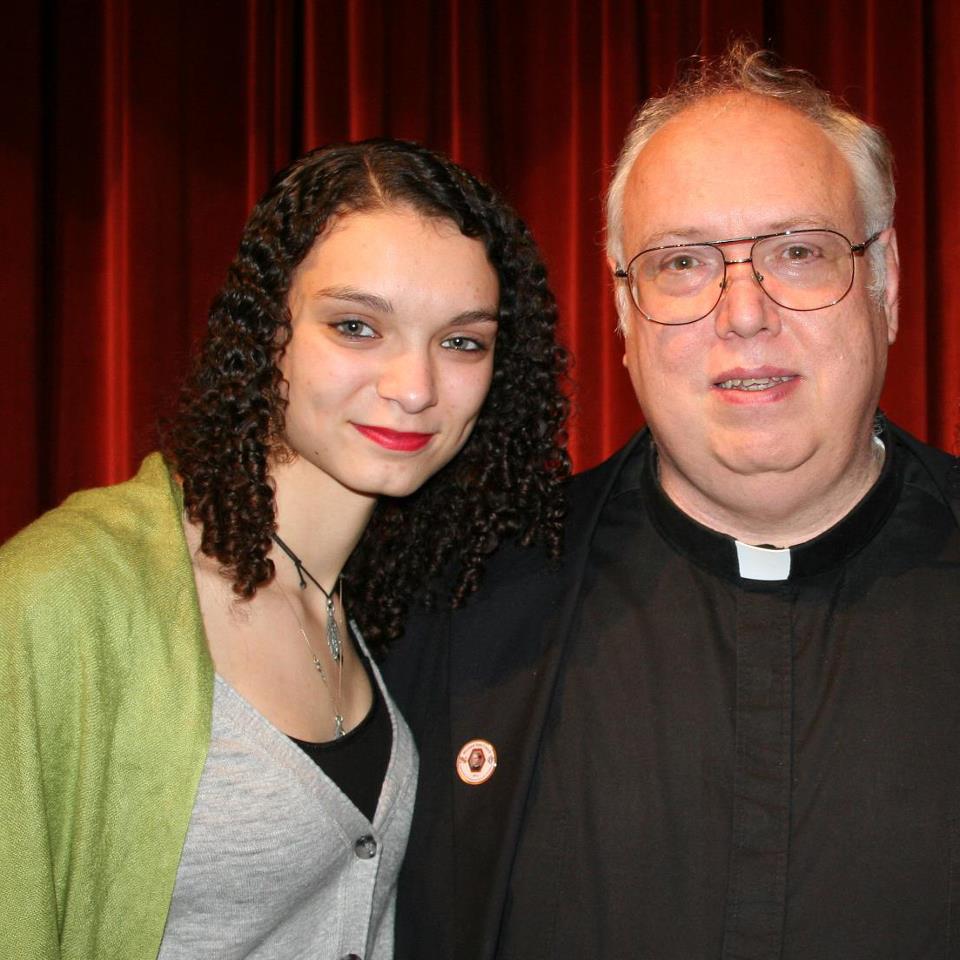
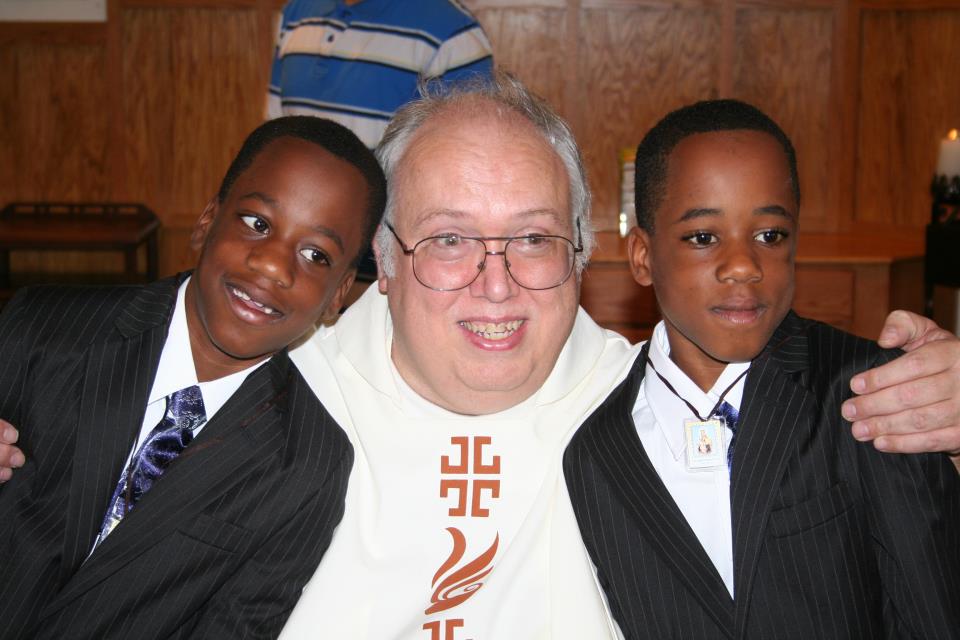
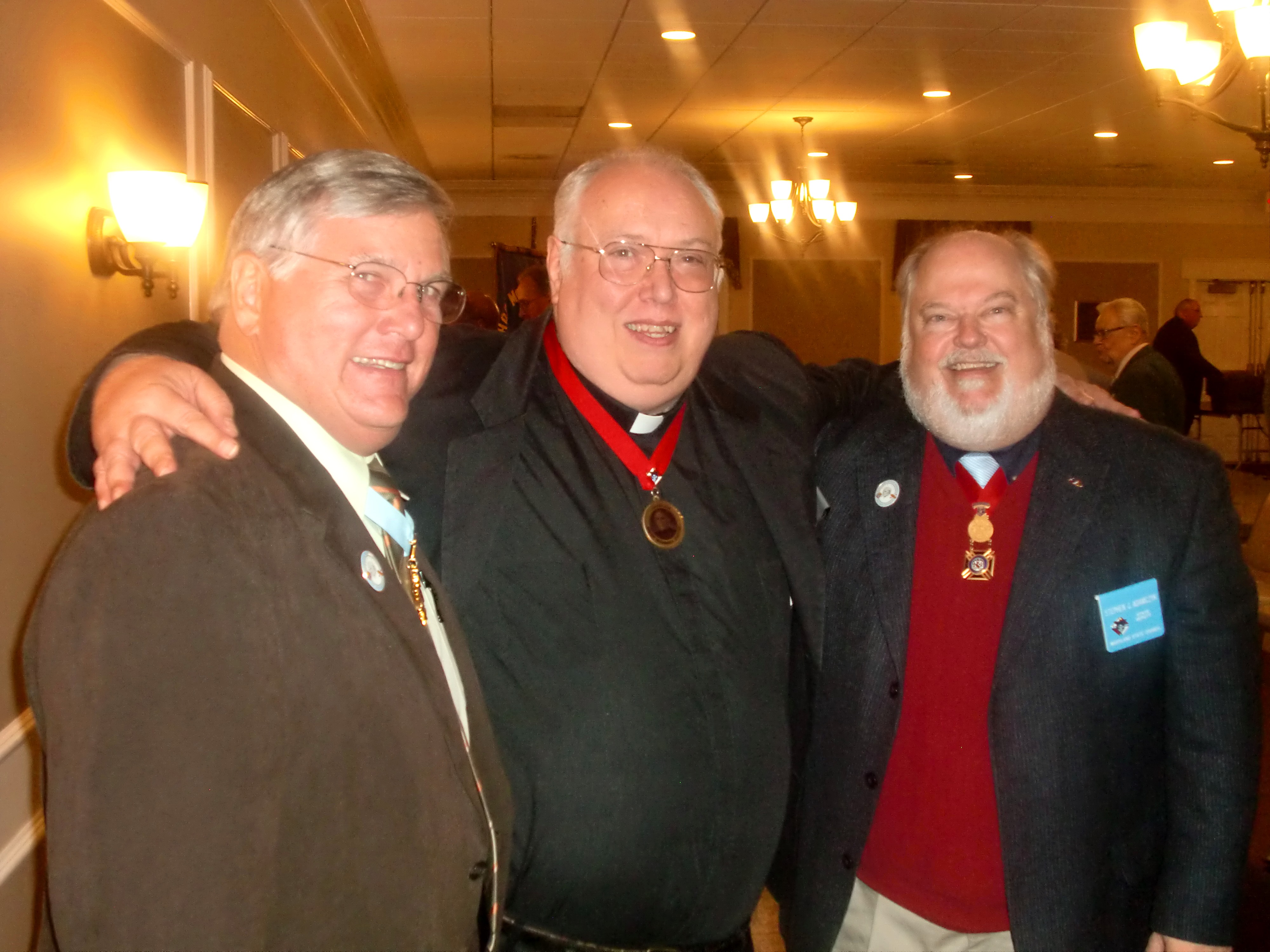
    Fr. Joseph Jenkins

  • The blog header depicts an important and yet mis-understood New Testament scene, Jesus flogging the money-changers out of the temple. I selected it because the faith that gives us consolation can also make us very uncomfortable. Both Divine Mercy and Divine Justice meet in Jesus. Priests are ministers of reconciliation, but never at the cost of truth. In or out of season, we must be courageous in preaching and living out the Gospel of Life. The title of my blog is a play on words, not Flogger Priest but Blogger Priest.

  • Archives

  • Categories

  • Recent Posts

  • Recent Comments

    Anonymous's avatarAnonymous on Ask a Priest
    Michael J's avatarMichael J on Ask a Priest
    Jeremy Kok's avatarJeremy Kok on Ask a Priest
    Mike Zias's avatarMike Zias on Ask a Priest
    Jeremy Kok's avatarJeremy Kok on Ask a Priest

Relationship between Discipline & Doctrine

It is unusual to hear a debate between bishops aired in the press and public forum. Continue to pray for all the participants in the Vatican Synod of the Family.

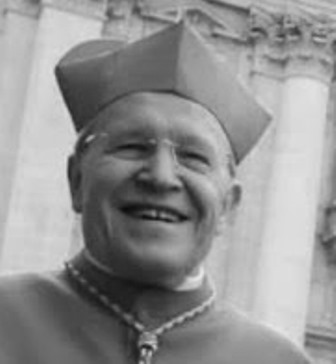
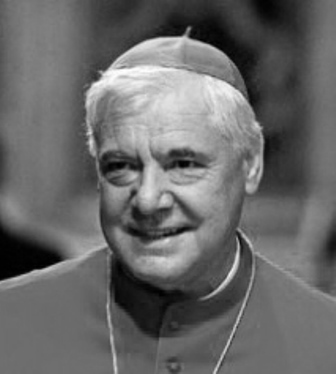
Cardinal+Walter+Kasper-300x229

Cardinal Kasper:

“Nobody denies the indissolubility of marriage. I do not, nor do I know any bishop who denies it. But discipline can be changed. Discipline wants to apply a doctrine to concrete situations, which are contingent and can change.”

archbishop_wuerl_elect

Cardinal Wuerl:

“The reception of Communion is not a doctrinal position. It’s a pastoral application of the doctrine of the Church. We have to repeat the doctrine, but the pastoral practice is what we are talking about. That’s why we are having a synod. Just to repeat the practice of the past without trying to find a new direction today is no longer tenable.”

“That’s going to be the challenge, and I think that’s what the Holy Father is calling us to do. He’s saying, we know this, we believe this, this is what is at the heart of our teaching. But how do you meet people where they are? And bring them as much of that as they can take, and help them get closer?”

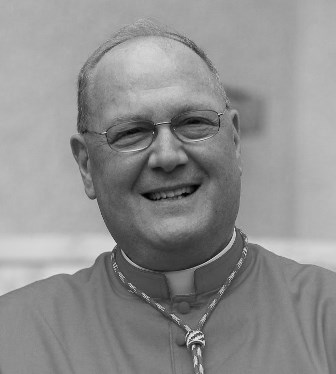
235148-cardinal-timothy-dolan

Cardinal Dolan:

“When we talk about some time of renewal and reform of our vocabulary, we don’t mean to soften or to dilute our teaching, but to make it more credible and cogent,” he said. “It’s not a code word for sidestepping tough things; it’s more a methodology.“

Cardinal_Burke

Cardinal Burke:

“There can’t be in the Church a discipline which is not at the service of doctrine.”

“The reformers were saying: ‘Oh, we’re not questioning the indissolubility of marriage at all. We’re just going to make it easy for people to receive a declaration of nullity of marriage so that they can receive the sacraments.’ But that, is a very deceptive line of argument which I’ve been hearing more now in this whole debate.”

cardinal_pell

Cardinal Pell:

“As Christians, we follow Christ. Some may wish Jesus might have been a little softer on divorce, but he wasn’t. And I’m sticking with him.”

“We’ve got to be intellectually coherent and consistent.  Catholics are people of tradition, and we believe in the development of doctrine, but not doctrinal backflips.”

“Communion for the divorced and remarried is for some — very few, certainly not the majority of synod fathers — it’s only the tip of the iceberg, it’s a stalking horse. They want wider changes, recognition of civil unions, recognition of homosexual unions. The church cannot go in that direction. It would be a capitulation from the beauties and strengths of the Catholic tradition, where people sacrificed themselves for hundreds, for thousands of years to do this.”

muller_CNS

Cardinal Müller:

“One cannot declare a marriage to be extinct on the pretext that the love between the spouses is ‘dead.’  Indissolubility does not depend on human sentiments, whether permanent or transitory. This property of marriage is intended by God himself. The Lord is involved in marriage between man and woman, which is why the bond exists and has its origin in God. This is the difference.”

Commission to Reform Annulment Process

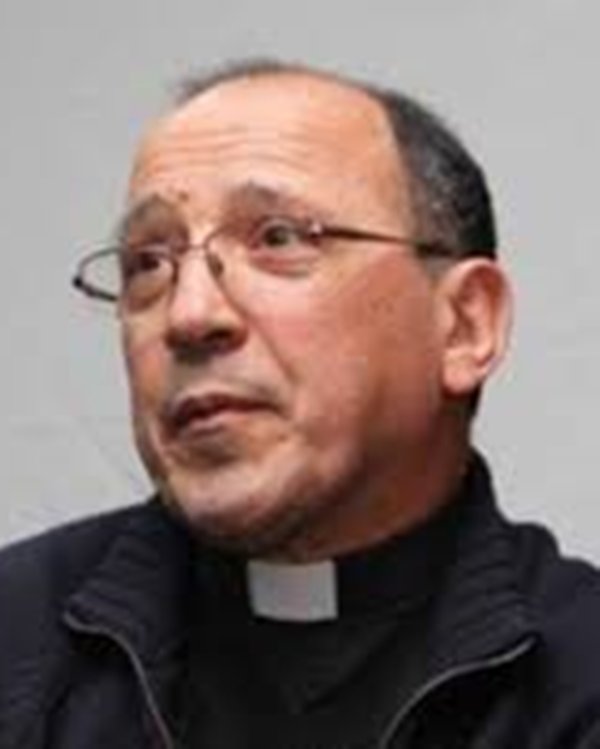
Alejandro W. Bunge Archbishop Luis  Francisco Ladaria Ferrer, SJ Bishop Dimitri Salachas

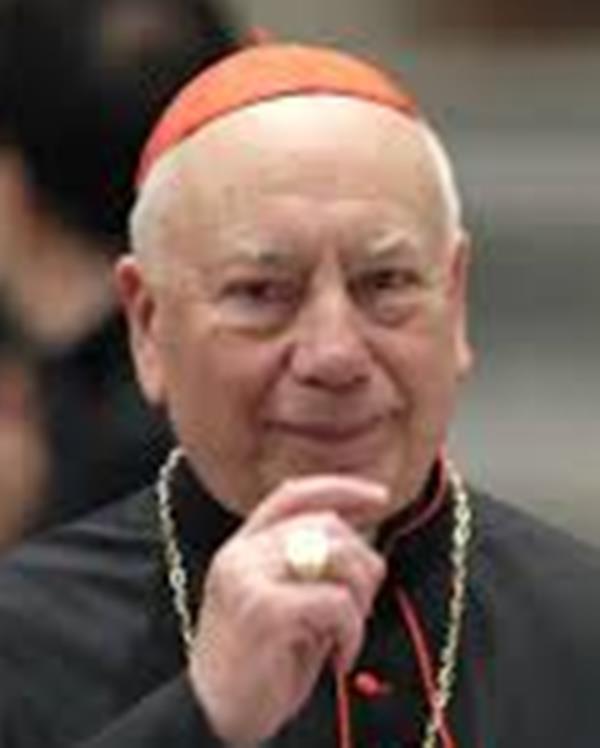
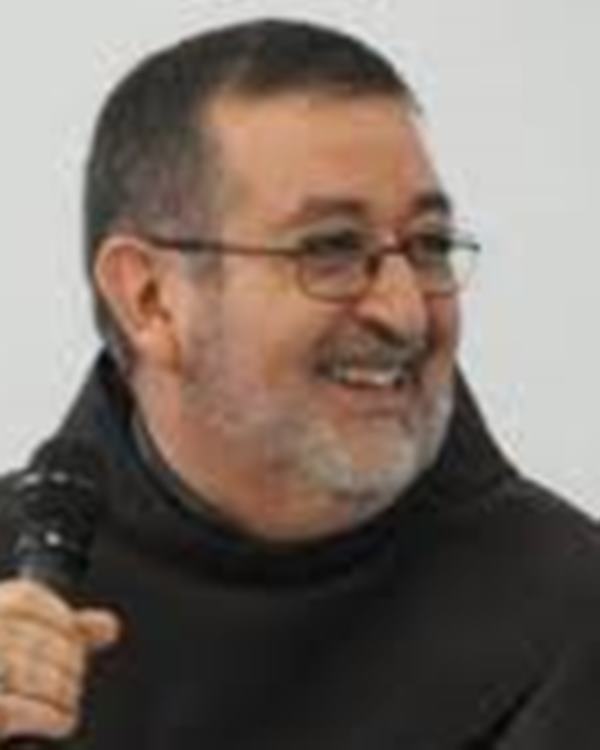
Cardinal Francesco Coccopalmerio Fr. Jorge Horta Espinoza, O.F.M. Konštanc Miroslav Adam, O.P.

Leo Xavier Michael Arokiaraj Msgr. Pio Vito Pinto Msgrs. Maurice Monier

 Nikolaus Schöch, O.F.M. Prof. Paolo Moneta

FROM LEFT TO RIGHT  (Notice they are mostly clerics and no women.)

Row 1 – Msgr. Alejandro W. Bunge / Archbishop Luis  Francisco Ladaria Ferrer, SJ / Bishop Dimitri Salachas

Row 2 – Cardinal Francesco Coccopalmerio / Fr. Jorge Horta Espinoza, O.F.M. / Fr. Konštanc Miroslav Adam, O.P.

Row 3 – Msgr. Leo Xavier Michael Arokiaraj /  Msgr. Pio Vito Pinto / Msgr. Maurice Monier

Row 4 – Rev. Fr.  Nikolaus Schöch, O.F.M. / Prof. Paolo Moneta

Pope Francis Establishes Commission to Reform Marriage Annulment Process

(Vatican Radio) The Holy See Press Office on Saturday announced Pope Francis has decided to establish a Special Commission  for the study of the reform of the matrimonial processes in canon law. The decision was made on August 2, 2014.

This Committee will be chaired by Msgr. Pio Vito Pinto, Dean of the Roman Rota.  The other members are:  and will be composed of the following members: Cardinal Francesco Coccopalmerio, President of the Pontifical Council for Legislative Texts; Archbishop Luis  Francisco Ladaria Ferrer, SJ, secretary of the Congregation for the Doctrine of the Faith; Bishop Dimitri Salachas, Apostolic Exarch of the Greek Byzantine Catholic Church; Msgrs. Maurice Monier, Leo Xavier Michael Arokiaraj and Alejandro W. Bunge, Prelate Auditors of the Tribunal of the Roman Rota; the Rev. Fr.  Nikolaus Schöch, O.F.M., Substitute Promotor of Justice of the Supreme Tribunal of the Apostolic Signatura; Fr. Konštanc Miroslav Adam, O.P., Rector of the Pontifical University of Saint Thomas Aquinas (Angelicum); Fr. Jorge Horta Espinoza, O.F.M., Dean of the Faculty of Canon Law of the Pontifical University Antoniamum; and Prof. Paolo Moneta, formerly professor of Canon Law at the University of Pisa.

The work of the Commission will start as soon as possible and will have as its goal to prepare a proposal of reform of the matrimonial process, with the objective of simplifying its procedure, making it more streamlined, and safeguarding the principle of the indissolubility of matrimony.

Bishop Tobin on Remarried Couples & the Eucharist

pptobin280409Has anyone else read Bishop Thomas Tobin’s letter posted on the Providence Diocese’s website?  He invites discussion.  Thus, with all due respect, I would like to share my concerns.  The bishop writes:

In my personal reflection on this dilemma, I turn to the incident in the Gospels in which Jesus and His followers were walking through a field of grain on the Sabbath and because they were hungry, began to pick and eat the grain, a clear violation of an important Mosaic Law. The offense was roundly condemned by the religious experts, the Pharisees. But in response, Jesus said, “The Sabbath was made for man, not man for the Sabbath” (Mk 2:23-28).  In other words, while not denying the validity of the law, our Lord clearly placed it in a “pastoral context,” exempting its enforcement due to the human needs of the moment. Could we not take a similar approach to marriage law today?

One cannot really compare the issue of divorced-and-remarried Catholics being allowed to receive Holy Communion with the incident where our Lord’s apostles are charged with violation of the Sabbath by picking and eating the heads of grain (Mk 2:23-28).  The first is in regard to spiritual disposition and the sacrilege of taking Holy Communion while in mortal sin.  The latter simply focuses upon a pharisaical interpretation of the commandment demanding rest.  The apostles were not in any grievously sinful state.  Jesus excuses them, as a foretaste of the freedom that comes with his dispensation.  But, more than this, Jesus is God.  The lawgiver can excuse whatever laws he wills.  The Church can also make modifications, as with our keeping the Sunday Observance over the traditional Hebrew Sabbath.  However, such authority is not absolute and this juridical rendering is a far cry from trying to circumnavigate around basic objective moral norms.  The Church and the Pope do not have the authority to authorize sin and sacrilege.

What constitutes a genuine pastoral approach?  Excusing or enabling serious sin is no favor to anyone.  While we may be troubled by exclusion and feelings of hurt; how can these compare to the fires of hell and the loss of God’s friendship.  The pastoral cannot be so focused on the external situation or appearances that we neglect the internal reality.  The corollary to the assertion that “matrimony is made for man, not man for matrimony” does not find its solution in feigned second marriages but in a chaste celibacy.  Promises are made to be kept.  If the first marriage is authentic, then as long as one spouse lives, any attempted second marriage is a fiction.  That is the long-and-short of it.  There is no viable solution out of this conundrum.  This is more than “the lofty demands of the law,” but the enduring truth that the two become one flesh.  Affections might stray but one spouse continues to belong to the other.  Infidelity is stealing what is the spouse’s due and giving it to another.  There is no way that the Church could rubber-stamp such a scenario.

The bishop writes,

But at the same time, the Church has taught the pre-eminent value of receiving the Holy Eucharist, and I keep hearing the words of Jesus about the Eucharist, words that are just as valid and important as His words about marriage: “Unless you eat the flesh of the Son of Man and drink his blood, you do not have life within you” (John 6:53).

Missing from this assessment is the ancient teaching, recited in the sequence for Corpus Christi, that the same sacrament which brings life to one, brings judgment to another.  Purposely giving Holy Communion to those who are in an adulterous situation would invite condemnation upon them and ridicule upon a hypocritical Church.

Bishop Thomas Tobin states:

And I know that I would much rather give Holy Communion to these long-suffering souls (divorced-and-remarried couples) than to pseudo-Catholic politicians who parade up the aisle every Sunday for Holy Communion and then return to their legislative chambers to defy the teachings of the Church by championing same-sex marriage and abortion.

The bishop means well and he says, honestly, that he does not know the answer to the predicament; however, sympathy for small devils while castigating large ones is no answer at all.  A man can jump from one ledge to another.  If he misses by a foot or an inch, it makes no difference.  He is still just as dead.  This is the appropriate analogy here.

Bishop Tobin echoes an article in the National Catholic Reporter by Fr. Peter Daly who suggested that annulments be simplified by handling the situations entirely at the local level.  The bishop writes:

Can we eliminate the necessity of having detailed personal interviews, hefty fees, testimony from witnesses, psychological exams, and automatic appeals to other tribunals?  In lieu of this formal court-like process, which some participants have found intimidating, can we rely more on the conscientious personal judgment of spouses about the history of their marriage (after all, they are the ministers and recipients of the sacrament!) and their worthiness to receive Holy Communion?

The true Sensus Fidelium is that collection of the laity that keeps our moral laws and regularly goes to Mass.  They would be critical of this proposed solution.  The grounds for annulments often rests in ignorance, deceit, lack of proper discretion, inability to fulfill the obligations of marriage, mental problems, prior addiction, etc.  People are often blind to their own faults and shortcomings; but here the bishop is literally saying, “Physician, heal thyself!”  Would this apply for only the second marriage?  What about the third?  What part would “the other woman” play when marriages were deliberately destroyed?  Such a measure would play into the hands of selfishness.  Many of them do not understand the difference between an annulment and a divorce.  If the bishop’s notion were adopted, there would be no difference— and a basic command from Christ would be explicitly violated.

This is all quite serious.  The marriage analogy plays a crucial part in our understanding of the Church’s relationship to Christ and the sacrament of Holy Orders.  Weaken one and we hurt the others— the dominoes will begin to fall.

Marriage Still Matters

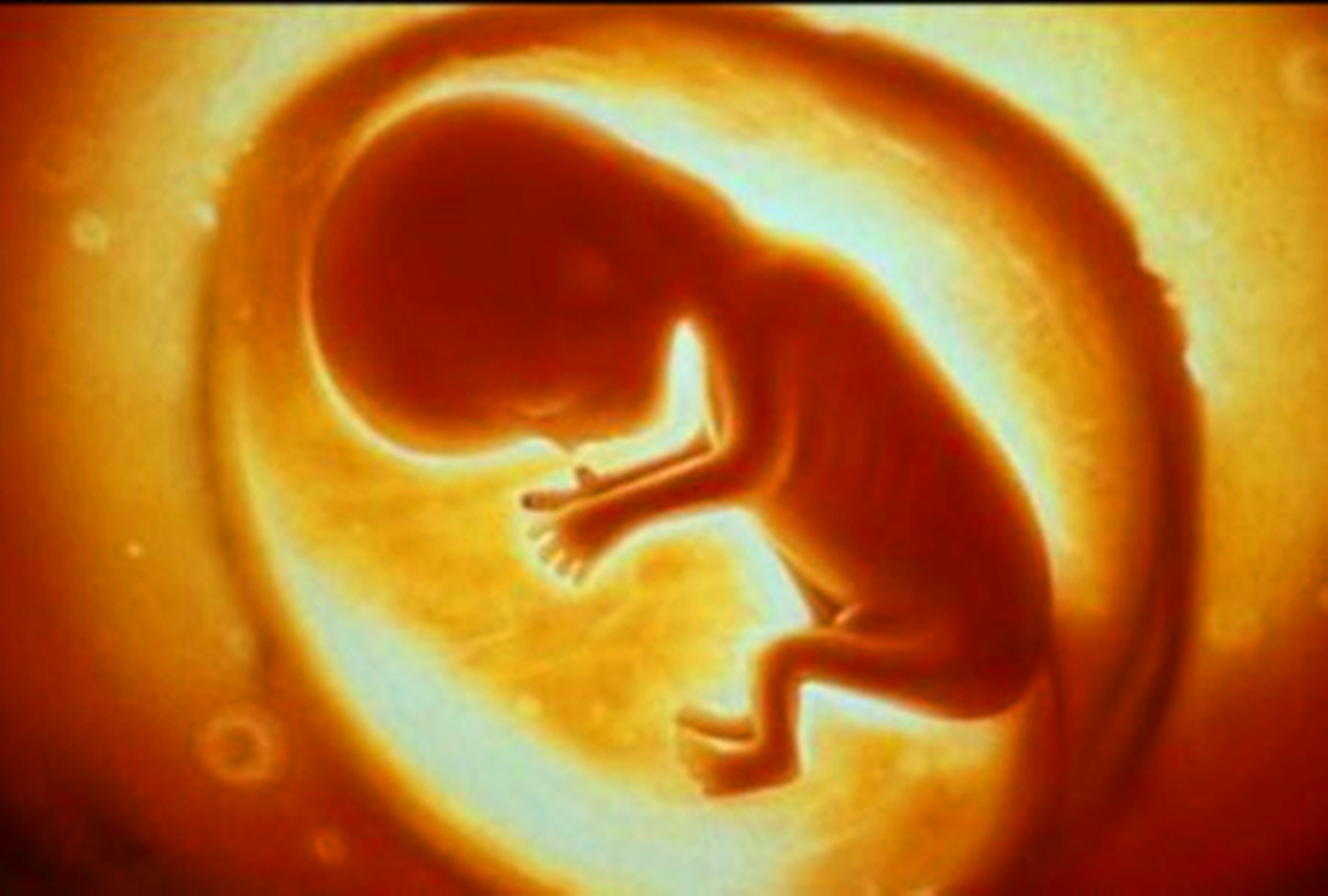
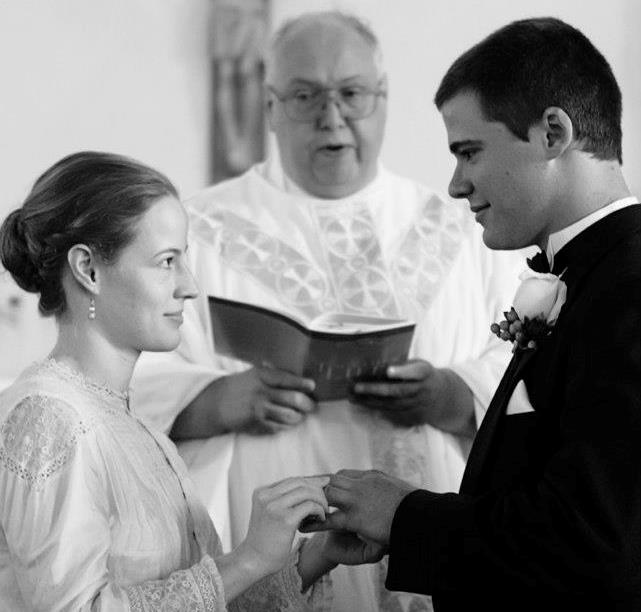
wedding_16Numbness in conscience inflicts many of the members of our modern society. It is as if people have lost the capacity to distinguish between right and wrong. The values of traditional faith and Scripture are not taken into consideration as credible when moral decisions are made. Further, there is a rupture between our nature and the laws that can be discerned by reason. This leads to a profound disconnect from objective reality. Instead, the notion that man is the measure of all things is extended to a fanciful absurdity. The unborn child in the womb is denied the personhood that comes along with his very presence. The purpose of the marital act is reduced to recreation with the reproductive ends subtracted by contraception. The bodies of men and women are complementary and yet same-sex attraction is made into a legal right even though it is a fiction and not fact. The aberration is counted as normal and any emphasis upon genuine normalcy is discounted as intolerance. The institution of marriage is bombarded by all sorts of threats: divorce, adultery, fornication, cohabitation, etc. Any stigma or embarrassment for having children outside of wedlock is measured as insensitive and mean-spirited. Marriage is regarded as a mere piece of paper, even by Catholics who were taught that it was a sacrament to give grace.

What a mess with which we are living!

Msgr. Pope rightly laments on his blog that many regard “living” in sin as “no big deal.” The misnomer here is that one does not really LIVE in sin; instead, one begins to DIE in sin. Sin by its very definition brings forth suffering and death. It alienates us from the one who created us and from the life present in the soul.

Pastors are challenged when they preach about sin and punishment. They are challenged for stressing judgment when our Lord was apparently all about mercy and love. However, the dispensation of Christ is neither magic nor capricious. You have to love in return. You have to want to be forgiven. Too many live as if there will be no judgment and no hell. While the catechism teaches about the universal call to salvation, this is not the heresy of universalism. God’s gifts can be ignored or rejected. Using a medical analogy, a doctor might be able to treat you but you must be willing to seek him out. The divine physician would heal our souls, but millions prefer the spiritual sickness that comes with hedonism, greed or a spiritual ennui.

I like straight talk and yet such is almost always found offensive by someone. People these days do not like to be told their business. There is an arrogance to sin today that has smothered the guilt that once brought contrition and repentance. Do you want proof? Tell a couple who are having sex outside of marriage that unless they repent they will go to hell. See how they respond. “What we do is none of your business! Who are you to talk to us that way? You can go to hell, yourself! Who are you to judge? We love each other, what is so wrong with that? Who is being hurt by what we do?” The fact that it violates God’s Word is given little or no measure in their evaluation. What they are really saying is this: “No one can tell us what to do, not you and NOT God!”

Msgr. Pope gives us a list of Scriptures that we would do well to review.  If we believe that the Bible is God’s Word, then we should take to heart the saving message:

  • Matthew 5:27-30; 15:19-20
  • Mark 7:21
  • 1 Corinthians 6:9-11, 15-20
  • Galatians 5:16-21
  • Ephesians 5:3-7
  • Colossians 3:5-6
  • 1 Thessalonians 4:1-8
  • 1 Timothy 1:8-11
  • Hebrews 13:4
  • Revelation 21:5-8; 22:14-16

Holy Family Teens Preparing for Confirmation

We celebrated Spirit Day here yesterday for our teens!

conf2014 b

God’s Intervention: Conversion

When it comes to parental guidance and faith formation there is no perfect formula. Children from the same household often include both fervent believers and backsliders. The young person has to make choices for him- or herself. All we can do is give them the best witness and tools. Having said this, there are some families who have not done all they could. Sacraments were haphazard and Mass participation was poor. For them we recall the Scripture that says, “Make no mistake: God is not mocked, for a person will reap only what he sows” (Galatians 6:7).

What are my general thoughts about the issue? Certain important points come to mind.
14_to_aFirst, just because a child was baptized as a baby, we must never omit the need for CONVERSION. There is the real need to take the faith that is given us and to make it our own. Catholics might not accept the notion of “once saved, always saved,” but we still treat membership in the Church as a “done deal” that needs little in the way of affirmation or verification. This point often muddies the waters when news reporters and poll-takers ask questions of Catholics. People who have not stepped foot in a church for many years will still identify themselves as Catholics. Their perspective on issues often is more reflective of a secular humanism than Christianity. Catholicism is reduced to a club which refuses to throw you out even when you fail to pay the required dues. In actual fact, while they remain juridically Catholics, many of these people are in practice Protestant or even atheists. They may live as if there is no God.

Many catechists are often disheartened when a child has reached Confirmation age in eighth grade, and he or she still struggles from a glaring ignorance of our religion. We know they were given all the content but it is as if it leaked out. Good Catholic kids go on to high school or college and fall away from the practice of their faith. At a time when the Christians of Mosul are facing expulsion and extermination for their faith; these kids surrender it without the whimper of a battle. As an old billboard used to advertise, a crucial question comes to mind, “If Christianity were a crime, would there be enough evidence to convict you?” Apparently Christian kids begin to talk and act as if there is no God.

The problem comes to a head as the youth matures; however, the seed was damaged from the beginning or hindered throughout. It is choked by weeds or has fallen on poor and rocky soil. There has been little or no watering. Despite all that parents, catechists and pastors did (or did not do); the simple fact remains that the youth may never have had an intimate and reciprocal friendship with Christ. Praying should be like breathing. We do not last long otherwise. We begin to die when we neglect the Lord.

We tend to speak about the “issues” that our children face or the difficulties they create. We need to stop thinking about “issues” and turn to dealing with “persons.” How do we facilitate an evangelical turning or metanoia to the Lord? Must we create a spiritual ghetto around our children, blocking out the distractions from peers, public schools and the media? How do we move religion from information to be memorized to a person we must encounter?

While I like youth groups and activities where young men and women can dialogue and come to a better understanding, as well as mutual respect, it also seems to me that there should be gender-based formation. Young women, mentored by faithful and mature females, can answer questions and speak to concerns that might never be mentioned in a mixed setting. Similarly, in a society that preaches a false equivalence, young men need mentoring by Christian gentlemen who know and practice the values of true manhood. Every young man should look upon the girls as potential spouses and the mothers of their children. Each young woman should seek out men who demonstrate strength of character and responsibility for their actions. While I prefer courtship to dating; young people should not feel coerced into romantic relationships prior to the time that they are ready or able to make genuine commitments. I also think that young men and women should be given a witness for the religious vocations to which God may call them. Do we have priests and brothers speaking to our boys about their callings and the satisfaction they receive in serving God? Do we have religious sisters giving presentations in youth groups and parishes about what it means to be a bride of Christ? I think we could do more in these areas. I lament that the archdiocese no longer has its own order of religious sisters. The fact that we had them seemed almost like a secret. If we want vocations for men and women, then they have to be visible and the word must be shared. They must also be happy. No one wants to join a group of angry old bachelors or cat-fighting spinsters.

I would also suggest the witness of proven Christian laity who live in the world and still belong to Christ. We have many god people who witness the faith to co-workers, family and friends. They volunteer to help the poor, to save and nurture babies, to bring care to the sick and dying, and to pass on the faith to the next generation. Along with the saints of heaven, these must be our role models— not the coarse basketball player or music personality preoccupied with money, fame and sex.

When it comes to youth group gatherings, we sometimes merely want to get a meeting over and satisfy the young people on a superficial level. But every gathering should go beyond entertaining with sports, music, games, movies or free pizza. We do not want to bribe our youth to attend. Youth ministers can make a number of honest mistakes. I recall a fellow years ago who gave a presentation about ministry that focused entirely on himself. He told us again and again that he received great personal satisfaction from the work. If that is simply the case, then we might become parasitical to the very youth we hope to help. But in contradiction, we do not do this work for what we can get out of it. The youth might put us through hell and yet in the end it could produce fruit if we persevere.

Ephesians 4:11-16 gives us our marching orders, both for catechesis and youth ministry:

“And he gave some as apostles, others as prophets, others as evangelists, others as pastors and teachers, to equip the holy ones for the work of ministry, for building up the body of Christ, until we all attain to the unity of faith and knowledge of the Son of God, to mature manhood, to the extent of the full stature of Christ, so that we may no longer be infants, tossed by waves and swept along by every wind of teaching arising from human trickery, from their cunning in the interests of deceitful scheming. Rather, living the truth in love, we should grow in every way into him who is the head, Christ, from whom the whole body, joined and held together by every supporting ligament, with the proper functioning of each part, brings about the body’s growth and builds itself up in love.”

There are too many persons and things that would exploit our youth; we must illustrate the highest integrity in equipping young “saints.” We make ready the soil and pray that God will rain down with his grace. After doing all that we can, we beseech God for the conversion of our charges. If our youth do not open the Scriptures, say their prayers, participate at Mass, and help the poor then what exactly would make them Christian? They should be growing daily in the knowledge and love of Jesus. Mindful of the Pharisees, we must be careful of any hypocrisy. The youth will see this immediately and any movement to Christ would likely be stunted.

There are a number of poor models that poison youth work and evangelization. Making demands from authority turns people off and when there is sufficient distance or no longer any stick held over heads, the young people rebel and walk. Similarly bribing falls short when nothing that we can offer comes anywhere near to competing with popular music, large screen televisions, video games or the other stuff that youth and families accumulate. We try placing our message on computers and television, but talking heads and the Mass for Shut-ins just is not attractive or compelling to many. We get all excited about the Internet but then find that there are few hits and no one is reading or watching our materials. We pour money into solutions that really solve nothing and become just another element for critics to ridicule. The universal Church gets caught up in this as well. Are we really making converts or calling souls home with Twitter? I doubt it.

We do not need religious robots. No, instead we want faithful youth who are fully converted and see evangelization as a crucial factor in their lived discipleship. That is one of the reasons why I feel that adult moderators should encourage youth to develop their own programs and activities. This way, when they head off for college, it will no longer matter if parents and pastors are unable to look down their backs. Without any prodding, they will gather their own bible sharing and prayer groups. We want them to form “church” with a graced spontaneity. They need to be self-actuated in their discipleship. They will look around them and develop activities to respond to the needs of the community where they find themselves. All this is to say, that while we have them, we should be thinking… how can we empower these persons to be self-actuated leaders: teaching and serving others? Is this prospect even on our radar?

We Awaken to the Problem

The defection from faith is an important issue and why for the past two years I invited a young FOCUS missionary named Katie to give her appeal in the parish. Along with other young adults, FOCUS ministers to our youth on college campuses. The statistics are frightful. Some 80% of our youth fall way while at college. These young adults put their careers and much about their personal lives on hold so that they might make a difference for others.

students

I think in truth the issues began long before our teens headed off for college or entered the work force. Minimally Catholic kids suddenly find that they do not have the watchful eyes of parents upon them. Quickly, they are influenced by peers who have no quarter in their lives for organized religion or traditional values. Liberal faculties deride Christianity and mock the sacraments as the domain of ignorance. Professor Paul Zachary Myers is the most blatant on this list, urging college students to steal consecrated hosts so that he can document on the Internet his desecration of the Eucharist. This is not representative of a civil debate about belief; rather, it is an emotional and militant attack upon people of faith.

College campuses will sometimes have Newman Centers and/or Catholic Student Associations. But many of the Catholic students fail to get involved. The attendance of Catholic students at Mass, even at Catholic schools is often pathetic. The best numbers I have heard are at places like St. Francis in Steubenville, Ohio and Ave Maria in Florida. I know one school where the chaplain schedules Masses at midnight so that students will have less competition for their time. One is more likely to see lewd photos on Facebook than posts about religious epiphanies and retreats or time before the Blessed Sacrament. Of course, many parents might not know because they are quickly blocked from seeing what is actually going on.

I am not saying that efforts to evangelize in college are in vain. Rather, I am suggesting that more could have been done (or done differently) earlier to minimize the damage later on. Catholic schools could also be more proactive with single-sex dorms, expectations about participation at Mass, and an uncompromised message about fidelity to the faith and the living out of the commandments. However, we have a problem— when honors are granted to those who seek to strip the Church of her religious liberty— when organizations that promote a homosexual agenda and lifestyle are given funds and recognition— when health service referrals include artificial contraception and abortions— and when crucifixes are removed from classroom walls so as not to offend— then we have become our own worst enemy.

The Situation We Face

Holy-Spirit-Clip-Art-20

I have been giving some thought to the pressing issue of keeping our young people Catholic and in the Church. Before I lay fault at the proper doorposts, it must be said that many of our parents are faithful in raising their children in the faith and insuring the opportunity for the sacraments. When their kids abandon the faith and Mass attendance, these good people are the first ones who feel guilty and wonder if there be more they could have done. But they did their duty and there comes a point where we have to let go and trust the Holy Spirit. Similarly, there are pastors and catechists who try program after program in hoping that the next one might turn matters around. They join their tears to those of heaven praying that prodigals might come home and that the children might be counted among the saints. Too many have forgotten God. Too many have turned their backs on the practice of their faith.

I would not want to condemn anyone, even parents who are themselves “fallen away” Catholics. God will be their judge. But of course, we can target many sources for the current problem. Whole generations of Catholics were poorly catechized. Poor text books and an air of dissent infected the Church. I recall tried-and-true books being thrown away because they represented the thinking of “the old pre-Vatican II Church.” And yet, this mentality betrayed a false dichotomy. There are no two churches. The accidentals may change but the deposit of faith is faithfully transmitted generation after generation in the one true Church instituted by Jesus Christ. The later publication of the universal catechism was an attempt to correct any false thinking about this issue. Our appreciation of doctrine can develop but the public revelation is fixed. What is objectively true will always be true. The false “spirit of Vatican II” has been exposed and in many circles has increasingly lost sway as a general segment returned to orthodoxy. This is cause for hope.  Those resisting it have necessarily found themselves set adrift.  The truths of faith were never denied by the Magisterium, but progressive theologians and their enthusiasts wrestled to place the whim of men over the wisdom of God.

There is no denying that the dominoes began to fall. The damage was done.  Religious relativism, a false view of universal salvation, and the moral failure of churchmen to live out the faith compounded the situation. People fell away from the Church. The stakes did not seem as high as they once did. Meanwhile, the world was changing and Western Christian culture was collapsing. The process had begun prior to Vatican II. Indeed, the Enlightenment and later the French Revolution were signposts to what was fast approaching. Pope Pius IX promulgated his Syllabus of Errors. Pope Pius X confronted Modernism. When Vatican II arrived, many had hoped that there might be a dialogue with the modern world. Unfortunately, the world did not play fair and the council was unable to forestall the many negative agencies poised against her. A secular humanism was quickly taking hold. Man would be regarded as the measure of all things. The degree of hubris involved here would have been unthinkable in much of our earlier history. The “God is Dead” movement of the 1960’s and 70’s was thought by many as the final result of this movement. But there was more to come. Today many do not consider God as dead but rather, while rejecting the incarnation, declare that Man is God. The love of science, which in its place is a good thing, becomes a kind of idolatry where technology and the media are secular sacraments. There is the fantasy and/or pseudo-science that even death will one day succumb to man’s genius. Paralleling all this there has been the ascendance of a new paganism, expressed through heightened eroticism (homo- and heterosexual) and a general vulgarity in speech, music and behavior. Pleasure is sought as an ends to itself, not as an element of a greater good.

What does the baptized Catholic believe today? It is amazing how many false assumptions are made about the faith. While the Church teaches intelligent design and the complementarity between science, theology and philosophy; many view Catholicism through the prism of Protestant fundamentalism. Enthusiasts for evolution ridicule the Church for a literalism which she does not profess. Neither does Catholicism embrace a blind faith, which is rightly decried as mindless. While recognizing mystery, we espouse a faith seeking understanding and as a true companion to human reason. The Church argues for modesty and yet is not puritan in her aesthetic appreciation for the human body and the beauty of sexual love as a part of the divine plan. Nevertheless, some critics (even Catholics) mock the Church as if it is a Calvinist congregation or one knotted to Jansenism. The Church seeks to work with non-Catholics for a better world and for the remittance of human suffering; however, despite false allegations from traditionalists, lays hold to no ecumenism that would compromise her singular faith claims. It has also been a sad discovery that many Catholics suffer an impoverished understanding of the Trinity, the meaning of the incarnation, the value of the Mass, the mystery of the real presence in the Eucharist, the nature of the afterlife and the prayers for the dead, etc. Indeed, some believers deny the existence of hell despite the biblical testimony and the presence of evil that demands the full measure of divine justice. The occult has also infected believers, substituting magic for supernatural faith. It is ironic that atheism and the occult should simultaneously infect members of the Church. We need to do all we can to correct the errors of our times. There is no reincarnation. There is no parallel oriental bad force that counterbalances the good. We do no become angels after death as popularized in movies. The dead human body is a corpse. The human soul is a ghost. We are promised restitution in the resurrection of the dead. I cannot begin to say how many Catholics do not know the truth about these matters. Yes, even those in the pews need correction and a renewed formation. But, other than with preaching how do we do this? Many will not attend special classes or even online workshops. They fail to attend bible study or instruction classes. As for those not in the pews, is there any way left to bring them and their children home? How can the message of the Church compete with the many voices of the world?

Infant Baptism & Coerced Baptism

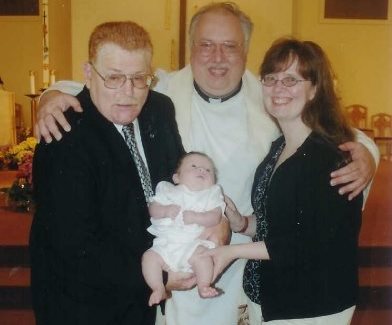
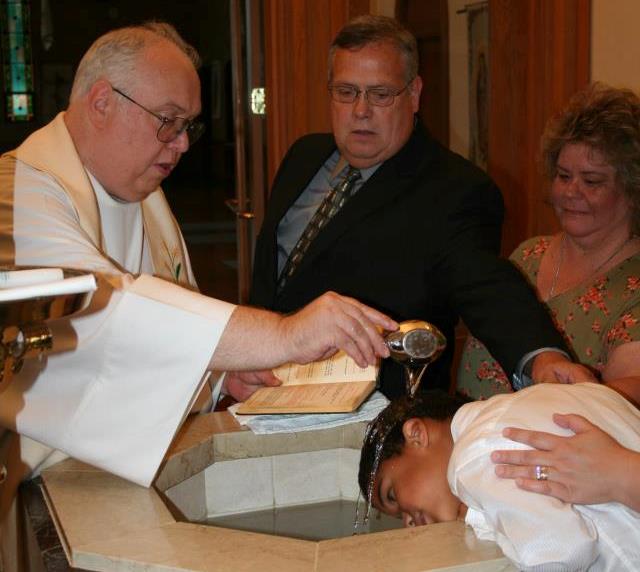
baptism-clipart-with-bkgrnd

Questions from Dina:

Why does it make sense to baptize a child who doesn’t know what is happening, or what about forced baptism over the centuries? Why does either have an effect? In one case the baby knows nothing and int he other you have an unwilling “convert” who wants nothing to do with the Catholic faith?  Thanks!

Response from Father Joe:

We do not force baptisms upon adults. Missionaries often endured great hardships and even suffered martyrdom in bringing the faith to others around the world. Unwilling converts cannot be validly baptized or received into the Church. This has always been the case. The situation with children depends upon several points:

1. The apostolic and patristic tradition of baptizing whole households, including the children of believers.

2. While a child has not yet reached the age of reason, parents may profess faith on behalf of a child with the expectation that they will raise the child in the faith and insure the sacraments of penance, holy communion and confirmation. There are three sacraments of initiation, not one: BAPTISM, EUCHARIST, and CONFIRMATION. At confirmation that person will make for himself the profession and promises made by parents at baptism.

3. The Church is the sacrament of salvation. Catholics are called both to a CORPORATE faith in Jesus as well as a PERSONAL one. This corporate element, linked to the communion of the saints, is why parents can profess faith for a child. We do not come to the Lord alone.

4. After the age of reason, an unbaptized child must take catechesis and make the baptismal promises himself.

5. The sacraments, including baptism, do what they are intended to do. They were instituted by Christ for his Church.

6. Baptism is more than an acknowledgment or affirmation of saving faith, it accomplished the following:

  • Makes one a temple of the Holy Spirit;
  • Accesses sanctifying grace;
  • Conforms a person to the likeness of Christ;
  • Washes away sin (original sin);
  • A person is spiritually adopted as a son or daughter of our heavenly Father;
  • Incorporates us into the Catholic Church;
  • We become a Christian; and
  • We enter the doorway to the sacramental life.


Can a Catholic Witness at a Gay Marriage?

CHARLES:

I’m in a dilemma and need some guidance. I have a friend whom I’ve known practically my whole life. He is more of a brother to me than my actual brothers. He is gay, and I do accept that, even if I don’t necessarily agree with it. Anyway, we live in a state where same sex marriage is legal and he and his partner have decided to go to the court house to “make it legal.” He has asked me (as his best friend) to be his witness at the ceremony. If I support my friend, is it a sin? He really does not have anyone else in his life other than his partner and me. I do want to help him. Thank you.

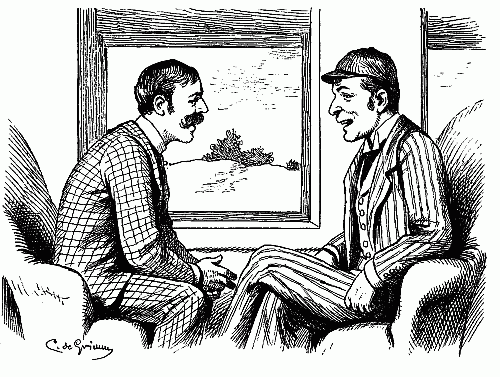
two-men-one-in-checkered-suit-other-in-striped-suit-and-cap-having-heart-to-heart-talk-pen-ink-drawing

FATHER JOE:

A sense of brotherhood is a special gift of friendship and this is commendable. But given that the Church does not recognize same-sex unions, it would be difficult for you to take an active part in the ceremony without compromising yourself. The very nature of a witness is to signify that a true marriage did indeed take place. Catholics would struggle with several points of the scenario you mention:

1. While a Catholic could witness to a heterosexual marriage between two non-Catholics (not married before) before a civil magistrate; it would be problematical if there is a prior bond or if one or both are Catholics. (Catholics must be married before a priest or deacon).

2. The Church would not recognize a same-sex marriage as valid. Does it give scandal if a Catholic witnesses something which the Church would judge as invalid and sinful?

I suspect it is point two that brings you to ask the question here. Is there a way to let your friend know that you love him even if you cannot publicly affirm his lifestyle and bond? Would he judge that as a personal renunciation? Could you explain that you have wrestled with the issue and feel that it would call into question certain moral values of your own?

There is probably no good answer.  The best response might be to say, that as much as you would like to do so, you are unable to participate.  Certainly you would not want to be hurtful. But evidently you are a practicing Catholic and this might give public scandal (giving recognition) and/or be interpreted as formal dissent from Church teaching.