This statement is taken from the SSPX Profession of Faith . . .

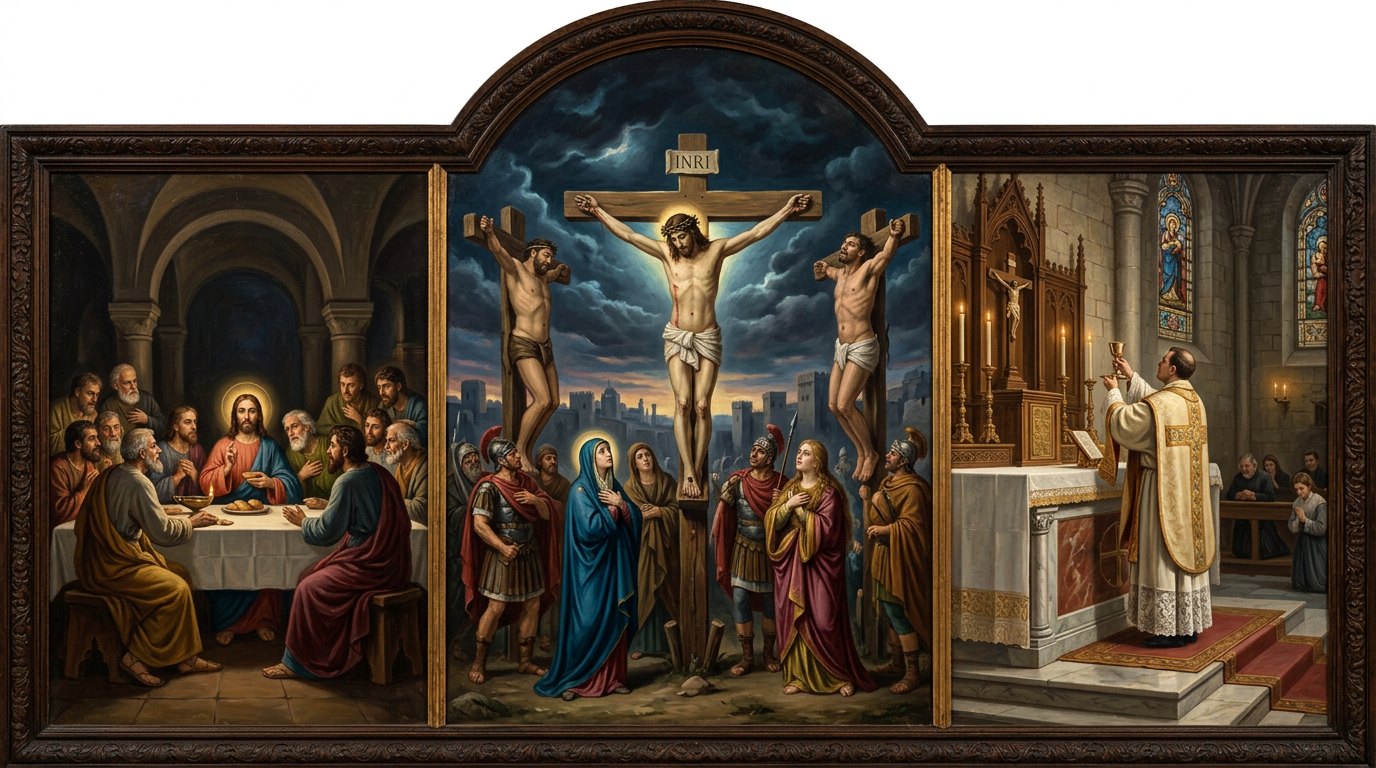
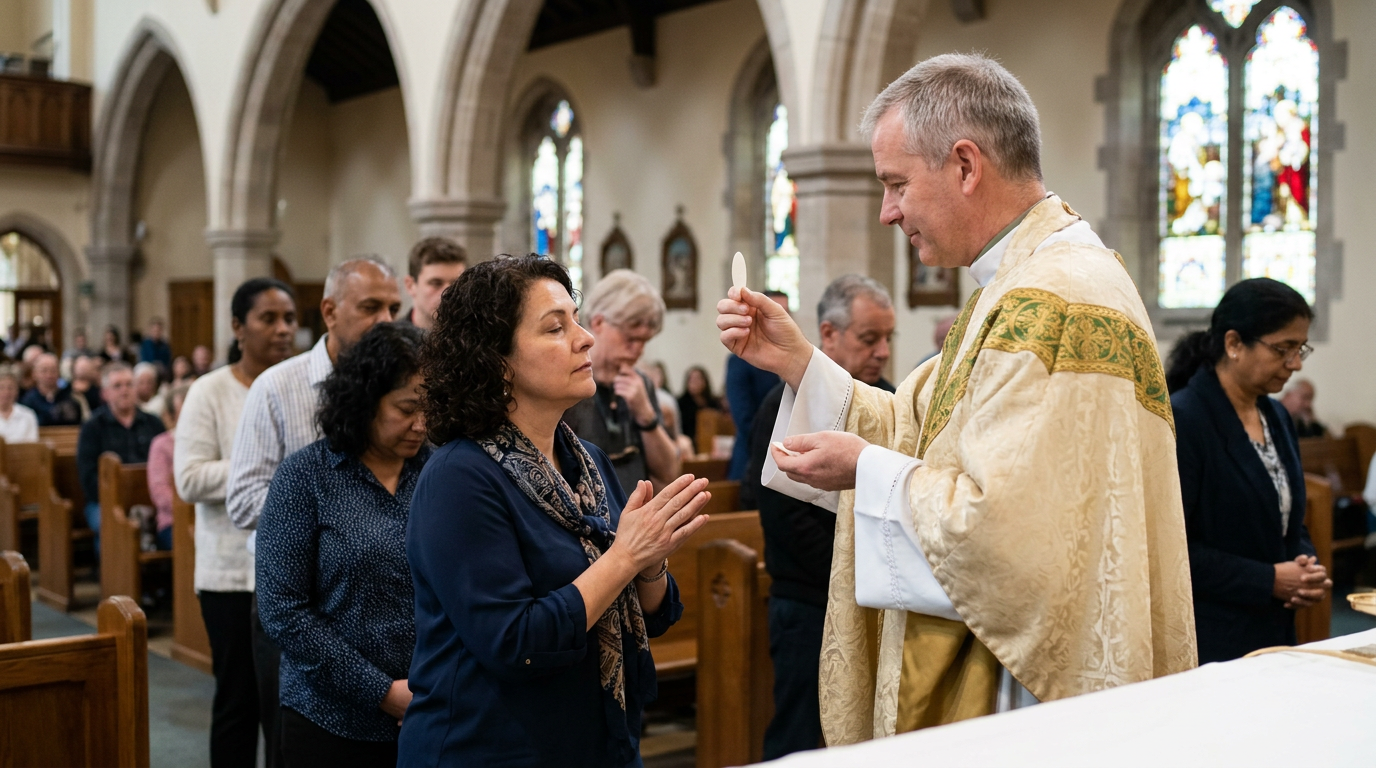
Here we begin to see a problem with the SSPX stance. What is said about the Eucharist as the substantial presence of the complete risen Christ is true. It is what we believe. But then there is a not-so-subtle opinion, more subjective than measured by immutable doctrine. The SSPX rejects the reformed liturgy as a “practice which weakens faith in the Real Presence, the respect due to the Eucharist,” and “trivializes Holy Communion.” The SSPX statement even makes liturgical architecture into a matter of faith, given what they define as the “sacred character of the sanctuary.” As a priest aware of the sacred beauty of the Tridentine Mass, I can attest disagreement to their negative assessment against the Missal of Paul VI. The reformed liturgy cannot be defined by abuses in its administration. No matter whether the priest faces away (East) or in the direction of the people, he is still facing and offering his ministrations at the altar. Certain cathedral churches with central altars, always had people behind and in front and on the sides or the celebrant. The priest raises his eyes to heaven and that is where we should set our sights. While communion on the tongue is normative, for the first thousand years the preferred manner was in the hand. Either option is permitted today. It is preferred that tabernacles be central to the worship space, but even if this is not so, the real presence of Christ is still honored. Indeed, in such cases the gravity given the altar of sacrifice is highlighted in terms of worship. It is okay that SSPX members prefer the older forms. However, it is wrong that they would condemn and force the rest of the Church to abandon the reformed liturgy. I would argue fidelity about essentials and freedom about accidentals. They would interpret their 600,000 lay worshipers as the faithful remnant against the one-and-a-half billion Catholics in juridical union with the Holy See. They would insist that their rebellious two serving bishops should be able to dictate to the 5,600 faithful bishops of the Catholic Church who are one with the Pope. No way— it will never happen. No matter whether they appreciate it or not, they malign our legitimate pastors, the faith of our people and the presence and activity of Christ in our reformed sacraments. Their own profession of faith will come back to condemn them.
Filed under: Uncategorized | Tagged: Bible, christianity, Eucharist, Faith, Jesus, Mass, missal-of-paul-vi, sspx | Leave a comment »