










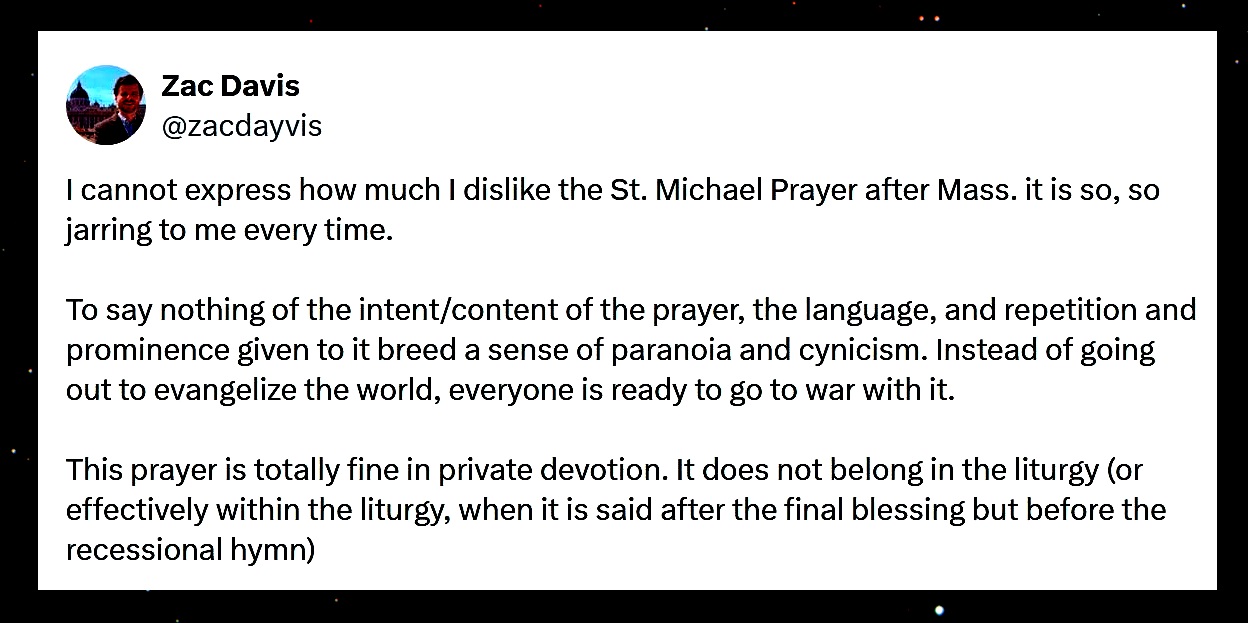
Zac Davis, the associate editor at America Magazine writes:
(1) Does the Devil Exist & If So What or Who Is He?
How can a man of Zac Davis’s learning and standing write something so incredibly dismissive of what may be the greatest deliverance prayer of the Church? His progressive dissent on LGBTQ issues aside, does he not believe in the existence of spiritual beings, good and demonic? This question is not entirely rhetorical because certain theologians deny the existence of angels and devils, arguing instead that they are metaphors or vague forces but not personal powers and principalities. This is crucial because the devil would prefer us to believe that he does not exist. It makes it easier for him to hide. The devil is a spiritual roach, nesting in the dark cracks of the world, shunning the light.
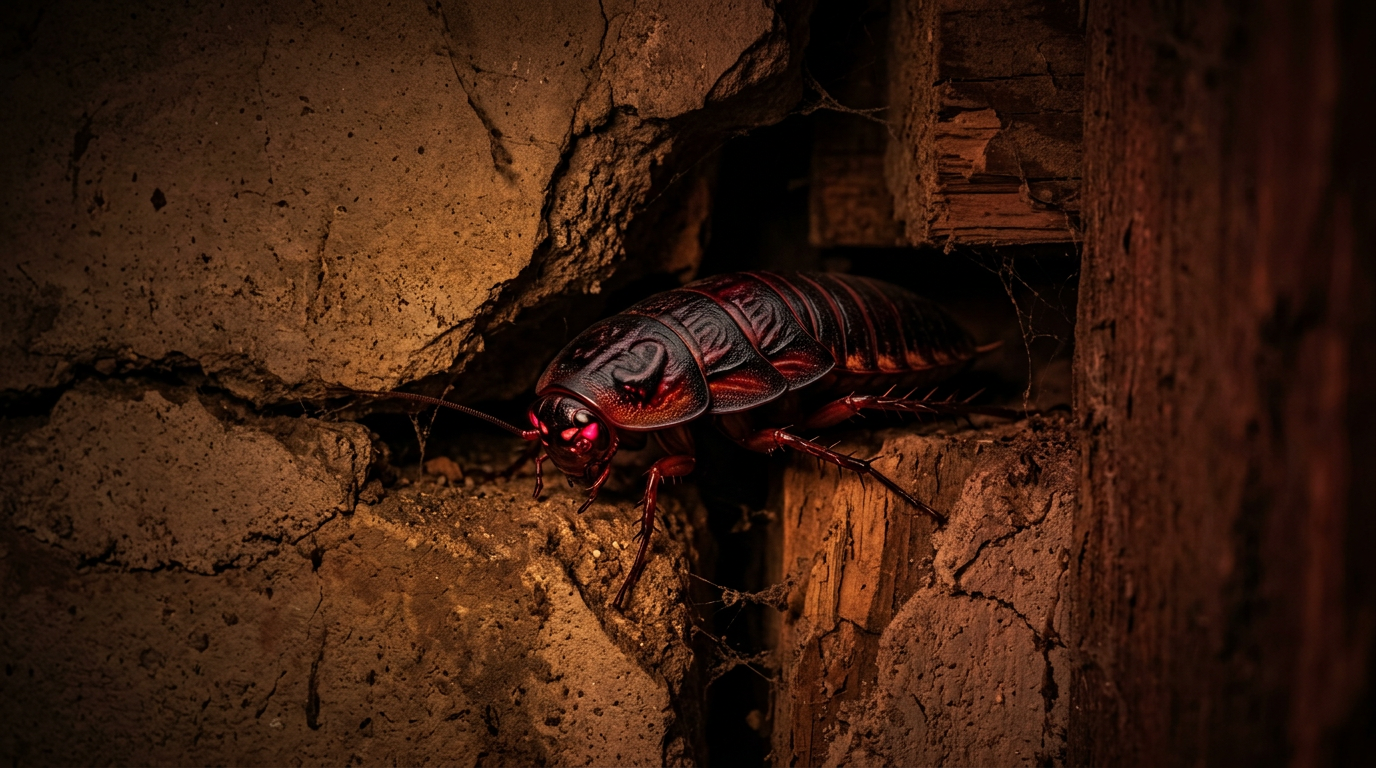
Davis would contend that the “concept” of a devil might have a helpful function in terms of regular “spiritual discernment,” but he would brush aside the notion of any literal “warfare.” Rather than speaking at length about a personal devil, he writes about temptation and the “spirit of the world.” Distancing himself from the artistic renditions of Satan as a horned devil, he would suggest imaging the devil as “a deceptive force” or compulsion not to be one’s true self.
(2) Is Not the Church Militant Called to Spiritual Warfare?
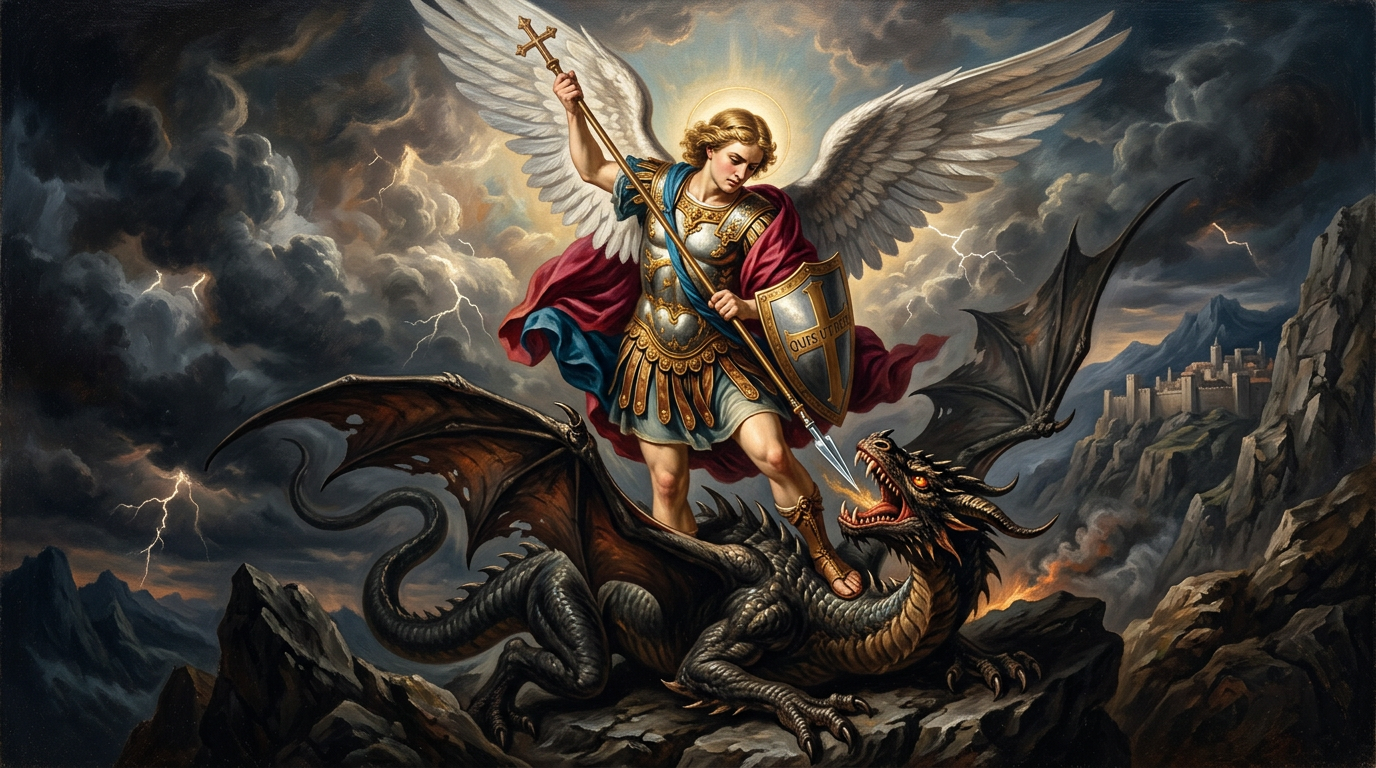
Despite what he says about the prayer being acceptable for private devotion, it is not an oration you would ever hear from his lips. His comment here is utterly disingenuous. Let it be clear, his objection to the Prayer of St. Michael is not just when it is associated with Mass, but at any time or place. As in his quote, he views spiritual warfare as breeding a sense of “paranoia and cynicism.” He says that we should be looking for good in the world instead of seeking where to wage war. This seems incredibly naïve in my estimation. We do not have to go looking for evil, it quickly comes looking for us. He would have us go into spiritual battle unarmed and with eyes closed. Despite his analysis, the Prayer to St. Michael does not imply absolute antagonism between the Church and the world. Instead, like the surgeon who removes cancer to save a patient, the Church would seek to save the world by divulging the devil’s hiding places and purging him from his nests. Spiritual warfare is not contradictory to John 3:17, where we are taught, “For God did not send his Son into the world to condemn the world, but that the world might be saved through him.” We may be Christ’s Pilgrim Church, but we also remain the earthly Church Militant. The Church is our spiritual oasis and our headquarters in a war with powers seen and unseen. We call upon St. Michael, a general in God’s forces, and yet, as in Jeremiah 20:10-13, the LORD is our Great Champion. If God is on our side then whom shall we fear?
(3) Is the Prayer to St. Michael a Liturgical Prayer or Not?
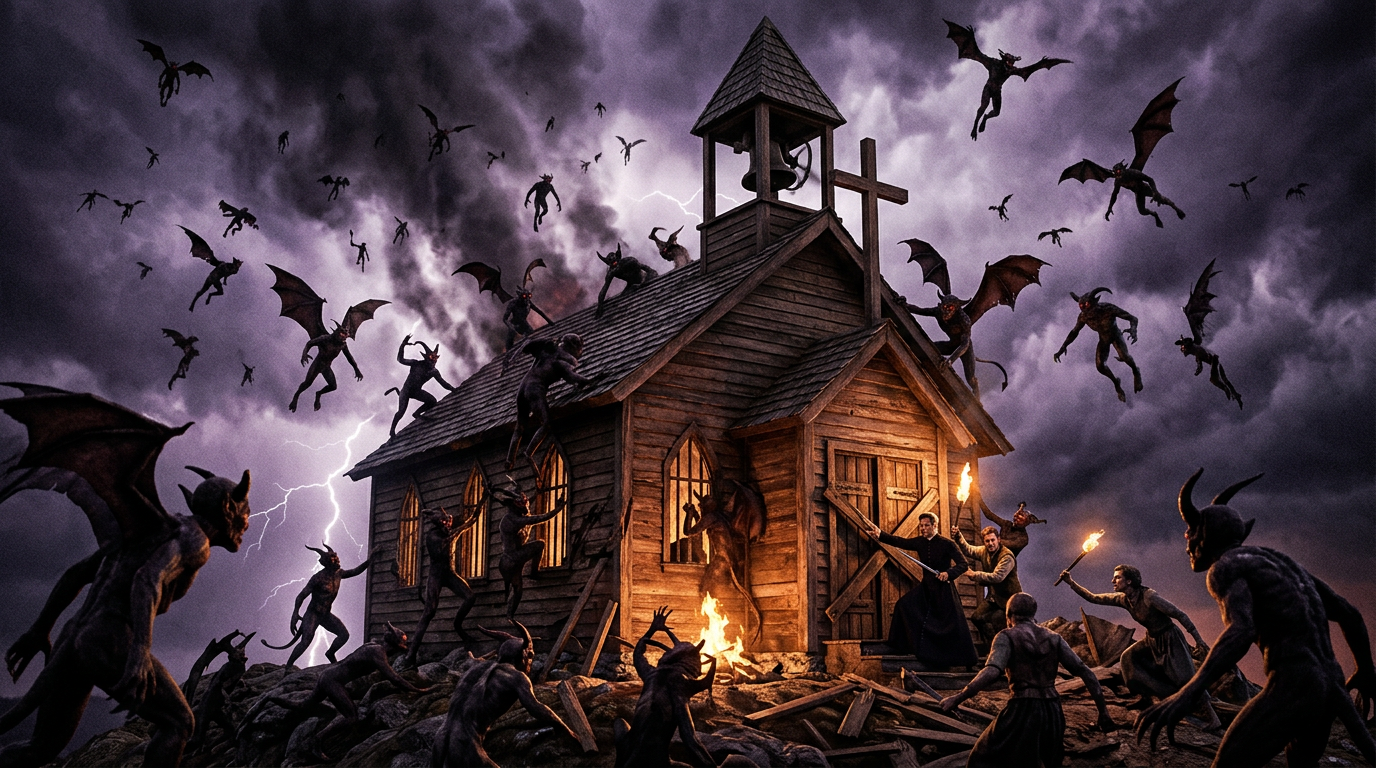
While the critic argues that the Prayer to St. Michael does not belong to the liturgy, those who know the history of the prayer could argue otherwise. After having a terrifying vision of demons swarming to attack the Church, Pope Leo XIII in 1886 mandated the Prayer to Saint Michael at the end of the Catholic Low Mass. It was composed precisely as a prayer to be said by congregants at the end of liturgy. It remained an element of the Mass until 1965 when it was discontinued as part of the Vatican II reforms. Its reintroduction today is not a capricious act by believers but came at the behest of the late Pope John Paul II.
(4) Does the Prayer Target the World or the Church?
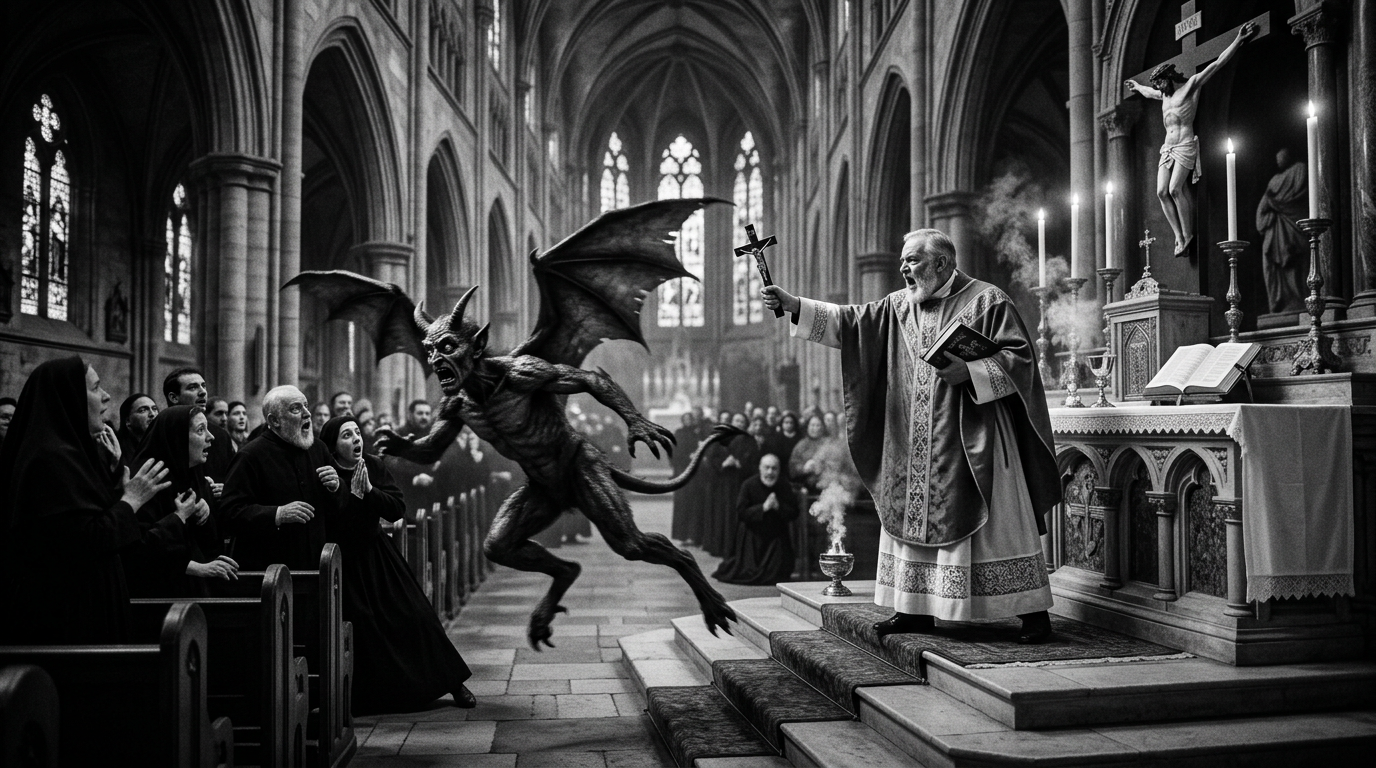
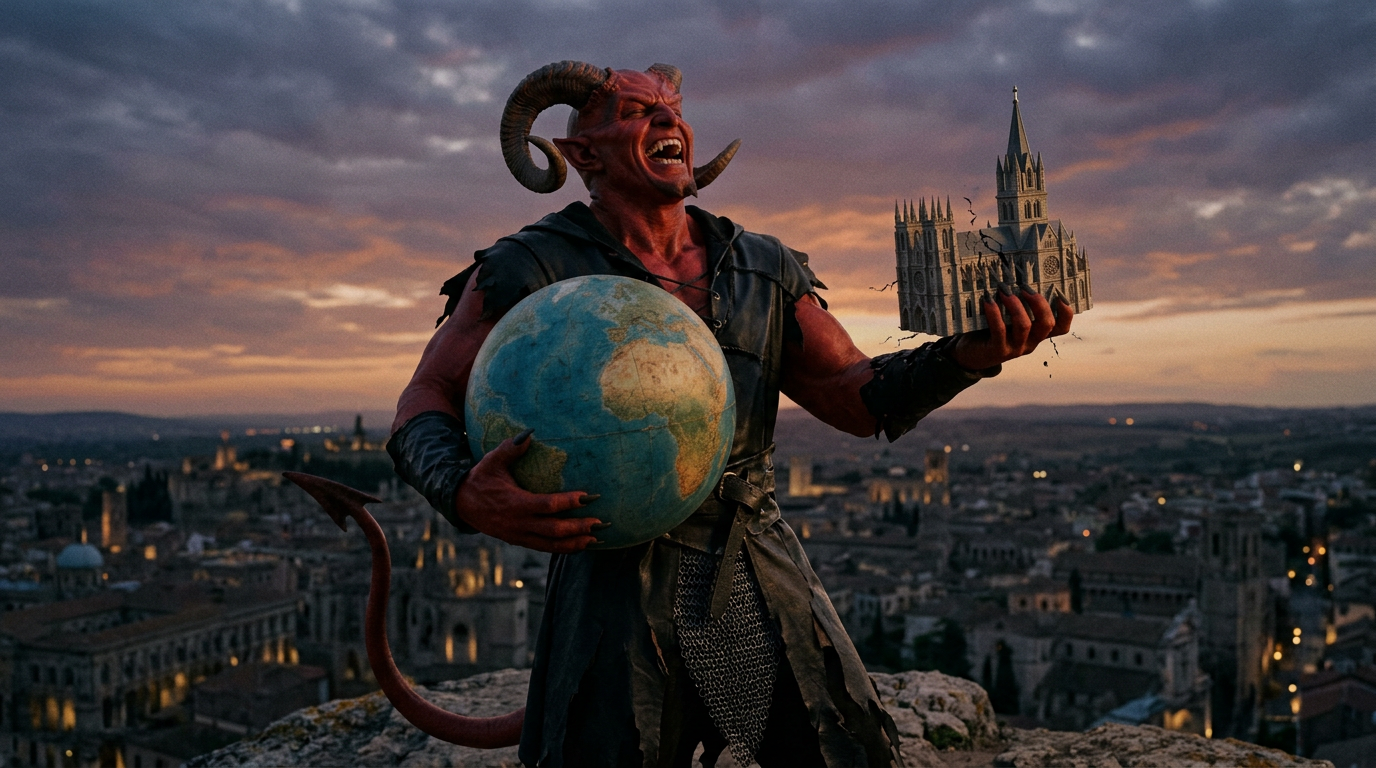
Pope Leo XIII received a private revelation that the devil would be permitted a time of testing where he would numb consciences to the truths of faith and morality. Thus, it is, that today we have Catholics who make a mockery of faith and cannot distinguish between right and wrong. Many who supposedly share our faith, never go to Mass, celebrate the deadly sins, and jubilantly enable the infanticide or abortion of children nine months in the womb, ready to be born. They are spiritual victims of this infestation. Remember that even Pope Paul VI lamented, “from some fissure, the smoke of Satan has entered the temple of God.” Pope John Paul II knew that the deliverance prayer annoyed those in our midst who were under demonic oppression. We cannot proclaim the Gospel of Life if we succumb to a culture of death. The oration to St. Michael invokes both angelic and divine power to shield us and to work as a bulwark against demonic oppression. The devil would cloud minds from the truth and harden hearts to real love and compassion. This critic says it places us into an adversarial position against the world. This is not the true focus. The prayer targets the Church. We cannot be sent out on mission to bring Christ’s light if we are compromised by the darkness.
(5) Is the Recitation of the Prayer Outside Liturgical Norms?
Davis writes that the Prayer to St. Michael “does not belong in the liturgy.” If we were to restrict ourselves to the current liturgical rubrics, then what he says is correct. Indeed, he cites it as a violation when recited “after the final blessing but before the recessional hymn.” Believe it or not, many bishops agree with his stance and as priests we have been told that we are not to initiate the prayer at any time during the Mass. However, the animus that Davis has for the prayer carries him away into absurdity. Let me explain. There is a loophole in that lay congregants can say the prayer just as they might say a rosary immediately following Mass. Many of us as pastors have coordinated the effort with our flocks prior to the service. We get parishioners to lead the prayer. Prayer cards are passed out. Our good people are not blind. Given the scandals with clergy and liturgical abuses, Mass-goers want to say this deliverance prayer. As for the closing or recessional hymn, the critic has spoken either from ignorance or prejudice. It is entirely inconsequential because the Roman Rite (including the Novus Ordo) has no closing or recessional hymn. We add it on Sundays and omit it on weekdays as entirely a matter of custom. The Mass ends with the words of dismissal recited by the priest or deacon. And the liturgists are correct, at that point he shuts his mouth. But the congregation is entirely free to recite the Prayer to St. Michael, share the Rosary, or sing a closing hymn.
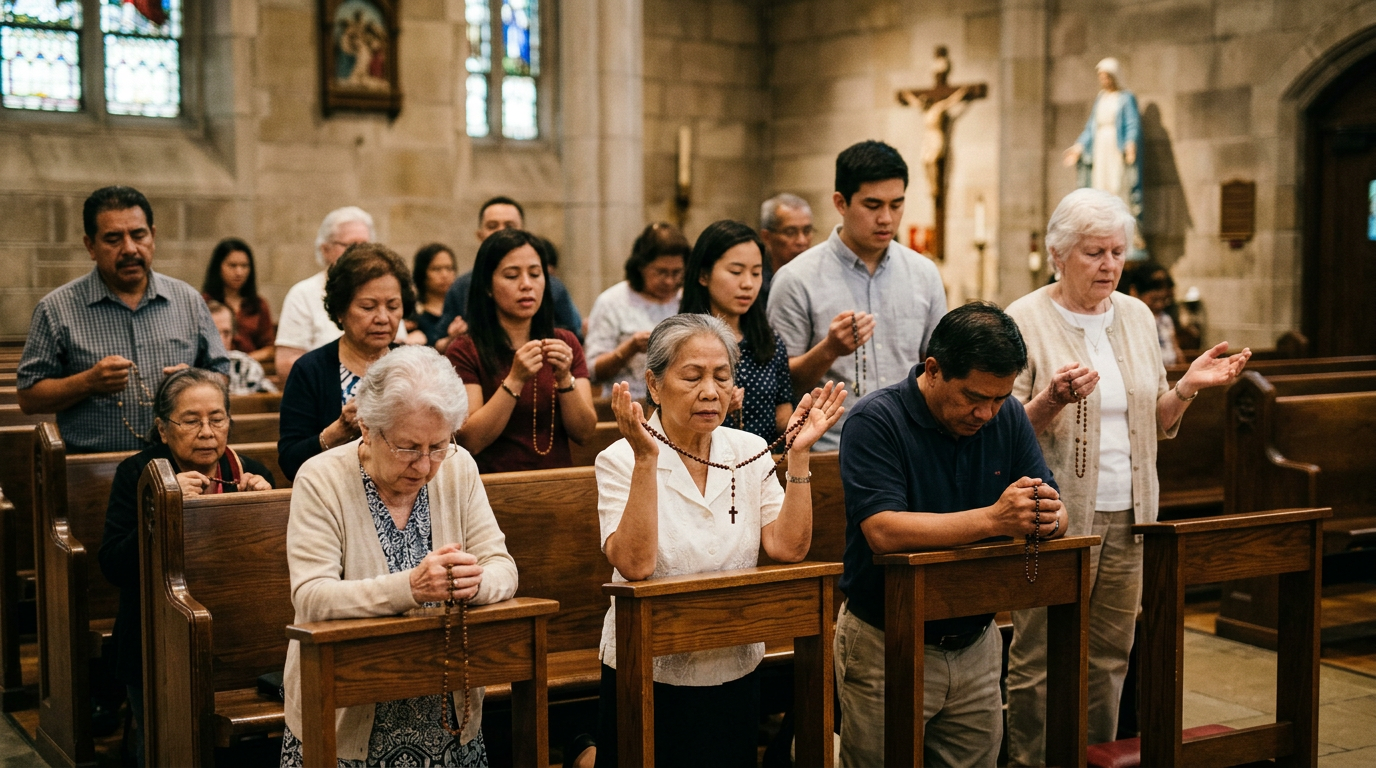
As for why anyone might oppose this prayer, I would continue with a reading from John’s Gospel:
“And this is the verdict, that the light came into the world, but people preferred darkness to light, because their works were evil. For everyone who does wicked things hates the light and does not come toward the light, so that his works might not be exposed. But whoever lives the truth comes to the light, so that his works may be clearly seen as done in God” (John 3:19-21).
Filed under: Uncategorized | Tagged: Angels, Bible, christianity, Devil, Faith, Jesus, Prayer, satan, spiritual-warfare, st-michael |











Zac Davis, the associate editor at America Magazine writes:
“I cannot express how much I dislike the St. Michael Prayer after Mass. It is so, so jarring to me every time.” He continues, “to say nothing of the intent/content of the prayer, the language, and repetition and prominence given to it.” He argues that it breeds “a sense of paranoia and cynicism.” He laments, “Instead of going out to evangelize the world, everyone is ready to go to war with it. This prayer is totally fine in private devotion. It does not belong in the liturgy (or effectively within the liturgy, when it is said after the final blessing but before the recessional hymn).”