
















 Given the new pastoral provision for Anglicans who desire to join the Catholic Church, there is a revised focus upon the question of priesthood and celibacy. Episcopalian priests will be ordained (absolutely, if not conditionally) and this will include those who are married men. While bishops must be celibate, some of the married priests (former Episcopalian bishops) will be given authority much like that given abbots of religious houses. Further, while future aspirants from their ranks would be asked to embrace celibacy; it has been assured that the Pope could make exceptions for their seminarians on an individual basis and that he would be generous in doing so. Okay, there is the rub. It seems to some conservative critics, that an accommodation is being given these “new” Catholics which continues to be denied to those with long-standing and family ties to Roman Catholicism. Intellectually, many of us are pleased and excited that there is this reciprocal motion: their movement in faith toward Catholic unity and the Church’s willingness to take them into the fold. Of course, we are not merely creatures of intellect; but, like all people, in possession of emotions and passion. That is one of the reasons that few dioceses, if any, would ever assign a celibate priest to live in the same household with a married clergyman and his family. Celibacy is a sacrifice where a man can know joy and a single-hearted love of God. Nevertheless, the sacrifice is real and like the Cross, it can be painful at times. Many good men have had their heart-strings pulled and yet they remained faithful to their promises. They made distance when necessary and cried their tears in silence. As we make room in the Western Church for married priests, we must be mindful of these wounded celibate men. I would not say that we should feel sorry for them, although I am often tempted to feel such for married men who suffer with the tension between their family needs and ministerial commitments. I suppose in that sense we could say that married priests are also wounded healers. How could any man be “another Christ” to his people if he has not embraced our Lord’s Cross? There is a mystery here: the man commissioned to heal and to bring Christ’s mercy to others must himself be like a bread broken and a cup poured out.
Filed under: Catholic, Celibacy, Marriage, Priests | 1 Comment »
 Vatican II is often made a scapegoat for the many problems facing the Church. Certain traditionalists will deride priests ordained after the liturgical changes and condemn them as a class— of incompetence, heresy and a lack of fidelity. While such charges are quite unfair, as the original Modernists were ordained before the changes and celebrated the Tridentine Mass, it must be said that Satan and a secular modernity has targeted the priesthood, today. Concurring with the assessment of Pope Benedict XVI, we lament the scandals and the many ways that the desired fruits of Vatican II failed to materialize. There is hope in the new crop of vocations. The grace of God is manifesting itself, after years of turmoil. Truth is returning where a nebulous spirit of the council was often allowed to supplant what was intended by the council fathers. Those who would argue that both the tree and the fruit were rotten must face the fact of corrective truths espoused by Vatican II and imbedded in many conciliar and post-conciliar documents. Oddly they are sometimes ignored by both revisionists and traditionalists. Regarding the priesthood and its importance, we read: “The Council is fully aware that the desired renewal of the Church depends in great part upon a priestly ministry animated by the spirit of Christ” (Optatam Totius 1). This was true then, before and now. Our ministry is not our own. Christ must be alive, present and active in his ministers.
 Why is it that some fault the Church and priests like me for intolerance? Certainly, I believe in the ecumenical outreach of the faith to those of other denominations and religions, albeit narrowly defined in terms of peaceful co-existence and cooperation for a society that prizes justice and charity. I do not believe in religious indifferentism. It is my hope and most heartfelt desire that all the world might be Catholic and that everyone might have a saving relationship with Jesus Christ. It is about this that some make loud objection. But our Lord acknowledges that he is the Way and the Truth and the Life. He alone is the immaculate sin-offering that makes atonement for all the transgressions of the world. There is but one Redeemer and true Mediator and his name is Jesus Christ. There is no greater name, no other saving name. The Word that I have been commissioned to preach to the world is very clear; “there is no salvation in anyone else; for there is no other name in the whole world given to men by which we are to be saved” (Acts 4:12).
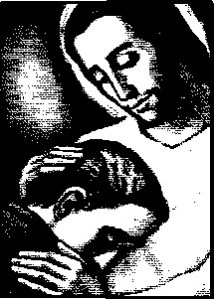 There are friends and then there are friends. What do I mean? The fair weather friend hangs near when days are happy and life is easy; but when troubles come and life is hard, he or she is nowhere to be found. Look at how Christ’s apostles ran away and Peter denied him. Fortunately, they would know remorse and the spirit of the Risen Christ would heal their betrayal and give them courage in the days ahead to follow in his footsteps, even embracing exile and martyrdom. What kind of friend are we to others and to Jesus? Are we a Christian only when it is convenient? Do we make sacrifices for others and to witness the truth of the Gospel? Some collect and deliver clothing and food to the poor. Believers work in soup kitchens and shelters. They visit the sick and elderly in hospitals, nursing homes and among the shut-ins. They tutor young people and assist with those having learning challenges. They volunteer for the Special Olympics and summer camps for the physically challenged. They march for the unborn. They try to make a difference.
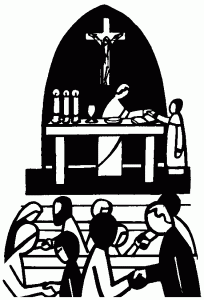 When I look at the depth of Catholic faith, I wonder why anyone would ever look anywhere else. Everything we need for spiritual meaning and salvation is here. Nevertheless, some inquirers dismiss the Church and others walk away. Speaking for myself, I would not want to forfeit the Eucharistic sacrifice or presence for anything. Why is it then that so many abandon or refuse to come home to the Catholic Church? I think the answer has to do with people wanting to feel wanted and the consolation that comes with close fellowship and the acceptance of others. Catholicism is a ritualistic church. Like the Jews before us, we have our traditions, priesthood, cultic oblation, and authority. We have formulas for everything. We dip our fingers into the water fount, we genuflect, we sit quietly, we cross ourselves, we pound our chests, we touch our foreheads, lips and hearts, we say, “Amen,” “And with your Spirit,” and offer a hand with the words, “Peace be with you.” There is no unnecessary talking in church. We do our duty, try not to snore during the homily, are careful not to drop the wafer and then head out the door. The first one to get to his or her car and start the engine wins. At least, this is what we imply by our mad race to the door.
 The demonic will lie to us, offering a feigned friendship and understanding. Evil is all about seduction, not about well-being and advancement. What is the darkness really saying behind the duplicity and rhetoric?
 Going back to our childhood, there were people to whom we looked up. Our heroes inspired and move us. We hoped to be like them. We trusted them and they had a significant impact upon our lives. Unfortunately, heroes also frequently fall from the pedestals upon which we place them. Indeed, we often exaggerate their qualities and achievements, making their falls from grace all the more devastating. The truth is not always well served in hero worship. Men and women are bound to fail us. A boy might think that his father is the strongest man in the world; as he grows up, he is forced to realize that even the best of fathers are still mortal men dealing with sinfulness and weakness. The same can be said about our spiritual fathers or priests. It is only Christ who will never fail us.
 Years ago I knew a young man who battled drugs and alcohol. After getting into some trouble and a car accident, he entered a treatment program. He met a nice girl and he seemed to vastly improve. However, he had merely transferred his dependency from dangerous substances to her. An immature personality, he was unable to postpone the objects of his desires and pleasures. He could not save money and moved too quickly with the romantic relationship. Within short order they were having sexual intimacy and he was urging her to cohabitate with him. The girl became increasingly resentful of his dependence upon her and lack of self- control. While she was fond of him, it was questionable what he brought to the table of their relationship. Everything revolved around what he wanted and his needs. He isolated her from family and friends, being intensely jealous. His possessiveness was threatening to suffocate her. They became engaged and she was at odds as to what to do. She felt responsible for him. His relationship with her had become his chief source of security and what gave his life meaning. His sense of being grounded was attached to her and he acted as if he owned her, sometimes speaking and acting violently when he did not get his way. She tried to bear the situation but matters grew worse. Every time things seemed to get better there would be a relapse. His immediate family and friends would take his side and became enablers for his irresponsibility and problems. They regarded his girlfriend as a means to keep him in check, regardless of what it might personally cost the young woman. When she tried to exert herself, he would become moody and depressed. Eventually matters reached a breaking point and she terminated the engagement. It was probably the most loving thing she could do. He was not ready for what they might have together. He had to face his issues instead of using their relationship to compensate for them.


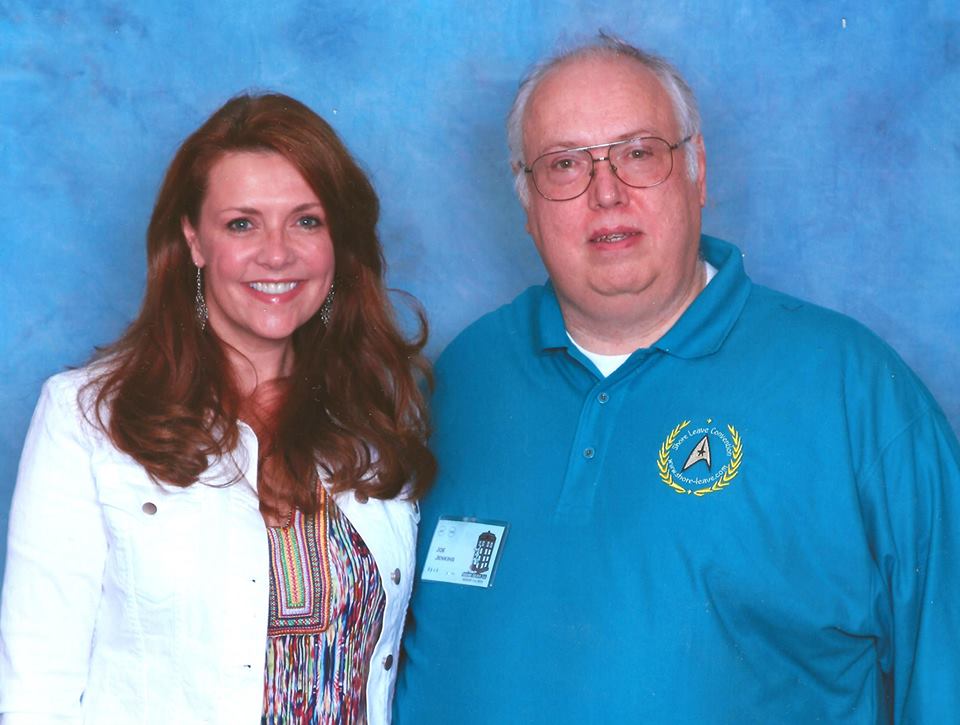












 Blogger Priest