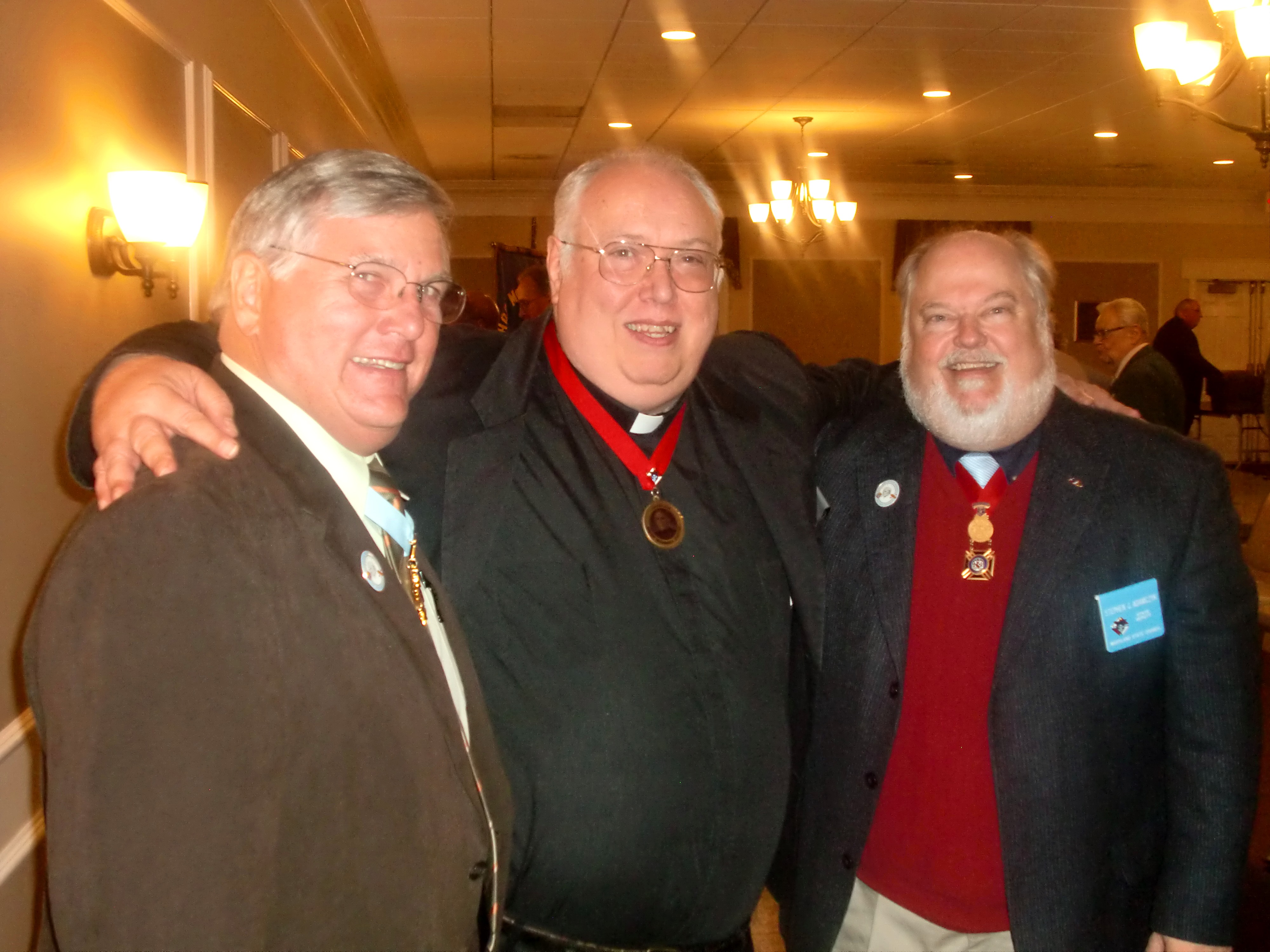
• Our Blogger

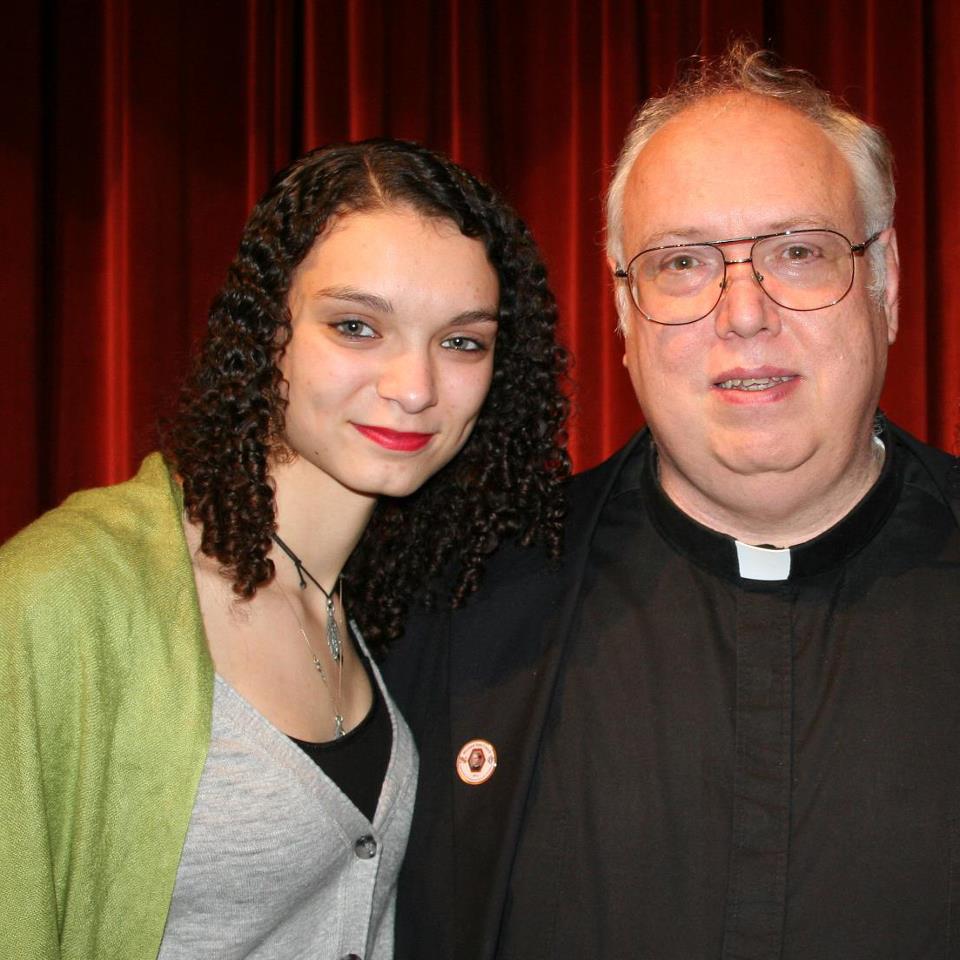
    Fr. Joseph Jenkins

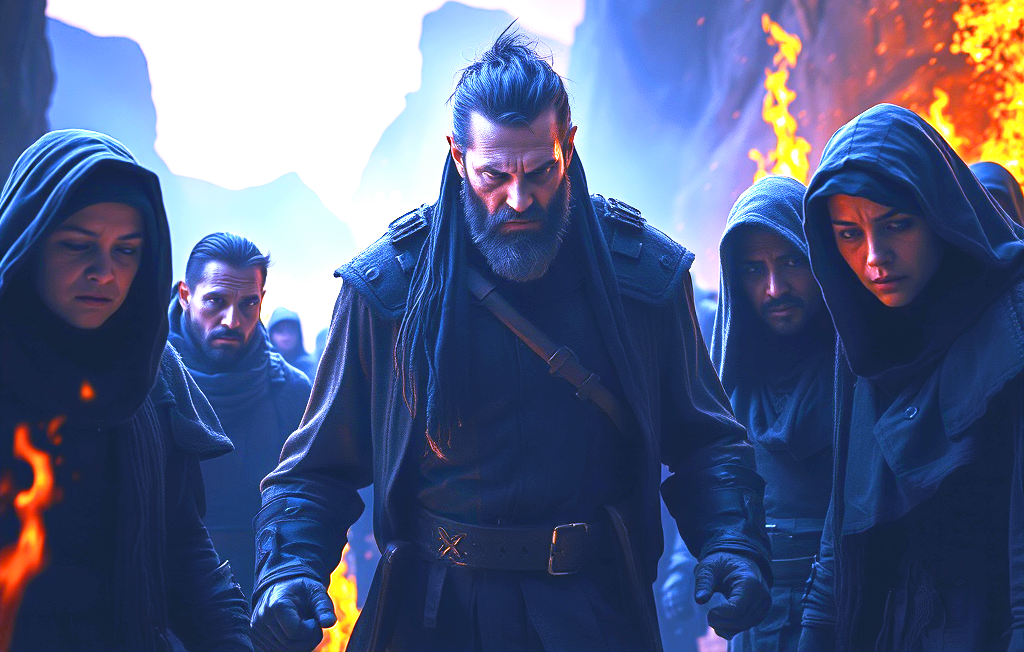
  • The blog header depicts an important and yet mis-understood New Testament scene, Jesus flogging the money-changers out of the temple. I selected it because the faith that gives us consolation can also make us very uncomfortable. Both Divine Mercy and Divine Justice meet in Jesus. Priests are ministers of reconciliation, but never at the cost of truth. In or out of season, we must be courageous in preaching and living out the Gospel of Life. The title of my blog is a play on words, not Flogger Priest but Blogger Priest.

  • Archives

  • Categories

  • Recent Posts

  • Recent Comments

    Barbara King's avatarBarbara King on Ask a Priest
    Ben Kirk's avatarBen Kirk on Ask a Priest
    Jeremy Kok's avatarJeremy Kok on Ask a Priest
    Barbara's avatarBarbara on Ask a Priest
    forsamuraimarket's avatarforsamuraimarket on Ask a Priest

Who is the God that Saves?

Despite clashes in how we envision God, authorities in the Church insist that the Islamic God and the Father God of Jews and Christians is the same. But militants are not convinced. Neither are many Christians. If he were the same God would we not treat each other as brothers and sisters? Unable to directly assault the Christian deity, militants destroy the things and persons connected to him. Churches are bombed and believers who refuse to convert are beheaded. The God of Islamic militants is one of vengeance. The deity of Christians is weighted toward mercy and love. Note the discrepancy in the definition of one who sacrifices his life for the faith. The Muslim would count as a martyr the suicide bomber who dies taking others with him. The Christian martyr is one who has his life taken away from him and dies forgiving his murderers.  This radically different posture points to a divergent understanding of the Lord God. The definition for hell held by the two religions is largely similar although certain Muslims confuse it with purgatory.  

Ten Points About Divine Wrath & Damnation

Today we face not one heresy but a revamped modernism of all heresies. What is our posture toward God and judgment? Here are some important points:

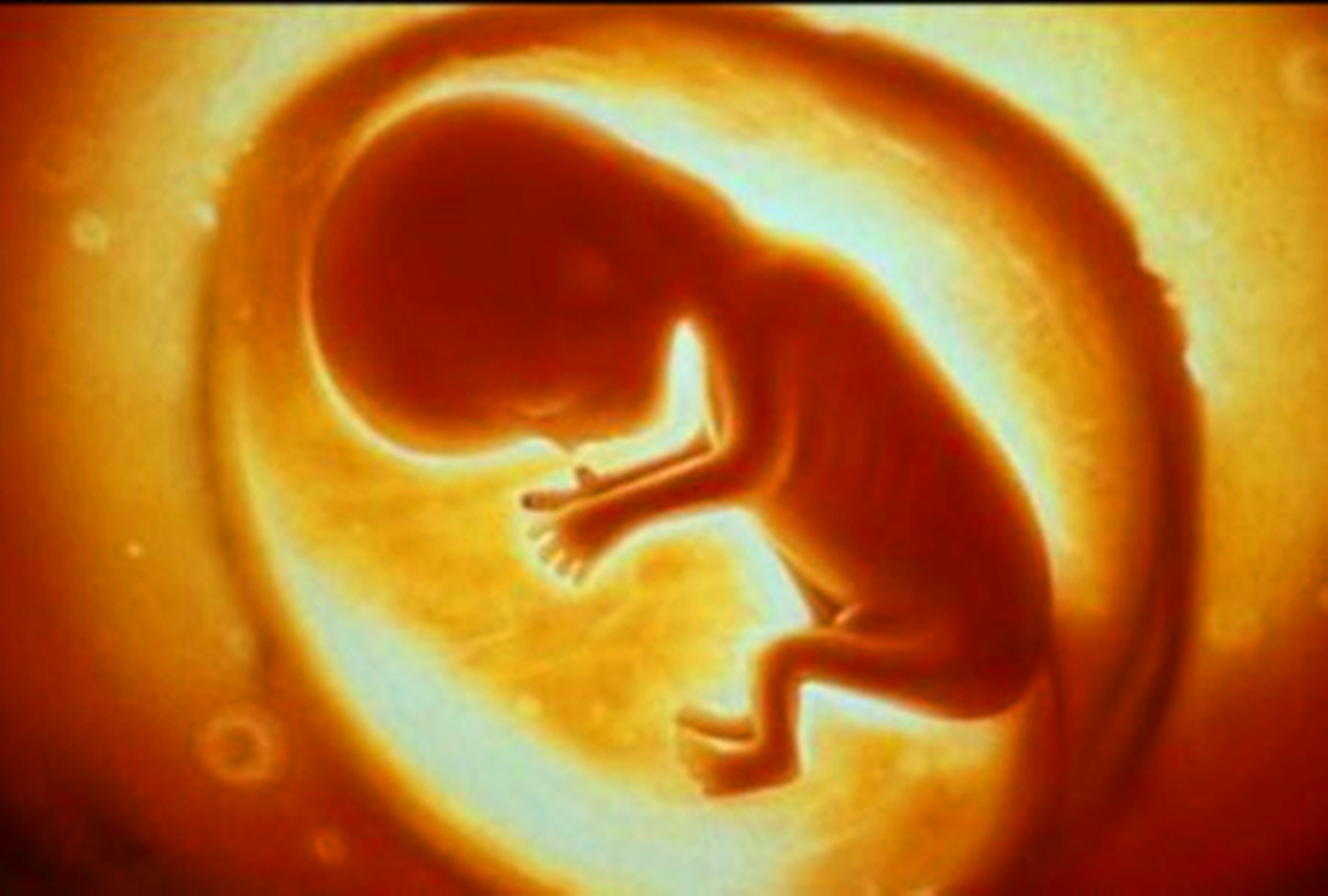
First, one of the gifts given to terrestrial man is that we live in time and not in eternity like the angels.  When the angels rebelled, that was the end of their story.  That moment of decision was forever. As creatures that live within time, God has given us the opportunity to reconsider and to repent so as to believe.  However, this gratuity of being temporal creatures can and will be exhausted.  Starting with our conception in the womb, our days are numbered and no one knows exactly how much time will be given. That is why our Lord preached urgency in embracing and spreading the Gospel. Now is always the appointed time. Some waste the time given them or suppose that they can wait for tomorrow to repent and believe. But tomorrow often never comes. The wicked regularly discover to their dismay that they waited too long and find themselves cast by God into hell.   

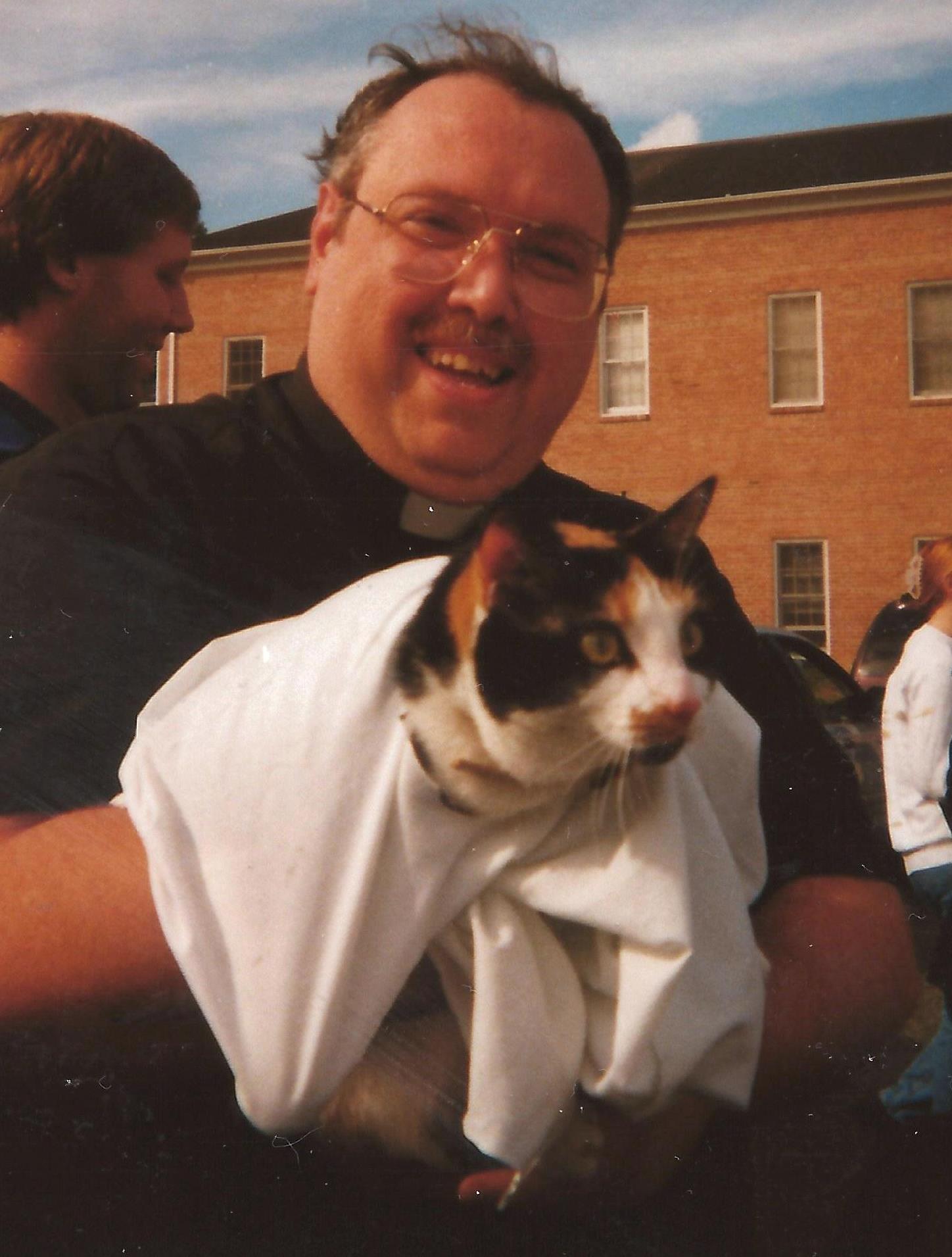
Second, we should neither be presumptuous of our own salvation nor think that Divine Justice is harsh or cruel for others. Unlike human courts, God’s judgment is always true— no mistakes. The damned deserve hell.  They have earned this state for themselves. It is along these lines that we often hear silly questions and arguments. A false sentimentality is wasted on the wicked who consort with demons. They get what they want and deserve. One question that regularly comes up is whether pets like cats and dogs will join us in heaven. In truth I do not know, and often urge questioners to focus upon what “they” must do to get there. Our preoccupation in heaven will not be Spot or Kitty but in honoring and giving glory to almighty God. If it gives some consolation, nothing is lost in God. Those creatures lacking immortal souls will certainly exist as substantial forms or paradigms in the divine mind. Annihilation is against the divine economy. What God has created, he will not uncreate. God sustains his creation from moment to moment.  If he were to forget us, even for an instant, we would cease to be— indeed, we would be entirely subtracted from our time-line. But God never forgets, sustaining saints, angels, the damned and devils.

Third, the deceased are not asleep— some know God’s bounty and others know the curse of hell. The souls of all the dead separate from their corpses and await reconstitution (body and soul). There is some question as to whether this is realized immediately after death or at the consummation and final judgment. Most would argue the latter. The saints of heaven know joy and see God. They dance in the fire of divine love. The souls in purgation are being perfected by this very same flame. The damned are alienated from God and burn from the spark of God’s love that keeps them in existence. It both distracts them from their terrible loss and brings pain to the senses. The dead are aware. They suffer no amnesia. The saints pray for the living and the Church. The damned remain self-preoccupied. The punishment of hell is real. Everything is now fixed with death.  While we might imagine the worst of dictators, murderers and sex fiends in hell, I suspect there are also many average people in hell who were indifferent to the needs of neighbors, neglected divine worship and rejected friendship with Christ.   

Fourth, just as we have living saints among us, we also have the walking dead or those who abide in mortal sin. The prospective damned must struggle against divine grace or help. This is the start of divine wrath or suffering for sin. They have made themselves into nests for demons. They carry hell around with them everywhere they go. They stand convicted by God. They sap the life out of those around them. They use and abuse others, even those who would be friends and family. They might yet be saved through repentance and conversion, but it becomes increasingly unlikely. They make themselves ill-disposed to grace and they reject the Good News. I recall one such abusive man who flippantly said that religion (meaning prayer and Mass attendance) was merely for women and children. There was always a heaviness to being in his presence. One could almost feel the weight of perdition around him. His wife later confirmed it with tales of abuse and how he left her for another woman.   

Fifth, as difficult as the world is, it could be far worse. God restrains the wicked and prevents the full intrusion of hell on earth. Spiritual obsession and possession are real and God permits Satan to exploit his landfall. However, he has given his priests the authority to combat him in the sacraments and in the rites of the Church (like exorcism). If this world shares a “taste” of hell, it is all so that men and women will take the prospect of hell seriously.   

Sixth, proximate happiness and particular pleasures here on earth should not lure us into a false sense of safety or security from damnation. Everything is passing. Universalism is a lie and not everyone will be saved. Failure to keep the commandments and precepts of the Church will have a terrible cost. By contrast, remembering the poor and the oppressed will have the most important positive consequences. Many personal failings will be forgiven those who care and love much.   

Seventh, there is no safe haven for sin and evil.  Hell is not a place where the devil reigns but where evil is segregated from good and imprisoned. Despite their consternation and protest in hell, the one king is not the false light of Lucifer but the Christ who sits at the right hand of the Father. The devil truly has lost everything. The one who regarded himself as the lord of the world could not even retain his dominion over hell.  All are subject to Christ— the saints of heaven in love and the damned of hell in fear and trembling. While on earth, many of the “people of the lie” seem to place little concern in their approaching death? Why is this? Evil itself acts as a narcotic, numbing the wicked to the truth. How can one be anxious about death when one is already spiritually dead in mortal sin? Of course, a few still seem to awaken from their moral slumber and repent before their deaths. The miracle in this is entirely in the mysterious movement of providence and grace. God chases down and snatches certain souls from the grips of the evil one. They might even become great saints. Others languish in the squalor of their iniquity and find themselves forever counted among the unrighteous. God saves whom he wills.  

Eighth, there are some who laugh and joke about their spiritual condition. Many of us have been guilty of this and admittedly it betrays an element of anxiety. What are some of the things said? “Only the good die young so I guess I will be here for a long time to come.” “Why did I not die? Well, heaven did not want me and the devil did not want competition.” We live in the hope of our salvation, but for the grace of God any of us might be lost. None deserve to be saved. It is not something we can merit on our own. It may be that we take solace from having religious or holy friends who think well of us. We hope that their intercession will bring leniency upon us when judgment comes.  While there is value in this, we must still be in a state of grace. We cannot expect the merit of another to make up for our own poverty in grace.  We are a holy nation and ours is a corporate faith; nevertheless, each soul will still be judged on the merit of its faith, obedience and charity. None should think they are utterly safe from the wrath or severe judgment of God.    

Ninth, nothing we do, no matter how courageous and good, will save us if we reject Jesus Christ.  We must be re-made into his likeness. The Father must see his Son in us if we expect a share in his reward. Our merit means nothing apart from Christ and his mystical body, the Church. However, everything is to be gained by allowing the Lord to work and to be seen in us.

This is how you can know the Spirit of God: every spirit that acknowledges Jesus Christ come in the flesh belongs to God, and every spirit that does not acknowledge Jesus does not belong to God. This is the spirit of the antichrist that, as you heard, is to come, but in fact is already in the world. You belong to God, children, and you have conquered them, for the one who is in you is greater than the one who is in the world. They belong to the world; accordingly, their teaching belongs to the world, and the world listens to them. We belong to God, and anyone who knows God listens to us, while anyone who does not belong to God refuses to hear us. This is how we know the spirit of truth and the spirit of deceit (1 John 4:2-6).

Tenth, wrath or divine justice does not mean, as some of the Calvinists believe, that almighty God “hates” sinners. God hates sin but he loves even those children who disobey him and fail to return his love. The fact of this love seems to further embitter the damned against God. This is witnessed again and again in how the ire of the wicked targets the prophets of God, notably Christians who minister in charity and promote peace.

Follow the Leader into Hell  

Good companions do much to form people in what is good. But, how can we convert the bad if we ourselves do not know what constitutes good? Many follow the current of least resistance. Today that is a rushing tide dominated by a secular humanism and bad companions. A Christian society has faced a genuine eclipse or collapse. The cliché has taken hold, “If everybody is doing it, it must be okay!”   Like lemmings jumping off a cliff to their deaths or rushing into the sea to drown, many play a game of follow the leader.  Everyone wants to fit in. Behind the troubles of our times remains a spiritual agency, the devil. Extending from the beginning to the end of time and the consummation, Satan has his hand in the mix.  Whenever there is a vacuum left open by the absence of grace, he quickly infests the space.   

We must ask ourselves, are we interested in what the Lord offers us? Do we really appreciate the gifts he holds out to those who believe in him and love him?  Who or what is the Lord of our life? I wonder if we give sufficient consideration that while we are made in the image of God, we are not God. It is true that our Lord takes our nature in becoming a man, but he remains a divine Person, not human. We are likely too quick to assume we understand his unique psychology.  This is probably most true in our assessment of the Divine Mercy as it relates to the Divine Justice.  The latter in past generations was understood as the Wrath of God.  Within this “wrath” there is nothing of the sin of anger by the same name.  It is not out-of-control or disproportionate to the cause of righteous indignation. Like two shades or colors placed alongside each other in a painting project, it is the vast disparity between what God would have us be and become, compared to the actual truth of our identity and how we think and behave. It is not so much that the changeless God is moved to anger but rather his justice is stirred toward our failure to rightly employ our freedom in becoming saints. God’s providence will be accomplished. However, within this wonderful and terrible mystery, some will cooperate with grace and others will not. A few will know the gift of salvation and many will invite damnation.

The Loss of Belief

When we begin to place our opinions above the teachings of Scripture and the Church, the movement is necessarily away from the true Christ and one God. It is in this sense that modern idolatry is less an alternative theism as it is part of the modern movement toward atheism. If God’s revelation and divine positive law no longer matters, it is only because so few believe. A practical atheism becomes formalized. We have seen this movement in liberal Protestantism— first, rejection of Christ’s priesthood and Eucharist, next, a subjective interpretation of Scripture over the ancient fathers and magisterium, and finally a watered-down religion that turns to an absentee deity not worth worshipping or obeying. God’s word becomes merely literary metaphors without real substance. This allows dissenters to make of Christ anything they like. His identity becomes infinitely pliable and fictional. Lacking the sacraments, he becomes a character sandwiched between the pages of an ancient book that is dismissed by many and worshipped by a superstitious few. The Marxist views Christ within the model of a revolutionary who distrusts the rich and wants to institute an egalitarian society. The radical feminist would negate his incarnational gender and interpret the cross as the empowerment of women in shaking off the yoke of sexist men. It can be very moving, at least until we remember that it is all exaggerated or made up. The Christian kerygma is wrongly reduced to a means toward an ends. However, it should be the other way around. Our objective is to restore all things in Christ.  He must become all in all. He is the ends.  Our approach to God and finding salvation in his kingdom is the goal of life. 

Many would say that the problem is simply our placing human opinions over the dictates of revealed moral law, both divine positive and natural. But the difficulty is far more complex. We are facing not just closed minds but hardened hearts. The Church may complain about the current state of affairs but the stewards of faith and other believers have often been complacent or derelict in passing on our values to the next generation. Why would we expect proper moral behavior or an appreciation for the good, the true and the beautiful, from those ill-formed by ignorance and influences hostile to reality and virtue? Modern art often looks like something that did not survive a car accident. Might this be a tell-tale sign of the ugly semblance we find in souls? A corrupted spirit no longer knows what constitutes beauty. A mind poisoned by lies has lost the ability to discern the truth.  Shepherds of faith compromised by the scandal of sexual abuse, have forfeited their moral authority as teachers. Why listen to them? Many people, not just youth, can no longer even say what is good. Criminals rationalize their crimes, and if there is any reservation, it is not in doing wrong but rather an upset that they got caught.    

Going Where the Cross Leads

The price of the cross makes possible our ticket to heaven. But while the price of the ticket has already been paid for us, we must pick it up at the ticket window, in other words, take up the cross and follow Jesus. We must desire to go where the cross leads. It is not always an easy journey.  Many, maybe most, prefer the easy road, the path of least resistance. They favor the easy slide to the hard climb.   

An important element between heaven and hell, God and self, is the issue of detachment.  The Church has always understood this. That is why religious and priests make vows or promises. Celibacy is not a negation of the corporal affection of spouses, but is a choice to love in a single-hearted and chaste way. Poverty is not a repudiation of wealth and property as bad but rather is a spiritual detachment where Christ is our treasure. Obedience is no effort to impugn freedom and to avoid personal responsibility but rather is a way to surrender to divine providence. Hell is the abode where sinners not only refuse to let go of their favorite sins but also where the goods of a passing world are prized over that which is eternal. There is no bondage in following the law or commandments of God; indeed, it is the road to true freedom.

While the priest has the power to steal a damned soul from perdition in the few seconds it takes to say the absolution, it has likely taken many more minutes, hours and days for a penitent to fall to his knees and to confess. I am not a fan of cheap grace but rather suspect that our contrition and formation in faith is a process that starts, stops and goes again. Along the way there are missteps and way too numerous distractions. The devil hopes to waylay us long enough that time runs out on hope. This is not to say that we must haste in being holy for that would likely be a deception or an empty pantomime. While there is an urgency to repent, to believe and to evangelize; our actual approach to God’s throne must be deliberate and accomplished with patience. It is God’s work, not ours. The movement of sanctification cannot be rushed.  When it comes to our part, we must be attentive to the whisper of God that reaches into the human heart. If there is too much activity and noise then it will be missed. It is here that sacred silence is so very precious and necessary. We must be quiet and we must listen. This is why I have always urged, when possible, a regular holy hour devotion before the Blessed Sacrament. Assorted religious pundits speak about our need to search for God. But this is an inexact and likely a false directive that can lead us in the wrong direction— to a deity of our own fashioning, a narcissistic idol. We must halt the activity and mute the noise.  It is not so much about us finding God; rather, we must remain quiet and still, allowing the Lord to find us. He is the shepherd who goes in search of the lost lamb. Too many of us would give the search to the sheep and not to the shepherd. But apart from him, search as we might, we will always remain lost.

The Good, the True & the Beautiful

Our spiritual nature is drawn to the good, the true and the beautiful. These perfections are found in God. Can we utterly detach ourselves from this nature? Absolute evil as a privation is impossible. It cannot exist. Might the damned in hell still be drawn to some fragment or particular manifestation of this triad.  All creatures as made by God share in something of his goodness, even if they should reject his favor. That includes Satan and wicked men and women. Every human criminal started life as an innocent child.  Truth also retains its binding force, no matter how much it might be denied. It is what it is.  The denial of truth damages us and all around us.  While the damned have lost their righteous beauty in grace, is there not some fragment or fading after-image left behind? Along with the fire of God that keeps the denizens of hell in existence, might the good, the true and the beautiful constitute something of the agony of hell?                    

The Matter of Concupiscence

We can only imagine what it would be like if we did not have to struggle with concupiscence. Sometimes it resembles a kind of schizophrenia or madness. Indeed, it often perplexes us as to how a person can seem so holy and moral and yet struggle with addictions and dark desires. This duality has been explored in Robert Louis Stevenson’s STRANGE CASE OF DR. JEKYLL AND MR. HYDE. While many speak of it as an allegory for good versus evil, in truth, it is not so simplistic. It is true that Hyde signifies the bestial, the lower nature, the part of us about which we are ashamed and seek to keep secret or “hide,” (note his name). But Jekyll is not the paragon of virtue. Rather, he is the ordinary man who earnestly seeks a place in civil society and to act appropriately.  In other words, Jekyll is “every man” struggling to keep rational control and to master his concupiscence.  The impulses he resists, Hyde follows.  The wicked designs he brushes aside as repugnant, Hyde celebrates. The passions he denies, Hyde fully realizes.  Hyde is evidence of what a person would become if human intellect and will were so damaged that no resistance could be mustered against base desires. While we might imagine that Hyde is the most free, such would be untrue. Hyde has lost control and thus his self-dominion and freedom are forfeit. The work is fiction and yet we live in a world populated by Jekyll and Hyde and those in-between. The most libertine parade a freedom that is a sham. They are slaves to their appetites.  Their passions own them instead of the other way around.   

Those who are closer to Hyde than Jeckyll would give greater weight to proximate ends over and against the supreme good and our ultimate end. The rapture of sensual gratification is wrongly preferred to general happiness and the joy of being in right relationship with God.  By contrast, Christian man and woman are called to self-discipline. The directives of Scripture, the moral formation of the Church, the pursuit of virtue over vice and the acquisition of grace are the factors in living our moral discipleship. We are part of the animal kingdom but we are not animals.

I am befuddled as to how all this will translate with perdition. If even the souls of the damned will be given back their bodies, then would this necessarily mean that the animalistic and the craving for sensual gratification would follow them into the afterlife? Is it possible that God would strip away the senses from the flesh, leaving the damned only with memory and imagination about the sensual? Might there be as many hells as there are damned— a colloquium for meaningless intellectual blabberings for some, a gluttonous feast for others and a licentious brothel for many more? I really cannot say. The usual description for hell refers to torment and fire. Maybe the fire or pain to the senses is eternal because what it seeks to cleanse refuses to be purified?  The sins of the flesh are rooted in pride. The question in my mind is what does God allow in hell? Will he permit blasphemous and lewd conduct?  If not, is this inhibition part of the price paid by the fallen? Is it akin to an alcoholic wanting a drink and never being able to have one? The sins of the flesh are readily connected to idolatry or false worship. But the afterlife forces one to see the truth.  I have a hard time imagining the damned and the demons worshipping Satan in an infernal parody of heaven. We might pretend to be God, but men are only weak creatures. The devil may play the part, but there is nothing truly creative about him.  He can only distort and corrupt. While God still loves him, it is not love that binds the damned to one another. What does provide for their union? I suspect it has to do with need and hunger and the divine withdrawal.  

What Had We Not Fallen?

A conundrum arises with the Virgin Mary. As the new Eve, she is preserved from sin and thus would possess the preternatural gifts.  Death is a consequence of sin and yet tradition suggests that at the end of her life in this world, Mary died.  The late Pope John Paul II believed she died to share the pattern of Christ on his Cross. The Eastern churches are so offended by this notion, that they call the Assumption by the title, The Dormition (Falling Asleep) of the Blessed Theotokos (Mother of God). Just as we drift off into dreams with sleeping, Mary is thought to drift from this world into eternity.

I am reminded of the three species of Martians (Malacandrians) in C.S. Lewis’ science-fiction trilogy. Having not fallen like humanity on the Silent Planet “Earth,” the Martians know something of death and yet there is nothing of mourning. Indeed, they speak and relate to the dead as if they were still alive. At the end of their mortal lives there is a smooth transition to immortality and a new state of being. They join closer to Maleldil or God. Their unity or communion with one another is sustained. Had Adam and Eve not fallen, it is suggested that death might have been as easy as opening a door and stepping from one room to another— it would lack finality or the darkness that threatens to consume us. Indeed, we might argue that this is not true death at all, at least as we know it. In any case, we experience no easy or casual transition. Death changes everything. We experience the absence of the deceased. The door closes quickly and we are fearful as to what awaits us on the other side.

What Chance Did We Have if Angels Could Fall?

While sins of the flesh might steer many men and women toward perdition; it should be noted that a third of the angels were cast out, and they did not have bodies at all. Their natural superiority did not make them morally better than ourselves. Sins of the intellect and will, define the angelic fall. Along with angelic beings, our first parents of flesh and spirit succumbed to the serpent’s temptation despite the availability of preternatural gifts. While our humanity is wounded, the benefit we have is a full store of divine mercy and the sacraments. But will we take advantage of what God offers us for salvation?  Will we use our freedom wisely or misuse it?

When pondering the ends of human beings, one must consider our origins and our current status in the created order. Catholicism would insist upon a definite Christian anthropology. Thus we reflect upon the following: the circumstance of our first parents, the effects of the fall and original sin, the scientific evidence for development of species, the question of preternatural gifts, and the current human condition. There is much dispute and argumentation about the manner in which we were made. Was our creation spontaneous with God’s word and his breath of life or did the first men and women develop from earlier life forms or proto-humans? God can do as he wills and there is increasing evidence for the latter. However, the Church would insist upon two points:  one, that the soul does not evolve but was immediately infused into the first man and woman; and two, we did not develop from multiple couples but from a single pairing of a man and woman. They set the trajectory for the entire human race. They could have remained faithful and, for all we know, the consummation of all things would have come earlier in history. As it is, they commit original sin and that rebellion has a disastrous impact upon them and their descendants.  Suffering, sin and death enter the world.

We often imagine Adam and Eve as naïve fools or children who are easily swayed by the serpent. The Scriptural account affirms this impression. Eve is definitely intimidated by the satanic dragon. Adam simply seems to feebly cave in to Eve in accepting the forbidden fruit. And yet the Church has discerned that humanity before the fall must have had some sense of its great calling and the wherewithal to live it out.  Unlike the creatures around him, the first man stood up on two legs and stared in awe at the creation around him.  He was aware of himself and of the one who had fashioned him.  Indeed, a residual memory (the fact that we remain wired for God) could be discerned after the fall in how tribes of men sought to worship or render sacrifice to the divine mystery.

What had humanity forfeited in the fall? The Church speaks of preternatural gifts: (1) infused science or knowledge (the opposite of ignorance); (2) physical integrity (the opposite of concupiscence); corporeal immortality (the opposite of death); and original righteousness (the opposite of original sin). Given these great gifts, it is indeed a mystery that our first parents fell at all. It may be that they did not have these gifts for long. The smallest spark of rebellion would have brought disgrace upon them. They hide themselves in shame because they are naked. They have been stripped of these wonderful gifts. As with the angels, there was likely some veil or separation that allowed them to turn against God as the greatest good. However, while each and every angel is a species unto himself; men and women belonged to a single unified species.  The choice they make would not merely impact upon them but upon the entire human family.  Fallen man prefers the path of the beast. One can imagine him falling to all fours, finding it easier to follow the flesh instead of the spirit— choosing ignorance over awareness— choosing rebellion in his members over self-control— choosing violence and death over peace and life— choosing to play God instead of humbly walking with him in the garden. Evolutionists have joked that monkeys became men. Christians had argued that in truth it was the other way around. Men and women became beasts! After the fall, we are not entirely abandoned. God promises a Messiah who will heal the rift between heaven and earth. We know him as Jesus Christ. He grants us sanctifying grace and actual graces. We become equipped with virtues to do battle with vice.

What is Wrong with Us?

Why do so many travel the wide road to hell and so few take the narrow path to heaven? Has God deliberately made the path to paradise too difficult or cumbersome?  Has he failed to plant signs to guide us on our way? Or has the devil turned the signs around to misdirect travelers? I suspect the sobering truth is that humanity is difficult to save. Jesus has redeemed us but many are resistant to grace and the gift of salvation. The measure is likely in how we treat the most vulnerable among  us.  If we can coldly destroy millions of unborn children, and celebrate with glee such choice or freedom, then it is no wonder that hearts lack contrition or remorse for sin, even though our disobedience was the catalyst for Christ’s horrific passion and crucifixion. The fact is that many do not care about what Jesus has done and this same callous attitude is imposed upon the neighbor. Some wrongly blame God and others. They may seek to mitigate personal blame by giving all the credit to the devil.  It is hard to face the ugly truth about a fallen human nature.  Even apart from the demonic, humanity is capable of the most atrocious wrongs. Betrayal, abuse, oppression, sadism, assault, murder, indifference, prejudice, rape, and an assortment of other iniquities define the darkness in human hearts.  Given this sobering understanding of fallen man, the query is not whether there is a hell or not; rather, the real question is rhetorical, how can there not be a hell? Divine justice demands the existence and populating of hell. 

I wonder what an angel or a rational extraterrestrial would think of us while visiting the earth for the first time? I suspect the visitor would wonder, what is wrong with us? He would be right to suppose we were somehow broken.  We want what we do not need and need what we do not want. We say one thing and do another. We celebrate both Mother’s and Father’s Day and then go about aborting millions of children each year around the globe. We prize love as an ideal but hate each other in practice. We develop mass media for communication and education and then fill the bandwidth with pornography and cheap live-action voyeurism. As a species and the stewards of earthly creation, we have moments of intense awareness where we penetrate the veil to the mysterious transcendent. But no sooner do we spy the face of God we return to wallowing in the mud like the pigs on a farm. We were made for God but why do there seem to be so few children of the Light and so many that prefer the darkness? God spells out what we need to do and yet we resist; we parade our disobedience. Indeed, the more serious the commandment, the more stringent our resistance.  Echoing the garden of Eden, we crave above all the forbidden fruit. We seemed to have lost something of the small child’s docility and trust. The old dog refuses to learn new tricks. Eyes are closed, ears are deafened, hearts are hardened, and minds are shut off. Such a mentality allows for no change of course, even if one is defiantly speeding to hell. 

Ever watch a cop show when one is pulled over for speeding or failing to stop at a stop sign or red light? Some immediately take out their license and say they are sorry. This is the posture of admission and contrition. It may bring punishment but there is the promise of redemption. Another resists the officer and may even reach for a weapon. This is the sinner who wants everything his way. He will not even admit he has done anything wrong. It is likely that he will die in his sins. Finally, there is the perpetrator who speeds up instead of stopping. A high speed chase ensues.  This is the sinner who tries to flee from God. He is reckless and endangers others in trying to run away. But ultimately, there is no escape. He has only made matters worse. There will be hell to pay.