
• Our Blogger

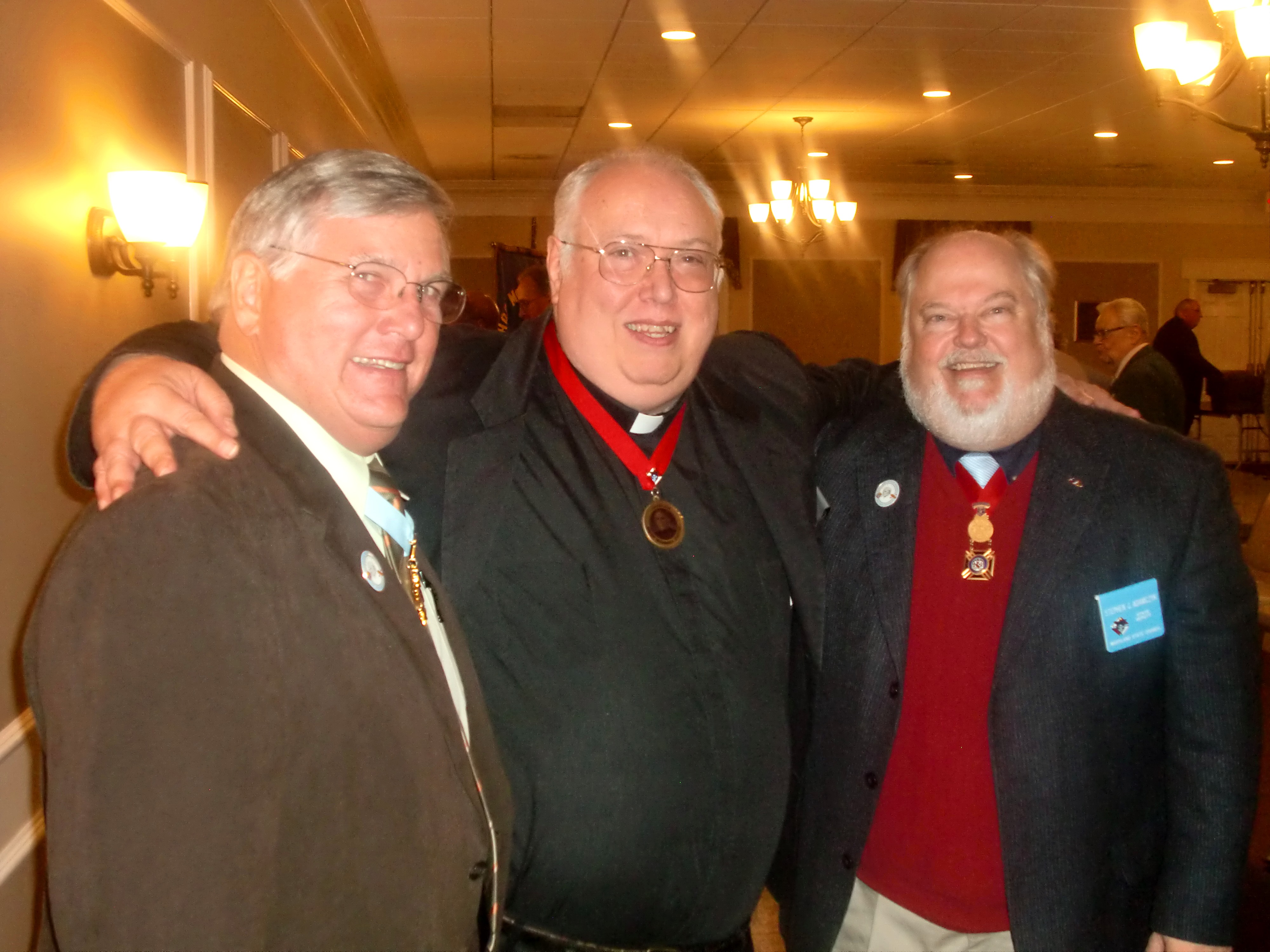
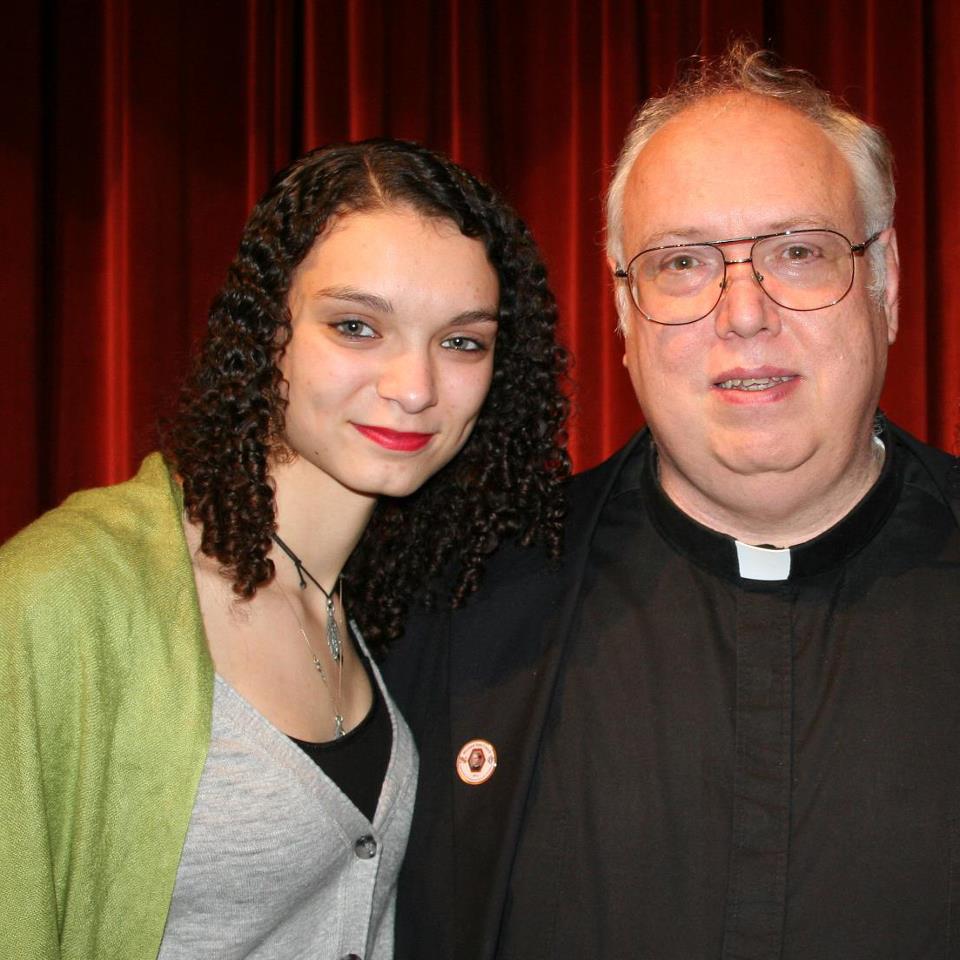
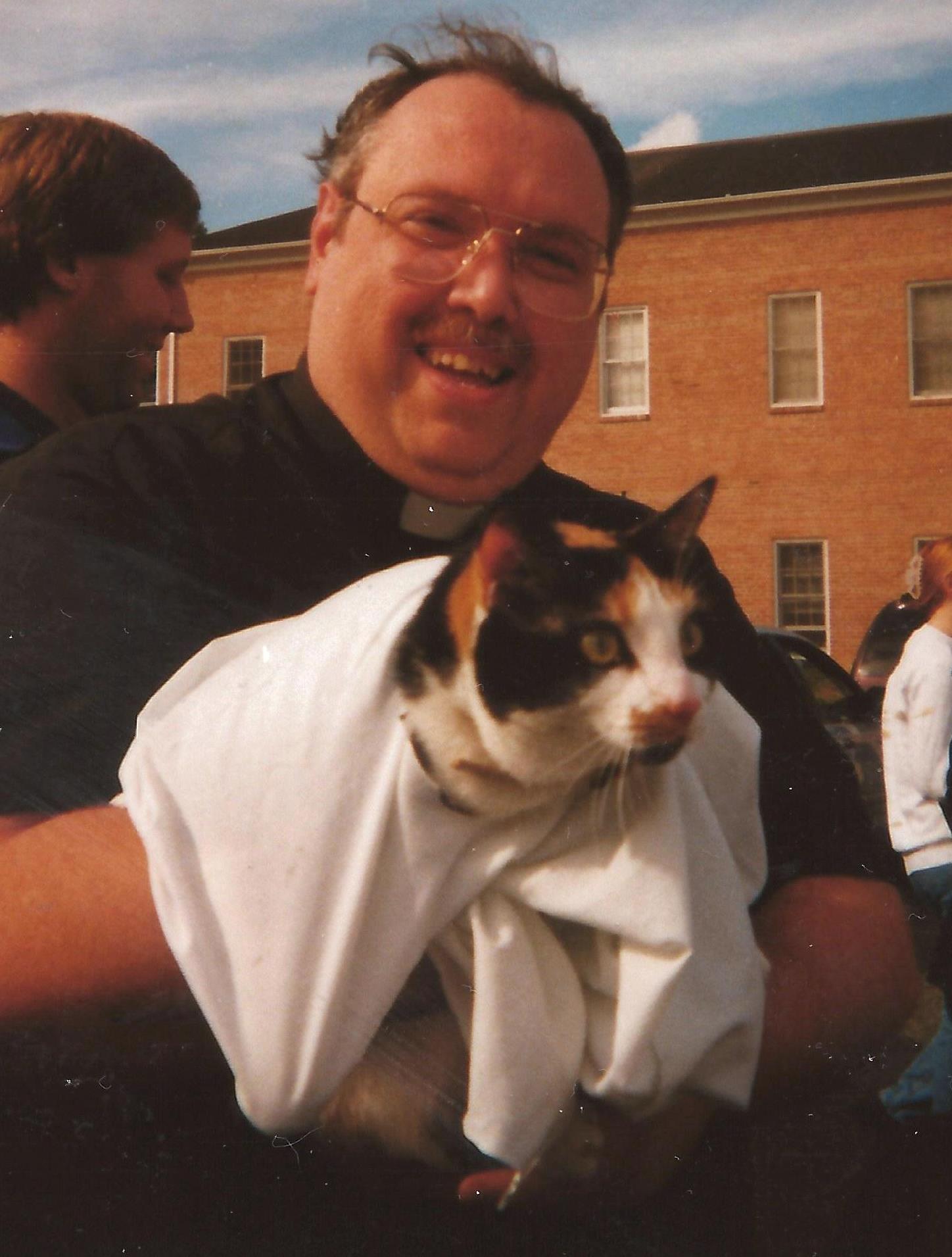
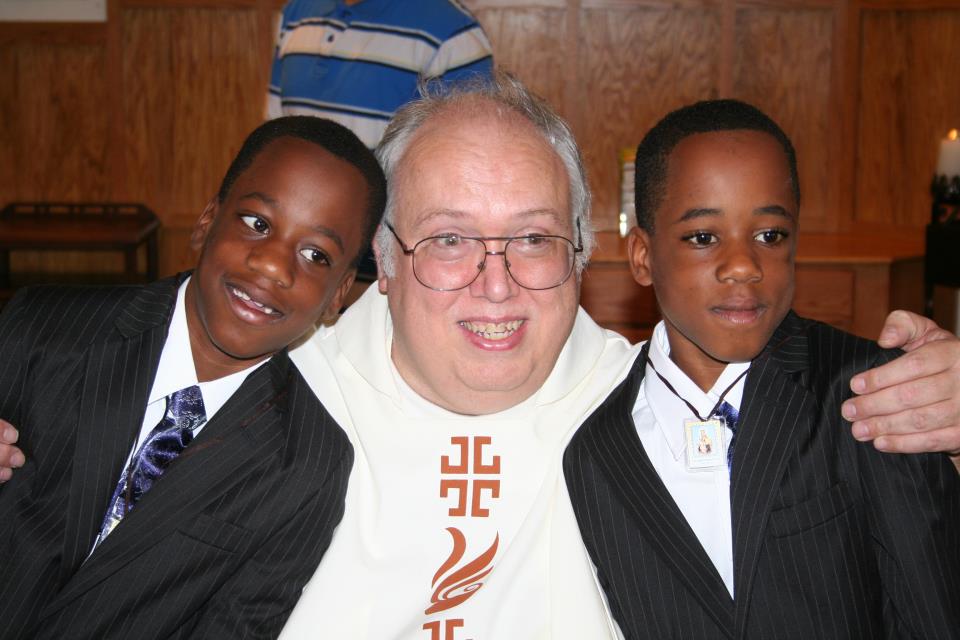
    Fr. Joseph Jenkins

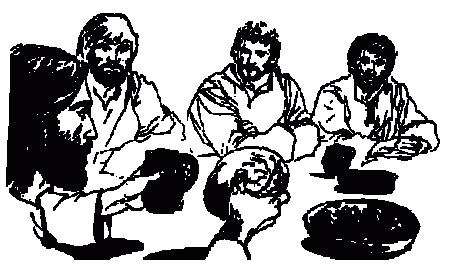
  • An important theme for this blog is the scene in the New Testament where Jesus can be found FLOGGING the money-changers out of the temple. My header above depicts a priest FLOGGING the devils that distort the faith and assault believers. The faith that gives us consolation can and should also make us very uncomfortable. Both Divine Mercy and Divine Justice meet in Jesus. Priests are ministers of reconciliation, but never at the cost of truth. In or out of season, we must be courageous in preaching and living out the Gospel of Life. The title of my blog is a play on words, not Flogger Priest but Blogger Priest.

  • Archives

  • Categories

  • Recent Posts

  • Recent Comments

    Barbara King's avatarBarbara King on Ask a Priest
    Ben Kirk's avatarBen Kirk on Ask a Priest
    Jeremy Kok's avatarJeremy Kok on Ask a Priest
    Barbara's avatarBarbara on Ask a Priest
    forsamuraimarket's avatarforsamuraimarket on Ask a Priest

Women Ministers

1 Corinthians 14:34: As in all the churches of the saints, the women should keep silence in the churches. For they are not permitted to speak, but should be subordinate, even as the law says.

This is one of the verses that made the new disciplines regarding women readers, servers, and extraordinary ministers so problematical. Even now, officially installed Lectors and Acolytes must be men. It may have been that women were taking over leadership positions in Corinth or that there was some tie to the nonsensical babble that pagan women and goddess worship employed. In any case, the priesthood was then and now reserved to men. While disciplines can change regarding the lesser ministries; the Holy Father has affirmed the tradition that ONLY men can be ordained to holy orders. Unlike Protestant churches, they cannot be true pastors or ministers over congregations. It should be noted that Catholic law prohibits them from proclaiming the Gospel at Mass and from liturgical preaching. This reservation is no incrimination upon their human dignity; rather, it is a guarded imitation of the pattern given us by our Lord and the apostolic community. Gender is not seen as an accidental of personhood, but as a constitutive component of our identity. As such the maleness of the priest resonates in harmony with that of Christ to whom he has been sacramentally configured through ordination. He can thus function in the person of Christ, the head of the Church. He is a true icon of Christ. He signifies Christ the bridegroom at the marriage banquet of the Mass to his bride, the Church. Women priests in this context would imply a sort of sacramental lesbianism.

For more such reading, contact me about getting my book, DEFENDING THE CATHOLIC FAITH.

The Apostles & their Successors


Titus 1:5: This is why I left you in Crete, that you might amend what was defective, and appoint [ordain] elders [priests] in every town as I directed you . . .

Acts 13:2-3: While they were worshipping the Lord and fasting, the Holy Spirit said, “Set apart for me Barnabas and Saul for the work to which I have called them.” Then after fasting and praying they laid their hands on them and sent them off.

The Scriptures make the strongest possible case for apostolic succession. Holy Orders is what we call this transmission of apostolic authority and power down through the ages.

For more such reading, contact me about getting my book, DEFENDING THE CATHOLIC FAITH.

The Vocation of Holy Orders is a Gift

Hebrews 5:1: For every high priest chosen from among men is appointed [ordained] to act on behalf of men in relation to God, to offer gifts and sacrifices for sins.

Hebrews 5:4: And one does not take honor upon himself, but he is called by God, just as Aaron was.

John 15:16: “You did not choose me, but I chose you and appointed [ordained] you that you should go and bear fruit and that your fruit should abide; so that whatever you ask the Father in my name, he may give it to you.”

John 20:21: Jesus said to them again, “Peace be with you. As the Father has sent me, even so I send you.”

The Lord chooses us, we do not choose him. Nowhere is this more evident than in priesthood. It is not something anyone deserves. It cannot be made an item on anyone’s social justice agenda for inclusion. The people in the pews have no innate authority to commission clergy apart from Christ. Rather, a divine calling is ratified and brought to completion through the Apostles and their legitimate successors.

For more such reading, contact me about getting my book, DEFENDING THE CATHOLIC FAITH.

Bishops & Priests Given Charge over the Sacraments

2 Corinthians 5:18-20: All this is from God, who through Christ reconciled us to himself and gave us the ministry of reconciliation; that is, God was in Christ reconciling the world to himself, not counting their trespasses against them, and entrusting to us the message of reconciliation. So we are ambassadors for Christ, God making his appeal through us. We beseech you on behalf of Christ, be reconciled to God.

1 Corinthians 4:1: This is how one should regard us, as servants of Christ and stewards of the mysteries of God.

John 20:21: Jesus said to them again, “Peace be with you. As the Father has sent me, even so I send you.”

Bishops and priests are the ministers of Christ in our world. They represent him and, in the sacraments, make him actively present. This is a most serious calling. A “poor” priest does not, in itself, repudiate this high calling. As living signs of contradiction, in the footsteps of the Master, they are mocked and slandered by a world that still does not understand Jesus or the Gospel.

For more such reading, contact me about getting my book, DEFENDING THE CATHOLIC FAITH.

Anointing of the Sick

James 5:14-16: Is any among you sick? Let him call for the elders [priests] of the church, and let them pray over him, anointing him with oil in the name of the Lord; and the prayer of faith will save the sick man, and the Lord will raise him up; and if he has committed sins, he will be forgiven.

Some Protestant critics claim that such practices as found in James no longer apply to the Church. However, the ordinances of Christ to his apostles have perpetual value. We do what the Church has been commissioned to do; indeed, what she has done from the beginning. Jesus forgave sins. The Church forgives sins. Jesus brought healing. The Church brings healing. Jesus gave us his body and blood. The Church gives us Christ’s sacrament in Holy Communion. The Bible instructs us plainly that the anointing of the sick and the prayer of a priest may bring forgiveness of sins and even the restoration of physical health. We are faithful to this biblical testimony, most Protestant churches are not. They even reject such intercession for another and the use of sacramentals like oil.

For more such reading, contact me about getting my book, DEFENDING THE CATHOLIC FAITH.

Only Priests Can Offer Absolution

2 Corinthians 5:20: So we are ambassadors for Christ, God making his appeal through us. We beseech you on behalf of Christ, be reconciled to God. (see longer quote below)

John 20:21-23: Jesus said to them again, “Peace be with you. As the Father has sent me, even so I send you.” And when he had said this, he breathed on them, and said to them, “Receive the Holy Spirit. If you forgive the sins of any, they are forgiven; if you retain the sins of any, they are retained.”

Matthew 18:18: “Truly, I say to you, whatever you bind on earth shall be bound in heaven, and whatever you loose on earth shall be loosed in heaven.”

2 Corinthians 5:18-20: All this is from God, who through Christ reconciled us to himself and gave us the ministry of reconciliation; that is, God was in Christ reconciling the world to himself, not counting their trespasses against them, and entrusting to us the message of reconciliation. So we are ambassadors for Christ, God making his appeal through us. We beseech you on behalf of Christ, be reconciled to God.

The power to forgive sins is reserved to priests. As long as there is a need for the forgiveness of sins, the priests of the Catholic Church will continue to possess this power from Christ. Christ would not abandon his Church. As long as his Church exists, so will his mercy. The tragedy today is that may opt to remain in their sins. One of the greatest spiritual powers of every priest is neglected. The graces of this sacrament cannot be exaggerated.

For more such reading, contact me about getting my book, DEFENDING THE CATHOLIC FAITH.

Confession of Sins

Numbers 5:6-7: “Say to the people of Israel, When a man or woman commits any of the sins that men commit by breaking faith with the Lord, and that person is guilty, he shall confess his sin which he has committed; and he shall make full restitution for his wrong, . . . .”

Proverbs 28:13: He who conceals his transgressions will not prosper, but he who confesses and forsakes them will obtain mercy.

2 Samuel 12:13: David said [confessed] to Nathan, “I have sinned against the Lord.” And Nathan said [the absolution] to David, “The Lord also has put away your sin; . . . .”

Luke 23:43: The good thief is promised paradise in return for his confession on the cross: And he [Jesus] said to him, “Truly, I say to you, today you will be with me in Paradise.”

1 John 1:9: If we confess our sins, he is faithful and just, and will forgive our sins and cleanse us from all unrighteousness.

Matthew 3:5-6: Then went out to him Jerusalem and all Judea and all the region about the Jordan, and they were baptized by him in the river Jordan, confessing their sins.

Acts 19:18: Many also of those who were now believers came, confessing and divulging their practices.

Confession of sin is denoted as necessary in the Bible for the forgiveness of sins. The Catholic practice of private confession is based upon the charge from Christ to forgive or to retain sins. The Church and her ministers judge such situations. The confessor can only fulfill this obligation adequately if the penitent tells him the sins for which he needs absolution and penance. There may also be an important element of counsel.

For more such reading, contact me about getting my book, DEFENDING THE CATHOLIC FAITH.

Catholic Worship

Malachi 1:11: For from the rising of the sun to its setting my name is great among the nations, and in every place incense is offered to my name, and a pure offering; for my name is great among the nations, says the Lord of hosts.

Hebrews 13:10: We have an altar from which those who serve the tent [the tabernacle of the Jewish temple] have no right to eat.

The Bible tells us that there is a priesthood and sacrifice under the new covenant of Christ. There is no way that a service of the Word or a Protestant communion service can be considered the sacrificial act that prophecy and St. Paul speaks about. However, we do find such elements in the teaching and practice of the Catholic Church. We have an altar of sacrifice and a pure offering, nothing other than the body and blood of Christ in the sacramental species.

For more such reading, contact me about getting my book, DEFENDING THE CATHOLIC FAITH.

Only the Real Presence Demands Worthy Reception

1 Corinthians 11:27-29: Whoever, therefore, eats the bread or drinks the cup of the Lord in an unworthy manner will be guilty of profaning the body and blood of the Lord. Let a man examine himself, and so eat of the bread and drink of the cup. For anyone who eats and drinks without discerning the body eats and drinks judgment upon himself.

St. Paul tells us that the unworthy reception of Holy Communion is a sacrilege; indeed, it desecrates the real body and blood of Christ. It is the ultimate in hypocrisy and blasphemy. Such an assertion that the sacrament might bring damnation instead of salvation must be seriously considered. Catholics in mortal sin should not receive the sacrament until that time that they have repented and the sin is absolved. If Holy Communion were no more than bread and wine, this assertion from St. Paul would make NO sense. How can a piece of bread or a sip of wine damn you for all eternity? How could such an empty symbolic gesture desecrate Christ, himself? They could not, unless Catholics are right and the bread and wine are truly transformed into the body and blood of Christ.

Jesus Meant What He Said About Eucharist

John 6:52-58: The Jews then disputed among themselves, saying, “How can this man give us his flesh to eat?” So Jesus said to them, “Truly, truly, I say to you, unless you eat the flesh of the Son of man and drink his blood, you have no life in you; he who eats my flesh and drinks my blood has eternal life, and I will raise him up at the last day. For my flesh is food [meat] indeed, and my blood is drink indeed. He who eats my flesh and drinks my blood abides in me, and I in him. As the living Father sent me, and I live because of the Father; so he who eats me will live because of me. This is that bread which came down from heaven, not such as the fathers ate and died; he who eats this bread will live forever.”

John 6:60: Many of his disciples, when they had heard it, said, “This is an hard saying; who can listen to it?”

John 6:66-69: After this many of his disciples drew back and no longer went about with him. Jesus said to the twelve, “Will you also go away?” Simon Peter answered him, “Lord, to whom shall we go? You have the words of eternal life; and we have believed, and have come to know, that you are the Holy One of God.”

The Jews murmured (John 6:41) and abandoned Jesus just as certain so-called Christians (Protestants) reject the Eucharist today. They did not believe that Jesus was God; obviously God could do all things.

Nevertheless, Jesus did not compromise or explain away his teaching in any manner. He insisted upon a literal understanding of the real presence in the Eucharist. There was no misunderstanding. Jesus allowed the Jews (who would prefer a Protestant view of Eucharist) to abandon him. It is bizarre that Protestants can assail the Eucharist and claim that certain disciples misunderstood him when Jesus acted and spoke this way. The truth is that Jesus would even have allowed the twelve apostles to forsake him rather than to give the impoverished Protestant type of Eucharist. Peter responds correctly. Like his many successors, Peter steers the Church toward the truth of Christ. Jesus is God and whatever God says is true, no matter how fantastic and deep a mystery.

For more such reading, contact me about getting my book, DEFENDING THE CATHOLIC FAITH.