• Our Blogger

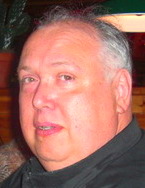
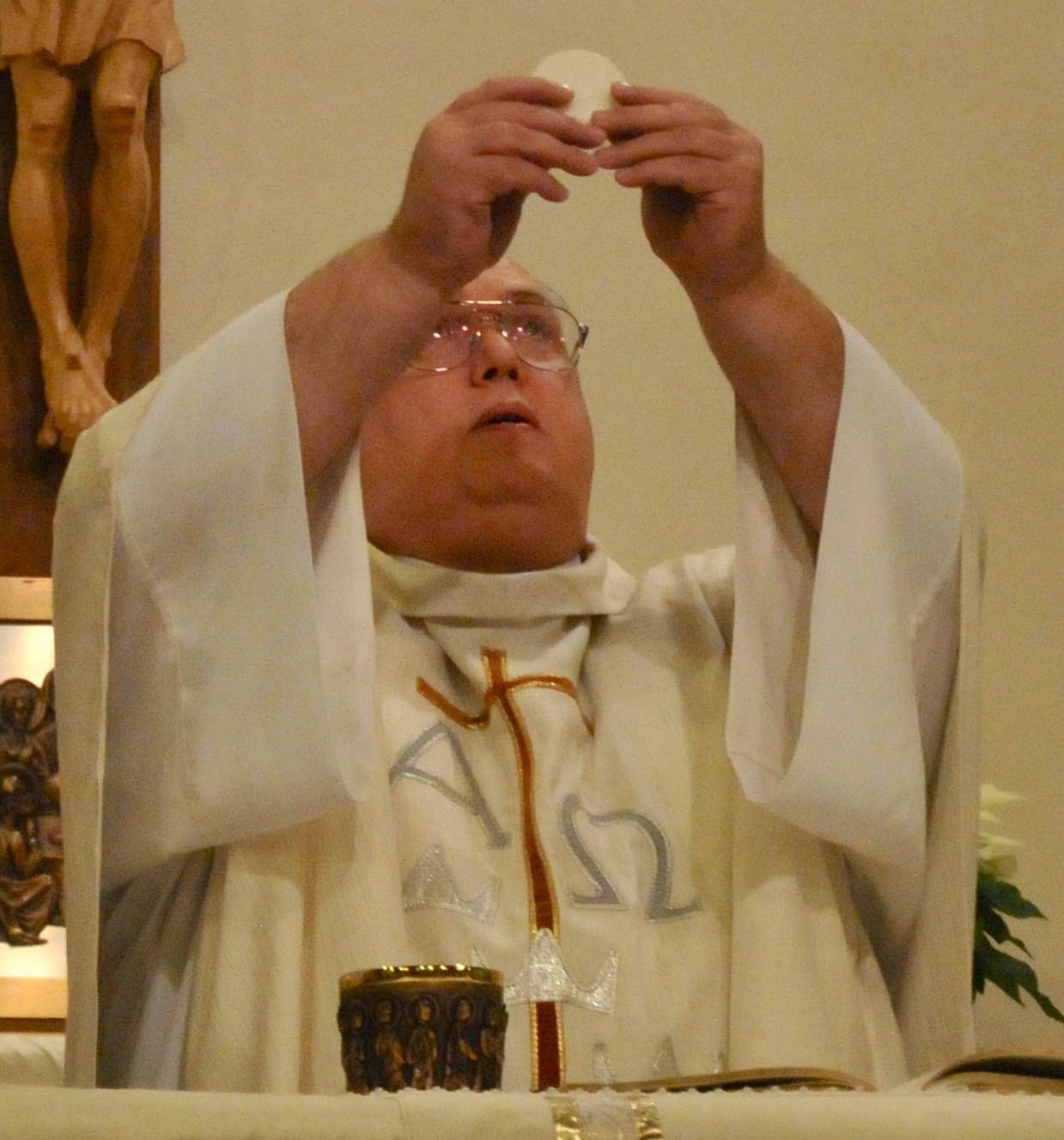
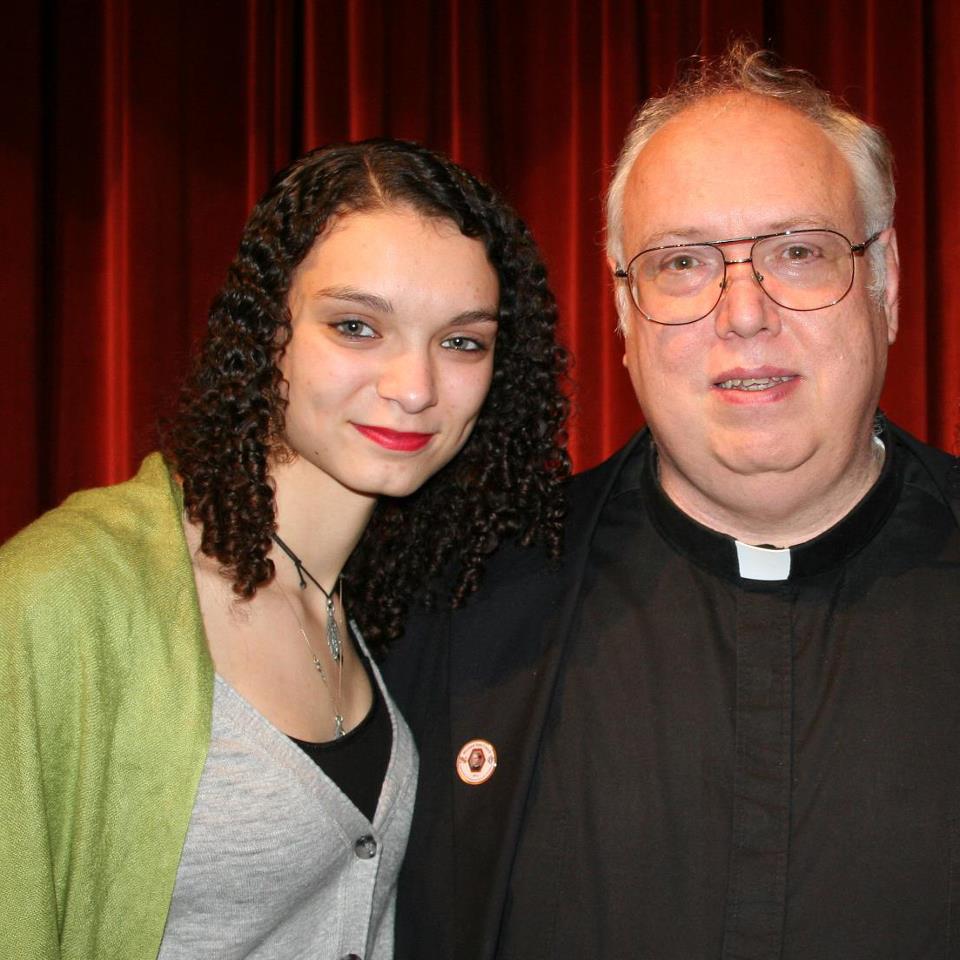
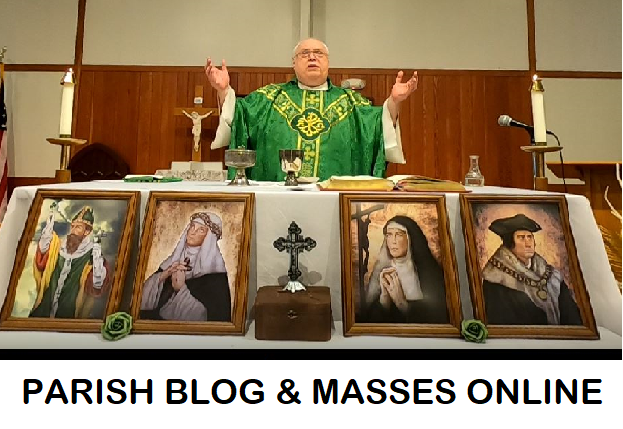
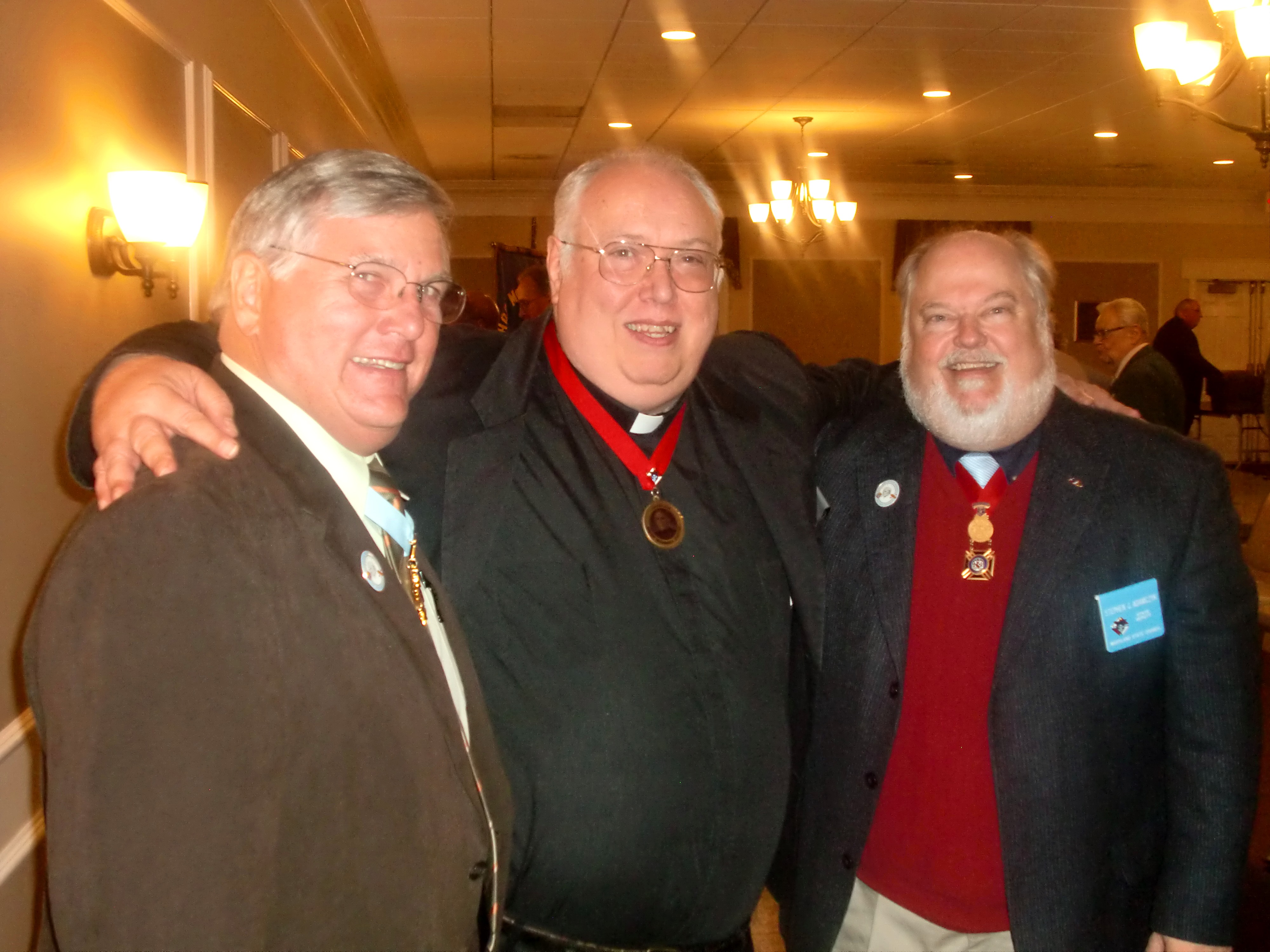
    Fr. Joseph Jenkins

  • The blog header depicts an important and yet mis-understood New Testament scene, Jesus flogging the money-changers out of the temple. I selected it because the faith that gives us consolation can also make us very uncomfortable. Both Divine Mercy and Divine Justice meet in Jesus. Priests are ministers of reconciliation, but never at the cost of truth. In or out of season, we must be courageous in preaching and living out the Gospel of Life. The title of my blog is a play on words, not Flogger Priest but Blogger Priest.

  • Archives

  • Categories

  • Recent Posts

  • Recent Comments

    Barbara King's avatarBarbara King on Ask a Priest
    Ben Kirk's avatarBen Kirk on Ask a Priest
    Jeremy Kok's avatarJeremy Kok on Ask a Priest
    Barbara's avatarBarbara on Ask a Priest
    forsamuraimarket's avatarforsamuraimarket on Ask a Priest

Faith Formation: Interactive Web, Music & Youth Ministry

Sharing a few personal thoughts…

We have yet to offer safe and interactive webpages for teens and children. Our Protestant brothers and sisters are also very versatile in using contemporary music styles to bring a Christian message to teens. We need to be more proactive about this and less imitative or clichéd in our attempts. Young people are physically active and emotional. Unless we can translate the faith to such terms, we run the danger of being dismissed as boring and irrelevant. I lament that our archdiocesan CYO program no longer offers a calendar of activities like dances, concerts, competition and collaboration between parish youth groups, camping and skiing weekends, monthly retreats, and so much more. The annual manual became less a catalogue of activities and more a list of legalistic things we could not do. (Some might say that I have moved here beyond education to another area of parish and archdiocesan activity; however, I would contend that they are inextricably connected.) Where is the guidance about Youth Group Meetings? Years ago when I ran a Youth Group, I prepared themes for discussion and brought in guest speakers, as from the local Pregnancy Crisis Center and the Genesis II Drug-Rehabilitation Program.

After formal catechesis in eighth grade, we must place a new emphasis upon High School level religious formation and Youth Groups. An important hurdle we face is the dilemma of a majority Catholic population trying to practice their faith with only a grade-school level understanding of their religion. Today, there is the dark joke that Confirmation is the sacrament one receives before leaving the Church. Too many are never seen again.

Faith Formation: Partnerships to Promote Faith

Sharing a few personal thoughts…

I think we need to do more with partnerships, as with the suppliers of catechetical materials but also with trusted Catholic organizations, like the Knights of Columbus. The Catholic Information Service offers wonderful booklets on the faith that could be stocked in the pamphlet racks of parishes. The incentive for the Knights would be that new and more “practical” Catholics would also constitute potential new members for their order.

A new effort for youth that shows great promise is available at https://outsidedabox.com. Their videos are short but pointed and entertaining. Given the short attention spans of youth today, it may be a way to insert the Christian message into their lives. Videos are available on YouTube.

Faith Formation: EWTN & Internet Video

Sharing a few personal thoughts…

Given that we are desirous of faith formation for all, and not just a few, we must also look both at the various methods of transmission and what forms such instructive communication might take. EWTN has encouraged viewership by mixing together religious devotions, the Mass and special dramatic programing with the general “talking-head” format. I think we can do a great deal more with teaching through drama and song. Given the cost and scope of the competition, we may have to rethink the gravity given parochial schools and converts through marriage preparation. There needs to be a shift in focus as to how we might maintain an effective presence in the public forum. When it comes to media, we need to instill in our people a greater appreciation for books and to provide literature that will inspire and move them. Music and visual media, including animation, holds great promise. And yet, as large as the Catholic Church is, her offerings are often eclipsed by the evangelical churches. The Mass for Shut-Ins depended upon gifted television time and this has largely disappeared. We may need to invest in television time (when people are awake) and in programs that will inform Catholics and maybe attract potential converts. However, this may become mute as people transition to internet television which is a cheaper option. (The problem I see at present with YouTube videos is that YouTube often attaches video links to suggested programming. Some of these attached “outside” videos are anti-Catholic and/or vulgar.)

Faith Formation: Slow to Embrace & Trust the New Media

Sharing a few personal thoughts…

The late Cardinal Hickey was acutely aware of the problems with accountability in regard to the new media. However, this also led to our slow acceptance of the internet as a forum for communication. Every word placed online supposedly passed through his office first. Indeed, it was during his tenure that Fr. John Brady’s Ministr-o-Media audio tape ministry was shut down. The archdiocesan effort was housed at the Pastoral Center and had gained a national reputation for wonderful programs about the faith, spirituality and American Catholic Church history. If the masters still exist, these are gems that might be placed online as mp3 files. The aging priest is still with us and I am sure he would be delighted to resurrect these resources.

The move to greater utilization of the internet is way overdue, but it also brings with it inherent problems of accountability. We would want to insure that anything presented has the stamp of approval of the Church. While the Church gives approbation to books, she has not caught up with how to do the same for rapid internet communications. On the other side of the equation, how can we insure that those taking online classes are indeed the ones seeking certification? Various programs for credit, as with Dayton or Catholic Distance Learning employ proxy-testing to insure that the desired learning is acquired by the designated persons.

Faith Formation: Past Use or Non-Use of the Media

Sharing a few personal thoughts…

Organizational history may be helpful in this regard. Back in the 1970’s and 80’s we saw the proliferation of video and audio resources, although quality was often dubious and much of it was neither initiated nor trusted by ecclesial authorities. Even now, many lay Catholic evangelists write and produce media for apologetic purposes with little or no official oversight. Cardinal Wuerl was one of the few American churchmen to embrace the media with his Teaching of Christ television program being a staple in certain markets for almost two decades.

The early effort of the bishops to create a satellite channel never really got off the ground and paled by comparison to independent efforts like Mother Angelica’s EWTN and the smaller private or diocesan efforts as in New Orleans and Boston. I recall attending several local meetings where directors bragged about the thousands who could watch (for a hefty fee) the round-table discussions and catechesis. However, large satellite dishes were required and recipients were often reduced to large schools and hospitals. The sad truth that we had to face was that almost no one was really watching. Millions of dollars were wasted.

The Archdiocese of Washington had an opportunity to take possession of a low-power television station back in the late 1980’s but the priest who was our communications and media director turned down the opportunity. I suspect that it entailed more work than he was prepared to render. Here was a case where instead of putting our best people on a project, the Archdiocese assigned a troubled priest who had returned to ministry after an unapproved leave-of-absence. He eventually walked away entirely from his ministry as an archdiocesan priest to pursue teaching musical theater at American University. He is now a renegade “gay” priest who regularly offers Mass at Dignity gatherings.

Faith Formation: We Need Creativity & Initiative

Sharing a few personal thoughts…

A particular challenge facing us is that a secular culture and its media is no longer either neutral or a partner in the transmission of Christian faith and morals. Our archdiocesan Church administration seeks to remedy this by a modification of a classroom or lecture approach to adult catechesis and continuing faith formation to an online and/or recorded format. This is understandable, because it is the easiest approach, and extends strained resources, but it may not be wholly effective given the widespread competition for the hearts and minds of believers. The basic change that we see in the archdiocesan effort in Washington is the increased reliance upon online resources. This is a good step, but will it be enough? Maybe we can do more than insert “talking heads” into pop-up video frames. For instance, skyping holds great promise in bringing people together in real time. We must also move away from stagnant webpages to dynamic-interactive pages. Many still treat the webpage like a piece of paper. This fails to respect the many applications and potential it holds. We must begin to think outside the proverbial box.

Would a Good God Command the Murder of Children?

BOYCE: How can God command his followers to kill children (1 Samuel) and still be the moral authority?

FATHER JOE:

“Thus says the LORD of hosts: I will punish what Amalek did to the Israelites when he barred their way as they came up from Egypt. Go, now, attack Amalek, and put under the ban everything he has. Do not spare him; kill men and women, children and infants, oxen and sheep, camels and donkeys.” (1 Samuel 15:2-3).

The Amalekites (descendants of Esau) had long been a dreaded enemy of God’s people. The curse of God against them in Exodus 17:14 was not unlike other biblical condemnations; i.e., the primordial Flood or the curse against the cities of Sodom and Gomorrah. The judgment of God targets not merely individuals, but as with divine favor, the larger community. Catholicism has retained this appreciation in regard to faith; it is both personal and corporate. We are all connected. The Amalekites resented the favor that God had shown Israel.

Some critics make a modified utilitarian argument, arguing that God orders or permits such taking of human life for a greater good. In this case, it would be the survival of his Chosen People. Less convincing but not discounted is the argument that the destruction of a people is for their own good, saving the souls of children by having them die before being corrupted by sin.

What are my thoughts about this? First, all life belongs to God since he is its author. This is the pervading truth that we must understand. It is on this account that God’s taking of our life is not reckoned as evil. Second, God meets us where we are. In other words, God does not reveal himself to us all at once but in a progressive fashion, over time, and culminating in Jesus Christ. The early Jews were little different from their blood-thirsty neighbors, and yet they were the people that God had chosen for himself and from which the Messiah or Christ would emerge.

The Egyptians had employed infanticide against the Jews and Moses was spared. Herod ordered the execution of the first born of Israel, and both Jesus and John the Baptist were spared. Just as in the argument about divorce and remarriage, our Lord tries to correct that which in their “hardness of hearts” they failed to understand. When God intervenes, he does so upon the side of life and justice.

The genuine Christian sensibility, and that of most post-Holocaust Jews, will never be comfortable with certain Old Testament scenes where the Chosen People interpret their own bloodlust as part of the divine will. The psalms used in the breviary and liturgy are edited so that we might not have to bless the one who bashes children to death against the rock (Psalm 137:9). We find this attitude abhorrent, and yet, rationalizations and modern deceits based upon human selfishness and not fidelity to God would tolerate and promote the murder of millions of children annually through abortion. Here is where many of the atheistic critics of religion on this point show their hypocrisy. Catholic teaching has developed over the centuries so as to emphasize that all human life is incommensurate and that innocent life must be protected.

Another Argument About the Pope

REBECCA: Catholics claim that the Pope is the visible head of the church and “Holy Father,” “Vicar of Christ,” “Sovereign Pontiff.” All of these are titles that rightly belong only to Jesus and to God.

FATHER JOE:

Your last question was about the institution of the priesthood. Now you switch gears and attack the papacy. Evidently, your questions are not sincere but merely apologetic ploys to attack the Catholic faith.

We speak about God, particularly in the Mass, as our Father most holy. Indeed, he is thrice holy, as expressed in the Sanctus; he is the source of all holiness. The use of “Holy Father” for the Pope is no absolute usurpation of the tile. It is merely that the Church sees herself as a family and her ministers as spiritual fathers. While the Pope, as successor to St. Peter, is the visible head of the Church; the true albeit invisible headship is that of Jesus Christ. The title, “Vicar of Christ,” belongs uniquely to the Pope as it would make no sense to call Jesus his own vicar. At one time in the evolution of the title, the Pope was called the Vicar of Peter. However, in meaning, it amounted pretty much to the same thing. Christ is the Redeemer and the great Pontifex or Bridge between heaven and earth. He gives us access to the Father. The use of the word Pontiff for the Pope is an immediate connection with the “keys of the kingdom” given the chief apostle by Christ. Nothing is taken away from our Lord by the Church; but you would strip her of the leadership commissioned by Christ.

REBECCA: There is not a single instance in the Scriptures where any of the above titles are applied to a man. The term, “Holy Father” is used only once in the entire Bible, and it is used by Jesus in addressing God the Father.

FATHER JOE:

The Church was something new. Stop playing word games and look at the truth. The history of the Church did not end with the Bible; rather it began there. There is ample evidence that unique authority was given St. Peter. Matthew 16:18-19:

“And so I say to you, you are Peter, and upon this rock I will build my church, and the gates of the netherworld shall not prevail against it. I will give you the keys to the kingdom of heaven. Whatever you bind on earth shall be bound in heaven; and whatever you loose on earth shall be loosed in heaven.”

When St. Paul addresses the Corinthians, he applies the title of “father” to himself: “For though you have countless guides in Christ, you do not have many fathers. I became your father in Christ Jesus through the gospel” (1 Corinthians 4:15). The use of the word “holy” signifies the holiness of the papal office. The Pope is called Holy Father precisely because of the divine charge given the Church and the particular protection given the apostle by Christ. The Pope is Holy Father only because God is our Father Most Holy. The early Church called all the members of the Church by the label “saint.” The word for holy and saint is essentially the same. Because of their charge over the Eucharist and to forgive sins, priests are sometimes called, “holy fathers.”

The last bit of your comment is what you intended to say all along. You hate the Catholic Church and associate the Pope with the anti-Christ. But the false teaching is yours. You join your voice to all the worldly opposition to Christ and his Church. The devil must surely laugh that he can have you fight against the Lord to whom you claim to have faith.

REBECCA: When one searches the Bible from cover to cover, he finds only one passage which gives an indication of a vicar of Christ or God. It is 2 Thess. 2:3-4 where it says, “Let no one deceive you in any way, for the day of the Lord will not come unless the apostasy comes first, and the man of sin is revealed, the son of perdition, who opposes and is exalted above all that is called God, or that is worshiped, so that he sits in the temple of God and gives himself out as if he were God.”

FATHER JOE:

The Thessalonians suffered under Dionysian seers or false prophets. What is prophesied here is a certain blasphemy either of the pagan emperor or of an anti-Christ figure. The emperor wrongly claimed godhood. This is not the role of a steward or vicar. We have many shepherds who participate in the authority and service of the Good Shepherd. The Pope does not seek worship toward himself but for the one true God. Christian worship always takes note of the Lord’s Supper and the Cross.

The charge given Peter is definitive; it is reaffirmed after the resurrection when our Lord heals the chief apostle (given his recent denials) and he is again told to lead and feed the flock of Christ. This charge is passed on for as long as the Church continues in existence. Read John 21:15-19:

When they had finished breakfast, Jesus said to Simon Peter, “Simon, son of John, do you love me more than these?” He said to him, “Yes, Lord, you know that I love you.” He said to him, “Feed my lambs.” He then said to him a second time, “Simon, son of John, do you love me?” He said to him, “Yes, Lord, you know that I love you.” He said to him, “Tend my sheep.” He said to him the third time, “Simon, son of John, do you love me?” Peter was distressed that he had said to him a third time, “Do you love me?” and he said to him, “Lord, you know everything; you know that I love you.” [Jesus] said to him, “Feed my sheep. Amen, amen, I say to you, when you were younger, you used to dress yourself and go where you wanted; but when you grow old, you will stretch out your hands, and someone else will dress you and lead you where you do not want to go.” He said this signifying by what kind of death he would glorify God. And when he had said this, he said to him, “Follow me.”

Another Attack Against Catholicism

CHARISSE:

And the third day there was a marriage in Cana of Galilee; and the mother of Jesus was there: And both Jesus was called, and his disciples, to the marriage. And when they wanted wine, the mother of Jesus saith unto him, They have no wine. Jesus saith unto her, Woman, what have I to do with thee? mine hour is not yet come. (John 2:1-4)

Jesus mildly rebuked Mary for trying to command him. It shows that Mary is not perfect and she had no right to interfere in His business. Jesus honored her anyway to fulfill the commandments He gave to Moses.

FATHER JOE:  Mary is “the Woman” and she does not argue with Jesus.  She tells the steward to do as Jesus says; she knows there will be no debate.  Such reminds us of the power of prayer.  Mary asks and she receives.  There is no rebuke of Mary.  You merely fail to appreciate a manner of speech.  Jesus will again call her “Woman” on the hill of Calvary.  She is the Woman, the new Eve, and at the Cross, the Mother of the Redeemer becomes the Mother of all the redeemed.

CHARISSE:

But when ye pray, use not vain repetitions, as the heathen do: for they think that they shall be heard for their much speaking. (Matthew 6:7)

Why do priest advise repetitive prayers, when it says here not to? “Our Father” prayer is a model for praying but should not be prayed like a mantra. Prayer loses its meaning when you do so.

FATHER JOE:  Ridiculous!  Our Lord was criticizing the repetitious nonsense words recited by certain pagans.  They wrongly thought that if they stumbled upon a deity’s secret name they might have some power over him.  Catholic prayers are not gibberish.  Others thought that with accolades they might bargain with God.  This is also foolishness.  God is sovereign and he holds all the cards.  Catholics repeat certain prayers (like the Hail Mary) as elements of meditation.  It also acknowledges that we are creatures who live in time.  Each moment is an opportunity for “becoming” and grace.  The Lord’s Prayer constitutes the very words of Jesus and his word never grows old or forfeits its power.  It also gives us a pattern of prayer.  Repetition in itself is not bad, like breathing and the heart beating; when it stops, we die.  Some repetition is a good thing.

CHARISSE:

He answered and said unto them, Well hath Esaias prophesied of you hypocrites, as it is written, This people honoureth me with their lips, but their heart is far from me. Howbeit in vain do they worship me, teaching for doctrines the commandments of men. For laying aside the commandment of God, ye hold the tradition of men, as the washing of pots and cups: and many other such like things ye do. And he said unto them, Full well ye reject the commandment of God, that ye may keep your own tradition. (Mark 7:6-9)

The Catholic Church (and many other religions) have more tradition and commandments of men than of God.

FATHER JOE:  I cannot speak for other religions, but Catholics have a sound appreciation of the sources of revelation.  The Bible itself emerged from the adoption of the Hebrew Scriptures and an oral and written tradition.  Letters and books were collected.  The Church was preaching and worshipping even before we had a completely compiled and/or authored Bible.  This Sacred Tradition continues to this very day.  The commandments of God are combined with the laws of his Church, providing order and guidance to men.  Christ gave his shepherds the authority to loosen and to bind.

CHARISSE:  As for the rosary and purgatory, it is not in the Bible unless the Bible you have is altered.

FATHER JOE:  The Catholic Church is the Mother of the Bible.  You would have no New Testament without her.  Purgation reflects the mercy of God and reflects the Jewish practice of praying for the dead (see 2nd Maccabees).  But maybe you cannot, because you are the one with an abbreviated or incomplete Bible.  As for the Rosary, it is simply a manner of prayer.  Most of the meditations of the Rosary are mysteries from Scripture.  But I doubt you give much time to pondering such things given that you are more about attacking the faith of others than building up your own.

CHARISSE: Buddhism has prayer beads too and do their prayers as mantra or chants.

FATHER JOE:  And Islam has the Koran.  Critics might compare it to our Bible and argue that both camps are misguided to trust in holy books.  Similarities mean nothing in this context.  The trouble is that you are so closed-minded and such a reductionist that you will grasp at straws to attack the Catholic Church.  It is a terrible sign of your spiritual impoverishment.

CHARISSE: Also once you’re dead, you are dead.  There is no purgatory or second chances.

FATHER JOE:  You do not even understand what you ridicule.  Purgatory is NOT a second chance.  If you have damned yourself then you are destined for hell— the end of the story.  All the souls of Purgatory are going to heaven.  Purgatory is a purging or healing as they approach the throne of God.  They are perfected by the fire of God’s love.  Sinners must be more than forgiven, they must be changed.

CHARISSE:  When you pray for the souls of the dead, it has no effect and you become like the pagans that do the same. You have only one life to live here on earth, and after that it’s either life everlasting in God’s kingdom or eternal death.

FATHER JOE:  We pray for the dead so that we might join our love to that of God for our beloved dead.  Prayers will not rescue the damned.  Once they enter heaven, they have no more need of our prayers.  However, we do ask the heavenly saints to intercede or pray for us.  The reason you fail to appreciate this stems from two things:  (1) a faulty view of justification and (2) a negligible understanding of the Church and the communion of the saints.  We are a community.  We do not come to God alone.  At the final consummation there will be two realities, heaven and hell.  Believers hope to live with God forever in the heavenly Jerusalem.

CHARISSE:

Jesus answered and said unto him, Verily, verily, I say unto thee, Except a man be born again, he cannot see the kingdom of God. (John 3:3)

People are born of sin because of the sin Adam and Eve committed; it is not because of your profession, or ceremonies you do, or privileges of birth, or whether you were raised from a Christian family or not, or how religious you are that you are saved.

FATHER JOE:  We are conceived with original sin.  Through faith and baptism we are regenerated, born again, made into a new creation.  The sacraments of the Church are a way in which we enter into the mystery of salvation.  We encounter our saving Lord through the proclamation of faith and in the body of the Church.  Christ has redeemed us.  As Christians we live in the “real and certain” hope of our salvation.

CHARISSE:  It is by the mercy and grace of God that when you yourself decide to follow Him & accept Him as your ONLY Lord and savior, that he changes your heart and life. That is when you are baptized & given salvation, and not the baptism you were given when you were a baby. The baptism you take in flesh as an adult is a symbol of you being born again, and the actual baptism is when the Holy Spirit changes you inwardly.

FATHER JOE:  Our Lord speaks about a Church and obedience.  Saving faith is not merely a verbal profession or a private activity.  Catholics acknowledge the whole truth that we need both a personal and a corporate relationship with Christ.  You would make baptism optional or even something readily dismissed.  Philip did not think so when he baptized the Ethiopian eunuch.  It amazes me how some can so privatize faith when the Scriptures speak throughout about the Church.  At Pentecost the Spirit of God did not come upon one individual, but upon many.  It is a gift given to the Church.  The Holy Spirit makes conversion and faith possible.  The Holy Spirit inspires the Scriptures, protects the Church’s shepherds in the truth and gives efficacy to the sacraments.  You would deny this work of the Spirit over the living Church where he continues to abide.

CHARISSE:  So unless you are born again as it says in the Scripture, you will not see the kingdom of God, nor if you knowingly and continue to sin after being born again. But Catholics do not even emphasize that in their teaching.

FATHER JOE:  You know nothing about Catholic teaching.  We are cognizant that faith can sour.  We urge fidelity and obedience to God.  We ask for God’s mercy when we sin and we have the wonderful sacrament of Penance where we receive absolution, the mercy of Christ.

CHARISSE:  Now I see on Facebook going around my Catholic relatives to pray to St. Michael, the archangel, to protect the conclave.

FATHER JOE:  The angels are about the business of God.  St. Michael is regarded as one who has been given a measure of power over Satan.  It makes sense that his intercession might be sought in these perilous times.  But, whatever happens, we trust the guiding presence of the Holy Spirit to safeguard the Church.

CHARISSE:  God is a jealous God. No matter how you say that the prayers are directed to God, you are still praying to those who are not God, when there is no mediator but Jesus who is God.

FATHER JOE:  No, you are quite wrong.  All prayer, even intercessory prayer, has as its proper object, almighty God.  We ask the saints to pray for and with us.  Again, this is an expression of our corporate faith and union.  Christ is still the Mediator between heaven and earth.  Christ is still the sin-offering that purchased us at a great price.

CHARISSE:  I hope you are certain about what you preach because those who lead the people will have a great responsibility to God, for they are responsible in leading them to either God’s kingdom or to a great deception that will lead to their eternal death. And their punishment is greater.

FATHER JOE:  I am absolutely certain.  If this were not the case, I would never go through the motions.  I am also certain that you are in the wrong.  The reason I respond is that I hope you might begin to reconsider your posture to Catholics.

CHARISSE:  Many Christians are in hell for not preaching the Truth.

FATHER JOE:  I leave entirely in God’s hands those whom might or might not be in hell.  But I would warn you as I have others to be cautious so as not to blaspheme the Holy Spirit and his work.

CHARISSE:  By God’s leading, thru Jesus, and His Holy Spirit, I know where I stand and His truth has set me free. I have a lot to work in my life and my self, because God said to be holy for He is holy, and be perfect for He is perfect, but by God’s grace and mercy He will help me and I pray that He will do the same for you and many others.

FATHER JOE:  I would not want to attack your faith as you would assault that of Catholics.  I take you for your word that you count yourself a friend of Jesus.  But remember that everything is grace.  You cannot save yourself.  Even your obedience, which God desires, is not that which will save you.  Everything is a gift.  The Spirit of God calls us to repentance and faith.  The Spirit of God moves us to prayer and prays in us.  Apart from Christ our works have no value; and yet the works of Christ, on the Cross and in our lives has immeasurable worth.  We were made in the image of God.  But now through Christ we can be refashioned into his likeness.

CHARISSE:  I cannot change you nor convince you, that is for sure, Only God can. So I hope he reveals the same to you and move in your life. God bless!

FATHER JOE:  Many of our Protestant brothers and sisters love the Lord and there is a measure of truth in their faith.  There are many issues upon which we disagree and some of them may be significant.  God knows the sincerity of our hearts and will not utterly condemn those ignorant of the full truth.   However, some are also infected with a belligerence and blindness that comes from a dark spirit.  He numbs consciences and closes minds to the truth and hearts to compassion.  The devil hates the Catholic Church.  Believers of any sort should be wary of doing the devil’s work.  Amen.

Papal Cats & Possible Posers

Given the upcoming abdication of Pope Benedict XVI, I thought I would repost this blog post from 2005. It is about the papal cats. Banned from the Vatican, I suspect the kitties will have a long awaited reunion.

We have come to learn that two papal pussycats presented here as the beloved felines of Pope Benedict XVI may have been imposters! It just goes to show you how far some cats will go to get attention and acknowledgment. What alerted us to the situation was another news article that offered a short description of his cats. Given that changing a cats color through dyes is illegal in Italy, we think we have been had. However, there is so much misinformation going around, we are not totally sure even now.

Here is the inside dope from MSNBC’s Sandy Robins. Pope Benedict VI is “the proud owner of Chico, a black-and-white domestic short hair that lives at the pope’s home in the Bavarian town of Tübingen, Germany.” Agnes Heindl, housekeeper to the pope’s brother, Father Georg Ratzinger, told MSNBC that Chico is currently being looked after by the caretaker of the pope’s private residence. . . . “There’s also a multi-colored tabby cat that hangs around a lot of the time and keeps Chico company.”

The Russian News Agency reported that Pope Benedict’s cats have been barred from the apostolic palace by the Vatican’s administrative services. We read: “New Pope of Rome Benedict XVI, who moved into the papal quarters last week, faced an unexpected problem – the Vatican administrative services did not allow him taking two cats to his new home. . . . Everyone knows about the Pontiff’s love for cats, a representative of the Rome City Hall said on Tuesday. She said the Pontiff now has to pay frequent visits to his old apartment outside the Vatican and take care of his cats. Everyone hopes that the Vatican will eventually grant the cats an access to the Apostolic Palace, she added. Isn’t he the Pope? Isn’t he sovereign? If he says, “I’m taking the cats,” who will say No?”

MSNBC also reported: “According to local news reports, the pope used to walk the streets of Borgo Pio, his former Roman neighborhood just east of the Vatican, where neighbors likened him to Dr. Dolittle with a Pied Piper charm. Stray cats would run to him when they saw him coming and he used to prepare food for them daily on special plates.”

Ratzinger says that while growing up, the pope and his family always had cats. But now, he says, the only cats in his own home are a “collection of porcelain plates with painted cats on them, mementos from different European vacations with my brother.”

The Knight-Ridder News Agency reported in April 2005 that the theologian Karl Baumgartner had once accompanied the cardinal to a cemetery behind Campasanto Teutonica, a church in Rome. He recalls that “It was full of cats and when he went out, they all ran to him. They knew him and loved him. He stood there, petting some and talking to them, for quite a long time. He visited the cats whenever he visited the church. His love for cats is quite famous.”

The Kansas City Star reported that “[His housekeeper] pointed up a staircase to a wall full of painted plates, each depicting a different cat. The brothers collected the plates together, she said. ‘When we were on vacation, a cat, a little kitten, would come by, and he’d be giddy, almost giggling with joy,’ she said. ‘Cats love him; they always go to him straight away. And he loves them back.'”

Cardinal Tarcisio Bertone said that the Pope talks to cats whenever he sees them, “Every time he met a cat he would talk to it, sometimes for a long time.” Bertone wondered if the Pope used a special language to talk to cats. “I tried to understand the language he used with cats, who were always enchanted when he met them. I thought maybe it was a Bavarian dialect. I don’t know.”

Once 10 cats followed the Pope into the Vatican. Cardinal Bertone remembers that as the Pope walked into the Vatican with his kitty disciples, one of the Swiss Guards had to intervene, saying: “Look, Your Eminence, the cats are invading the Holy See.”

Michael L. Tan for the Inquirer News Service (May 11, 2005) gave the following background to this story: “Cats do make it into Christian folklore and art. One folk tale has the Virgin Mary asking animals in the stable if they could help put the newborn Jesus to sleep. None of the animals could help, but a gray tabby kitten, itself just born, was said to have climbed into the manager and purred Jesus to sleep. The Virgin Mary rewarded the tabby kitten by allowing all tabby kittens, from that day forth, to wear the letter “M” on their foreheads. . . . Apparently there are two patron saints for cats and cat lovers. One is St. Agatha, an early Christian virgin-martyr. Her connection with cats isn’t clear, except that she is said to appear in the form of a cat to punish women who don’t stop working on her feast day. Nope, she doesn’t sound too nice. . . . St. Gertrude of Nivelles comes through as kinder, a noblewoman who refused to marry and ended up as abbess of a convent. Again her life doesn’t seem to have anything to do with cats, but she was invoked during the bubonic plague and she’s sometimes depicted with rats. She’s also the patron saint of gardeners. . . . St. Ives, the patron saint of lawyers, is often depicted with a cat or, strangely, as a cat himself. Now what does that tell us about lawyers? . . . There’s always St. Francis of Assisi, a patron saint of all animal lovers and who once said, “All creatures are created from the same paternal heartbeat.” Gender-correct language wasn’t in place yet then; he was referring to God. Not surprisingly, there’s a cat story for him as well: During the bubonic plague, he was saved by a cat that sprang miraculously out of his sleeve.”

Why is it that some many are excited by the new Pope’s love for cats? It may be because most tyrants and despots in the history hated cats. Cats cannot be controlled. They do what they want and yet can show some semblance of affection. The Church’s teachings also come into play, particularly in a world where animals are abused and many species have been pushed to extinction.

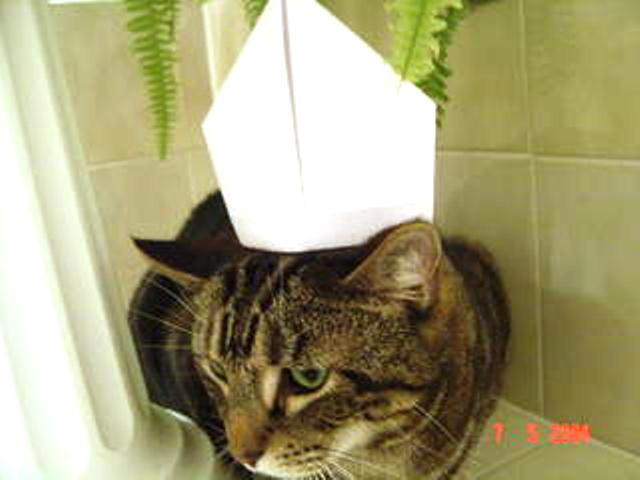
Here is a cat who has apparently learned something of the value that belongs to prayer. We should never underestimate heavenly intercession, no matter whether it be for holiness or extra tuna. It seems that Cardinal Ratzinger has taught this kitty its CATechism quite well.

Cardinal Ratzinger’s Bavarian home has a walled garden where a bronze sculpture of the Virgin Mary gazes over beds of flowers across from a statue of a cat next to a sliding glass door. He would regularly holiday there. Back in 2002, he responded to a question about the care of animals, “That is a very serious question. At any rate, we can see that they are given into our care, that we cannot just do whatever we want with them. Animals, too, are God’s creatures.”

The universal Catholic Catechism states that “Animals are God’s creatures. He surrounds them with His providential care. By their mere existence they bless Him and give Him glory. Thus men owe them kindness. We should recall the gentleness with which saints like St. Francis of Assisi or St. Philip Neri treated animals. . . . It is contrary to human dignity to cause animals to suffer or die needlessly.”

popekitty21b

Where does the body of a PAPAL CAT go when it dies? The answer is easy, to the CATacombs under the Vatican of course!

Picture of cat watching tv courtesy of Friends of Roman Cats.

Picture of Pope Cat from ASHY1384 at AOL.