

• Our Blogger

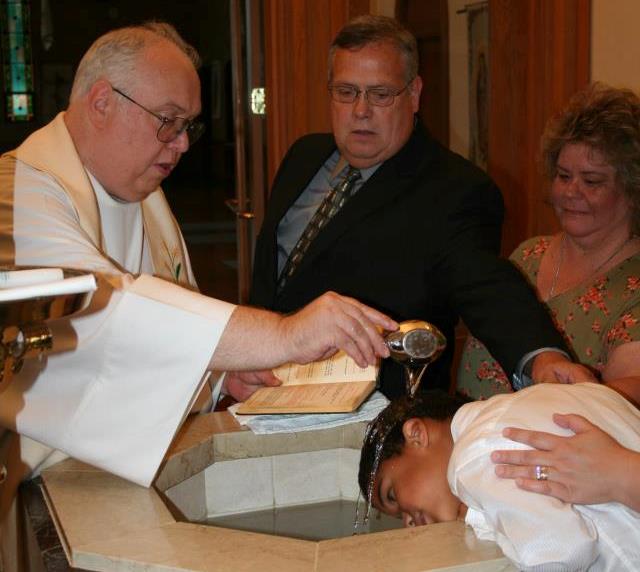
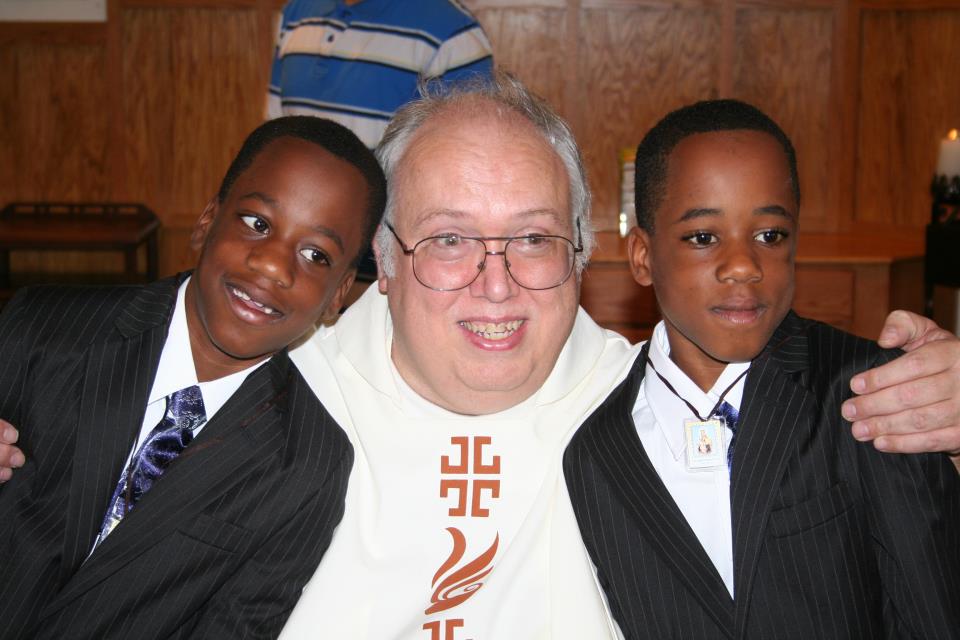
    Fr. Joseph Jenkins

  • The blog header depicts an important and yet mis-understood New Testament scene, Jesus flogging the money-changers out of the temple. I selected it because the faith that gives us consolation can also make us very uncomfortable. Both Divine Mercy and Divine Justice meet in Jesus. Priests are ministers of reconciliation, but never at the cost of truth. In or out of season, we must be courageous in preaching and living out the Gospel of Life. The title of my blog is a play on words, not Flogger Priest but Blogger Priest.

  • Archives

  • Categories

  • Recent Posts

  • Recent Comments

    Anonymous's avatarAnonymous on Ask a Priest
    Michael J's avatarMichael J on Ask a Priest
    Jeremy Kok's avatarJeremy Kok on Ask a Priest
    Mike Zias's avatarMike Zias on Ask a Priest
    Jeremy Kok's avatarJeremy Kok on Ask a Priest

Bringing in the Harvest

While the Scriptures are composed over an extended expanse of time, I am often quite awestruck over how the theme of salvation is interweaved through so many settings and types of literature. They speak of creation, growth, and re-creation. In Isaiah 55:10-11, the prophet Isaiah uses the image of rain making the earth fertile to illustrate how his words are also to bear fruit in the faithfulness of the chosen people. Psalm 65:10,11,12-13.14 paints the picture of a teeming agricultural paradise where God’s blessing causes the seed which falls on good ground to produce a rich harvest. Romans 8:18-23 offers the testimony of Paul who views all of creation groaning and in agony as it experiences its growth pains from the old to the new order. And Matthew 13:1-23, has Jesus using the tensive language of parable to speak about the seed of faith.

Throughout most ages there has been a preoccupation with the seed. It has only been since the days of the Industrial Revolution and the modern distribution of labor, that many of us have lost sight of some of the natural necessities like seed and its symbolic significance. We buy bread at the store; we don’t have to grow wheat. We purchase most if not all of our vegetables from others; I wonder how much thought have we ever given to its planting and harvesting? It can become easy for us to forget the importance of the seed. Without it, plants would cease to be. Without it, the life-cycle would be so disrupted that even animal life on this planet would eventual exhaust itself. And yet, in the depths of who we are, we all began as no more than a seed, a tiny little treasure-house, bursting with life.

In the days long gone, there was a reverence for the seed which approached worship and awe. To the superstitious, it was a magical thing; to the religious, it was among the most miraculous of God’s gifts. The people of Jesus’ time lived close to the earth; they had to in order to survive. The seed and water and good soil meant the difference between life and death. The prophets, including Jesus, were well aware of this. The Gospel celebrates this understanding. The Scriptures return to this theme again and again, like in the story of the smallest of seeds, the mustard seed, becoming a great bush or tree. We need to recover something of their sense for the natural if we are really going to appreciate such teachings. Just imagine, locked away in the most meager seed, hidden behind its shell, is a life organized in such a way that a fully mature plant can come from it. The colossal redwood forests, some of which go back before the incarnation of Christ into our world; they all began as seeds. The grass in our lawns, all began as seeds. Much of the food we eat, began as seeds. Could you create a tree or even a blade of grass from scratch? No. None of us could. And yet, this insignificant thing, maybe the size of a piece of dust, can be filled with information and life to do all these things; indeed, in doing so, it makes possible a whole new generation of seeds. I recall in school, some years past, that we got into a fairly academic and maybe nonsensical argument related to this very point. The question was, did the plant live for the seed, or the seed for the plant? We never really answered it. Only eggheads could get into a debate like that. A good farmer would simply take that seed, plant it, and take pride in being a steward in God’s creation. He would harvest it for the many who would otherwise be hungry.

In Matthew 13:1-23, Jesus tells us a story about the mysterious seed, something to which all his listeners could relate, so that they might catch a glimmer of what the gift of faith means. It is an awkward tale he tells. A farmer went sowing. He was definitely clumsy. He dropped some seed on the footpath and birds ate it up. He dropped some of it on rocky ground and it immediately sprouted with anemic roots and shriveled away. Again, he was a poor farmer. However, there is an interesting detail here we might miss. Jesus says the seed grew at once. A farming friend of mind told me a few years ago that Jesus would have gotten a few chuckles in his parts, because saying that seed immediately sprouts is a tall tale. And it is true, Jesus is stretching his image here to fit what he wants to say about faith. The farmer goes on to drop seed among thorns where it was choked to death. Either this was one accident-prone farmer or he was very dumb. But finally, maybe despite himself, some seed is dropped upon good ground. But, what luck this stupid farmer had! What a tall-tale my farmer friend from Iowa would yell — this grain yielded a hundred- or sixty- or thirty-fold! You can almost hear Jesus’ audience respond with a shuddered hush.

Jesus later goes on to explain his parable to his disciples. The seed eaten by birds on the path represents the man who hears the Good News, but he fails to really understand what Christ and his kingdom is about. He is easily misled, and the evil one may steal what little he has. Sometimes we may find these kind of people in our own midst, who say they believe, but who all too readily follow the fads of the day, even to the point of forsaking the message of Jesus and his Church. The seed that shriveled on rock was like a man filled with the satisfaction which comes with conversion, but when the excitement has passed, he quickly falls away. His roots only reached to the pleasures and gratification which come with faith; his roots did not pierce to a love of God, simply for being God. This is important, because we can confuse God for the gifts he gives us. When those gifts and satisfactions, even from prayer, are not what we want them to be, we might fall away. Remaining steadfast, we should find them as occasions for further growth in holiness. Sometimes you must pass through “the dark night of the soul” so that you can reach the bright new day offered by the kingdom. I guess what I mean to say is that the seed lost on rocky ground represented the person more in love with himself than God. It is no wonder that added to this, any kind of persecution or bigotry, whether it is explicit or hidden may cause these rootless seeds to fall by the wayside all the sooner. The seed among thorns is choked, just as fears and greed may choke the life of God in us. Who is our God? Is it Wealth? Is it Power? Is it Prestige? And most terribly, is it Fear? That must be the most terrible of all the contenders against God! Fear — anxiety — it can choke God’s grace in us; we need to make Christ the Master of our lives — not Fear — never Fear. As hard as it might be, we need to trust him no matter what. If not, then we will never totally become the disciples we were called to be.

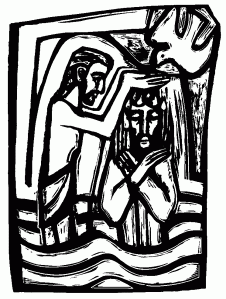
Like the seed in good soil, we need to allow the seed of faith — of God’s grace — to take root and grow in us. In the waters of our baptism it was planted with our dying in Christ; in those same waters it is to rise and bloom. Our faith cannot be stagnant, if so, it drowns. A hundred-fold it has to reach out and embrace others. In the way we live our lives and in what we say, we witness and throw off further seed to be planted and to grow.

I would like to ask two questions. First, ask yourself, what have you done to help allow God to grant you an ever greater share of faith and holiness? Make a list. Second, ask yourself, how many people during your lifetime have you helped to receive the gift of faith and to become a Catholic Christian? How many? Make a list. And if you should be a little disappointed, then start anew in allowing God’s love and life to touch you and through you, others. Please do this. The harvest is ready; workers are needed to bring it in.

For more such reflections, contact me about getting my book, CHRISTIAN REFLECTIONS.

The Price of Truth

We dispose ourselves for the ever-flowing presence of Christ into our lives in the form of grace, which makes Christ alive inside us. Some thought should be given to the quality of our integrity and the substance of our fidelity.
The Gospel informs us that it was John the Baptist who fulfilled the words of the prophet Isaiah: “A herald’s voice in the desert, crying, ‘Make ready the way of the Lord, clear him a straight path’” (Mark 1:2-3; see Isaiah 40:3). The Baptizer knew well that the only path which failed to get lost in detours — the only sword which could cut through the web of men’s lies — the only life-preserver able to preserve us from drowning in our sins — was the commanding authority of the truth. Later, Jesus himself would admit to the Roman procurator Pilate that “The reason I was born, the reason why I came into the world, is to testify to the truth. Anyone committed to the truth hears my voice” (John 18:37). War weary and perhaps tired of governing a rebellious people, Pilate answered as only a stoic could, “Truth, what does that mean?”(see verse 38). And yet, despite his cold manner, he would later admit that he could find no case against this man Jesus. Had the truth begun to break through his armor of indifference or was it merely the plea of a man who no longer cared? Let truth be whatever you want it to be? So many different lands — so many different peoples and gods — so many voices — and so many varying versions of the truth; how could they all be right? Might they all be wrong? Like John the Baptist before him, the peculiar truth of this emerging God would be rejected by most, accepted by a few, and would cost Jesus his life.

The Baptizer before Christ would not easily be silenced. Learned men were sent out to spy upon him and to attempt to trick him. Herod pleaded that he would be finished with his ceaseless mutterings against his adultery with his brother’s wife. However, if the conscience of Herod had been softened by lust and ambition; the voice which stirred from the Baptizer’s soul was a reminder that the sin remained. Eventually, the wild dance of a young girl would so clutter Herod’s reason that he would make an irresponsible pledge of evil, and John’s head would be served on a platter. Jesus, the one foretold by the Baptizer, would also seek to remove the blinders from peoples’ eyes; indeed, so similar were they, that some speculated that he was John raised from the dead. The irony of those words had yet to be realized.

The only sin which would raise Christ’s ire, would be the sin of hypocrisy. His anger erupting in the temple, he called the Pharisees “blind guides!” Supposedly, they were the ones who knew the truth of God and lived it; instead, they sought to distort it in order to preserve their comfortable and respected position in society. The message which Christ preached threatened their safe and elitist life. The multiplicity of laws made it impossible for any save themselves to follow them to the last iota. Nevertheless, if they enforced a cruel scrupulosity upon everyone else; they were lax upon themselves. They failed to recall or reserved to themselves that the spirit of the law was love. Messiah or not, this Jesus had to be eliminated — this truth of his had to be silenced!

That voice in the desert and the truth of Jesus did not perish with them. Christ’s resurrection from the dead vindicated him and his prophet. His message prevailed against the verdict of sinful man. His truth would remain alive and because of its great compelling power, even take root in some of those who betrayed or sought to destroy him and his followers. Peter who denied with his lies three times ever knowing Christ, would one day witness to the truth, at the cost of taking up his own cross. Fear would no longer paralyze his thoughts and actions. Paul who had been so closed-minded to Christ that he approved of the stoning of Stephen, would be wondrously blinded by the light of truth. He would join his words to the truth of Christ: “My prayer is that your love may more and more abound, both in understanding and wealth of experience, so that with a clear conscience and blameless conduct you may learn to value the things that really matter, up to the very day of Christ” (Phil. 1:9-10). It is for that day of Christ that we prepare. To do so, we must also testify to the truth of Christ.

For more such reflections, contact me about getting my book, CHRISTIAN REFLECTIONS.

Catching the Spirit

The Spirit of God descends upon Moses, and then as if contagious, upon the elders gathered in the tent, and even upon two who were not assembled with them (see Numbers 11:25-29). When some want to stop the two from prophesying, Moses cries that he would have them be a nation of prophets. This is precisely what Jesus seeks to make a reality. We are anointed in baptism as prophets of the Good News. The essential mission of the Church, in all her members, is to be a prophetic voice of Christ’s kingdom.

This prophetic role is utterly dependent upon the action of God. It is his word, and not our own, that moves the Christian disciple. Prophesy or the proclamation of the Gospel in our words and actions, is an expression of divine favor or grace. God gives his servants that which is necessary for the acquisition of our ultimate end, union with him. Toward this end, he infuses habits and/or virtues that assist us in our earthly pilgrimage. The Holy Spirit lives in us as in a temple, illumining our steps. We understand the significance of the Spirit’s presence as a participation in the divine nature. God extends something of himself. The one who is ALL HOLY sanctifies us. The one who is UTTERLY IMMACULATE washes us clean and grants us purity. The one who is ALMIGHTY makes the weakest of us into a soldier for Christ, a champion of faith. The genuine prophet surrenders himself into the loving hands of God. It is for this reason that Jesus seems to glorify poverty and the central role of charity. The widow’s mite is the secret to sanctity and to true prophecy. Everything we have is a gift. All must be surrendered, either to others in their need or by the strong hand of death and judgment. Jesus would have us opt for the former.

Nothing is ours. Like a burner on the stove, while the electricity courses through it, the ring radiates a red glow of heat. However, turn off the electricity, it quickly grows cold and dark again. Without the divine energy of the Spirit, we also grow cold and dark. Grace is like the electricity or a burning fire. It changes us and sets us aflame, but we are not consumed. We may put on Christ, but mortal men and women we remain. Sometimes we can be surprised by whom God chooses to move by his dynamic Spirit.

In terms of our relationship to the Holy Spirit, we all play the feminine role. Not taking the analogy too far, as a daughter to God’s Spirit and as a bride to Christ, we are refashioned as members of Christ’s Church. The prophet rejoices in the wedding gown given by the Spirit as Isaiah did in days of old: “I rejoice heartily in the Lord, in my God is the joy of my soul; For he has clothed me with a robe of salvation, and wrapped me in a mantle of justice. Like a bridegroom adorned with a diadem, like a bride bedecked with her jewels” (Isaiah 61:10). The gifts of the Holy Spirit adorn the soul. We are made pleasing to God and given fortification. We do not need Samson’s hair for strength, but the virtues that accompany the Spirit. God is our armor. Further, the actions– even mundane ones– of just men and women, bring merit, so long as sin is avoided. Christ’s whole life was a saving work. If Christ thoroughly lives in us then everything we do, not just extraordinary virtuous acts, become saving moments. Eating, drinking, sleeping, even taking care of the necessities of nature are viewed in the context of our Lord and know favor. They are part of the wondrous panorama of our lives. All is grace.

Christian prophets are adoptive children of God. Their names appear in the book of life and they are offered a share in eternal life. They proclaim the truth, not merely that others might be saved, but that they themselves might merit salvation.

The grace of God can bestow understanding just as the Spirit acted upon the elders and Moses. As Catholics such an illumination takes into consideration the public manner of revelation and lawful authority. The Holy Spirit inspires Scripture, making it truly the Word of God. As a guarantee of the authentic and accurate interpretation of revelation, this same Spirit guides our chief teachers of faith, the bishops in union with the Pope. It is in this context that the Spirit of God instructs us and makes us missionaries of the Gospel.

Except for Confirmations and the feast of Pentecost, we often neglect to speak about the Holy Spirit. It is an image hard for our minds to grasp. Certainly we are well accustomed to the theme of God as Father from the witness of our families. The figure of Christ on the Cross gives meat to our appreciation of the Son of God. But we struggle in appreciating the role of the Holy Spirit. People can relate easily to a notion of God as their heavenly Father and to Jesus as our elder Brother in faith who surrenders his life for us. But, look at the images of the Spirit. We use fire for light and warmth, but it is regarded as a thing. The dove, while beautiful and free in flight, is still just an animal. Wind might be felt against one’s face, but few of us would talk to it. The Holy Spirit is signified by non-personal elements, and yet, he is the Third Person of the Blessed Trinity and a fundamental catalyst and source of our life, faith, and sanctification. It is true that since the Trinity is a single God, devotion and worship rendered to any one applies to all three. But this does not resolve the struggle in our psychology to embrace the Spirit. It is no wonder that the charismatic movement in the Church exhibits so many elements that speak of mystery: the tongues, prophecy, interpretation, faith healing, etc. However, ecstatic external expressions of being moved by the Spirit need not be present.

The men of ancient Israel felt a need to surrender themselves to the divine movement. Their chanting, dancing, and prophesying uncovered that need. Such actions were in harmony with the times and culture, paralleling the manifestations among the pagans. The one difference was not the external actions but the substance behind them: the true God had shown his face and will to Israel. The truth has prevailed in Israel and the Church while the so-called prophetic messages to others around them have disappeared. If it were not from God, it could not last. Within the family of God, the distinction between a good and a false prophet is noted in Psalm 19:7, “The law of the Lord is perfect, refreshing the soul; The decree of the Lord is trustworthy, giving wisdom to the simple.” Such delineation is still valid today. Any voice that claims a divine mandate and yet violates the commandments is that of a false prophet.

We must be discerning so that we will not seek to silence the voice of God’s prophets and that we will not be led astray by false messengers. What are the false prophets saying today? We know all too well. “We love each other, how could something so wonderful be sinful? If we don’t live with each other, how can we know if we are sexually compatible or not? The Church is living in the dark ages; we have to use the pill! We can’t have this baby now; we have school and our careers to consider. Is it not better to get rid of it then to adopt it out to strangers? I am sure that if grandma were in her right mind she would tell us to pull the plug. Jim and Jack are sweet guys, why should they be punished for how God made them– especially since they use condoms? Everyone steals office supplies from work, it is expected. That was a great movie, even though they did take God’s name in vain a dozen times. These sexy dresses (what there is of them) will sure get Tom’s motor running. It doesn’t matter if you go to a Protestant or Catholic church– it’s the same thing– what matters is going. I’m not a bad person for sometimes missing Mass; it isn’t like I murdered someone. I only read Playboy for the articles. I wish the city would stop those beggars from annoying hardworking people like me. It would probably be best if their kind were sterilized. This is good stuff; take it, everyone’s doing it.”

Do you recognize any of these voiced statements? It is in the sea of lies that the true prophet raises his voice as a living sign of contradiction. He tells us to follow the commandments and the moral laws of the Church. He tells us to defend the dignity of all human life and the values that most respect human personhood and the family. He also tells us not to compromise the honor that is due to God alone. The true prophet encounters resistance, mockery, and sometimes even martyrdom. The New Testament acknowledges this eventuality: “The shouts of the harvesters have reached the ears of the Lord of hosts. You live in wanton luxury on the earth; you fattened yourselves for the day of slaughter. You condemned, even killed, the just man; he does not resist you” (James 5:4-6).

For more such reflections, contact me about getting my book, CHRISTIAN REFLECTIONS.

Prophetic Witness No Matter What the Cost

Jeremiah 20:10-13, taken alone, might make us think that the prophet Jeremiah has something of a persecution complex; however, the oppression he feels is real. No sooner had he warned the people of a coming judgment from the Lord, because of their disobedience and neglect of God, the priest Pashhur had him arrested and scourged.
Upon his release from the stocks, he is compelled by his mission to continue his prophecy. He gives the credit for his persistence against mockery and abuse, not to his own fortitude and strength, but to the Lord whose message “becomes like fire burning in my heart.” The phrase, “Terror on every side,” reiterates that Pashhur and the people who have rejected his message will share the fate of doomed Jerusalem. Jeremiah contrasts the betrayal of his friends with the steadfastness of God. God’s prerogatives will not be circumvented.

Psalm 69 is another testimonial in just how far the love of God might take us. “For your sake I bear insult, and shame covers my face. I have become an outcast to my brothers, a stranger to my mother’s sons, because zeal for your house consumes me, and the insults of those who blaspheme you fall upon me” (Psalm 69:8-9). God comes first and last. This should be a sentiment for us all. However, there are many temptations to such a courageous stand. The greatest of these is our desire for the acceptance of others, especially of family and friends. Jews saw their fellowship with one another and the intimacy of their families as central to their lives. However, the Scriptures counsel us all that the most important relationship is with God. If this fundamental association is compromised, then all the rest becomes a sham and we invite destruction. This is still very much the case. Peer pressure or the false prophets of popular media often sway young people. The rest of us sometimes surrender our good standing with God behind small deceits and the disproportionate attraction to material things and comfort. Toleration and peace can become a sham if behind them there is a disregard for the poor and the dignity of human life.

Are we prophets like Jeremiah or priests like Pashhur? Do we seek to silence the voice of the prophets among us? Such questions we must ask ourselves. Several years ago, a priest friend of mine in Georgia decided that he was going to integrate his church instead of operating two facilities, one for whites and the other for blacks. When he tried to do so, the collection plummeted, threatening phone calls rang at all hours, and letters poured into the chancery office. The situation became so dangerous that he was reassigned to a teaching post in another diocese. The experience wounded him deeply and yet he knew it was the right thing and what God wanted. I know a loving nurse who was harassed and finally lost her position in a teaching hospital because she refused to assist in abortions. She knew she had no other choice as a Catholic and as a true believer in Jesus; and yet, it cost her what she most wanted out of life. Many more stories about the prophets in our midst could be told. Will we add our own stories to theirs? Will we see something of our story in Jesus Christ who embraced the Cross to save us despite the mockery of our sins and the scourging of our infidelity?

Romans 5:12-15 draws to our attention precisely this: that through one man (Adam) sin and death entered the world while through another, Christ (the new Adam), grace and life. Jeremiah and all the Old Testament prophets could warn their people and even suffer at their hands for them; however, unlike Jesus, they could not utterly redeem them. The ancient prophecy, repeated time and time again, is fulfilled in Christ. “Sing to the Lord, praise the Lord, for he has rescued the life of the poor from the power of the wicked!” (Jeremiah 20:13).

Look at Matthew 10:26-33, Jesus admonishes his disciples to follow his example and that of the ancient prophets. He tells us not to be afraid. “Do not let men intimidate you.” He promises that whoever avows him before others, his Father will claim in heaven. What more could we want? And yet, so often we allow the problems and the pressures of the day to master us.

For more such reflections, contact me about getting my book, CHRISTIAN REFLECTIONS.

Courageous on Behalf of the Gospel

Jesus revealed himself publicly in the synagogue as the promised messiah. Although initially pleased with his learned exhortations, they quickly begin to question his authority (Luke 4:21-30). Those who knew him as a child or knew his family begin to gossip about him. Hidden in these words is their disbelief that the promised one could possibly be one from their own midst, and a poor man at that! Their acceptance of him swiftly soured into rejection. They no longer wanted to hear what he had to say.
Sometimes we as Catholic Christians, making manifest the same Christ, our Savior, will discover similar rejection and even embarrassment. Speaking the words of God will be difficult, not only because we want to be accepted, but because of how they might touch others. Like medicine, the healing of our Lord comes in a package that may include more preliminary pain before any true healing can take place. The presence of Jesus among his own people would work this way. Some would have to earnestly struggle with his message and presence. For most of his disciples, witnessing for the Master would also cost them their mortal lives; however, in return they would receive everlasting life.

I mention this because there is much about God’s truths that can make us uneasy. God tells us, “Before I formed you in the womb I knew you, before you were born I dedicated you, a prophet to the nations I appointed you” (see Jeremiah 1:4-5, 17-19). Most of us were anointed at baptism with the holy chrism as Christian prophets. As children, the challenge afterwards was to be nurtured in the faith by our parents. Later, we were to proclaim it to others as adults. I wonder if we always do that, myself included? It is so easy to get comfortable and to allow others to do all the work of evangelization or Christian witness. However, what would become of a world filled with people so poorly motivated? I shudder to imagine.

The particular wording in Jeremiah is reminiscent of other passages which deal with God calling us, even before we saw the light of day. In the New Testament, the most famous is the one in which the prophet John the Baptist leaps with joy in his mother’s womb when he is near to his Savior still hidden deep inside Mary’s flesh. From the very beginning, each and every one of us is called.

Annually, many citizens of this land march on Washington for the sake of the unborn, a very troubling issue to be sure. Those children who for one reason or another are not wanted, have from the very beginning, been called by God to fellowship with him. Those young women who have faced this crisis, and the many that have made agonizing decisions, have also been called by God. The same could be said for those who are often the invisible partners in this tragedy, the men who have become reluctant fathers. All of them need healing. The woman who makes a poor decision, or who was pressured into doing so, needs to realize the wrongness of what happened, so that true repentance and healing might be achieved. The same sense of scrutiny and responsibility also needs to be accepted in the lives of men who are partners in this holocaust. We can be partners in sin or we can be helpers to one another in grace. As for the child, we believe that God desires the salvation of all. If we should abandon the youngest of children, God will not. They are alive. This realization can be the hardest of all for those who have suffered this dilemma. They are alive. Adopted by the loving arm of the Church; touched by the same love which embraced the children killed by Herod in Christ’s stead; they are alive. As such, they pray for their parents and God willing, wait until we are all rejoined together in Paradise.

Our faith tells us that all are called. No life is to be wasted. All life is precious. 1 Corinthians 12:31-13:13 tells us that faith, hope, and love are everlasting. When it comes to the truths of our faith or the moral values which the Gospel upholds, we need to be courageous. Do we attend Mass every Sunday in order to worship God in the community? Do we pray a few minutes every day? Do we try to be charitable and peaceful? Do we stand up for our beliefs and for our Church when they are mocked or ridiculed? Do we attempt to correct those in error? Do we use or waste the great gift of life with which God and our parents gave us?

In every new life and in ever old life made new by Christ’s forgiveness, hope is born. What might we become? With God, the possibilities are endless. What are our hopes for each other? A time when children can go to school and play safely? A world that does not throw the precious gift of creation back into God’s face? A future wherein we all meet the goals set for us by God, growing in wisdom and grace, just as Christ once did? We work to achieve these hopes, knowing that in God’s will, all things come in his own good time. We wait in hope, knowing that God calls every one of us. One day the hopes of believers will be realized.

When this happens, it will be because God loved us and loved us first. We exist because of love, the love of God and the love of a man and woman. We live for love; if you do not believe this just try to exist without it. Maybe it all boils down to our responding with the same kind of trusting love with which Christ accepted the Father’s will in his life? Of all visible creation, it is only the human being who can respond back to God in prayer and a life of love.

For more such reflections, contact me about getting my book, CHRISTIAN REFLECTIONS.

Continuing the Prophetic Witness

Someone asked me once if there were any Scriptures where a relationship between a mother and daughter was pivotal. The one that came immediately to mind was in the tragic story of John the Baptist and his execution (Mark 6:17-29). This was hardly something for emulation. Living in an age where so many teenage girls crave things like digital music, computers, shoes, cars, clothes, and jewelry — this figure of Herodius’ daughter is a peculiar one — at her mother’s urging, she wants the head of John the Baptist. I suppose times do change, if just the externals, but this seems a bit over the top to say the least.

I spoke about how the Lord gave his disciples a long list of sins to avoid. He challenged them not to be hypocrites but to be a genuine people in love with the Lord. I mentioned that such lists, if preached upon, can make us angry, the reason being that most of us do not like to be reminded of our sinfulness and weakness. We even try to keep it from ourselves. Herodias was like this, too. John the Baptist would not allow them to forget or to ignore the great sin with which she and Herod had become involved. She soon discovered that the only way to silence him was to have his head on a platter, to force her lover to kill him.

We need to be, not like Herodias, but like John the Baptist. He fully realized that we were all sinners, needing to admit this reality to ourselves and to repent. Indeed, the baptism he offered in the desert was one of repentance and conversion. We should face up to what we do and to who we are, both to the beautiful and to the ugly. If we are not honest to ourselves, how can we dare face ourselves, our neighbor, and our God with any semblance of integrity?

Sometimes to be a prophetic witness like John the Baptist will require hardship for us as well. It might mean that we will also have to die. If not physically, we may have to endure the little dyings that come when we challenge others to a more moral life and one which places God in a central position.

For more such reflections, contact me about getting my book, CHRISTIAN REFLECTIONS.

Our Call as Prophets

Ez. 2:2-5 has many interesting elements for us to consider. The Spirit of God moves Ezekiel; he says it “set me on my feet.” In other words, the Spirit compels or moves him to action. He stands before God and must be on his way to the Israelites. God, himself, admits that they are an obstinate and hard-hearted people, but this makes no difference. Come what may, Ezekiel will be the mouthpiece of God and “they shall know that a prophet has been among them.”
It is a wonderful image of the prophet for us who follow that other “son of man,” Jesus, who is also the Son of God. God calls us in our baptism to be prophets to the world. However, do we stand up and take action and speak prophetic words? Or, do we remain at rest and hope that God will change his mind or get tired of summoning us?

How are we called as prophets today? Four thousand unborn babies die in our nation each day through abortion. Do we raise our voices in protest? Do we support the local pro-life efforts and pregnancy centers? Do we lobby our elected officials and hold them accountable? Have we considered peaceful civil disobedience and marching? This is the first and most important issue facing us today, although there are others as well. Do we stand for racial integration and social justice? Do we promote marriage by our lifestyle and counsel over promiscuous and/or disoriented behavior? Do we take the high ground in avoiding and not patronizing pornography in films, television, magazines, Internet, and books? Do we dress, act, and speak modestly? Do we use language worthy of the children of God or instead use words from the gutter that corrupt lips that should praise God? Do we respect the Church’s teaching about the transmission of human life and birth control? Do we worship regularly and support our struggling churches? Do we honor our bishops, priests, and religious or do we mock and joke about the special messengers of God? Do we pray when there seems no time or we find ourselves busy? Do we defend our Church against ridicule or do we ourselves become sources of defamation against the Rock of Christ? Do we speak the truth in love to our families or smother the message under empty human affection? Have we been our brother’s keeper or have we exploited others for our own selfish purposes? If we stand up for what our faith tells us is right, then no matter whether others approve of us or not, they will know that prophets have been in their midst. If we have sometimes failed, we can follow the late Pope’s lead in making a “mea culpa” for the past and in becoming true signs of contradiction in the present. As the psalm response tells us on the 14th Sunday Mass of Ordinary Time (B), we can say: “Our eyes are fixed on the Lord, pleading for his mercy.”

Like Ezekiel, Paul is called by God and, along with a thorn in the flesh against pride, is told that divine grace is sufficient for his witness. All that matters is that we are faithful. Everything else belongs to the providence of God. The true prophet will know persecution. Paul says, “Therefore I am content with weakness, with mistreatment, with distress, with persecutions and difficulties for the sake of Christ; for when I am powerless, it is then that I am strong” (2 Corinthians 12:10). We have Catholics in Chinese prisons for their loyalty to the Pope. We have murdered Christians in parts of Africa and the Orient for daring to make converts. We have believers in American jails for saying rosaries outside abortion clinics. We have nurses, interns, and pharmacists who have lost their positions because of their fidelity to the Gospel of Life. We have children who have been silenced from mentioning God in prayer or listing the commandments in school. We have brothers and sisters in the military that have been passed over for promotion for speaking their mind in disagreeing with the liberal policy on active homosexuals in the ranks. We have Christian friends who have been punished for putting a bible or religious image on their workplace desk. Christians are fined or litigated against for wanting public religious displays of faith during the seasons of Christmas and Easter. Coalitions of Catholic and Protestant Christians are ridiculed as “far right” or “fascist,” sometimes even by those who are supposed to be Christian. The issues are many, and yet the Christian posture should always be the same: fidelity to God in the face of the faithlessness of a civilization that has turned its back on him.

It is a shame that while television programs advertising the possible winning of a million dollars or marrying a millionaire get high ratings, religious programming has virtually disappeared from the commercial and public stations. Indeed, marriage is reduced to sex and money; that which is supposed to be a sign of the covenant between Christ and his Church. The world and certain televison networks minimize it to primetime prostitution. Where are the prophets? Where is the outcry?

Mark 6:1-6 has Jesus going home and speaking in the synagogue. He laments that those who think they know him really know nothing. Their lack of faith reduced his effectiveness among those to whom his heart most wanted to embrace. He healed a few and then went to the neighboring villages instead. We have prophets in our midst, too. However, sometimes we call them fools or fanatics. People who really speak and live their faith make most of us uncomfortable. They remind us about what we would prefer to forget– our own impoverished discipleship. The great Catholic sin comes to mind, not what we have done, but what we have failed to do. Jesus is in our midst, do we recognize him?

For more such reflections, contact me about getting my book, CHRISTIAN REFLECTIONS.