• Our Blogger

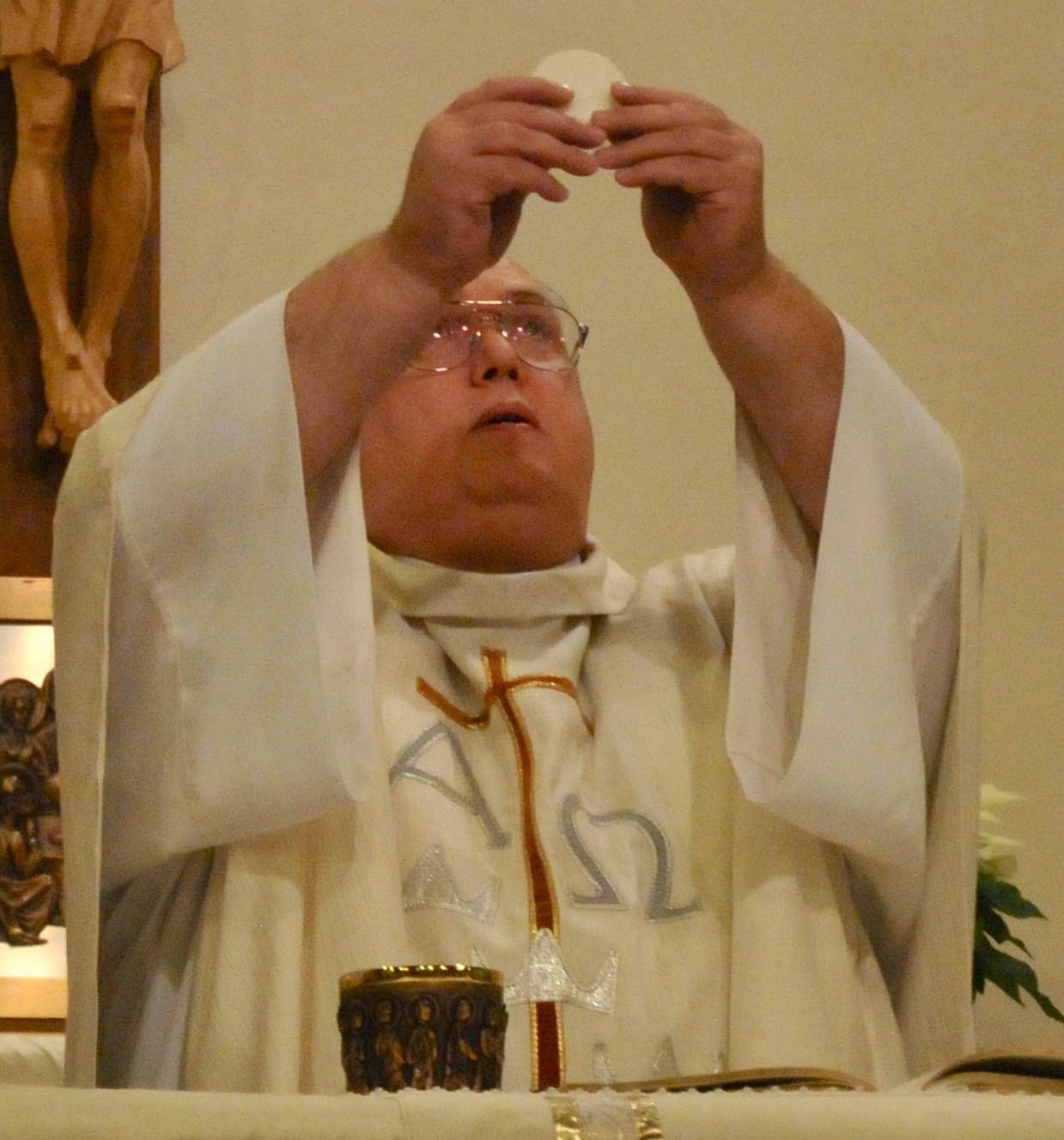
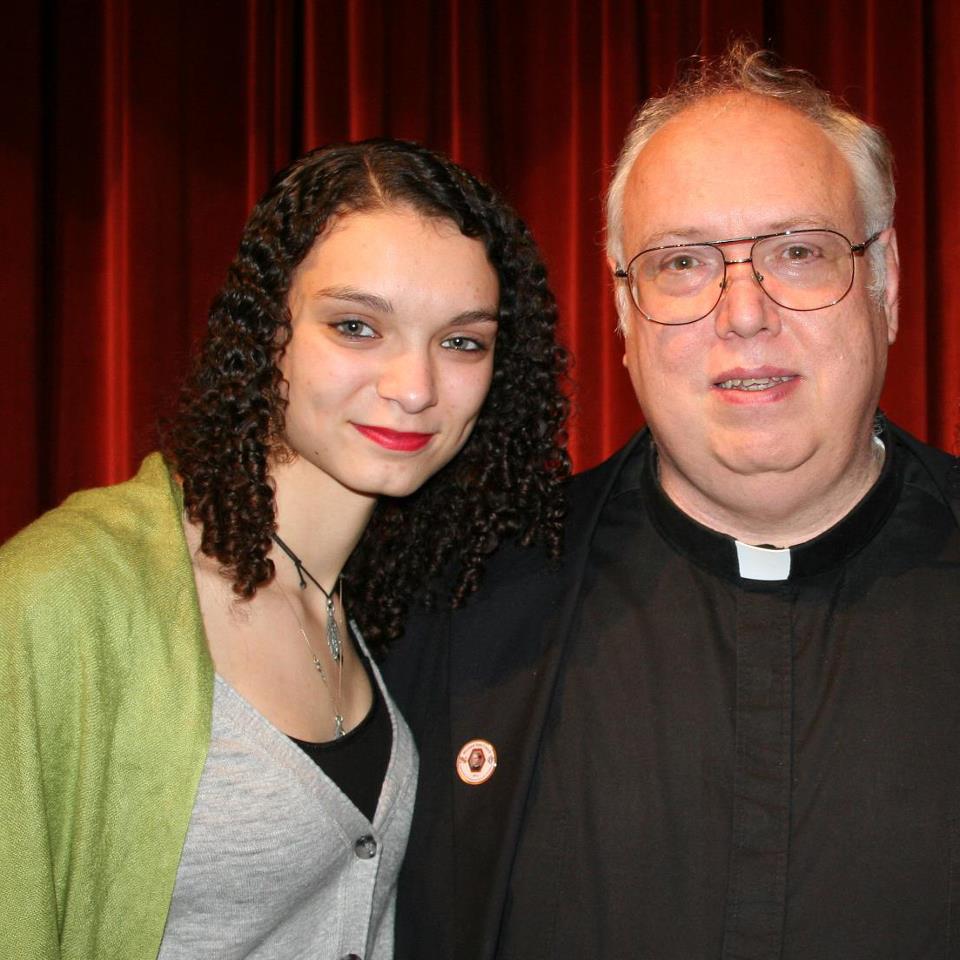
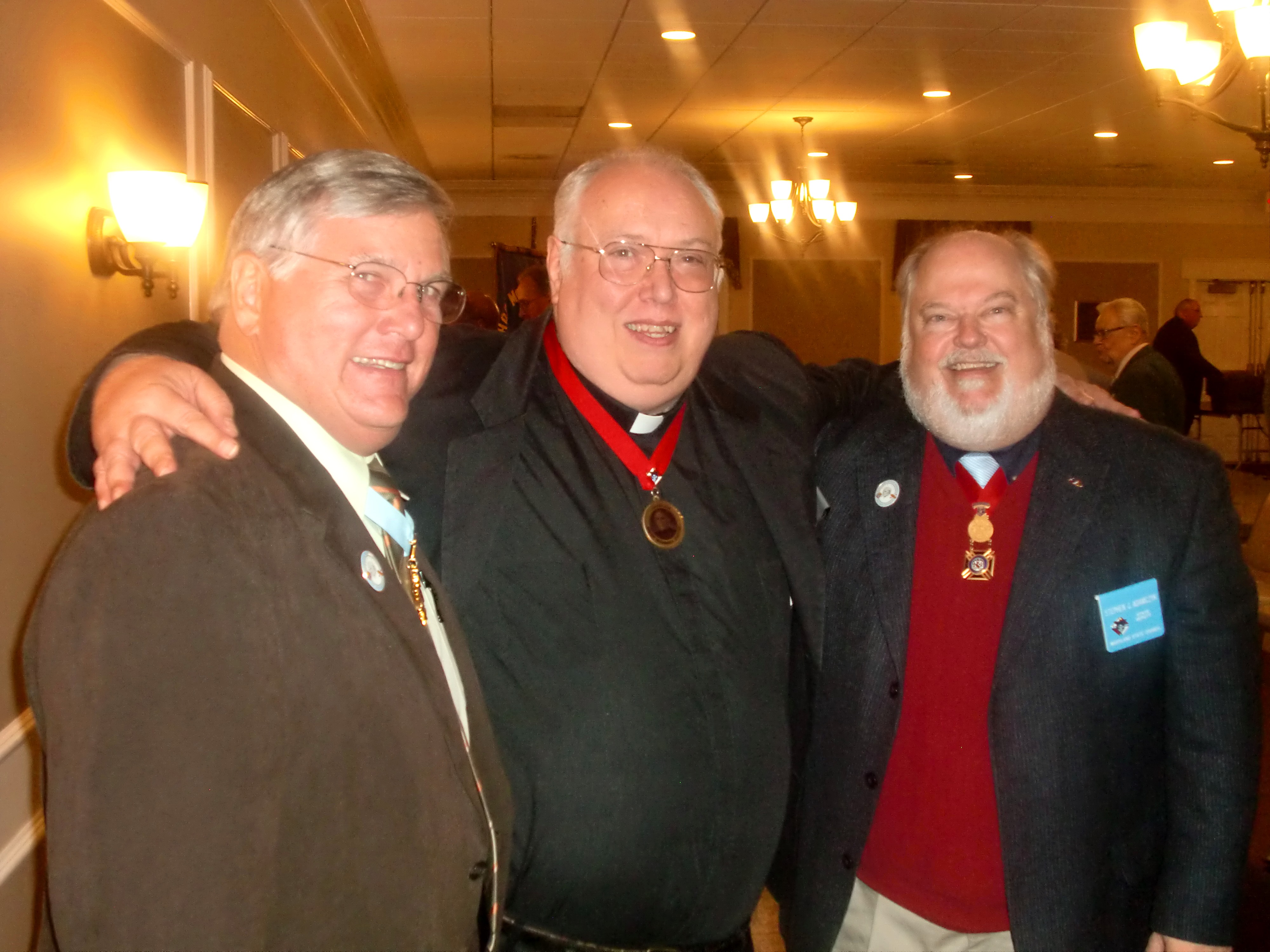
    Fr. Joseph Jenkins

  • An important theme for this blog is the scene in the New Testament where Jesus can be found FLOGGING the money-changers out of the temple. My header above depicts a priest FLOGGING the devils that distort the faith and assault believers. The faith that gives us consolation can and should also make us very uncomfortable. Both Divine Mercy and Divine Justice meet in Jesus. Priests are ministers of reconciliation, but never at the cost of truth. In or out of season, we must be courageous in preaching and living out the Gospel of Life. The title of my blog is a play on words, not Flogger Priest but Blogger Priest.

  • Archives

  • Categories

  • Recent Posts

  • Recent Comments

    Barbara King's avatarBarbara King on Ask a Priest
    Ben Kirk's avatarBen Kirk on Ask a Priest
    Jeremy Kok's avatarJeremy Kok on Ask a Priest
    Barbara's avatarBarbara on Ask a Priest
    forsamuraimarket's avatarforsamuraimarket on Ask a Priest

Purgatory, Religious Life (Nuns) & the Pope

ANTI-CATHOLIC ASSERTION

Catholics propose many things not supported in the Scriptures, like Purgatory, Nuns and the Pope. It is a serious sin to add to the Bible. Moving to the matter of the Pope, he is a man who takes upon himself the honor which belongs to God alone. People do not need the Pope to know the will of God. The testimony of Scripture is that the Holy Spirit guides each believer to all truth. All anyone needs is a bible and the Holy Spirit. The papacy has no special commission to teach; it is the pathetic attempt of the blind leading the blind. Disaster awaits them all. Catholics should abandon this man-made system which prevents them from personally knowing Jesus and being saved. Turning to Purgatory, it is purportedly a place where sins are purified after death. However, the Bible says that Jesus does this. Our fate is sealed with death– heaven or hell– nothing more.

[Not to add to the Bible] Add nothing to his words, lest he reprove you, and you be exposed as a deceiver (Proverbs 30:6).

[Regarding the absence of the Catholic Purgatory] Hence, now there is no condemnation for those who are in Christ Jesus (Romans 8:1). Just as it is appointed that human beings die once, and after this judgment, so also Christ, offered once to take away the sins of many, will appear as second time, not to take away sin but to bring salvation to those who eagerly await him (Hebrews 9:27-28).

CATHOLIC TRUTH

The citation of Proverbs contends that we must not add anything to God’s revelation; taken in the strict sense of the fundamentalist, it would logically mean that everything written (including Scripture?) after the fifth century B.C. (the date of this book’s composition) is inauthentic. Not being very rational, even with their own principles, they will deny and run away from such a position. The Catholic Church adds nothing that alters the substantial message of salvation; indeed, she validates much that the anti-Catholic would steal from God’s hands. While religious life is mentioned, fundamentalist anti-Catholics are never clear about what is wrong with consecrated life. Having spoken about the Pope elsewhere, I will not add much here. The Scriptural and historical evidence is abundantly clear that the Papacy was an institution finding its roots in the significant mission given St. Peter by Jesus, himself. Even the Orthodox churches, who are not in union with the Holy See, view the Pope as the first among equals. As for Purgatory, I fail to see how the Bible texts quoted say anything to challenge this doctrine of faith. The soul in Purgatory is destined for heaven. Jesus has indeed rescued him from the death of sin. However, since we believe that justification is not so much imputation as it is transformation, the soul must be perfected and purified before entry into heaven. The fire of God’s love itself burns away the residue of selfishness to which we cling. Temporal punishment for sin is paid and the little sins which plagued us, as well as evil habits or vices, are eradicated and we are healed. Often Purgatory has been compared to a prison, but it might better be likened to a hospital. Indeed, if Purgatory is the hospital of the afterlife, then hell is the cemetery for dead souls, who have forfeited the divine life, clung to mortal sin, and hate both God and man. The Catholic citation of 2 Maccabees brings another issue to the forefront, the deletion of a book of the Bible by Protestant reformers. Of course, it still shows the orthodox mindset of the Jews regarding prayer for the dead and what Jesus would have held as one who acknowledged by words and then by his own person, the resurrection.

[Expiation for the dead] Judas rallied his army and went to the city of Adullam. As the week was ending, they purified themselves according to custom and kept the sabbath there. On the following day, since the task had now become urgent, Judas and his men went to gather up the bodies of the slain and bury them with their kinsmen in their ancestral tombs. But under the tunic of each of the dead they found amulets sacred to the idols of Jamnia, which the law forbids the Jews to wear. So it was clear to all that this was why these men had been slain. They all therefore praised the ways of the Lord, the just judge who brings to life the things that are hidden. Turning to supplication, they prayed that the sinful deed might be fully blotted out. The noble Judas warned the soldiers to keep themselves free from sin, for they had seen with their own eyes what had happened because of the sin of those who had fallen. He then took up a collection among all his soldiers, amounting to two thousand silver drachmas, which he sent to Jerusalem to provide for an expiatory sacrifice. In doing this he acted in a very excellent and noble way, inasmuch as he had the resurrection of the dead in view; for if he were not expecting the fallen to rise again, it would have been useless and foolish to pray for them in death. But if he did this with a view to the splendid reward that awaits those who had gone to rest in godliness, it was a holy and pious thought. Thus he made atonement for the dead that they might be freed from this sin (2 Maccabees 12:38-46).

[Clear implication that there is forgiveness of sins in the next life] “And whoever speaks a word against the Son of Man, it shall be forgiven him; but whoever speaks against the Holy Spirit, it will not be forgiven him, either in this world or in the world to come” (Matthew 12:32).

[Must be made perfect before entering heaven] The treasure and wealth of nations will be brought there, but nothing unclean will enter it, nor any[one] who does abominable things or tells lies. Only those will enter whose names are written in the Lamb’s book of life (Revelation 21:26-27).

Is the Roman Catholic Church Christian?

One of the most unintelligible and repugnant of slurs is the accusation that the Roman Catholic is not a Christian. Such a mentality fails to appreciate the historical evidence which details the Catholic Church as the first and the legitimate Christian community established by Christ. The alternative to such thinking would be that Christianity disappeared entirely for 1,500 years only to reappear with the Protestant Reformation. Would our Lord abandon his Church and allow the truth to be eclipsed throughout the centuries? Of course not— there is no logic to such a view. The Lord promised that he would never abandon his Church, even unto the end of the world.

One anti-Catholic proponent declared that practically all the “precepts” of the Roman Catholic faith contradict the Scriptures. However, a thoughtful reading of the Bible will reveal that quite the opposite is true: the Bible validates the Catholic religion. While the critic uneducated to Catholic terminology and faith might use the word “precept” to include all things Catholic, it is actually understood in the Church as an ecclesial positive law. Just as civil society needs laws by which civilization may be maintained, so too does the community of the Church need laws for good order and to insure the furtherance of the Christian life.

The first precept stipulates: “You shall attend Mass on Sundays and holy days of obligation.” It is very much related to the commandment to keep holy the Sabbath Day. Coincidentally, it was the Catholic Church which transferred the commemoration of this day from Saturday to Sunday. Thus, there is at least one matter where many anti-Catholics acknowledge the authority of the Pope over their lives and religious observance. We are called to worship on the Lord’s Day. What is so terrible about this? Nothing! Those who hate the Mass forget that Jesus told his friends at the Last Supper to repeat it in memory of him.

The fourth precept is very much like it: “You shall keep holy the holy days of obligation.”

The second precept stipulates: “You shall confess your sins at least once a year (if you are in serious sin).” Coincidentally, it was the Catholic Church which allowed such repeated penance to be practiced so that fallen away Christians might be allowed reentry into the faith community. Initially, serious sin after baptism cast a member from the community as not one of the elect. Thus, the practice of Catholics in repentance and seeking reconciliation with God and with the Church after conversion and initiation can be traced back to the Catholic leadership’s use of the keys to the kingdom. What is so terrible about encouraging a prodigal son or daughter to come home? Nothing! Those who hate Confession forget that Jesus gave the power to forgive sins to his Church.

The third precept stipulates: “You shall humbly receive your Creator in Holy Communion at least during the Easter season.” Coincidentally, even the narration of the Last Supper in 1 Corinthians is a recounting of the manner in which the Pauline Eucharist was celebrated. Did the Lord not say that unless you ate his flesh and drank his blood, you could have no part of him? Thus, the renunciation of the Lord’s Supper by many anti-Catholics is disobedience to a direct command from Christ and is a rejection of an apostolic testimony from the Scriptures. What is so terrible about fulfilling a mandate from Christ? Nothing! Those who ridicule the host as a “wafer God” blaspheme against the Lord.

The fifth precept stipulates: “You shall observe the prescribed days of fasting and abstinence.” Did the Lord not fast? Did not John the Baptizer mortify his flesh? They most certainly did. Knowing the value of discipline as a help to Christian character and as an inducement to selfless prayer, the Church recommends such austerity. What is so bad about imitating our Lord? Did he not say that a day was coming when the bridegroom would be taken away– a time for fasting? He sure did. Those who reject such penance are often the first to run away from any suffering inherent in following Christ.

The Catholic faithful are also duty bound to support the Church, materially and spiritually. Do not even non-Catholic churches take up donations and free-will offerings? Sure they do. Most of what is collected in Catholic Churches goes back into the work of the Gospel.

Anti-Catholic cults have some nerve calling the universal Church of Christ a cult. The so-called compassion such enthusiasts exhibit in stealing away Catholic membership is merely a symptom of their egoism. Instead of conforming themselves to Christ, they refashion Christ to themselves and to their message. Theirs is often a messianic cult of personality. Beware if such people tell you that they really care. The true prophet is humble and is always alert not to allow his own message to displace or overshadow that of Christ– even when it is a truth we personally would rather not hear. The Good News of Christ can be consoling; however, it can be very challenging as well. Sometimes the Church is attacked, not for what she believes but for what individuals and/or groups within her did in the name of religion. Often the abuses of the Inquisition or Crusades are listed as prime examples. Much of the Inquisition was the work of various governments and in some cases the Holy See pleaded for clemency and mercy. Further, many Protestant groups were also quite good at killing Catholics when they happened to stand in the way of their objectives– as in England. Such is not just the failure of religion; it is the failure to give Christianity a chance. Many figures for the death tolls are thrown around but they are also largely exaggerated. We must not lose sight of the fact that there were also positive objectives to movements which might have gotten out of hand. The threat of Islam was very much like that of Communism during the Cold War. The Inquisition was to insure that the Catholic Christian faith was safe in Western Europe. The Crusades were to give free access to the Holy Land for Christian pilgrims. The latter task met with limited success but resulted in an agreement where such pilgrimages continued into modern times. Another consequence of the Crusades, now recognized in Israeli law, is the right of Christians, albeit Catholics, to maintain many of the important religious sites in the Holy Land. All are welcome to these sites. Many missionaries and the Franciscans in particular have sacrificed much to insure this right of Christians. Long before the non-Catholic churches and cults came into existence, the Catholic Church was conducting operations which would come to the benefit of all Christians. It should also be noted that the Catholic Church is today at the forefront for the defense of human and religious rights. The understanding of such liberties, as with many doctrinal matters, sometimes only becomes clear over time and after a certain development. The greatest holocausts in all history are happening right now, especially with abortion; we are hardly in a position to pass judgment on the past. While suffering and death was once counted in hundreds and thousands, it is now numbered in the millions. The mindset of both Catholics and Protestants in days gone by was that the murder of the soul was as serious, if not more so, than the murder of the body. This perspective was what led to a severity toward which we would cringe today. Oddly enough, the love of God and the desire for the salvation of others was often still an ingredient. Hopefully, Catholics and Protestants can learn from the past; however, such has yet to be demonstrated.

Of course, anti-Catholic critics only want to fight the old battles all over again. One of their heroes is John Wycliffe (c. 1325-1384). He challenged the property rights of well-to-do clerics who fell from a state of grace, claiming that such resources then fell to the secular prince or monarch. Such anticlerical views ironically made him popular with poor priests. However, he got into real hot water over unorthodox views toward the Eucharist. He never meant to deny the doctrine of the Real Presence of Christ in Holy Communion, as the anti-Catholics do as a matter of course. Many of his views were ultimately judged heretical; but, he could hardly be the poster boy for the fundamentalists today. Indeed, he was quite devout until he had a stroke while at Mass. He believed in an ordained priesthood along Catholic lines but insisted upon evangelical simplicity. Another of their heroes is William Tyndale (c. 1494-1536). Leaning toward the humanism of Erasmus, he engaged in several debates with St. Thomas More over Christianity and the Catholic faith. More was a devout Catholic and Tyndale, while he had started out that way, had gravitated toward Protestantism. Both men would find themselves facing execution. Influenced by Martin Luther, Tyndale made a translation of the New Testament. It is interesting that Tyndale’s views were so unorthodox that not only did Catholics find him suspect, but the Lutherans forced him to leave England for Germany. He was not above breaking the law to bring about reformation. Regarding many matters, the views of these two men would be closer to Catholicism than to any anti-Catholic fundamentalism.

The issue with these two men and the Catholic faith was not their stress on the Scriptures, but upon interpretations which ran contrary to the consensus of the Church throughout the centuries. This is still the state of affairs; although anti-Catholics often paint a stark picture of deviation between Scriptural revelation and doctrinal truth.

Teaching Authority: Is the Pope the Holy Father?

The Papacy is one of the favorite targets of anti-Catholics. I recently read one who contended that calling him “Holy Father” was the equivalent of calling him God. How anyone can give such silliness any credence is beyond me. The title signifies that the Pope functions as a father to God’s family. He is a visible sign of the unity and authority of the Church founded by Christ. Even though Christ’s true father was almighty God in heaven, is it not beyond a doubt that he treated his foster father Joseph with all the respect one would render such a parent? Sure. Similarly, the Pope functions as a kind of foster father over the People of God. He is the successor of St. Peter and the Vicar of Christ. As the term of unity for the Church, the Pope’s fatherhood is modified with the word holy. The Church is holy, not because of the presence of a sinful membership, but because Christ is holy. He sends his Spirit to sanctify the Church and to safeguard the authority he established. Turning to a more mundane level, all our men should function as holy fathers in their families and in the community. It is an element of male identity which can be amplified by the transformative presence of Christ.

While it is true that the overture, “Holy Father,” is noted in the Scriptures in reference to God, it appears in a passage stressing the unity of God’s people who enter into the divine life and love, itself. Christ is the ultimate term of our peace and unity; however, he has given us teachings, sacraments, and authority to manifest and express these sacred realities. We read in John 17:11-12:

“And I am no longer in the world, but these are in the world, and I am coming to thee. Holy Father, keep in thy name those whom thou hast given me, that they may be one even as we are. While I was with them, I kept them in thy name. Those whom thou hast given me I guarded; ….”

Note that he who shares in the one priesthood of Christ, from the lowliest clergyman to the greatest of bishops, accepts unto himself the title of father. This is the pattern given by Christ for his family of believers. Our fatherhood is to make real and to point to the one who is the Father of all. Following in the footsteps of Jesus, we still take seriously the charge of guarding those given to us by God. As Christians, we bear the name of our Lord in our identity and address all our prayers to the Father Most Holy– God in heaven. There is no confusion in the affectionate titles of reverence given priests and Popes and the wondrous Fatherhood of almighty God.

This same critic contended that Catholics look upon the Pope as the Holy Spirit. Absolutely crazy! He concludes this wild idea from the fact that the Pope and Bishops are protected by the Holy Spirit in offering authoritative teaching and interpretation of Scripture. However, Protestants also take sides between conflicting ministerial authorities and publish many tracts and books on religion, even on the internet. If we are only to rely on the Bible and personal interpretation, then logically they should have no books at all; indeed, other than quoting Scripture, it would seem that no minister, even an anti-Catholic one, could tell another believer what he can and cannot believe. Of course, such is not the practice. Every anti-Catholic bigot has made himself into his own Pope– and without the universal authority given by God, I should add.

In seeming opposition to the Catholic position of a divinely established authority to help us properly understand the Scriptures, anti-Catholics like to cite 1 John 2:27:

As for you, the anointing that you received from him remains in you, so that you do NOT NEED anyone to teach you. But his anointing teaches you about everything and is true and not false; just as it taught you, remain in him.

The Catholic Church does not deny the value on a personal basis of invoking the Holy Spirit so that we might remain in the truth. Indeed, there is a traditional prayer to this effect often recited by Catholics before reading the Bible. However, this in itself does not negate the presence and/or need for a universal authority to assist us in the truths of God. The words in this quotation were directed toward many in the Church leadership, too. The admonition of this letter is not against the teaching authority of leaders in the Christian community; after all, John himself who writes this letter under the inspiration of the Spirit is also exerting something of his own authority as an apostle. (Remember, the bishops are successors of these apostles!) The warning in John’s words is to remain faithful to the truth given to you (plural), the Church, as opposed to the heretical teachings of the Gnostics who at that time sought to dilute the membership and to alter the Gospel. Gnostics were a false Christian sect who denied the humanity of Christ. They failed to understand how an earthly Jesus could be revelatory of the Father. John’s words are in defense of the incarnation of Christ as one of us. There is nothing here contrary to Catholic faith.

Mean-spirited, anti-Catholics insinuate that the Pope is the beast of Scripture prophecy and that he is an anti-Christ. This maligning of an office and the men who have filled it is quite tragic. If it were not for the strength of the Popes and the Catholic Church, we would be following the superstitions of the Mongul horde or the religion of the Islamic invaders. So much for thanks! The Popes and the Church have preached Christ crucified for two thousand years; and the price we receive in return, is a share in that crucifixion at the hands of people who claim to follow Jesus. Although originally referring to Gnostics, and not Catholic Christians by any standard, the letter reviewed here does offer some wisdom regarding anti-Christs who oppose the true Church and faith (1 John 2:18-19):

Children, it is the last hour; and just as you heard that the antichrist was coming, so now MANY ANTICHRISTS have appeared. Thus we know this is the last hour. They went out from us, but they were not really of our number; if they had been, they would have remained with us. Their desertion shows that none of them was of our number.

This “last hour” is literally the interim between Christ’s death and resurrection and his second coming. These “antichrists” are adversaries of Christ, false teachers, who distort the faith handed down to us in the Catholic community. Apostate teachers prove their faithlessness by abandoning the true Christian community. Was this not what the original Protestant reformers did a number of centuries ago? Is this not what a number of former Catholics have done in our own day? Certainly it is. We are the Mother Church going back to the early apostolic community. Reformers may have taken a few sacraments and our book, the Bible with them, but their breech was an assault upon the Church of Christ. Again, we find that passages ignorantly quoted by the foes of the Church actually vindicate her reality and mission. Charges of apostasy fall back upon the anti-Catholic pseudo-Popes. We need to pray that the Holy Spirit will enlighten them to the truth before it is too late.

The Apostles & their Successors


Titus 1:5: This is why I left you in Crete, that you might amend what was defective, and appoint [ordain] elders [priests] in every town as I directed you . . .

Acts 13:2-3: While they were worshipping the Lord and fasting, the Holy Spirit said, “Set apart for me Barnabas and Saul for the work to which I have called them.” Then after fasting and praying they laid their hands on them and sent them off.

The Scriptures make the strongest possible case for apostolic succession. Holy Orders is what we call this transmission of apostolic authority and power down through the ages.

For more such reading, contact me about getting my book, DEFENDING THE CATHOLIC FAITH.

Peter the First Pope

Matthew 16:18-19: “And I tell you, you are Peter, and on this rock I will build my church, and the powers of death (gates of hell) shall not prevail against it. I will give you (Peter) the keys of the kingdom of heaven, and whatever you bind on earth shall be bound in heaven, and whatever you loose on earth shall be loosed in heaven.”

Peter is the ROCK of the Church precisely because Jesus is the FOUNDATION STONE. Our Lord extends his own authority.

Later Our Lord made Simon-Peter pastor of both the lambs and the sheep, which is His whole flock.

John 21: 15-17: When they had finished breakfast, Jesus said to Simon Peter, “Simon, son of John, do you love me more than these?” He said to him, “Yes, Lord; you know that I love you.” He said to him, “Feed my lambs.” A second time he said to him, “Simon, son of John, do you love me?” He said to him, “Yes, Lord; you know that I love you.” He said to him, “Tend my sheep.” He said to him the third time, “Simon, son of John, do you love me?” Peter was grieved because he said to him the third time, “Do you love me?” And he said to him, “Lord, you know everything; you know that I love you.” Jesus said to him, “Feed my sheep.”

Our Lord promised that Peter would confirm the faith of the other Apostles:

Luke 22:32: ” . . . but I have prayed for you [Peter] that your faith may not fail; and when you have turned again, strengthen your brethren.”

Changing Simon’s name to Peter, our Lord established his Church with Peter at its head. Any Church separated from the See of Peter is not the true Church of Christ.

For more such reading, contact me about getting my book, DEFENDING THE CATHOLIC FAITH.

The Church is APOSTOLIC

Titus 1:5: This is why I left you in Crete, that you might amend what was defective, and appoint elders (in other words, priests) in every town as I directed you . . .

Acts 13:2-3: While they were worshipping the Lord and fasting, the Holy Spirit said, “Set apart for me Barnabas and Saul for the work to which I have called them.” Then after fasting and praying they laid their hands on them and sent them off.

The apostles passed on their responsibility and authority to others. The bishops of the Catholic Church are their lawful successors. Even St. Paul, blinded by the light of Christ and called to bear his Gospel to the Gentiles, had to be ordained by the apostolic men already ministering. Where do modern Protestant ministers get their authority to teach, preach, and govern? The answer is, only from men. The shepherds of the Catholic Church receive their authority from Christ.

For more such reading, contact me about getting my book, DEFENDING THE CATHOLIC FAITH.

Infallibility

John 14:26: “But the Counselor, the Holy Spirit, whom the Father will send in my name, he will teach you all things, and bring to your remembrance all that I have said to you.”

Acts 1:8: “But you shall receive power when the Holy Spirit has come upon you; and you shall be my witnesses in Jerusalem and in all Judea and Samaria and to the end of the earth.”

Matthew 28:18-20: And Jesus came and said to them, “All authority in heaven and on earth has been given to me. Go therefore and make disciples of all nations, baptizing them in the name of the Father and of the Son and of the Holy Spirit, teaching them to observe all that I have commanded you; and lo, I am with you always, to the close of the age.”

John 14:16-17: “And I will pray the Father, and he shall give you another Counselor, to be with you forever, even the Spirit of truth, whom the world cannot receive, because it neither sees him nor knows him; you know him, for he dwells with you, and will be in you.”

God cannot lie. If the Holy Spirit is the true teacher of the apostles and the guardian of the truth in the Catholic Church, as the Bible indicates, then we can be confident in the matters of faith and morals the Church offers us. The Church must be infallible if we are to be assured in not losing our way. Those who contend that the Catholic Church fell into error and adulterated the Gospel should be made aware that they insult both our Lord and the Holy Spirit. Fidelity to Christ and the Church, “the pillar and ground of truth” is urged by St. Paul, especially since even early on he could write: “For some have already strayed after Satan” (1 Timothy 5:15). This is often the case for those deafened and blinded to the Catholic Church’s message.

For more such reading, contact me about getting my book, DEFENDING THE CATHOLIC FAITH.

Church Authority

Hebrews 13:17: Obey your leaders and submit to them; for they are keeping watch over your souls, as men who will have to give account. Let them do this joyfully, and not sadly, for that would be of no advantage to you.

Matthew 18:17: “If he refuses to listen to them, tell it to the church; and if he refuses to listen even to the church, let him be to you as a Gentile and a tax collector.”

Luke 10:16: “He who hears you hears me, and he who rejects you rejects me, and he who rejects me rejects him who sent me.”

Matthew 16:19: “I will give you (Peter) the keys of the kingdom of heaven, and whatever you bind on earth shall be bound in heaven, and whatever you loose on earth shall be loosed in heaven.”

Galatians 1:8-9: But even if we, or an angel from heaven, should preach to you a gospel contrary to that which we preached to you, let him be accursed. As we have said before, so now I say again, if anyone is preaching to you a gospel contrary to that which you received, let him be accursed.

The claims of authority for the leadership of the Catholic Church find verification in the Scriptures. It is given by Christ and affirmed by the apostles. Since the Church acts in the name of our Lord, we even back up the Decalogue with the precepts of the Catholic Church. Chapter 15 of Acts gives a wonderful instance of leadership among “the apostles and the elders” over the community against those who “troubled [them] with words.” This troubling continues today in the voices of secularism and anti-Catholic fundamentalism.

For more such reading, contact me about getting my book, DEFENDING THE CATHOLIC FAITH.

The Father Cutie Scandal

cutie9Given the recent publication of Fr. Cutie’s self-justifying book, I thought it worthwhile to publish these revised reflections at my BLOGGER PRIEST site:

There are some critics who contend that the scandal in Miami with Father Alberto Cutie is providential. While God can certainly write straight with our crooked lines, I would stress that he never directly intends evil. There I have said it. I have used the big “e” word, EVIL. I am not judging anyone’s soul. However, I can make a judgment upon scandal and the actions of people in the public square that might lead good Catholics astray. I am not entirely sure what happened with Father Alberto Cutie. He appeared on the news with details we did not need but which have further confused and complicated matters. Now he writes a “tell all” book which attacks the teachings and disciplines of the Catholic Church.

He insisted that for twenty-one years he absolutely preserved his celibacy intact and was not sexually intimate with anyone. That is fine and dandy. But then, what happened? During one TV interview he said he “believes” he has fallen in love. He said he “believes” that God might be calling him to marriage. He said he “believes” that celibacy is a good thing and does not want to be the poster boy for married priests. He denied a sexual relationship, told one interviewer he had been intimate with the woman in the photographs, but not sexually and yet he apparently said in another news program that he had been sexually intimate with her. He said that he did not go out of his way to make trouble for the Church. He said that he and the woman he cared about were almost alone on the beach and that they were not there long. But the compromising photos were taken, despite attempts at stealth. Okay, but still he sought to hide a romantic relationship to which he had long ago given up any right to have.

He preached and gave one message in his parish and on radio and television; but he lived another. Had he been an ordinary parish priest, there would have been a local scandal, but it would not be international news. It would not be the stuff of tabloids and anti-Catholic videos. After he was censured, this priest continued to speak about the matter in public. The problem grew. He gave countless interviews in both English and Spanish. He just would not stop talking. He still has not stopped.

A Reflection on Celibacy

What can we say to the enemies of compulsory celibacy for priests? Priestly celibacy is not outdated. It is a powerful sign of contradiction that neither the devil nor the hedonists of the present age can stand. They malign it as a fantasy or cover-up for hordes of homosexual and/or pedophile clergy. Priests forgive the sexual transgressions of other men and women all the time. However, if a priest should fall, there is only recrimination and exile.

There is nothing wrong with men and women expressing love to one another. It is natural and beautiful. But sexual congress belongs to the state of marriage alone. Priests like all men can make mistakes; but, unlike most men, the majority of priests in the Roman Rite are pledged to a lifetime of celibate love. Yes, while celibacy is a discipline, it is also a manner of loving others, albeit in a single-hearted way. The celibate priest knows a special solidarity with the brokenhearted, the poor, the suffering and those who are alone. His celibacy says that he belongs to the people he serves, without reservation or distraction. He does not belong to another person or even to himself. He belongs to the Church in which he serves. He demonstrates his love for God in how he pours out his life for others.

One early interview was particularly disturbing when it was asked if he would stay or leave the Catholic Church. He admitted that he was currently weighing his options. I was saddened. I thought to myself, if a charismatic priest, regarded by some as the Oprah of the Church, should defect, the harm he would inflict upon the Church could be enormous. He had been instrumental in drawing many people back to the practice of their faith. This scandal could further explode and cause an exodus of souls from the true Church.

He was handsome and seemingly filled with vigor and love of the Church. Such things are contagious in a good way. But hero-worship of any sort, particularly with celebrities, has a dangerous flip-side. They can do much good. But, they are also capable of terrible wrongs and damage. Younger people who easily related to him might now view the rules of the Church as arbitrary and heartless. They might say to themselves, if someone like Father Cutie can no longer tolerate the Church, then why should I?

Critics contend, “Isn’t the Father Cutie scandal just further evidence that it is wrong and dangerous for Catholic priests to suppress their natural desires for sexual intimacy with women?”

The priest in question admitted he had a long-standing serious struggle with his sexuality and need for a wife and family. It may be that he sought ordination without open full deliberation and resolution of this concern with those to whom he was entrusted for formation. He may have been chaste in his behavior for many years but failed to surrender dreams and hopes for a family of his own. The man who would be a priest must let these things go. His hopes and aspirations should revolve instead around his prayer life and his goals and service as a pastor of souls. Men in seminary must also be realistic about their drives. As St. Paul reminds us, it is better to marry than to burn. Priests must also be very wary of their fantasies regarding choices not made and how other men might live. The grass might seem greener on the other side of the fence; but priests must not trespass where they do not belong. They freely embraced celibacy so as to enter into holy orders and become priests. Had they become married deacons, they would still be clergy in the Church. They could have lived saintly lives as laymen. But they made a choice. They made promises. These promises should be kept. Before ordination is the proper time for deliberation and soul searching, not afterwards.

The business about Father Cutie should have no meaning beyond this one poor priest, himself. He is not representative of the thousands of other priests in the United States who have never compromised their promises or their celibacy. The impression from the question is that men cannot be expected to have any semblance of self-control. This is silly and shows just how far our society and its views have been contaminated and distorted by excessive nudity, immodesty, and eroticism. We even dress our little girls like whores and then wonder why there is child abuse. Teenagers have their bellies exposed and shorts up to their crotches. Parents sometimes object but then cannot find decent stuff in stores. Television and movies celebrate fornication and give us scene after scene of simulated sex acts. Pornography has gone main stream and sexual gratification is viewed as a necessary rite of passage. It is into this mix that we find the celibate priest. Mothers want their sons married because they cannot see how a man might otherwise be happy. Fathers want their sons married because otherwise everyone will think they are gay. The truth is that celibacy can be very rewarding and liberating. Celibacy is not a denial of love but a special way of loving.

The priest promises perpetual celibacy but even married men promise a fidelity to a spouse which will require periodic chastity. Those who follow Natural Family Planning would understand how one must be creative in love, perhaps reverting back from time to time to the romantic and chaste acts of courtship during fertile periods. Celibacy is not merely a matter of priests suppressing their sexuality; rather, it is redirected to a love of God and a love of neighbor in sacrificial service. Priests, who say their prayers and stay busy, have neither the time nor the interest to pursue an exclusive relationship. If men in general cannot be expected to control themselves, then what happens when a spouse is sick or incapacitated or away? If the husband has military duty abroad or the wife has to travel back home to care for an ailing parent or there is an extended business meeting, would the man control his sexual urges or be compelled to commit adultery? If his wife is sick and cannot have sex with him, does he necessarily turn to her pretty nurse as a proxy? An over-sexed society suffering from an epidemic of fornication, perversion, adultery, pornography, prostitution and child endangerment can hardly speak in a credible way about priestly celibacy and marriage. The trouble with these fallen priests is not the Church but the fact that they themselves are formed and affected more by the fallen world around them than by the Gospel. Secularists and hedonists criticizing priestly celibacy are like inebriated boozers telling teetotalers to take a drink.

Where Does a FIRED Catholic Priest Go?

Before he made his jump, I read one critic who argued that Father Cutie could defect to the Episcopalian Church, get married and continue his parish and media ministry. I wrote: “Yes, he could do this, but he might forfeit his soul in such a move. The moral state of people who were raised in the Episcopal or Anglican Church is one thing; the state of those who abandon Catholicism to join their ranks is another.”

The original Protestant reformers may have paid a terrible price in their break from Rome. They should have known better. The same cannot be said for those who were raised in the Protestant traditions. This is all they know. Those elements of Catholic faith preserved after the break may very well be meritorious for our Protestant brothers and sisters. However, those very same elements may convict former Catholics who were supposed to remain steadfast within the body of the Church and in the profession of all that we believe as true. Ignorance of the truth does provide some measure of excuse. Catholics in general and priests in particular, would have a more difficult time. They were one with the true Church. They professed its faith and received its sacraments. The conviction from the Fourth Lateran Council, Trent and in the margins of Vatican II cannot be escaped: there is no salvation outside the Church. Those who know, perfectly well, that the Catholic Church is the true Church, and then refuse to join or leave its ranks, might lose their place in the heavenly kingdom. In addition, the Holy Father has insisted that Protestant churches are ecclesial communities but not churches in the full Catholic sense. The Anglicans like to see themselves as a branch of Catholicism, but this sentiment is not shared by the successor of St. Peter. There are serious questions about apostolic succession and its priesthood and Mass. Non-Catholic communities suffer from many dire errors in teaching. Yes, the Episcopalians have married priests, but they also have openly gay clergy and (women) priestesses. They tolerate abortion, sodomy, fornication, contraception, divorce and remarriage, etc. I doubted Father Cutie could stomach such a so-called church for long; I guess he is proving me wrong.

Father Alberto Cutie Defects to Episcopal Church

I grieve for the Church. It was bad enough that Father Alberto Cutie was living a secret life. He seemed more apologetic about being caught than about having his scandalous doings with his lady-friend photographed on a Florida beach. But next we are told that he joined the Episcopal Church. My heart droped at the news.

The wayward priest spent his designated “retreat” time hanging out with his girlfriend. He did not even try to reform. We have all been deceived. While he asked forgiveness and said that he did not want to be the poster-boy for married priests, he has abandoned the true Church entirely. He has done the very thing which he promised he would not do. He has brought both Church doctrine and discipline to ridicule. He has hurt the faith of simple people. Given his popularity as a pastor and as a widely-known media priest, the danger of his defection is incalculable. Who knows how many will follow him out of the Catholic fold?

The Episcopal Bishop Leo Frade should be deeply embarrassed by his disrespect to the priest’s legitimate bishop, Catholic Archbishop John Favalora. Bishop Frade was not Father Cutie’s true spiritual father, but rather of a robber who came to steal from the flock. In this case, he did not get away with sheep but with the shepherd. Ecumenism was dealt a serious set-back. I was surprised not to see lightning bolts from heaven about this travesty. The good Archbishop would have us pray for his prodigal son in the hope that he might return to the fold.

Quickly defecting after the news of his infidelity broke, he was unwilling to give the matter the proper amount of time and distance for sober reflection. I have to wonder how much of this was premeditated. There was even speculation that his girlfriend may have had some prior involvement with the photographer on the beach. But I think it is reaching to suppose he was setup to force his hand. Regardless of the machinations behind the scenes, the blunt of the blame must be borne by Father Cutie.

Although supposedly orthodox in his teachings, this latest act shows quite the opposite. He broke trust with his bishop and brother priests but now refers to Episcopalian priests as his “many brothers… [who] serve God as married men and with the blessing of having their own families.” This act sickens me. Episcopalian priests may be good Christians, but he sees no difference between the authentic priesthood of Catholicism and the empty shell of Anglicanism. He is not the first. But, almost every one of them abandoned Roman Catholicism, not for deep-seated doctrinal reasons, but because of the desire to bed a woman and still retain a public or ministerial persona as a spiritual guru.

Catholicism receives many Episcopalian priests into her ranks, but they are drawn by doctrinal permanence over fluctuating instability, moral absolutes over relativism and humility coupled with obedience to God and his Church over a selfish and earthbound liberalism. Those who become Catholic often sacrifice much in the way of salary, standing and home. While a few married Episcopalian priests have been ordained in the Catholic Church; many have sacrificed their ministries entirely to be a part of the Catholic family. They placed a higher premium on divine truth than upon a capricious religion easily swayed by the fads and fashions of the day.

How could he give advice about faith and relationships to others on television, radio and in writing when he was so personally messed up? People came to him for life-giving water; but he was really an empty well. Many of his supporters seemed more “on his side” than in harmony with the mind of the Church. He made disciples, inadvertently I suppose, less for Christ and his Church and more for himself. Sometimes I think the Church should rotate clergy in media settings. Left too long in front of the camera or on the radio– and a personality cult frequently develops. We should not hero-worship our clergy. If a popular priest should fall, he might take many souls with him. This business with Father Cutie has re-ignited the married priest debate even though most active priests prefer the status-quo in favor of compulsory celibacy. Who knows how dire this will continue to be for the Church in Miami?

A television station showed parishioners of St. Francis de Sales Parish marching around their church in support of their former pastor. Evidently they did not care that their pastor had broken his promises and had lived a lie. When interviewed they compared Father Cutie’s transgressions favorably against the terrible crimes of pedophiles. The real comparison is with good and faithful celibate priests.

The situation was intensely precarious. Later it became a great deal worse. The woman was identified as Ruhama Canellis. She stood by his side at Trinity Cathedral where they both entered the Episcopalian church. The Episcopal bishop and priests in attendance dressed up for the event. They pulled all the stops. Even priestesses were in attendance. He was planning to marry his lover and to become an Episcopalian priest. He has now realized these aspirations. I suppose it is fitting. King Henry VIII stole the English people from the Catholic Church so that he might divorce and remarry. Canellis is a divorced woman. Did Father Cutie miss the class in seminary on basic Christian morality? Are not fornication and adultery still sins? This should matter to them both. In addition to these concerns, he is now a renegade Catholic priest. If he accepts Protestant teaching, and plans to expound upon it, then he will be a heretic as well. He is digging a big hole for himself. My fear is that thousands might fall into it with him.

Well, it is a sad thing, but if the Episcopalian church wants our rejects then that is their trouble. Look how quickly they grabbed this fallen priest. We would have taken more time with one of theirs. His legitimate Catholic bishop was not even notified about his reception into the Episcopal “church.” That shows how little respect Father Cutie had for him and the ROMAN Catholic Church. The Episcopal diocese should be ashamed of itself. But given the current fragmented status of the Episcopal communion, are they even capable of shame? This was all quite sleazy and I suspect it was in the works for some time. I have no respect for men who do such things.

Father Cutie described his new faith affiliation as “a new family” and yet we do not subscribe to any form of religious relativism. Father Cutie disowned his family. That should be the real headline. All churches are not the same. The Holy Father was clear. The Catholic Church is the true Church; Orthodoxy is a defective church; and all Protestant groupings are ecclesial communities, but not properly CHURCH. Many Protestant communities claim no priesthood or Eucharist; Episcopalians claim both but the Catholic Church judged their orders invalid and their Eucharist as false.

SEE APOSTOLICAE CURAE (Pope Leo XIII, 1896)

They are not a branch of Catholicism but a foreign misbegotten creature that has delusions of grandeur while feigning a pedigree it does not really possess.

What clouds the issue is the presence of former Catholic priests in the Episcopal community. They are still priests, even if in mortal sin and excommunicated. Father Cutie says that he will continue to proclaim God’s Word; but what is a Catholic priest apart from the Catholic Church? Will he preach the Word of God or the word of Cutie? Father Cutie is rejecting the Pope, the authority of his lawful bishop, the seven sacraments as clearly defined by Catholicism, our view of priesthood, our moral teachings on sexuality and marriage, the prohibition against divorce and remarriage, and the basics of Catholic ecclesiology. Will he be happy? Can he close his mind and heart to the many differences we have with Episcopalians? He will be obliged to accept women priests, gay bishops and same-sex unions, a tolerance for abortion, artificial contraception and divorce with remarriage. He is leaving the Church of commandments for the church of anything goes. He says, “I will always love the Catholic Church.” But, he did not love her enough. The Church was his bride. Now he has traded her for two paramours: the divorcee and the mistress church of Henry VIII and Cranmer the despoiler.

Scripture & Tradition

Why must we deal with anti-Catholic critics and their distortions? The fact is that Scripture, separated from the living tradition and Magisterium of the Church, loses its grounding and can be easily corrupted. The assertion that the authenticity of the Scriptures rests entirely upon itself is an argument that runs counter to the facts and the history of God’s people. The Church collected and, under the inspiration of the Holy Spirit, is the source for the New Testament. Before one word of the Gospel was written, there was the ministering and teaching Catholic Church. The notion that Old Testament prophesies legitimate the Bible fails to recognize that the promise was given to the Jewish people, the first people called by God to be in covenant with him. There are no Scriptures separated from a community established by God. The Catholic Church recognizes that Old Testament prophecies of the coming Messiah do indeed point to Jesus. This is not a matter of debate. Some anti-Catholic bigots still insist upon fighting the Catholic Church and her historical role in all this.
For more such reading, contact me about getting my book, DEFENDING THE CATHOLIC FAITH.