
• Our Blogger

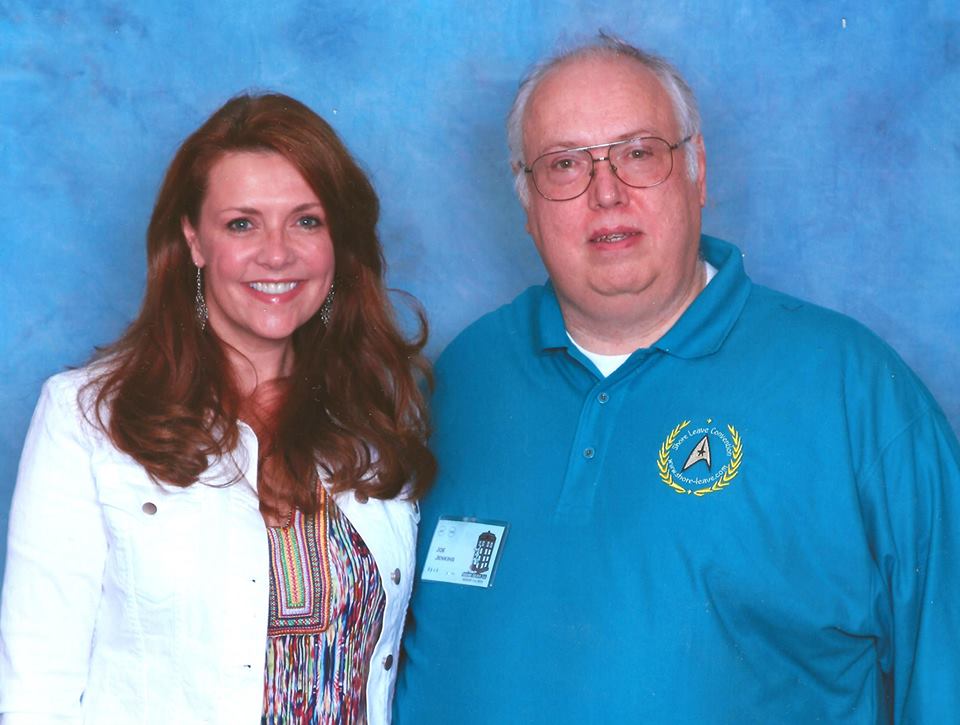
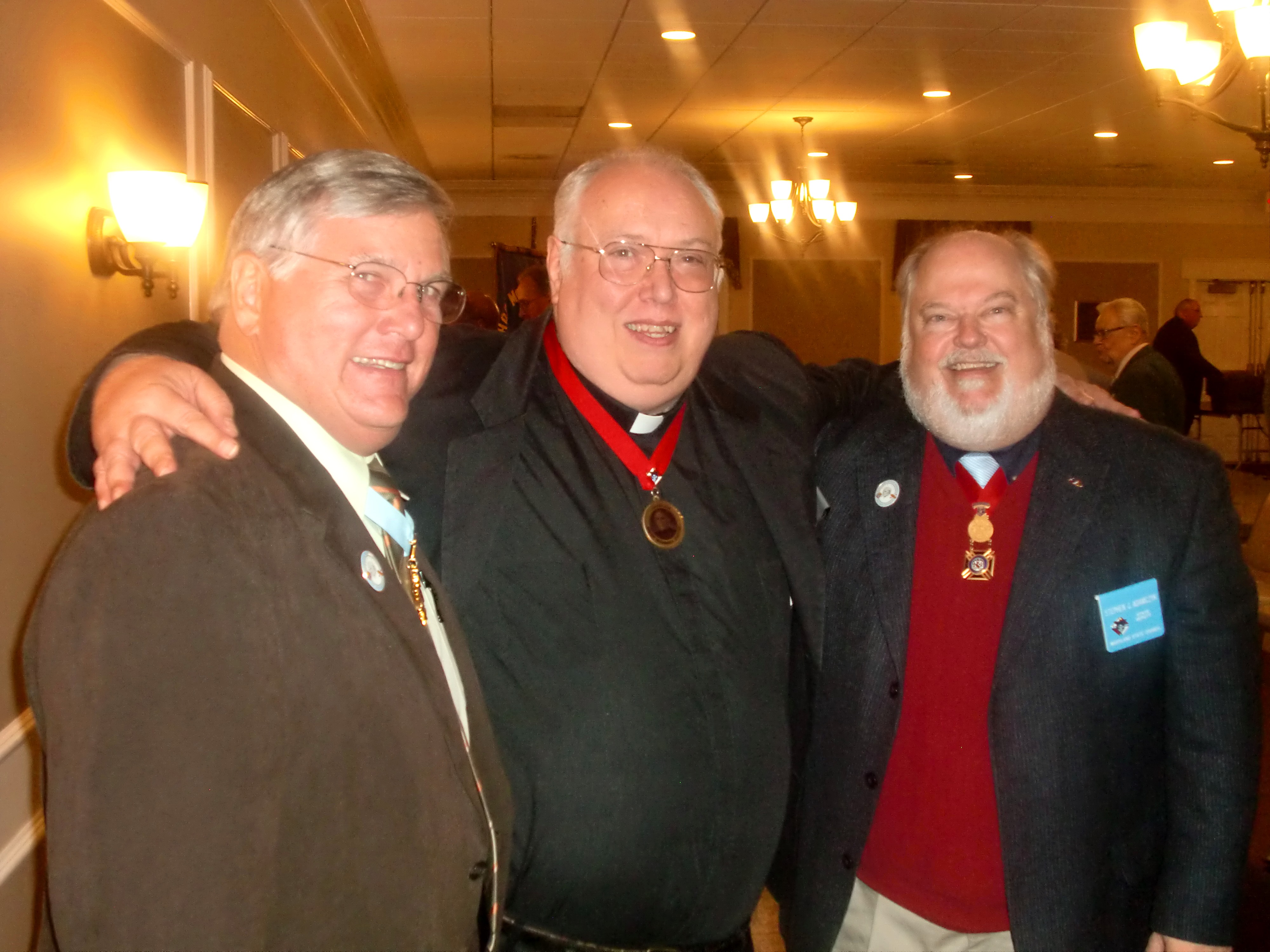
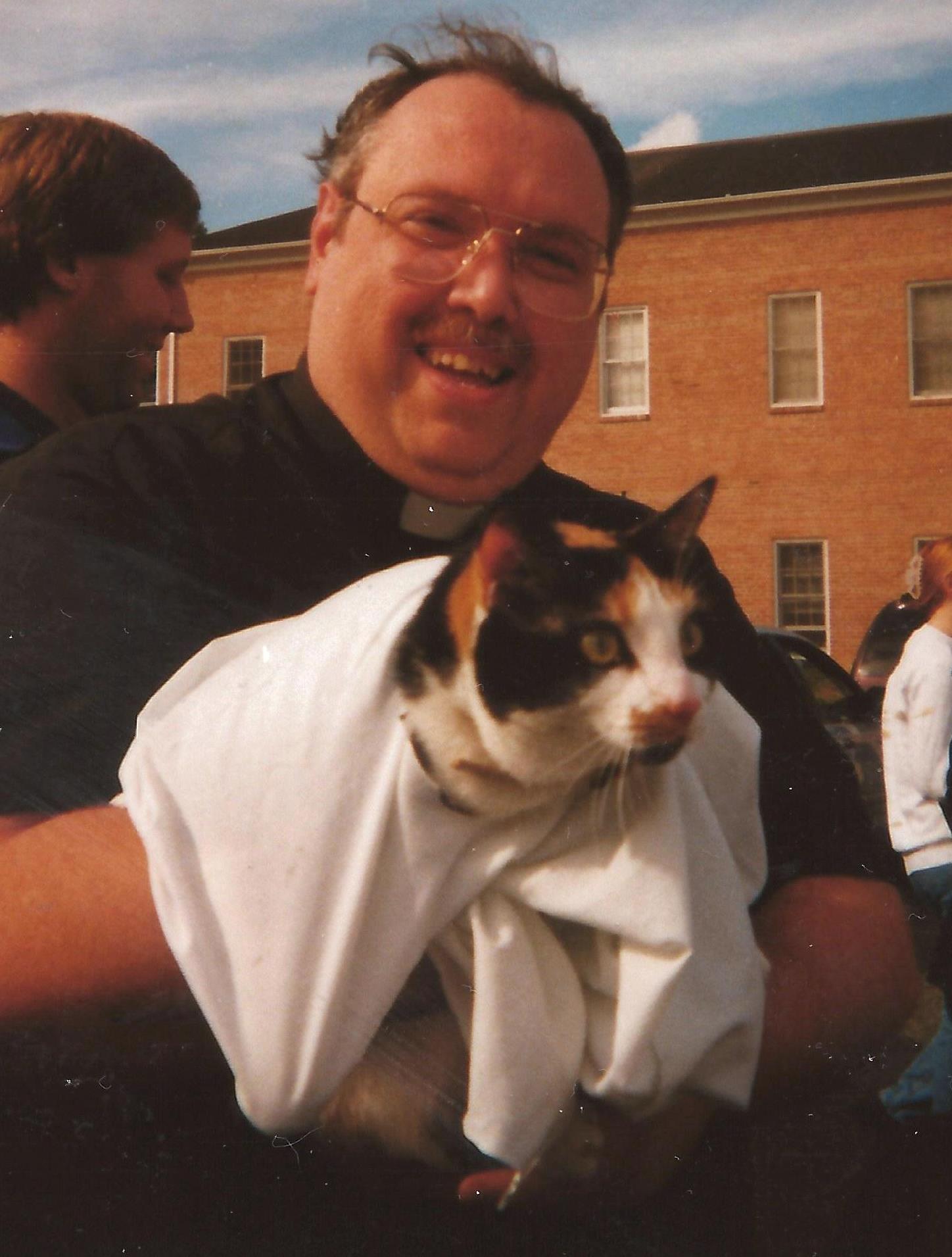
    Fr. Joseph Jenkins

  • The blog header depicts an important and yet mis-understood New Testament scene, Jesus flogging the money-changers out of the temple. I selected it because the faith that gives us consolation can also make us very uncomfortable. Both Divine Mercy and Divine Justice meet in Jesus. Priests are ministers of reconciliation, but never at the cost of truth. In or out of season, we must be courageous in preaching and living out the Gospel of Life. The title of my blog is a play on words, not Flogger Priest but Blogger Priest.

  • Archives

  • Categories

  • Recent Posts

  • Recent Comments

    Barbara King's avatarBarbara King on Ask a Priest
    Ben Kirk's avatarBen Kirk on Ask a Priest
    Jeremy Kok's avatarJeremy Kok on Ask a Priest
    Barbara's avatarBarbara on Ask a Priest
    forsamuraimarket's avatarforsamuraimarket on Ask a Priest

Anointing of the Sick

James 5:14-16: Is any among you sick? Let him call for the elders [priests] of the church, and let them pray over him, anointing him with oil in the name of the Lord; and the prayer of faith will save the sick man, and the Lord will raise him up; and if he has committed sins, he will be forgiven.

Some Protestant critics claim that such practices as found in James no longer apply to the Church. However, the ordinances of Christ to his apostles have perpetual value. We do what the Church has been commissioned to do; indeed, what she has done from the beginning. Jesus forgave sins. The Church forgives sins. Jesus brought healing. The Church brings healing. Jesus gave us his body and blood. The Church gives us Christ’s sacrament in Holy Communion. The Bible instructs us plainly that the anointing of the sick and the prayer of a priest may bring forgiveness of sins and even the restoration of physical health. We are faithful to this biblical testimony, most Protestant churches are not. They even reject such intercession for another and the use of sacramentals like oil.

For more such reading, contact me about getting my book, DEFENDING THE CATHOLIC FAITH.

Only Priests Can Offer Absolution

2 Corinthians 5:20: So we are ambassadors for Christ, God making his appeal through us. We beseech you on behalf of Christ, be reconciled to God. (see longer quote below)

John 20:21-23: Jesus said to them again, “Peace be with you. As the Father has sent me, even so I send you.” And when he had said this, he breathed on them, and said to them, “Receive the Holy Spirit. If you forgive the sins of any, they are forgiven; if you retain the sins of any, they are retained.”

Matthew 18:18: “Truly, I say to you, whatever you bind on earth shall be bound in heaven, and whatever you loose on earth shall be loosed in heaven.”

2 Corinthians 5:18-20: All this is from God, who through Christ reconciled us to himself and gave us the ministry of reconciliation; that is, God was in Christ reconciling the world to himself, not counting their trespasses against them, and entrusting to us the message of reconciliation. So we are ambassadors for Christ, God making his appeal through us. We beseech you on behalf of Christ, be reconciled to God.

The power to forgive sins is reserved to priests. As long as there is a need for the forgiveness of sins, the priests of the Catholic Church will continue to possess this power from Christ. Christ would not abandon his Church. As long as his Church exists, so will his mercy. The tragedy today is that may opt to remain in their sins. One of the greatest spiritual powers of every priest is neglected. The graces of this sacrament cannot be exaggerated.

For more such reading, contact me about getting my book, DEFENDING THE CATHOLIC FAITH.

Confession of Sins

Numbers 5:6-7: “Say to the people of Israel, When a man or woman commits any of the sins that men commit by breaking faith with the Lord, and that person is guilty, he shall confess his sin which he has committed; and he shall make full restitution for his wrong, . . . .”

Proverbs 28:13: He who conceals his transgressions will not prosper, but he who confesses and forsakes them will obtain mercy.

2 Samuel 12:13: David said [confessed] to Nathan, “I have sinned against the Lord.” And Nathan said [the absolution] to David, “The Lord also has put away your sin; . . . .”

Luke 23:43: The good thief is promised paradise in return for his confession on the cross: And he [Jesus] said to him, “Truly, I say to you, today you will be with me in Paradise.”

1 John 1:9: If we confess our sins, he is faithful and just, and will forgive our sins and cleanse us from all unrighteousness.

Matthew 3:5-6: Then went out to him Jerusalem and all Judea and all the region about the Jordan, and they were baptized by him in the river Jordan, confessing their sins.

Acts 19:18: Many also of those who were now believers came, confessing and divulging their practices.

Confession of sin is denoted as necessary in the Bible for the forgiveness of sins. The Catholic practice of private confession is based upon the charge from Christ to forgive or to retain sins. The Church and her ministers judge such situations. The confessor can only fulfill this obligation adequately if the penitent tells him the sins for which he needs absolution and penance. There may also be an important element of counsel.

For more such reading, contact me about getting my book, DEFENDING THE CATHOLIC FAITH.

Catholic Worship

Malachi 1:11: For from the rising of the sun to its setting my name is great among the nations, and in every place incense is offered to my name, and a pure offering; for my name is great among the nations, says the Lord of hosts.

Hebrews 13:10: We have an altar from which those who serve the tent [the tabernacle of the Jewish temple] have no right to eat.

The Bible tells us that there is a priesthood and sacrifice under the new covenant of Christ. There is no way that a service of the Word or a Protestant communion service can be considered the sacrificial act that prophecy and St. Paul speaks about. However, we do find such elements in the teaching and practice of the Catholic Church. We have an altar of sacrifice and a pure offering, nothing other than the body and blood of Christ in the sacramental species.

For more such reading, contact me about getting my book, DEFENDING THE CATHOLIC FAITH.

Only the Real Presence Demands Worthy Reception

1 Corinthians 11:27-29: Whoever, therefore, eats the bread or drinks the cup of the Lord in an unworthy manner will be guilty of profaning the body and blood of the Lord. Let a man examine himself, and so eat of the bread and drink of the cup. For anyone who eats and drinks without discerning the body eats and drinks judgment upon himself.

St. Paul tells us that the unworthy reception of Holy Communion is a sacrilege; indeed, it desecrates the real body and blood of Christ. It is the ultimate in hypocrisy and blasphemy. Such an assertion that the sacrament might bring damnation instead of salvation must be seriously considered. Catholics in mortal sin should not receive the sacrament until that time that they have repented and the sin is absolved. If Holy Communion were no more than bread and wine, this assertion from St. Paul would make NO sense. How can a piece of bread or a sip of wine damn you for all eternity? How could such an empty symbolic gesture desecrate Christ, himself? They could not, unless Catholics are right and the bread and wine are truly transformed into the body and blood of Christ.

A True Bread from Heaven

John 6:33-35: “For the bread of God is that which comes down from heaven, and gives life to the world.” They said to him, “Lord give us this bread always.” Jesus said to them, “I am the bread of life; he who comes to me shall not hunger, and he who believes in me shall never thirst.”

John 6:38: “For I have come down from heaven, not to do my own will, but the will of him who sent me; . . . .”

John 6:41: The Jews then murmured at him, because he said, “I am the bread which came down from heaven.”

John 6:48-51: “I am that bread of life. Your fathers ate the manna in the wilderness, and they died. This is the bread which comes down from heaven, that a man may eat of it and not die. I am the living bread which came down from heaven; if any one eats of this bread, he will live forever; and the bread which I shall give for the life of the world is my flesh.”

The Eucharist that our Lord gives can only be “bread from heaven” if it is truly himself. Jesus is God; he is the one who has come down from heaven. The principle of concomitance is also affirmed here: Jesus is totally present— alive and complete— in every fragment and drop of the Blessed Sacrament. He is not dissected in the Eucharist; rather, he is present and acting on our behalf. He grants us a share in eternal life.

For more such reading, contact me about getting my book, DEFENDING THE CATHOLIC FAITH.

The Greatest Food of All

John 6:26-32: Jesus answered them, “Truly, truly, I say to you, you seek me, not because you saw signs, but because you ate your fill of the loaves. Do not labor for the food [meat] which perishes, but for the food [meat] which endures to eternal life, which the Son of man will give to you; for on him has God the Father set his seal.” Then they said to him, “What must we do, to be doing the works of God?” Jesus answered them, “This is the work of God, that you believe in him whom he has sent.” So they said to him, “Then what sign do you do, that we may see, and believe you? What work do you perform? Our fathers ate the manna in the wilderness; as it is written, ‘He gave them bread from heaven to eat.'” Jesus then said to them, “Truly, truly, I say to you, it was not Moses who gave you the bread from heaven; my Father gives you the true bread from heaven.”

More important than any miraculous food (John 6:11 to 13) or the manna in the desert (Exodus 16:31), the Eucharist is highlighted as our saving food. If there were no change in the elements of bread and wine into the real body and blood of Christ, then our Lord has played us for fools. Such is not the case. There is no deception on Christ’s part. A rejection of the Eucharist, by both liberal modernists and by fundamentalist Christians signifies a lack of faith; indeed, it is the intrusion of a sometimes-subtle atheism.

For more such reading, contact me about getting my book, DEFENDING THE CATHOLIC FAITH.

The Real Presence in the Eucharist: Our Inheritance

Mark 14:22-24: And as they were eating, he took bread and blessed, and broke it, and gave it to them, and said, “Take; this is my body.” And he took a cup, and when he had given thanks he gave it to them, and they all drank of it. And he said to them, “This is my blood of the covenant, which is poured out for many.”

The Eucharist was Christ’s parting gift to us. It is literally the New Testament itself— making it present and ratifying it again and again. Jesus gives us his body and blood as the bread of life and our spiritual drink. There is nothing of figurative language about this. If Christ is God and speaks the truth, who are we to call him a liar? Catholics take Jesus at his word.

Confirmation

Acts 8:14-17: Now when the apostles at Jerusalem heard that Samaria had received the word of God, they sent to them Peter and John, who came down and prayed for them that they might receive the Holy Spirit; for it had not yet fallen on any of them, but they had only been baptized in the name of the Lord Jesus. Then they laid their hands on them and they received the Holy Spirit.

Acts 19:6: And when Paul had laid his hands upon them, the Holy Spirit came on them; and they spoke with tongues, and prophesied.

Hebrews 6:2: . . . with instructions about ablutions [baptisms], the laying on of hands, the resurrection of the dead, and eternal judgment.

Extracting of the final anointing of baptism took along with it the confirmation rite. Two sacraments, which stood together, became separated in the West so that the bishop might “confirm” the sacrament of baptism when he became available. The sacrament of confirmation includes the laying on of hands, a gesture that functions as an invocation of the Holy Spirit. Such a ritual is decisively presented in the Scriptures. As a further sign of the Holy Spirit’s presence, the laying on of hands was often associated with incredible supernatural effects. This is the same sacrament offered by the successors to the apostles, the bishops, today.

For more such reading, contact me about getting my book, DEFENDING THE CATHOLIC FAITH.

Baptism

Acts 16:33: And he took them the same hour of the night, and washed their wounds, and he was baptized at once, with all his family.

1 Corinthians 1:16: I did baptize also the household of Stephanas. Beyond that, I do not know whether I baptized any one else.

Acts 16:15: And when she was baptized, with her household, she besought us, saying, “If you have judged me to be faithful to the Lord, come to my house and stay.” And she prevailed upon us.

Sometimes whole families were baptized, no doubt even including children. Such is the record of the Scriptures and the early Catholic traditions.

Mark 16:16: “He who believes and is baptized shall be saved; but he who does not believe will be condemned.”

Matthew 28:18-20: And Jesus came and said to them, “All authority in heaven and on earth has been given to me. Go therefore and make disciples of all nations, baptizing them in the name of the Father and of the Son and of the Holy Spirit, teaching them to observe all that I have commanded you; and lo, I am with you always, to the close of the age.”

Those who had reached the age of reason, like adults, had to profess faith in Christ and his Church as a prerequisite for baptism. As for infants, the faith of their parents and the believing community would suffice until that day that they would claim the faith fully as their inheritance. Baptism for children is very important so that the soul might be cleansed of original sin and supplanted with supernatural grace.

John 3:5: Jesus answered, “Truly, truly, I say to you, unless one is born of water and the Spirit, he cannot enter the kingdom of God.”

Baptism is the sacrament of salvation, making possible our entry into the kingdom of God.

For more such reading, contact me about getting my book, DEFENDING THE CATHOLIC FAITH.