
• Our Blogger

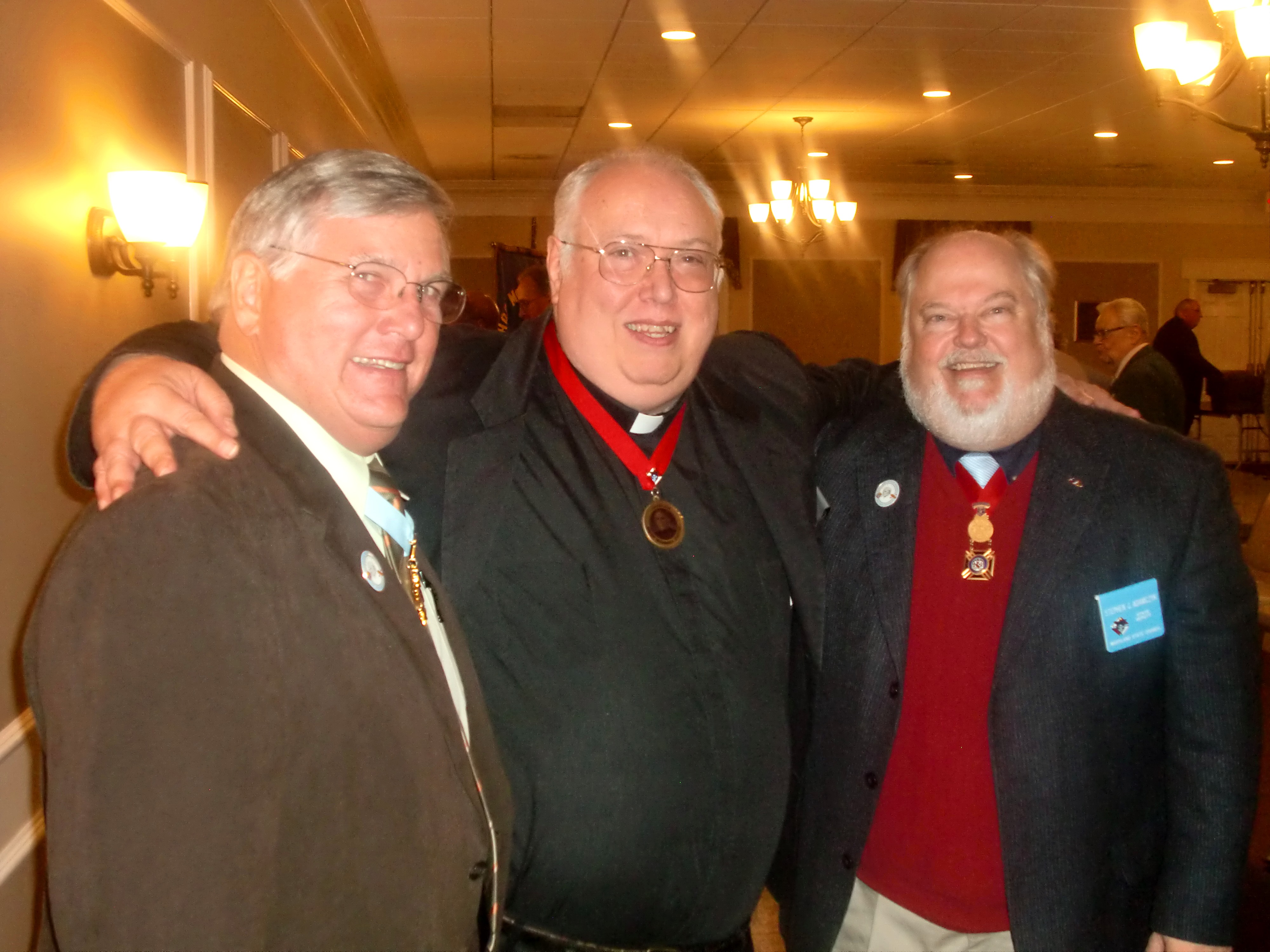
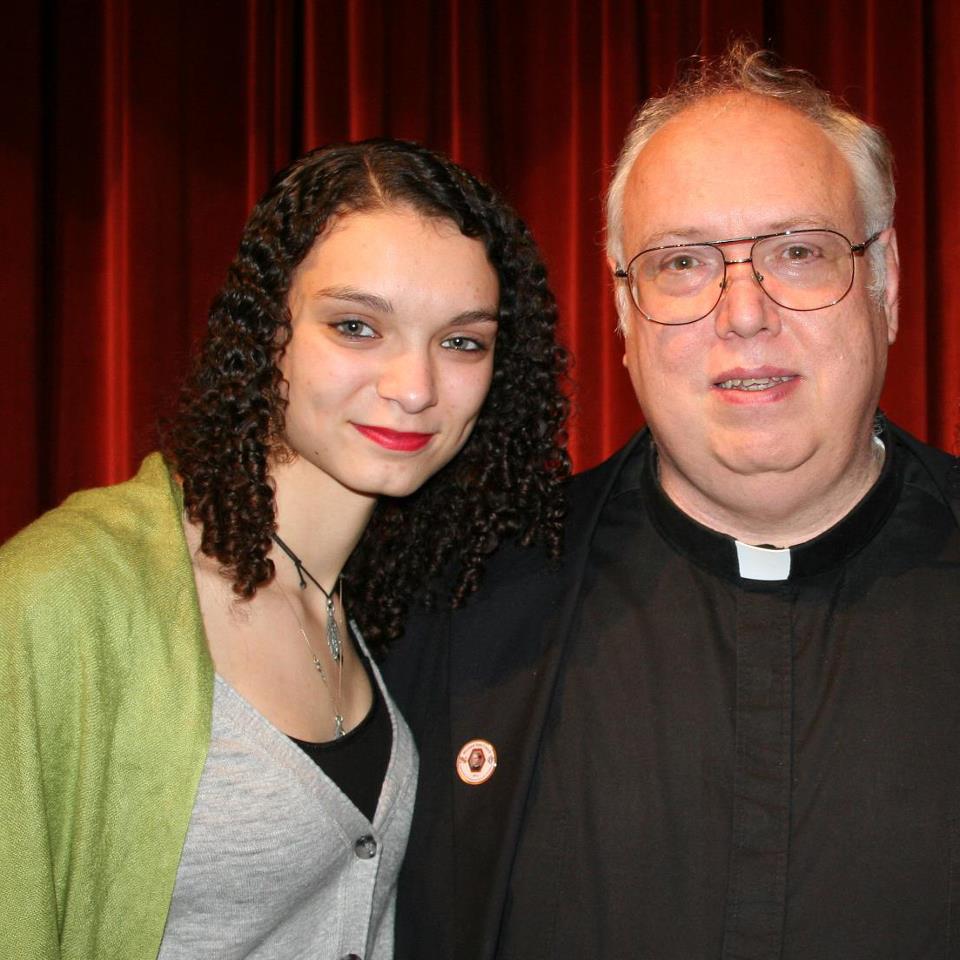
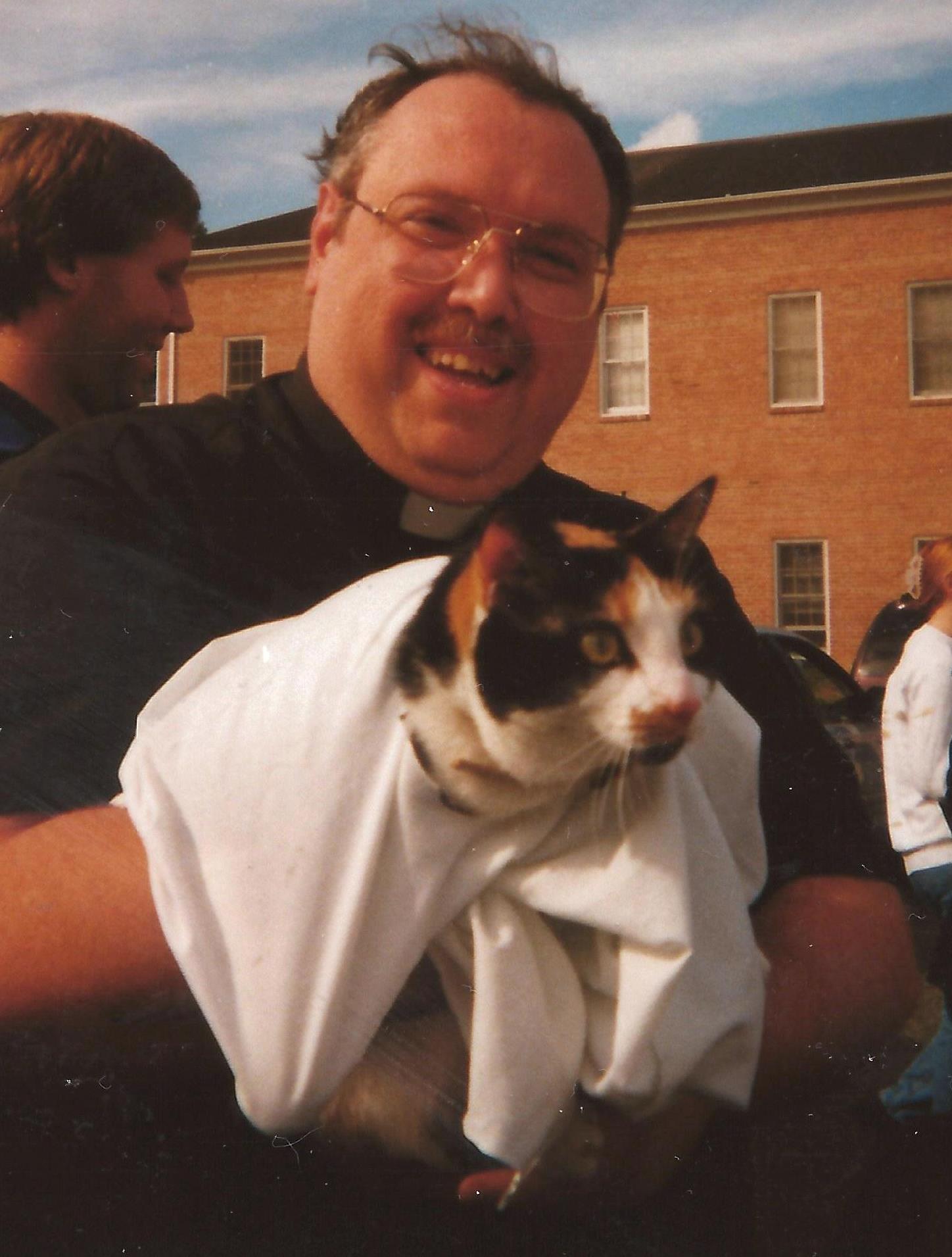
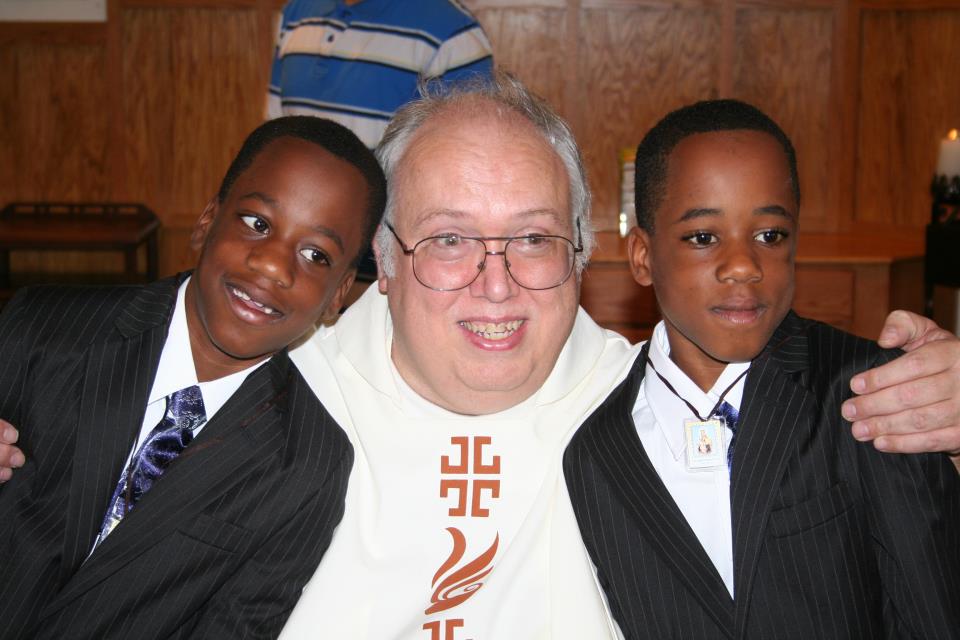
    Fr. Joseph Jenkins

  • An important theme for this blog is the scene in the New Testament where Jesus can be found FLOGGING the money-changers out of the temple. My header above depicts a priest FLOGGING the devils that distort the faith and assault believers. The faith that gives us consolation can and should also make us very uncomfortable. Both Divine Mercy and Divine Justice meet in Jesus. Priests are ministers of reconciliation, but never at the cost of truth. In or out of season, we must be courageous in preaching and living out the Gospel of Life. The title of my blog is a play on words, not Flogger Priest but Blogger Priest.

  • Archives

  • Categories

  • Recent Posts

  • Recent Comments

    GA210286's avatarGA210286 on Impotence & Marriage
    Anonymous's avatarAnonymous on Ask a Priest
    jbg's avatarjbg on An Appeal to Reconciliation fo…
    Inveilis's avatarInveilis on Ask a Priest
    Mihaela Ghenea's avatarMihaela Ghenea on Ask a Priest

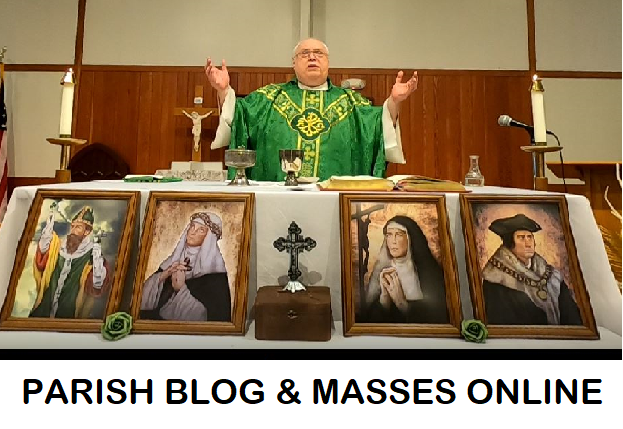
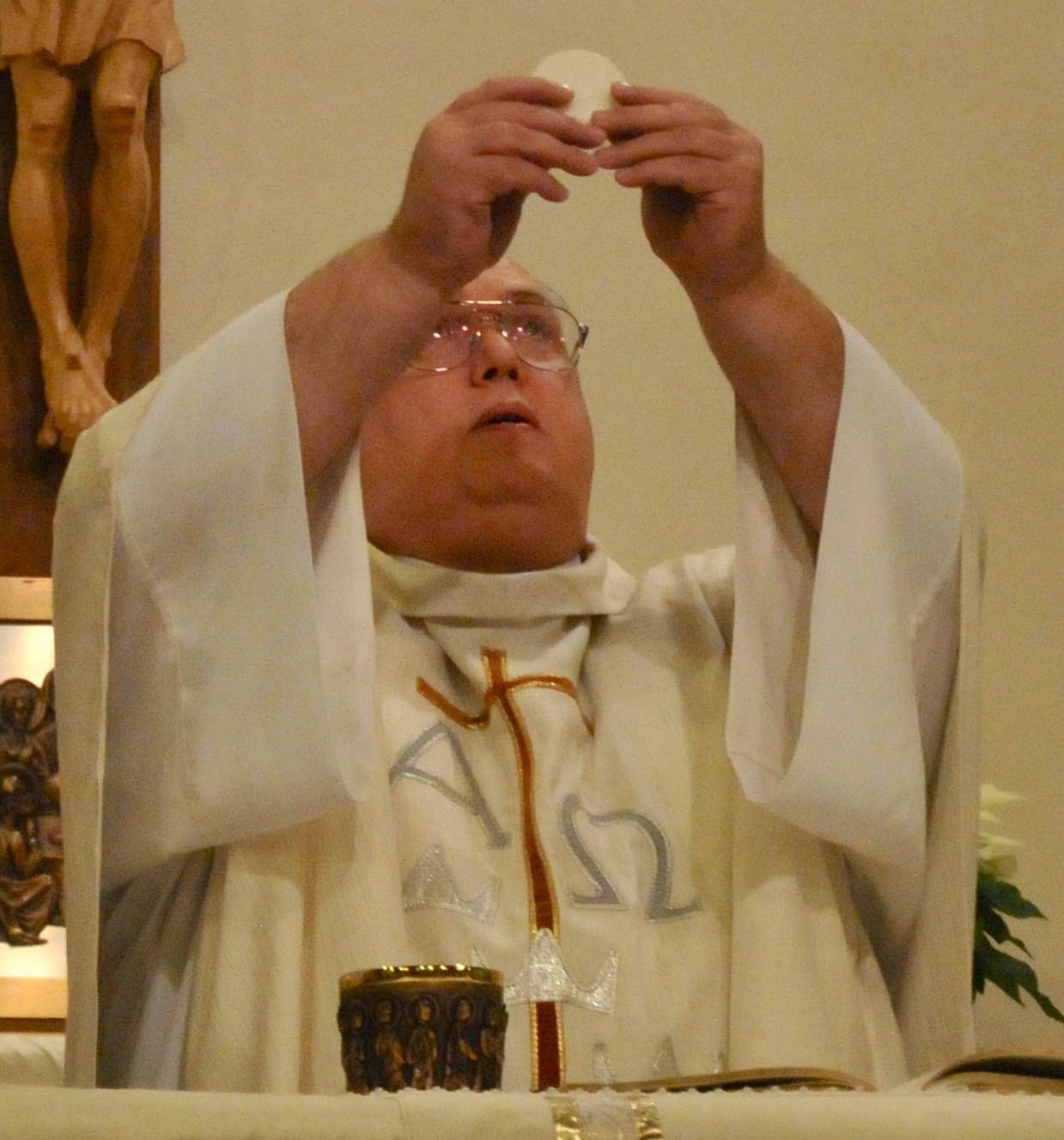
Mass Vestments

Exodus 28:4: “These are the garments which they shall make: a breastpiece, an ephod, a robe, a coat of checker work, a turban [mitre], and a girdle; they shall make holy garments for Aaron your brother and his sons to serve me, as priests.”

The use of liturgical garb has a growing acceptance even in Protestant circles. There is nothing superstitious about it. Several years ago the evangelist, Jerry Falwell, acknowledged that he was willing to meet the Pope as a fellow minister. However, he suggested that first the Pope should put aside all the silly vestments he wears. The next day there was a picture of Falwell sliding down a waterfall ride at the defunct PTL amusement park. He did so while wearing a three-piece suit. Who is silly? (Coincidentally, I must say, that despite certain disagreements, my respect and admiration for this departed minister, and for his preaching, has grown over the years.) There is clear Scriptural precedent for special vestments to be worn while conducting sacred activities. Vestments are visual tools to help us focus on the meaning and significance of our worship and ministry. They developed from the garb worn in ancient civil society and among their leadership. Such dress changed over time in the secular world but the Church retained the older forms for her own use. This intensified the religious association of such vestments.

For more such reading, contact me about getting my book, DEFENDING THE CATHOLIC FAITH.

Ash Wednesday (Ashes)

Job 42:6: “. . . therefore I despise myself, and repent in dust and ashes.”

Jonah 3:6: The tidings reached the king of Nineveh, and he arose from his throne, removed his robe, and covered himself with sackcloth, and sat in ashes.

Recently, I was somewhat surprised when the neighboring Baptist Church called the priest at the local Catholic Church, asking for ashes. The minister’s congregation wanted to do what Catholics did in this regard as a visible sign to others of their Christian faith. I am afraid they missed the point about it as a sign of penance, but the change in orientation was worthy of note. I suspect, also, that they were struggling for ways to express what their hearts felt toward the suffering and death of Jesus. (It must be said that such changes in Protestant customs are also coming as a result of the defection of simple and poorly informed Catholics into the Protestant churches. They are easily swayed by delightful fellowship, black-and-white statements of faith [no matter how flawed], and by certain economic incentives. Ministers are very enthused to claim them at first, but over the long run these people long for elements of their “cultural” Catholicism. I know one Baptist minister in Washington, D.C. who had seen many Hispanics join his church after the instigation of a Spanish bible study program. However, he eventually stopped it. When I asked about it, (keeping my reserve as best as possible), he lamented their presence. He said they were coming in great numbers and changing his church. There was no talking to them. Hundreds of votive candles had started appearing in his church and then the worst of all, little statues in the windows. He would tell them that such things were superstitious and idolatrous. Confusing him as a priest, they would smile and say, “Yes, FATHER!” and go about their business as if he had said nothing. The Catholic Church’s use of sacramentals like ashes reveals that we respect both the head and the heart. The rejection of such a sign of penance is blatant irreverence and counter to Scriptural testimony.

For more such reading, contact me about getting my book, DEFENDING THE CATHOLIC FAITH.

Images: Statues & Pictures

Exodus 25:18: “And you shall make two cherubim of gold; of hammered work shall you make them, on the two ends of the mercy seat.”

Numbers 21:8-9: And the Lord said to Moses, “Make a fiery serpent, and set it on a pole; and everyone who is bitten, when he sees it, shall live.”

John 3:14: “And as Moses lifted up the serpent in the wilderness, so must the Son of Man be lifted up, that whoever believes in him may have eternal life.”

1 Kings 6:29: He carved all the walls in the house roundabout with carved figures of cherubim and palm trees and open flowers, in the inner and outer rooms. (Also verses 32 and 35).

The prohibition against images was never absolute. Further, there is a new economy of images due to the incarnation. Jesus is the revelation of the Father. Our very humanity becomes reflective of God. The Scriptures show that God often used images to deepen religious commitment and understanding. The prohibition against “graven images” applies to idolatry, the sin of giving the adoration reserved to God alone to some mere thing. It is peculiar that some critics will oppose the Church’s use of sacred art and yet they often have trophies, statuary, toy dolls, photographs, and paintings in their homes. Images that inspire faith and remind us of particularly holy and courageous members of our faith are no more wrong than such pictures of family and friends in our homes.

For more such reading, contact me about getting my book, DEFENDING THE CATHOLIC FAITH.

Purgatory

Matthew 12:32: “And whoever says a word against the Son of man will be forgiven; but whoever speaks against the Holy Spirit will not be forgiven, either in this age [world] or in the age [world] to come.” (Some sins can therefore be forgiven after death.)

1 Corinthians 3:13-15: . . . each man’s work will become manifest; for the Day will disclose it, because it will be revealed with fire, and the fire will test what sort of work each one has done. If the work which any man has built on the foundation survives, he will receive a reward. If any man’s work is burned up, he will suffer loss, though he himself will be saved, but only as through fire.

2 Maccabees 12:45-46: (This is one of the Old Testament books omitted from the Protestant Bible). But if he was looking to the splendid reward that is laid up for those who fall asleep in godliness, it was a holy and pious thought. Therefore he made atonement for the dead, that they might be delivered from their sin.

Revelation 21:27: Nothing defiled can enter Heaven.

While many Protestant critics reject Purgatory because the word does not appear in the Bible, the actual reason is that such a teaching would make their view of justification by faith alone untenable. This Catholic teaching sustains our understanding of intercessory prayer for the dead, meritorious works done in Christ in reparation for sin, the temporal punishment due to sin, and transformation over imputation in Christ. Our justification is not a mere juridical rendering from God, but the elect are made into a new creation. They are changed. Purgatory allows this transformation to come to completion. The Scriptures uphold such a teaching, despite the protestations of so-called bible-Christians. The Bible teaches that some sins are forgiven in the world to come, on the other side of death. We are not talking here about mortal sin that damns the soul. The Scriptures indicate that some, although not all, are saved in the next world by fire. Literally the fire of God’s love purifies his own and makes them ready for heaven. In addition, the value of intercessory prayer for the dead is advocated by the Bible. Like a bride who wants to look her best before meeting her bridegroom, Purgatory allows us to undergo a cleansing or purgation of any residual stain— venial sin, the temporal punishment due to sin, and the tendency (habit) to sin.

For more such reading, contact me about getting my book, DEFENDING THE CATHOLIC FAITH.

Divorce & Remarriage is Adultery

1 Corinthians 7:10-11: To the married I give charge, not I but the Lord, that the wife should not separate from her husband (but if she does, let her remain single or else be reconciled to her husband) — and that the husband should not divorce his wife.

Mark 10:11-12: And he said to them, “Whoever divorces his wife and marries another, commits adultery against her; and if she divorces her husband and marries another, she commits adultery.”

Luke 16:18: “Every one who divorces his wife and marries another commits adultery, and he who marries a woman divorced from her husband commits adultery.”

Matthew 19:9: “And I say to you: whoever divorces his wife, except for unchastity [actually incest] and marries another, commits adultery; and he who marries a divorced woman, commits adultery.”

The meaning in Matthew is not that the innocent party is guilty if a spouse commits adultery. When circumstances are out of control, the wronged party may be allowed by the Church to live apart from the adulterous spouse. However, if truly married, neither can marry another validly as long as one of them lives.

For more such reading, contact me about getting my book, DEFENDING THE CATHOLIC FAITH.

Marriage is for Life

Matthew 19:6: “So they are no longer two but one. What therefore God has joined together, let no man put asunder.”

The New Testament quite clearly teaches that sacramental marriage is indissoluble. God does not recognize divorce. A couple is married until one of them dies. It is worth mentioning that the Catholic Church is about the only institution that still teaches this. If a marriage is real, then no human power or even the Church can make it otherwise. Most people hold the Catholic view on their marriage day. It is what they promise each other in the sight of God. Catholics believe that we should keep our promises. This teaching has cost the Church dearly. Many leave Catholicism today for communities that allow divorce and remarriage. This stance, which comes down to us from Christ’s own lips, even cost us most of England under Henry VIII. A change or liberalization upon this issue would signal a breech today from the true Church and the Church of the ages. The large numbers of annulments in the West are attributed to an appreciation that many marriages that fail were never true marriages in the eyes of God. Rather, due to a widespread immaturity and loss of genuine faith and commitment, many go through the motions of marriage but little more. The seed for failure was planted in the very beginning. One critic has contended that the tendency toward divorce and remarriage is nothing more than successive polygamy. The Catholic Church is the only major Christian church that still teaches perpetual monogamy.

For more such reading, contact me about getting my book, DEFENDING THE CATHOLIC FAITH.

Women Ministers

1 Corinthians 14:34: As in all the churches of the saints, the women should keep silence in the churches. For they are not permitted to speak, but should be subordinate, even as the law says.

This is one of the verses that made the new disciplines regarding women readers, servers, and extraordinary ministers so problematical. Even now, officially installed Lectors and Acolytes must be men. It may have been that women were taking over leadership positions in Corinth or that there was some tie to the nonsensical babble that pagan women and goddess worship employed. In any case, the priesthood was then and now reserved to men. While disciplines can change regarding the lesser ministries; the Holy Father has affirmed the tradition that ONLY men can be ordained to holy orders. Unlike Protestant churches, they cannot be true pastors or ministers over congregations. It should be noted that Catholic law prohibits them from proclaiming the Gospel at Mass and from liturgical preaching. This reservation is no incrimination upon their human dignity; rather, it is a guarded imitation of the pattern given us by our Lord and the apostolic community. Gender is not seen as an accidental of personhood, but as a constitutive component of our identity. As such the maleness of the priest resonates in harmony with that of Christ to whom he has been sacramentally configured through ordination. He can thus function in the person of Christ, the head of the Church. He is a true icon of Christ. He signifies Christ the bridegroom at the marriage banquet of the Mass to his bride, the Church. Women priests in this context would imply a sort of sacramental lesbianism.

For more such reading, contact me about getting my book, DEFENDING THE CATHOLIC FAITH.

The Apostles & their Successors


Titus 1:5: This is why I left you in Crete, that you might amend what was defective, and appoint [ordain] elders [priests] in every town as I directed you . . .

Acts 13:2-3: While they were worshipping the Lord and fasting, the Holy Spirit said, “Set apart for me Barnabas and Saul for the work to which I have called them.” Then after fasting and praying they laid their hands on them and sent them off.

The Scriptures make the strongest possible case for apostolic succession. Holy Orders is what we call this transmission of apostolic authority and power down through the ages.

For more such reading, contact me about getting my book, DEFENDING THE CATHOLIC FAITH.

The Vocation of Holy Orders is a Gift

Hebrews 5:1: For every high priest chosen from among men is appointed [ordained] to act on behalf of men in relation to God, to offer gifts and sacrifices for sins.

Hebrews 5:4: And one does not take honor upon himself, but he is called by God, just as Aaron was.

John 15:16: “You did not choose me, but I chose you and appointed [ordained] you that you should go and bear fruit and that your fruit should abide; so that whatever you ask the Father in my name, he may give it to you.”

John 20:21: Jesus said to them again, “Peace be with you. As the Father has sent me, even so I send you.”

The Lord chooses us, we do not choose him. Nowhere is this more evident than in priesthood. It is not something anyone deserves. It cannot be made an item on anyone’s social justice agenda for inclusion. The people in the pews have no innate authority to commission clergy apart from Christ. Rather, a divine calling is ratified and brought to completion through the Apostles and their legitimate successors.

For more such reading, contact me about getting my book, DEFENDING THE CATHOLIC FAITH.

Bishops & Priests Given Charge over the Sacraments

2 Corinthians 5:18-20: All this is from God, who through Christ reconciled us to himself and gave us the ministry of reconciliation; that is, God was in Christ reconciling the world to himself, not counting their trespasses against them, and entrusting to us the message of reconciliation. So we are ambassadors for Christ, God making his appeal through us. We beseech you on behalf of Christ, be reconciled to God.

1 Corinthians 4:1: This is how one should regard us, as servants of Christ and stewards of the mysteries of God.

John 20:21: Jesus said to them again, “Peace be with you. As the Father has sent me, even so I send you.”

Bishops and priests are the ministers of Christ in our world. They represent him and, in the sacraments, make him actively present. This is a most serious calling. A “poor” priest does not, in itself, repudiate this high calling. As living signs of contradiction, in the footsteps of the Master, they are mocked and slandered by a world that still does not understand Jesus or the Gospel.

For more such reading, contact me about getting my book, DEFENDING THE CATHOLIC FAITH.