• Our Blogger

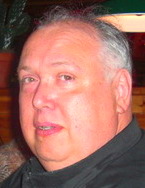
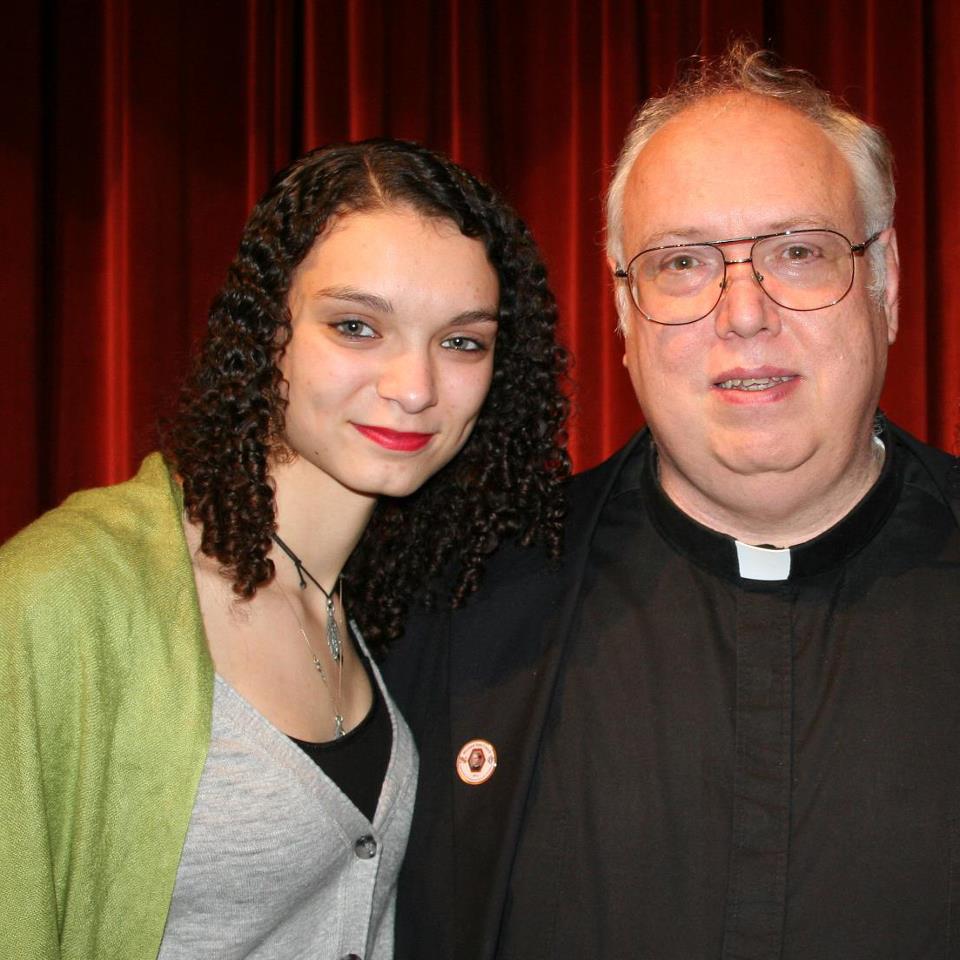
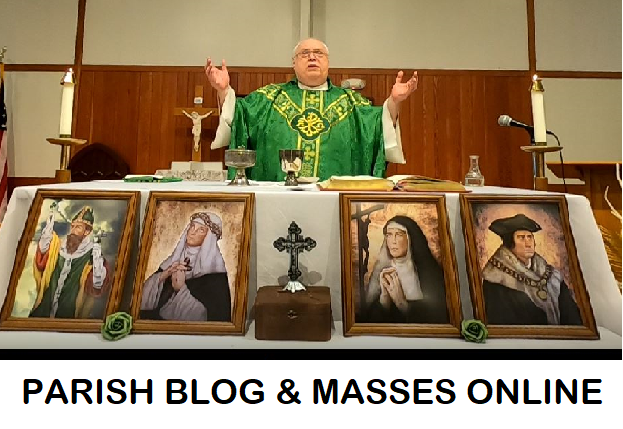
    Fr. Joseph Jenkins

  • The blog header depicts an important and yet mis-understood New Testament scene, Jesus flogging the money-changers out of the temple. I selected it because the faith that gives us consolation can also make us very uncomfortable. Both Divine Mercy and Divine Justice meet in Jesus. Priests are ministers of reconciliation, but never at the cost of truth. In or out of season, we must be courageous in preaching and living out the Gospel of Life. The title of my blog is a play on words, not Flogger Priest but Blogger Priest.

  • Archives

  • Categories

  • Recent Posts

  • Recent Comments

    Barbara King's avatarBarbara King on Ask a Priest
    Ben Kirk's avatarBen Kirk on Ask a Priest
    Jeremy Kok's avatarJeremy Kok on Ask a Priest
    Barbara's avatarBarbara on Ask a Priest
    forsamuraimarket's avatarforsamuraimarket on Ask a Priest

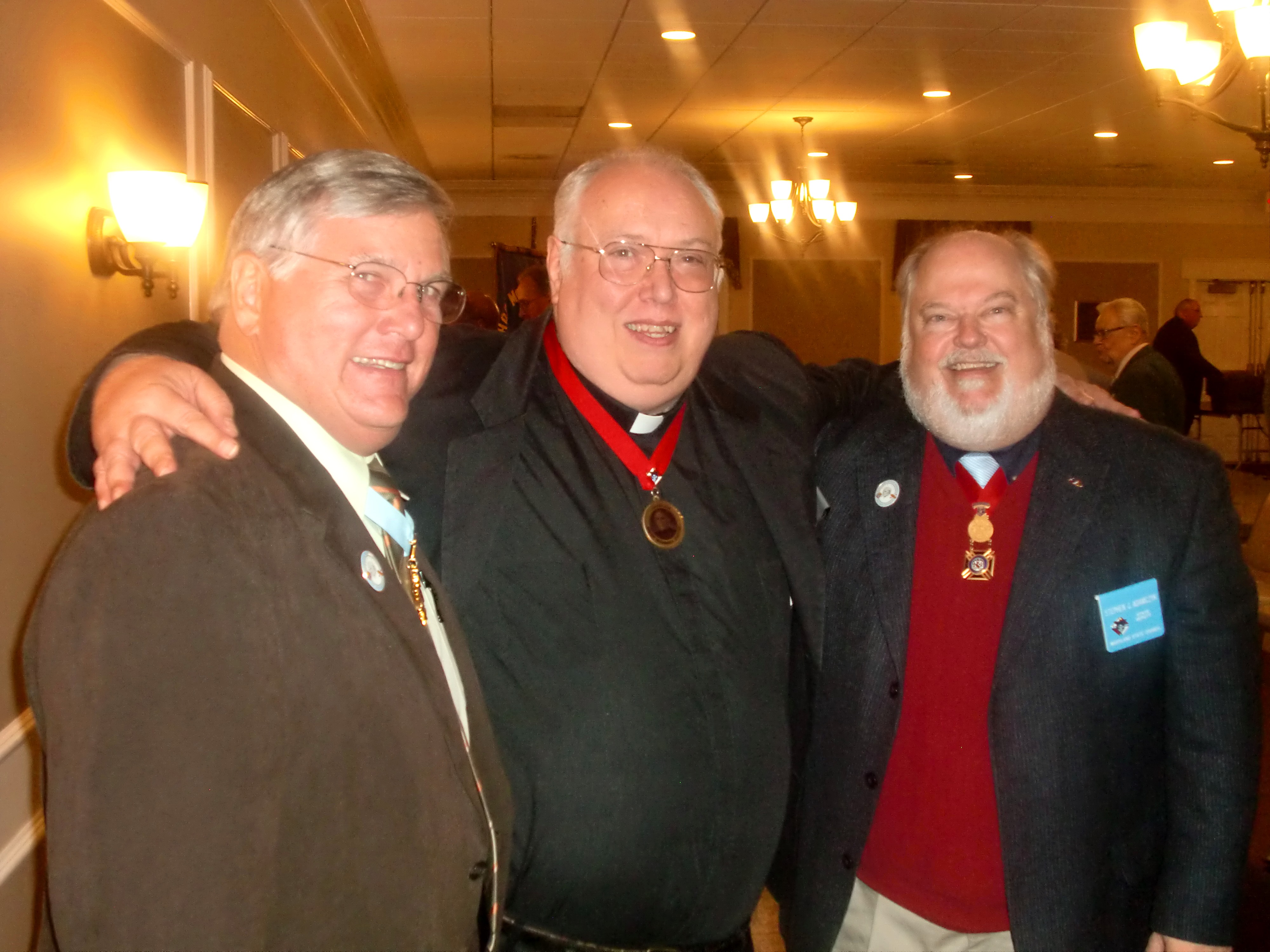
Knights of St. John Memorial

15272105_10154138368578435_3698712110800829932_o.jpg

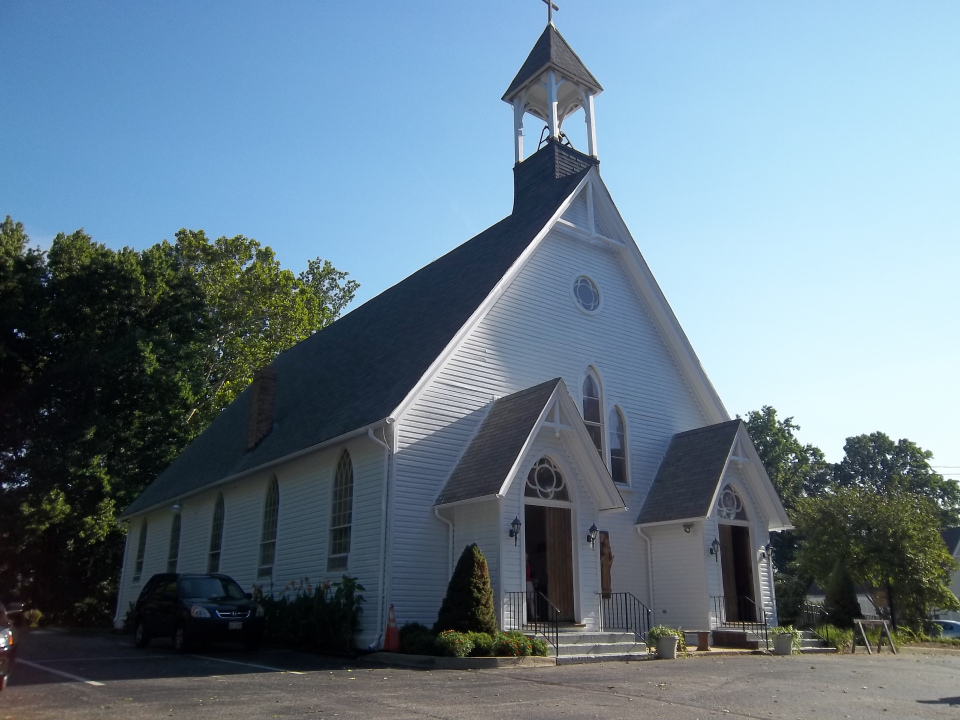
Today we (Holy Family Parish, Mitchellville, MD) hosted a Memorial Celebration for the Knights of St. John, International and the Ladies Auxiliary. Thank you for your long legacy of service to the Church. May all the faithful departed rest in peace.

15168857_10154138330573435_3400522433913342957_o.jpg


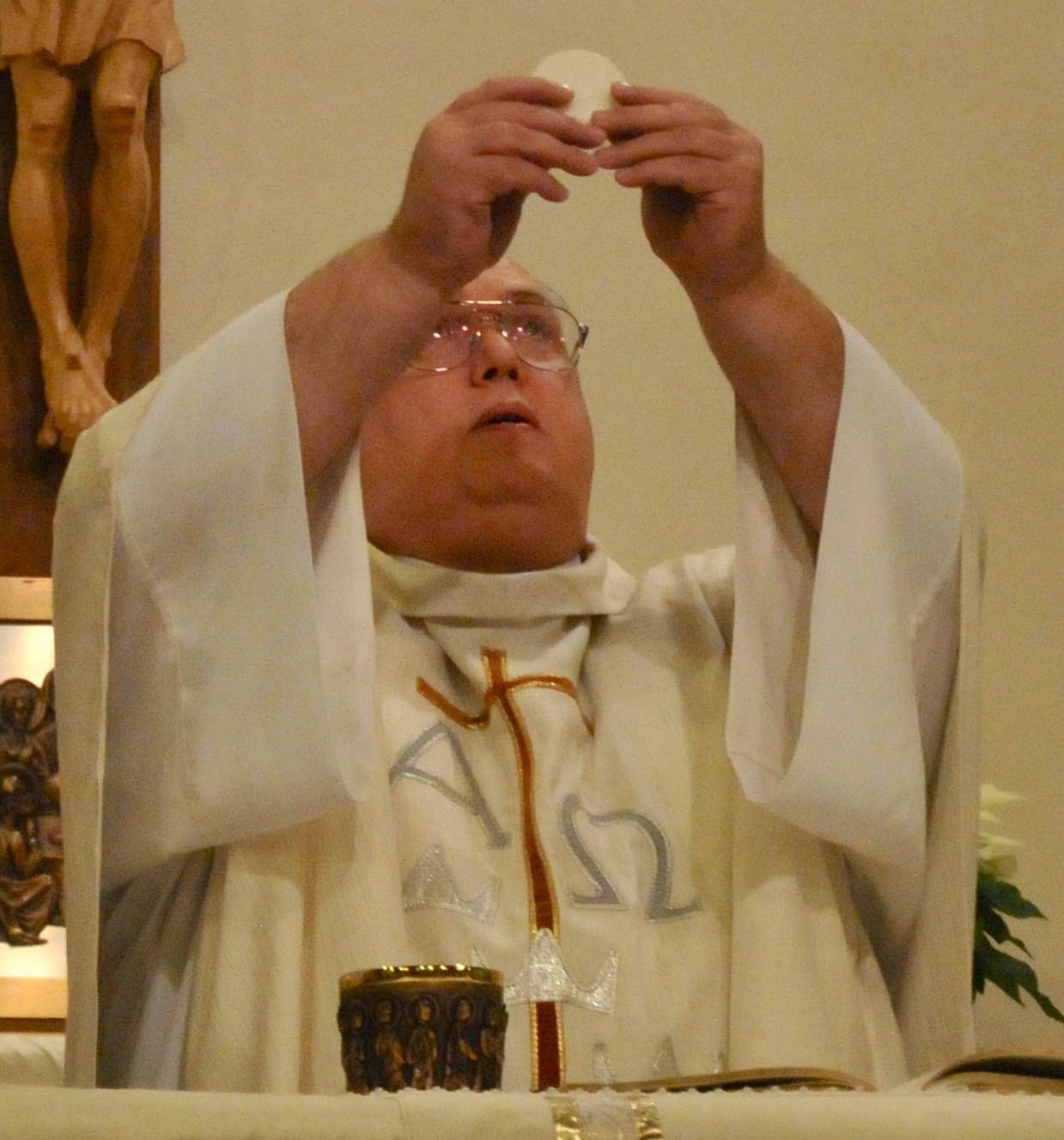
Lift Up Your Hearts & Hands & Voices

Israel’s war against Amalek might have been a foreshadowing of the Church’s struggle against the world and the devil. The raised hands of Moses are often connected to the raised hands of the priest at the altar. The power that wins the battle is not Moses but that of God. However, Moses is seen as a conduit for divine power, showering his soldiers with heavenly strength and inspiring them with his presence on top of the hill. When Moses grew tired, Aaron and Hur supported his arms.

I am reminded about the story of an elderly priest who had to offer Mass from his wheelchair. A makeshift table was placed on the lower level before the altar. The priest had a debilitating muscular disease and his arms and hands were weak and useless. Two men from the community would hold up his arms for the orations and blessings. When he needed to hold the sacred elements, they would clasp their hands upon his so that he could raise up the bread and wine for consecration. Visitors one weekend were critical, noting that it was a shame that there was no healthy priest to say Mass properly. A large number of parishioners quickly objected to the criticism. One of them retorted, “What do you mean? We have our priest and he is empowered by Christ to give us the Eucharist and God’s blessing… what more could we want?”

The faith of the Jews and later of Christians is a mediated faith. We lift our hands and voices to the Lord. God uses weak human vessels to show his power and to transmit his gifts. God sends his deliverers, prophets, apostles, bishops, priests and deacons. God is our ultimate guardian but he gives us human sentinels who keep watch over his flock.

Does Prayer Move God or Us?

The worldwide Catholic Church fulfills the command from the Gospel to pray unceasingly.  The Mass is offered, the Liturgy of the Hours is prayed and the Rosaries are said.  Unlike the dishonest judge, God cannot be manipulated or forced to comply with our wishes.  However, God wants us to pray and to petition him as a loving Father.  Persistent faith and prayer is an antidote to human fickleness.  We need to have the heart and mind of God— to want what he wants.

Constant prayer and a lived faith will transform us.  We become God’s children in truth.  Yes, God knows what we need even before we petition him; however, this posture of dependence is demanded by God for our own good.  A person may give drink to the thirsty but the receiver must hold up his glass to receive the life-giving water. It might seem that God is moved but we are the ones being moved.  God pours himself out; but we must be receptive to the divine presence and grace.

I remember my departed mother.  She was never happier than when her family needed her.  Even when we were selfish, she immediately responded with love and caring.  All good mothers are the same.  Our supplications may be endless, but so is God’s charity and patience.  We belong to him.  Everything is God’s gift to us.  He delights in hearing the voices of his children.

The Reach of the Prayers of the Faithful

God is the source of justice for those wronged by the world.  While our faith must be lived outside the church doors, do we really make our own the bidding prayers of the Mass?  What are the intentions that we bring to the Eucharist?  Do we really believe that God hears and answers prayers?  Some critics think that we are just talking to ourselves and making a wish-list that will never be realized.  Of course, the Lord is not a genie from a lamp.  His response to prayer, not wishes, is not to serve selfishness but charity, compassion, peace and truth.

If we belong to the Lord then we should witness in faith to his justice.  The world resists and does not want to change.  Jesus laments, “when the Son of Man comes, will he find faith on earth?”

If we want our petitions answered, do we respond to the cries of the poor?

Do we pray for courage so as to live out a heroic witness as signs of contradiction?

Do we ask for the grace to love and forgive as Jesus does, even those who hate and hurt us?

Do we pray for enemies, as well as for friends and loved ones?

Do we pray for the living and the dead?

Are our petitions devoid of selfishness?

Do we pray for the salvation of souls, vocations and the sanctity of life? 

Are we emissaries praying for the wounded world?

The Measure of Justice & Charity

Social justice is not an element of the Catholic faith that can be conveniently discarded. The outreach of our Lord insures that the proclamation of the Good News will always include caring about the needs and rights of others.  While the Church would not condemn hard work and profit, the person is always measured as having primary value or worth in all human transactions.  The more one has, the greater is the responsibility to those who have little or nothing.  Poverty is not reflective of the curse and divine justice.  Rather, in the Judeo-Christian mindset, those in poverty are an opportunity for those with some degree of wealth to witness a charity that pleases God.  Divine judgment targets those who close their eyes to the hurting and the poor.

Today, Asian sweatshops and local jobs that pay a non-livable wage are instances of exploitation.  It translates the message that some people matter more than others and that certain people have no importance at all.  We see this mentality in poor-paying jobs, angry rhetoric toward immigrants and migrant workers, and consciences numb to the dignity of life in euthanasia and abortion, especially in light of dollars and cents.  Once a price-tag is attached to human life… we begin to live a lie and forget that in the eyes of God all life has an incommensurate value.

Too often a greater attachment or importance is given to profits over the message of mercy from the prophets.  History is riddled with injustice.  The scales that weigh coins are fixed.  The poor are forced to make do with junk and the refuse of the wheat for their bread.  The world has not changed much.  Just look at the street people who search dumpsters for food.  Even those who claim to care about the poor are often motivated by a politics and giving that enslaves future generations in poverty and dependence.  The poor are easily manipulated and that is precisely where people with power want them.

The message from Scripture is frequently that of a reversal.  The wealthy will be brought down and the poor will be raised up.  “He raises up the lowly from the dust; from the dunghill he lifts up the poor to seat them with princes…”  I have spoken before about how this admonition from the Psalms is realized in Christ where we are all anointed into the royal household of God.  The reversal begins with a young handmaid called Mary who cries, “He has shown might with his arm, dispersed the arrogant of mind and heart. He has thrown down the rulers from their thrones but lifted up the lowly. The hungry he has filled with good things; the rich he has sent away empty.”

Faith, Deafness & Disability Conference

14566400_10153995935693435_4442838212786719988_o

Ministry to Persons with Disabilities

Children of the World vs. Children of the Light

The kingdom of Christ breaks into the world, first through the person of Jesus and now through his Church.  He put aside his glory and embraced our poverty.  Indeed, the Alleluia verse says that “By his poverty you might become rich.”  We are all the poor man in Christ.

The Gospel presents us with the parable of the dishonest steward.  Jesus knew what type of crowd he was addressing.  They were indeed sinners and even the poor among them had the rich man’s dreams.

Our Lord is not commending the steward. The steward neither repents nor converts. Indeed, he stole from his master first and he steals again from him at the end.  In order to ingratiate himself to the various debtors, he remits what they owe, thus stealing what (by rights) belongs to his master.  His master commends him, not because he is happy about being robbed but because he can appreciate worldly prudence.  Indeed, if the steward is a thief, his master is probably the biggest thief of all.  Such men are labeled by Christ as “children of this world” and the ultimate master of this world is the devil.

Our Lord would not have “the children of light” possess such values or to imitate their tactics; rather Jesus wants us to have a comparable passion and wisdom for justice and truth.  Making friends with “dishonest wealth” does not mean that we should seek out stolen money and goods.  It is an expression for worldly riches.  We are urged to employ the things of the world for the purposes of the kingdom.  Worldly power and wealth should be exerted to care for the poor, the oppressed and the hurting.  The things that are passing can serve a transitory purpose in that which is lasting and more important, the building up of a compassionate society and the Church which preaches mercy.

His listeners are left with a profound choice.  Are they children of the world (the devil) or children of the light (God).  Ours is a jealous God.  “No servant can serve two masters.  He will hate one and love the other, or be devoted to one and despise the other.”  Where is your heart?  To whom do you belong?

More Remarks About Mary: Catechesis

mary.mother.of.jesus.01

Archdiocesan Catechetical Standards on Mary

The current catechetical standards for grades K through 8 regarding Mary used by the Archdiocese of Washington attempt to build a comprehensive vision of the Blessed Mother, not all at one time, but each year building upon the next. We must hope that there is suitable retention and that Mary has a perpetual devotional place in the home. One of my persistent concerns is that too many adults rely exclusively upon a catechesis geared to children. The standards are a good starting place, but I would urge Confirmed Catholics to continue in a study of their faith and in service to God. Here are the standards:

K.01.04 – State that Jesus is the Son of God and Son of Mary. [CCC 441-445, 495; Compendium 95; USCCA 85-86].

K.02.03 – State how Jesus grew up in a family and was obedient to his mother, Mary and foster father, Joseph. [CCC 437, 532-534, 564, 583, 1655; Compendium 104; USCCA 86, 385].

K.07.07 – Recall that we ask the Blessed Mother Mary and the saints to pray to Jesus for us. [USCCA 472].

1.01.10 – Identify Mary as the Mother of Jesus the Son of God. [CCC 467; Compendium 88; USCCA 144-145].

1.02.03 – Identify the Angel Gabriel as the messenger who told Mary that she would be the Mother of Jesus Christ the Son of God at the Annunciation. [CCC 484-486; 493-494; Compendium 94-97; USCCA 37-48].

1.02.05 – Identify the Holy Spirit of God at work in the lives of Mary and Elizabeth. [CCC 721-726, 744; Compendium 142; USCCA 470-471].

1.04.02 – Identify objects in the Church: … statues of saints, image of Mary… etc. [CCC 1182, 1186, 1674; Compendium 246, 353; USCCA 246].

1.07.04 – Memorize and recite the Sign of the Cross, the Lord’s Prayer, the Hail Mary and the Glory Be. [Compendium 181; USCCA 184, 532].

1.10.02 – Give examples of how parents are role models in a Christian family to be loved and obeyed like Jesus obeyed Mary and Joseph (Luke 2:51). [CCC 2221-2233; Compendium 458-462; USCCA 377].

2.01.04 – State that Jesus Christ was born of the Virgin Mary. [CCC 487-507; Compendium 95; USCCA 469].

2.01.11 – Name Mary as Jesus’ mother, the Mother of God. [CCC 495, 509; Compendium 95; USCCA 520].

2.01.12 – Describe Mary as the Mother of the Church. [CCC 963-970; Compendium 196-197; USCCA 146, 148, 152].

2.04.18 – Identifies seasons of the Church year as celebrations in the life of Jesus, Mary and the saints. [CCC 1168-1173, 1195; Compendium 242; USCCA 173].

2.07.06 – Recite the Hail Mary to praise God and to ask for Mary’s intercession. [CCC 2676; Compendium P. 181/562-563; USCCA 532].

4.06.11 – Understand that Mary and the saints offer us examples of good Christian lives. [CCC 956, 957; Compendium 194, 197; USCCA 173].

4.07.02 – Pray the Rosary as a special prayer that helps us imitate the lives of Jesus and Mary. [CCC 971; Compendium 198; USCCA 298-300].

4.07.03 – Describe the Rosary as a way we come to understand Jesus through the eyes and “school” of Mary. [CCC 971; Compendium 198; USCCA 298-300].

4.07.04 – Recognize that the mysteries of the Rosary are meditations on different events in the lives of Christ and his Blessed Mother. [CCC 971, 2708; Compendium (see The Rosary, p. 189); USCCA 298-299].

5.01.06 – Recognize Mary as the Immaculate Conception. [CCC 490-493; Compendium 96; USCCA 143-146].

5.01.07 – Define the Immaculate Conception that from the first moment of her conception, Mary – by the singular grace of God and by virtue of the merits of Jesus Christ – was preserved immune from original sin. [CCC 490-493; Compendium 96; USCCA 143-146].

6.01.10 – Describe Mary as the Mother of God and the Mother of Jesus because Jesus is both true God and true man. [CCC 466-467, 495; Compendium 88, 95; USCCA 82; Mother of God 521].

6.01.12 – Show belief that Mary was a virgin before and after the birth of Jesus Christ. [CCC 496-499; Compendium 98-99; USCCA 144, 148].

6.07.10 – Recognize the humility and faith of Mary as our model for prayer. [CCC 967-973, 2673-2679, 2682; Compendium 562-563; USCCA 173].

6.07.11 – Identify and list the four types of mysteries of the Rosary (Joyful, Luminous, Sorrowful and Glorious). [CCC 1674, 2678, 2708].

7.01.19 – Describe how the Holy Spirit worked through Mary to prepare the way for the Incarnation. [CCC 488-489; Compendium 94-97; USCCA 143-147].

7.02.22 – Describe the major themes of the Gospel of Luke… (Mary as the first disciple.)

7.07.08 – Illustrate how the Lord’s Prayer and the Hail Mary come from Sacred Scripture. [CCC 2673-2679, 2682, 2803-2865; Compendium 562-563, 580-581; USCCA 470-471, 483-490].

7.08.06 – Recognize that the Church names Mary as Mother of the Church. [CCC 963-964, 973; Compendium 196; USCCA 146, 148].

8.01.16 – Recognize that Mary collaborated with the whole redemptive work of her Son. [CCC 493-4, 508-511; Compendium 97; USCCA 143-147].

One could also readily read her importance in the generic standards about original sin, grace, the incarnation, faith, prayer, the intercession of the saints, the destiny of the Church, etc.

Lumen Gentium: Mary’s Titles

62. This maternity of Mary in the order of grace began with the consent which she gave in faith at the Annunciation and which she sustained without wavering beneath the cross, and lasts until the eternal fulfillment of all the elect. Taken up to heaven she did not lay aside this salvific duty, but by her constant intercession continued to bring us the gifts of eternal salvation. By her maternal charity, she cares for the brethren of her Son, who still journey on earth surrounded by dangers and cultics, until they are led into the happiness of their true home. Therefore the Blessed Virgin is invoked by the Church under the titles of Advocate, Auxiliatrix, Adjutrix, and Mediatrix. This, however, is to be so understood that it neither takes away from nor adds anything to the dignity and efficaciousness of Christ the one Mediator.

Mary & the New Evangelization

mary.mother.of.jesus.01Jesus came to us through Mary. Similarly, he desires for us to come to him through Mary. She is indeed a special Channel of Grace for encountering our Lord. I think here of the thousands or millions of rosaries said and the accompanying meditations upon the saving acts of Christ. There are the countless churches and shrines dedicated to her for the honor of God. Fascinating both believers and non-believers are the miraculous stories, healings and apparitions.

Who does not know about Lourdes, Fátima, Guadalupe and many other sites of pilgrimage? But Mary is always about making disciples for her Son. All prayer has God as its proper object. Masses are offered in her churches, re-presenting the sacrifice of her Son on Calvary. Mary draws us to the altar of her Son. Mary urges us to receive the absolution of Christ in the ministry of priests, all so that we might know something of the grace which defines her.

During my reflections I have thought that we might compare Jesus and Mary to the sun and moon. Jesus is the Light of the World which dispels the darkness of sin and death. The sun shines with its own light and there is nothing to compare to it in the sky. However, the moon rules the night despite having no light of its own. The lunar illumination is entirely reflective of the sun’s rays. Like the moon, everything Mary has and offers comes first from her Son. She models to us how we can also allow the light of God to shine upon others in our lives.

The eternal plan of God comes to fulfillment in Mary. “…when the completion of time came, God sent His Son, born of a woman, born a subject of the law, to redeem the subjects of the law, so that we could receive adoption as sons” (Galatians 4:4-5). Faith and baptism make us adoptive sons and daughters to the Father, brothers and sisters to our elder brother Jesus,and children of the Queen Mother, Mary. We are made members of a royal household, the family of God.

Jesus has now taken his place on his throne at the right hand of the Father. However, as the incarnate Divine Wisdom, his earthly chair was literally the Virgin Mary. She held the Christ in her arms and rested him in her lap; yes, she was truly the Seat of Wisdom. Usually mothers would teach their children about God and lead them in prayer while so holding them; but Mary held the God-Man, himself, the one who is the proper object of prayer. He was like us in all things, i.e. the things that mattered which needed to be redeemed. He had genuine experiential knowledge. But he always knew who he was and why he had entered the world. Jesus was also the eternal Word. Words are communicated by speech and writing. The utterance of God’s voice had brought forth creation and the fashioning of men into the image of God. The writing of God’s living Word upon the flesh of Mary would make possible our re-creation and the restoration of men by grace to the likeness of God. I use here the terms “image” and “likeness,” not interchangeably, but rather, to give heightened emphasis to the latter. Image signifies our natural kinship to the divine Spirit with a soul of both intellect and will. Likeness refers to the supernatural change manifested by grace where one can be holy and truly hope for salvation.

At the 2011 Convocation for Priests of the Archdiocese of Washington, the speaker, Fr. Stephen Rossetti made mention that an important indicator for happy priests was a devotion to the Blessed Mother. He offered the immediate connection with this and the New Evangelization.

Mary is both missionary (to Elizabeth) and contemplative (pondering the mystery of Christ in her home). Mary is a special model of faith for the ages, but particularly for our time of confusion, disbelief and conflict. Mary is of crucial importance, both for the clergy and the laity. She brings her children to Jesus and to a greater love and intimacy with the Catholic Church. Indeed, I would contend that participation in the Eucharist and Marian devotion both fuels the spiritual life and keeps people Catholic.


A Priest’s Focus on Mary

mary.mother.of.jesus.01I have narrowly focused a series of reflections on the Virgin Mary. Over the years I have experienced various devotions to our Lady and have read countless books. Honestly, there is a great deal of divergence in how people approach Mary. In particular, I have shared a priest’s personal faith and relationship with our Blessed Mother. Given this emphasis, I must apologize if it seems that I skirt many possible connections to the lives of the single and married laity. But I am a celibate priest under holy obedience and these are the terms that define my life and posture before God. Nevertheless, I hope that readers might find value in a few points and generalities that reflect the truth and our human condition.

One of my thoughts was to offer this collection of reflections as a catalyst to jump-start similar ruminations from parishioners and others. Single people might ponder Mary’s possible early service to the Temple and her race to assist her cousin Elizabeth. Mary used her freedom and strength in service to God and others. Do we? Married couples might reflect upon both their fecundity and their passion as beloved persons of immeasurable worth. Mary conceived Christ by the power of the Holy Spirit, literally Love Personified. Joseph was the great protector of the Holy Family but Mary was the heart of his home. Men and women love each other in the marital act and that love can result in offspring. Do they appreciate this awesome power and cooperation with God? Do married couples cherish one other? Do they place the needs of the beloved before their own desires? Do they see their children as miracles of God where we recognize the face of Christ? Do they appreciate that every life is a child of promise and is holy? As a celibate priest I can ask the questions, but I would leave it to our laity to help provide their personal answers. We belong to a corporate religion established by the Lord; but every believer must be disposed to divine grace in accepting a personal relationship of faith with Jesus Christ and of love with the Blessed Virgin Mary.

I have mentioned previously that the late Pope John Paul II lost his mother early in life and he sought to fill this emptiness with devotion to the Virgin Mary. She meant everything to him and he dedicated his priesthood to her. His apostolic motto (to Mary) was TOTUS TUUS, Latin for TOTALLY YOURS. He admits that he borrowed it after reading and re-reading True Devotion to Mary by St. Louis de Montfort. “Totus tuus ego sum, et omnia mea tua sunt. Accipio te in mea omnia. Praebe mihi cor tuum, Maria.” Translated: “I belong entirely to you, and all that I have is yours. I take you for my all. O Mary, give me your heart.” Ascribed to the late Pope John Paul II but also recited as a novena prayer to the Immaculata (under St. Maximilian Kolbe), we have the following prayer:

Immaculate Conception, Mary, my Mother.
Live in me. Act in me. Speak in and through me.
Think your thoughts in my mind. Love, through my heart.
Give me your dispositions and feelings.
Teach, lead and guide me to Jesus.
Correct, enlighten and expand my thoughts and behavior.
Possess my soul. Take over my entire personality and life.
Replace it with yourself.
Incline me to constant adoration and thanksgiving.
Pray in me and through me.
Let me live in you and keep me in this union always.

As sinners, we constantly ask for her intercession, praying in the Hail Mary for her intervention and help, “now and at the hour of our death.” She knows her own, and more importantly, can identify her children who love her and Jesus. She invites us into the life of her Son, indeed to share the life and love of the Trinity, itself.