• Our Blogger

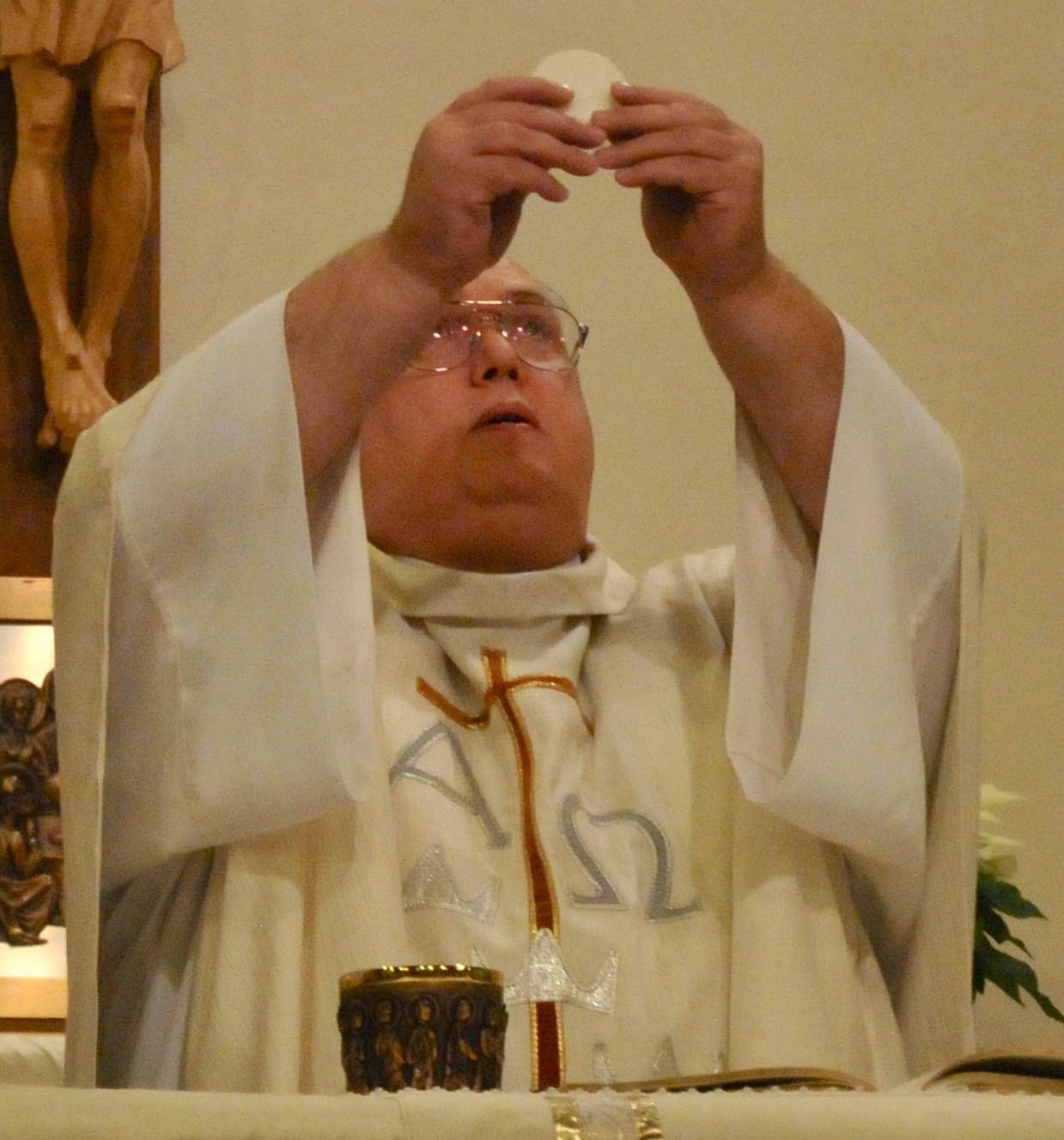
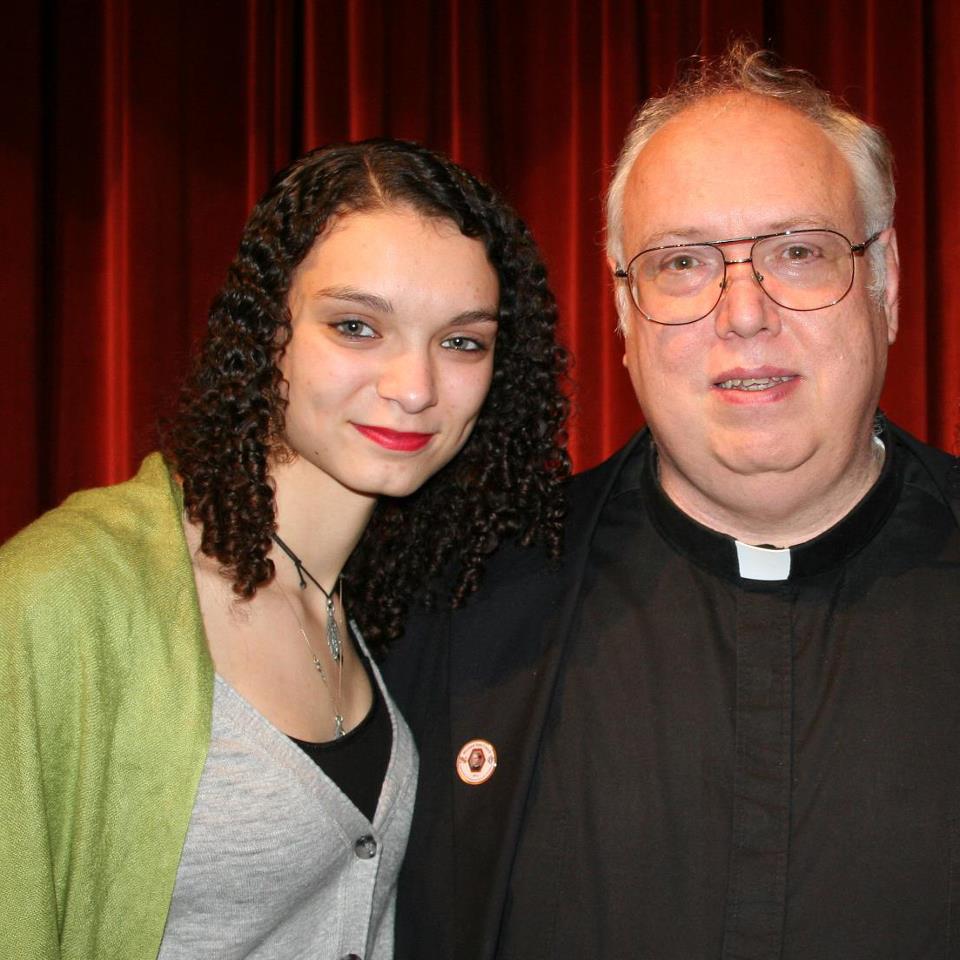
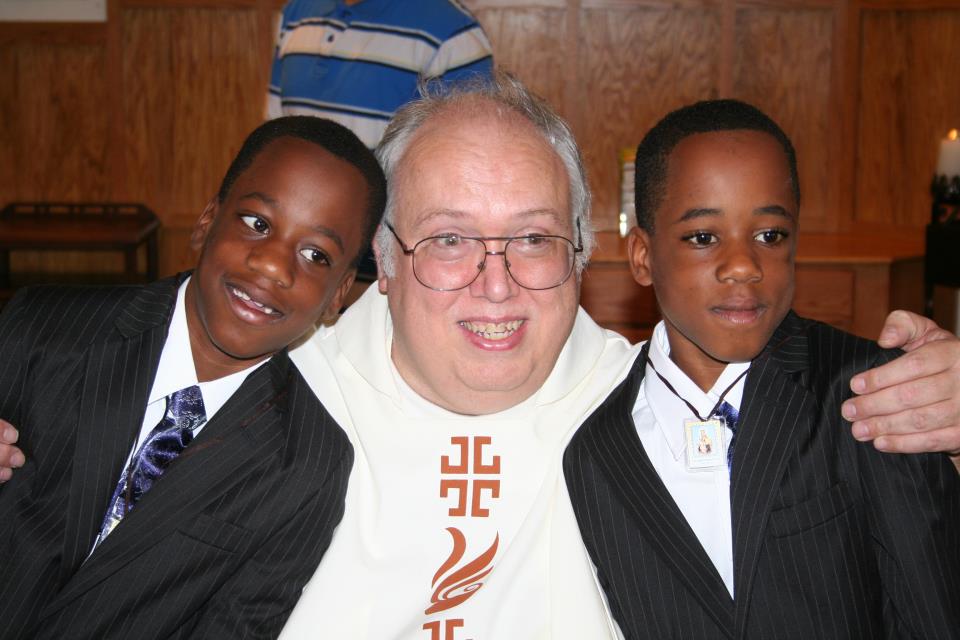
    Fr. Joseph Jenkins

  • The blog header depicts an important and yet mis-understood New Testament scene, Jesus flogging the money-changers out of the temple. I selected it because the faith that gives us consolation can also make us very uncomfortable. Both Divine Mercy and Divine Justice meet in Jesus. Priests are ministers of reconciliation, but never at the cost of truth. In or out of season, we must be courageous in preaching and living out the Gospel of Life. The title of my blog is a play on words, not Flogger Priest but Blogger Priest.

  • Archives

  • Categories

  • Recent Posts

  • Recent Comments

    Anonymous's avatarAnonymous on Ask a Priest
    Michael J's avatarMichael J on Ask a Priest
    Jeremy Kok's avatarJeremy Kok on Ask a Priest
    Mike Zias's avatarMike Zias on Ask a Priest
    Jeremy Kok's avatarJeremy Kok on Ask a Priest

Responding to Lies Told by the Darkness

The demonic will lie to us, offering a feigned friendship and understanding. Evil is all about seduction, not about well-being and advancement. What is the darkness really saying behind the duplicity and rhetoric?
The Darkness

You are no good.

You are stupid.

You are fat and ugly.

No one loves you.

You are worthless.

You are hopeless.

You can’t do anything right.

No one wants to be around you.

No one cares about you.

We would all be better off with you gone.

You are bad and beyond forgiveness.

You deserve every bad thing that happens to you.

Everyone hates you.

You would be better off dead.

A Response

Enough! Everything that God creates is good. You have value in God’s eyes. Indeed you are precious and irreplaceable. Your worth is immeasurable.

Some are smart about the things of the world but ignorant about the truths of eternity. We know that God loves us and has called us to a relationship with his Son. We should all be, as St. Paul taught, fools for Christ.

God calls us marvelous to behold, no matter what the standard of beauty in the world might be. Nothing else matters.

God loves us and his Church does, too. We must never buy the deceit that we are not lovable.

We have value because God gives us worth. People might not recognize it, but everyone is important. There are no disposable people. Everyone matters.

Our hope is in the Lord. Despair is from the evil one and is poison to faith. There is no Christianity without hope. It is one of the three things that last: FAITH, HOPE and LOVE.

We might make mistakes and fail, but the good Lord will give us strength. Jesus, himself, was judged a failed prophet by the world, a criminal handed over by his own people to be put to death. But the world was wrong. We can share in Christ’s victory.

God wants you near him and the Church wants you, too. She invites you to worship with the community and to know fellowship with other believers. You are not alone.

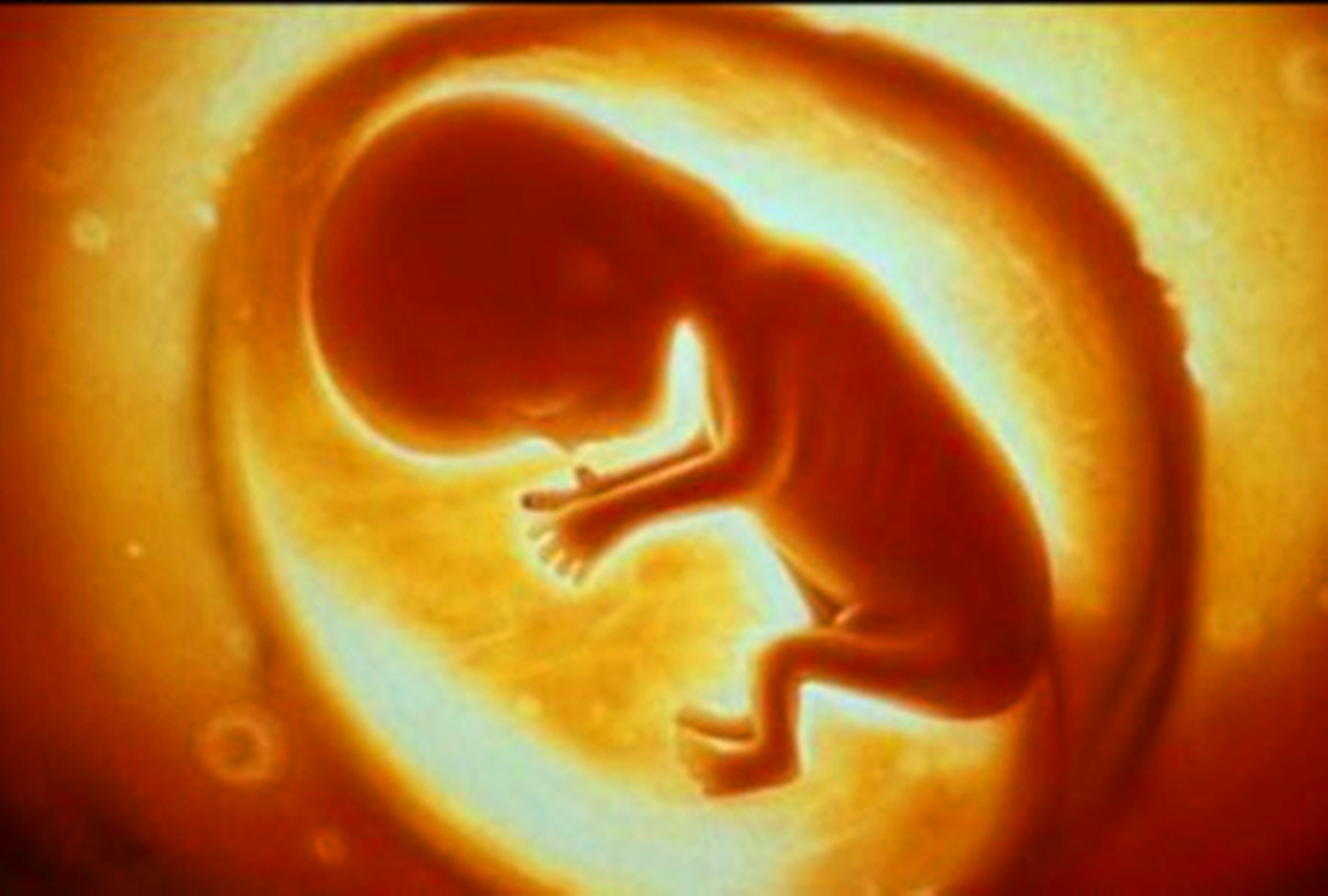
Jesus cared so much for you that he laid down his life and died for you. Yes, by name, he shed his blood that you might know him and his saving mercy. The Church also cares, from the moment you were conceived in the womb, she was the advocate for your life.

We would be diminished by your loss. You need the Church and we want you. Christ wants you as a friend in his service. We are all family.

We are all sinners but the mercy of God is infinite. All that is required is a contrite heart and a disposition for faith and conversion. God wants to pour his life into us.

It is not a matter of what we deserve but rather the generosity of God. He gives us his gifts freely. No one merits salvation; grace is a gratuity from the Lord.

God loves you. The Church and the saints love you. There are probably many who love you in this world but you do not always see it. You are surrounded by love.

Life is God’s gift. He alone is the one to number our days. We need to respect this gift in us and others. We know that when our time in this world grows short, we have an eternity with the Lord waiting for us. The saving work of Jesus is a testimony that love is stronger than death.

Original Sin & Mary’s Birthing of Jesus

Back in my college seminary days, I remember watching with a large number of other men the wonderful television miniseries, JESUS OF NAZARETH. During the scene where Mary gave birth to Jesus, a group of the guys verbally objected that it was not right and that Mary did not experience birth pangs. They reminded everyone in the room that the pain of labor was a consequence of the fall and original sin. Since Mary was sinless, they argued, the whole birthing process should have been easy and free of any sort of distress. A number of the Church fathers concurred about the ease of Mary’s birthing of Jesus. One compared it to water passing through a straw. Nevertheless, the girl on the screen was pushing, grunting and screaming. The more liberal guys disagreed with the conservative ones and before long there was a very loud and vocal debate going on. I had very little theological training at the time and just wished they would be quiet so that we could enjoy the movie. We had to ask them to take it outside the room. I fully accept Church teaching about Mary, but at the time I wondered about it quietly to myself. This was a new question for me.

Published in 1566, The Catechism of the Council of Trent had this to say about the question:

“Besides, what is admirable beyond the power of thoughts or words to express, He is born of His Mother without any diminution of her maternal virginity, just as He afterwards went forth from the sepulcher while it was closed and sealed, and entered the room in which His disciples were assembled, the doors being shut; or, not to depart from everyday examples, just as the rays of the sun penetrate without breaking or injuring in the least the solid substance of glass, so after a like but more exalted manner did Jesus Christ come forth from His mother’s womb without injury to her maternal virginity. This immaculate and perpetual virginity forms, therefore, the just theme of our eulogy. Such was the work of the Holy Ghost, who at the Conception and birth of the Son so favored the Virgin Mother as to impart to her fecundity while preserving inviolate her perpetual virginity.”

 “The Virgin Mother we may also compare to Eve, making the second Eve, that is, Mary, correspond to the first, as we have already shown that the second Adam, that is, Christ, corresponds to the first Adam. By believing the serpent, Eve brought malediction and death on mankind, and Mary, by believing the Angel, became the instrument of the divine goodness in bringing life and benediction to the human race. From Eve we are born children of wrath; from Mary we have received Jesus Christ, and through Him are regenerated children of grace. To Eve it was said: In sorrow shalt thou bring forth children. Mary was exempt from this law, for preserving her virginal integrity inviolate she brought forth Jesus the Son of God without experiencing, as we have already said, any sense of pain.” [Part 1, Article 3]

Other than these few paragraphs, the Church gives us little further guidance on this question, placing the stress upon Mary’s perpetual virginity and sinlessness. While we can speculate, I would not want to say anything that would harm true faith and the devotional life of believers. Jesus was sinless and yet he would pay the terrible price for our sins in his flesh through his passion and death. His death would make possible our rebirth in him.

Although Mary’s integrity is not compromised, this in itself does not mean that Mary’s lifelong participation excluded elements of the pain and struggle connected to his saving activity. If not the birthing itself, certainly there was the struggle of the journey and anxiety to find a place for the birthing. What they did find was no more than a cave or barn. She might have straw but no fine bed to rest upon. Mary certainly suffers at the Cross, even if vicariously, witnessing her Son’s saving sacrifice. This notion of suffering through another’s pain is worthy of reflection.  I am told that men sometimes have phantom birth pangs when their wives go into labor. Might Mary’s birthing possess solidarity with the Cross on a level about which we do not know? She does not share original sin with her sisters in the world, but helped her cousin Elizabeth with her birthing of John the Baptizer. She knew well what other women endured in bringing new life into the world.  Might she have offered up her miraculous pregnancy and birthing on their behalf?  If there were no physical pain, she might have endured something on an intentional and/or a spiritual level. Further, if she knew anything about the high calling and work of her Son, then there must have been both joy and the beginnings of that piercing into her immaculate heart. After all, Jesus was born to die. The powers of the world would conspire against her Son from the very beginning of his life among men.  Soon after his birth, Joseph would spirit them off to Egypt with Herod hot on their heels, seeking to kill the newborn king.

Mary offers up her flesh in her pregnancy and in birthing Christ. Yes, she is sinless, but the whole reason for this favor was the incarnation. She opened her heart to sinners and desired their salvation. The Sorrowful Mother probably knew a measure of suffering at both the end and beginning of this story. If so, it would not be because of any sin or fault on Mary’s part, just as Jesus did not deserve the agony of the Cross. All that Jesus was and would be was present throughout. Death was also a consequence of sin, but both John Cardinal Newman and the late Pope John Paul II thought that Mary, though never corrupted by the grave, did indeed die. In this regard she stood with Christ and the rest of humanity. By contrast, along with those of us who find the notion of birth pangs difficult to reconcile with Mary’s sinlessness, the Eastern churches would prefer to speak of Mary “falling asleep” and being translated into heaven.

The text from Genesis is clear: sin, suffering and death are on our side of the equation. We read in Genesis 3:16: “To the woman he said, I will greatly multiply your pain in child bearing; in pain you shall bring forth children.” Based upon her not suffering from concupiscence or any other consequence of original sin, magisterial teachers would contend that she had a painless delivery. This was the assessment from the Church fathers of Trent.  There is even the stress upon a spiritual or supernatural birth over a natural birth. While some might find that this challenges credulity, there are stories about ordinary women (not so holy) who have had easy deliveries. Given this case for them, then why not something unique for Mary? If God could conceive a child in her by the power of the Holy Spirit, he could certainly bring that child of promise forward in a manner that would leave Mary’s bodily integrity intact and free from the usual distress of delivery.  I suppose if the incarnation were to occur today we would insist upon St. Joseph documenting the whole event with a video camcorder. Thankfully, the truths of Scripture and Sacred Tradition are of an entirely different order than the voyeurism reported by the network news or by reality television programs.

There are certain dangers or risks in talking about Mary’s virginity. First, there is the invading atheism where critics scoff at the miraculous. Second, and this flows from the first point, people might easily mock the teaching and women might despair of any real association with Mary. While the marital act consummates and renews their marriage covenants, women often have mixed feelings about the sexual gymnastics required to get pregnant. They are intensely aware of how it is a means to an ends. Not only is Mary removed from such a repetitive duty, it is also insisted that Jesus was born with no trauma to her body. As one woman I know asked, then how is Mary really like the rest of us who are mothers? If the authorities are right, then Jesus exits the womb as easily and mysteriously as he enters the locked upper room after his resurrection. The current universal catechism also insists that Mary’s virginal integrity is unassailed (not mentioning birth pangs):

The deepening of faith in the virginal motherhood led the Church to confess Mary’s real and perpetual virginity even in the act of giving birth to the Son of God made man. In fact, Christ’s birth did not diminish his mother’s virginal integrity but sanctified it.’ And so the liturgy of the Church celebrates Mary as Aeiparthenos, the ‘Ever-virgin’” (CCC #499).

Mary & the Brethren

No one denies that the Bible mentions brethren of Christ, as in Mark 6:3. Such references are a real stumbling block for Protestants to believe in Mary’s perpetual virginity. Many Catholics might also suffer from such confusion, particularly in the absence of good catechesis and preaching on the Blessed Mother. While there are biblical supports, Marian teaching is an area where the importance of Sacred Tradition is proven. Our beliefs about her have been passed down from the days when she was treasured as our Lord’s most intimate living witness in the early Church. Since she was not the direct mother of the “brothers and sisters” of Jesus, she is entrusted to John at the Cross. The family of faith will take care of her and in return she will manifest a spiritual motherhood among them.

Protestants generally agree with Catholics that prior to the birth of Jesus, Mary was a virgin. The prophecy of a virgin with child in Isaiah 7:14 is fulfilled in Matthew 1:23. The scene of the annunciation confirms her virginity. The angel Gabriel tells her that she will conceive and bear a son (Luke 1:31). Mary immediately asks how this could be since she has not known man, in other words, had sexual relations. The angel makes it clear that the agency for her pregnancy would be divine power: “The Holy Spirit will come upon you, and the power of the Most High will overshadow you” (Luke 1:35).

Precedent for Improbable Births Before Mary

Mary’s own birth to the aged Joachim and Ann would be deemed as improbable but possible, in line with a pattern seen again and again in Scripture with the parents of special children called forth by God. Her own cousin Elizabeth would be another example as the mother of John the Baptizer. Sarah gave birth to Isaac when she was in her 90’s; Manoah’s wife is another and she would deliver Samson; and the barren Hannah only became pregnant with the prophet Samuel after she desperately promised God that he would be dedicated to his service. These were all children “of promise” and they were singular in that there would be no others to pass through their mothers’ wombs. God stretched the rules of nature in these miraculous births. But, in Mary’s pregnancy with Jesus, the laws of nature were superseded. It was a miracle of an entirely different order. Isaac would become the father of a great nation, God’s people. Jesus ushered his kingdom, first through his own person and later through his mystical body, the Church. Samson was a mighty deliverer of his people from the bondage of the Philistines. Jesus lays down his life as the redeemer of mankind from the slavery of Satan and the afflictions of sin and death. Under Saul and David, the prophet Samuel brought God’s word to his people. Jesus is the revelation of the Father, showing us the face of God. He is the true mediator between heaven and earth. He testifies to the truth, the Good News of the kingdom.

The Impossible is Made Possible for Mary

Joachim and Ann conceived Mary in the normal course of marital human interaction. Tradition claims they were elderly but as with Zachariah and Elizabeth, it only made such a pregnancy improbable, not impossible. The most sensational divine intervention was left unseen in the unblemished soul of Mary. This preservation from sin also spares her from the most serious consequences of the fall; she is conceived already as an inheritor of eternal life. This was only fitting because the Lord of life would make her into his Ark for entering this world.

Mary asks the question which would initially trouble Joseph. “How is this going to happen?” (see Luke 1:34). The angel lets her know that the impossible will be made possible by God. “The Holy Spirit will come upon you and the power of the most high will overshadow you” (see Luke 1:35). God shall come down from heaven and reveal his face in Jesus Christ. The eternal Word and Second Person of the Blessed Trinity shall enter into the human family.

I recall reading in public junior high school a short story (probably banned now) about a Jewish boy upsetting his rabbi with questions on Jesus. (The title and author escapes me.) The rabbi’s response to the incarnation and miracles of Jesus was one word, “Impossible!” But the boy nagged him, “If God can do anything, why not this?”

Mary & Consecrated Virginity

Any precedent for virginity or celibacy that is used to substantiate claims about Mary, also applies to the discipline of celibacy by religious and clergy. Those who would malign such a lifestyle as unnatural do an injustice to good people who embrace purity. St. Paul, himself, affirms that it is a noble choice and one for which he has a preference.

A chief foreshadowing in the Old Testament is the prophet, Jeremiah. God commanded him, “Do not take a wife, have no sons and no daughters in this place” (Jeremiah 16:1-4). Mary was the first disciple and prophet of the Good News. Priests are also prophets and living signs of contradiction to the world. Their celibacy is an eschatological sign pointing to the fact that we are only pilgrims in this world. The kingdom is breaking into the world and time is short. Like Jeremiah, their lives are consumed by their relationship with God and their mission among his people.

Although there are translation disputes about whether it is best to use “maiden” or “virgin” in the prophecy of Isaiah 7:14; “a virgin is with child,” is regarded as being satisfied in Matthew 1:23. This testifies to the truth about Mary.

Single and religious should maintain a virginal life and the married must never confuse lust with passion.

Mary’s Virginity & the Celibate Priest

The virginity of Mary is often spoken about in reference to the lives of consecrated religious. But along with the witness of St. Paul and that of our Lord, himself, it also finds a correlation with priestly celibacy. Mary is the virgin who conceives and gives birth to Christ by the power of the Holy Spirit. By giving life to Jesus she is making possible the life of the world. Similarly, the celibate priest is called, “Father,” because he is a spiritual parent. The priest consecrates and makes Christ present in the Blessed Sacrament by the power of the Holy Spirit. As one who is specially configured to Christ, he makes Jesus present as the bread of life and, again, the life of the world.

Never had God given such responsibility to human beings as he had to the Holy Family and later to his bishops and priests. It is for this reason that the Western Church has preferred that its clergy manifest a single-hearted love of God and a service undistracted by a spouse and personal family. In her later years, Mary too had to go on without her faithful protector, Joseph. Priests have the support of the believing community, but in a real sense they also embrace an aloneness for the kingdom.

Mary was never ordained a priest, but there is a sacerdotal element in her life that resonates with the priesthood.

Mary as Virgin & Mother

Mary seems to benefit from both poles of emphasis: she is a virgin and a mother. While she was a wife to Joseph, such was in terms of partnership and as a confidant, caring for the domestic needs of the home. Few couples embrace a Joseph-Mary celibate love all throughout their marriages; however, while rare, some do make and keep such pledges. I knew of a couple who tried to live such a life as a special sacrificial offering to God. They made this promise before a priest and the day came a year later that they returned to see the pastor at the rectory so that they might be released from their sacrificial vow. They came to discern that God willed that they now embrace the physical and life-giving joys of their bond. The priest sent them home with his blessing.

Mary and Joseph perpetually lived out their chaste and celibate love in honor of the Christ who was the center of their home. The many brethren and sisters, actually cousins, insured that Jesus had many playmates as a child. The extended family life in the time of Christ was very different from the nuclear families of today. Households often included aunts, uncles, cousins, grandparents, etc. The family meant everything and everyone worked and played together. Such would probably play a formative role in how Christ would relate to his apostles and disciples.

He was truly part of a human family.

Can We Compare Mary to Jephthah’s Daughter?

My mind races back to the days when as a young seminarian I studied theology at Catholic University. There were several ladies also taking classes and studying for degrees. When we studied the story of Jephthah’s daughter, my friend Theresa became agitated. She found the story in Judges 1:37-40 to be deeply disturbing. She wondered aloud if there might be some Scriptures that cannot be salvaged for Christian believers, today. In thanksgiving for his victory in battle, the Hebrew general pledges that the first who steps out the door of his home, he will sacrifice. He immediately laments his pledge because out steps his young daughter. She requests a short time to mourn her virginity and then we are told he did as he promised. Unlike the story of Abraham and Isaac, God does not stay his hand. It is a remnant story that betrays the fact that human sacrifice, while later regarded as offensive, had at one time been practiced by the Chosen People. As with a few other passages from the Bible, there was a debate during the formulation of the Lectionary for Mass that this story should be skipped. Nevertheless, while the Scriptures are edited and censored for polite sensibilities in the Lectionary, this reading was still included. It is terribly hard to preach upon. The young girl had courage and her father kept his promise to God; but as Christians, we are aware that some promises should not be made. The child mourns that she will never know the joys of being a wife and mother. It is a poignant and terrible story. Mary was probably not much older. Tradition has it that she had embraced celibacy and/or virginity as a servant of the Temple. This fuels the assumption by some authorities that Joseph was a much older man, betrothed to protect Mary in a male-oriented society. A friend of mine uses the story of the slaughtered girl to talk about the low premium placed on virginity in Jewish society in ancient days. We also see how virginity is embraced to honor God, either in a death to self (as with Mary) or in a physical death (as with Jephthah’s daughter). But I am of the mind that the story is too emotionally evocative for a level-headed analysis. It makes us very angry. How can the murder of the innocent ever please God?

Mary’s Virginity in the Context of Jewish Understanding

Virginity was associated with holiness and purity going back to Old Testament days. However, while it was insisted that this gift should be brought to the marriage bed undefiled, the main emphasis among the Jews was fruitfulness and progeny. The promiscuous woman was understood as damaged goods and unclean. The barren woman was viewed as cursed. We see this latter sentiment with Abraham and Sarah and in the New Testament among Zachariah and Elizabeth. Sacred tradition indicates a similar situation with Joachim and Ann, the parents of Mary. These women rejoiced because God gave them a child and took away their shame.

“Sons are a birthright from Yahweh, children are a reward from him” (Psalm 127:3).

“Your wife will be a fruitful vine within your house: your children will be like olive shoots around your table…may you see your children’s children” (Psalm 128: 3,6).