
• Our Blogger

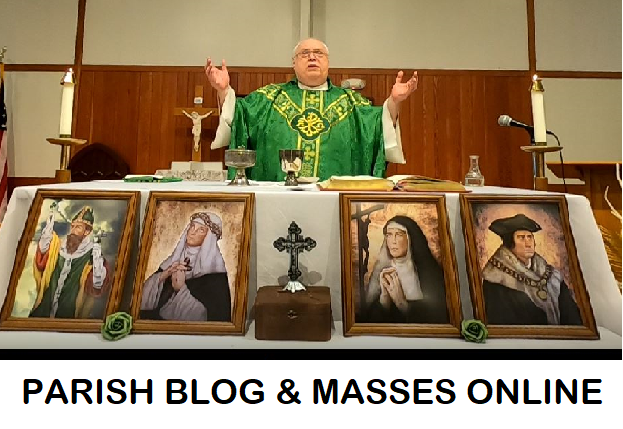
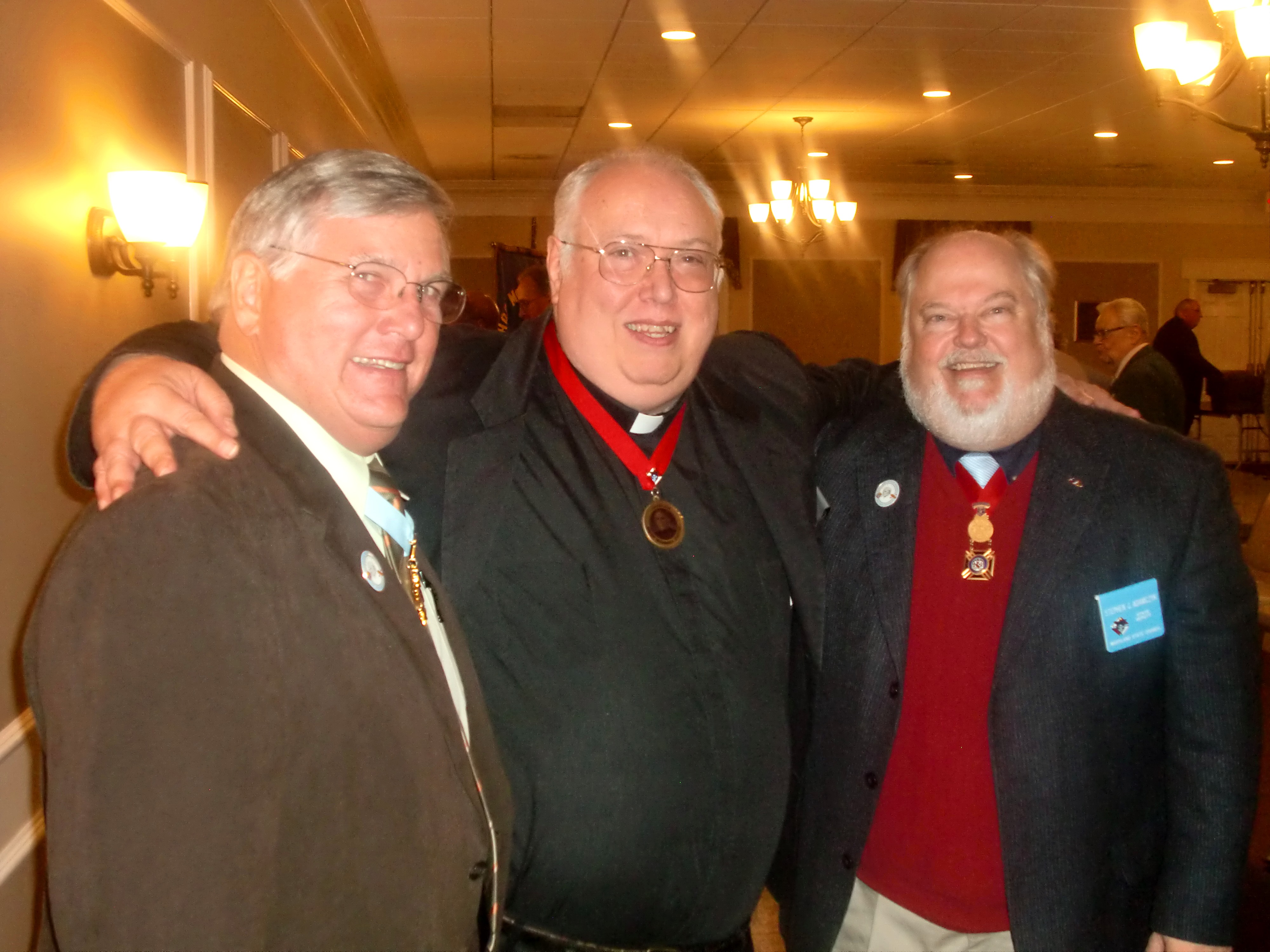
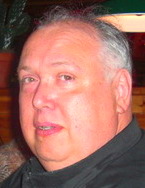
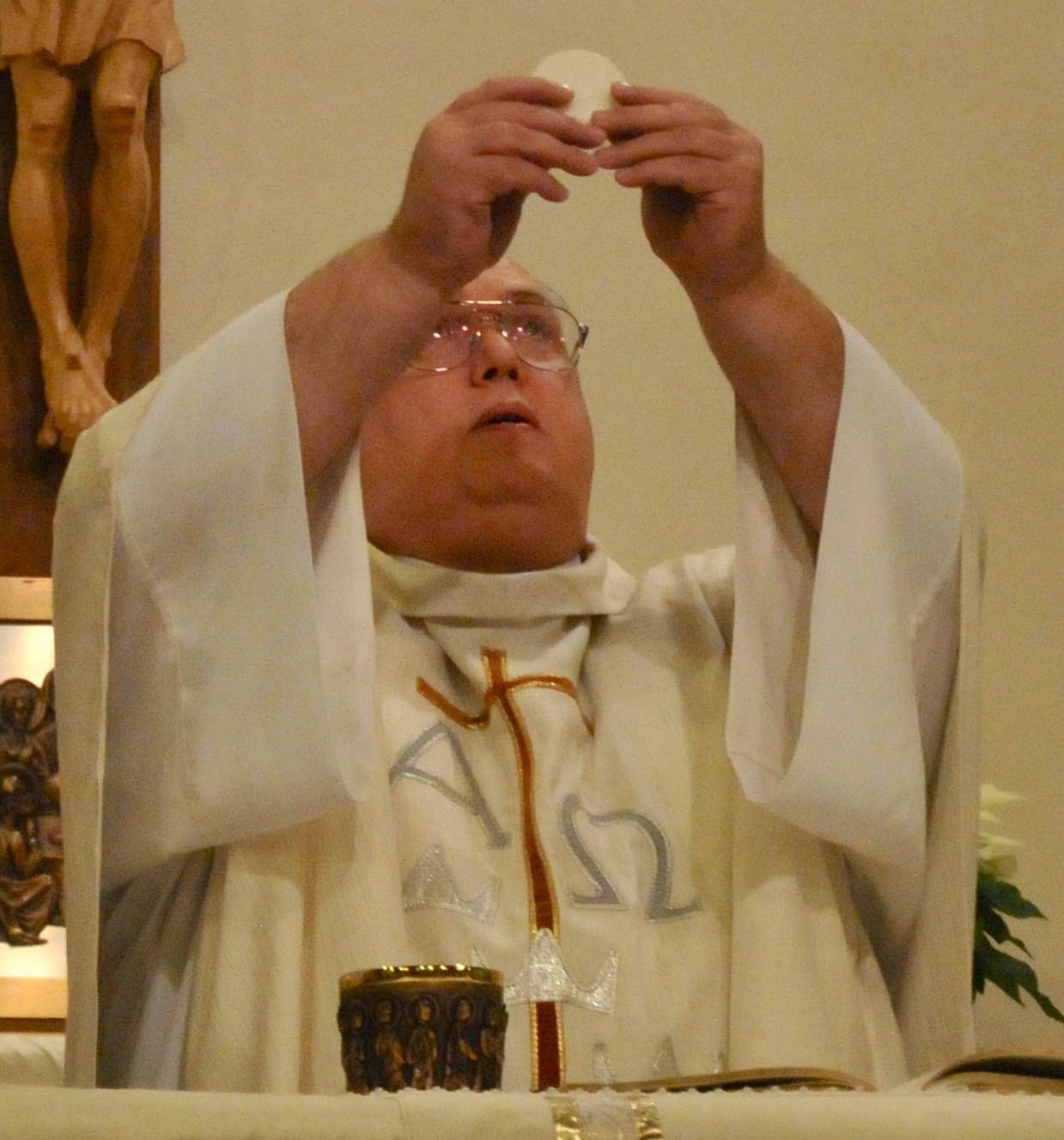
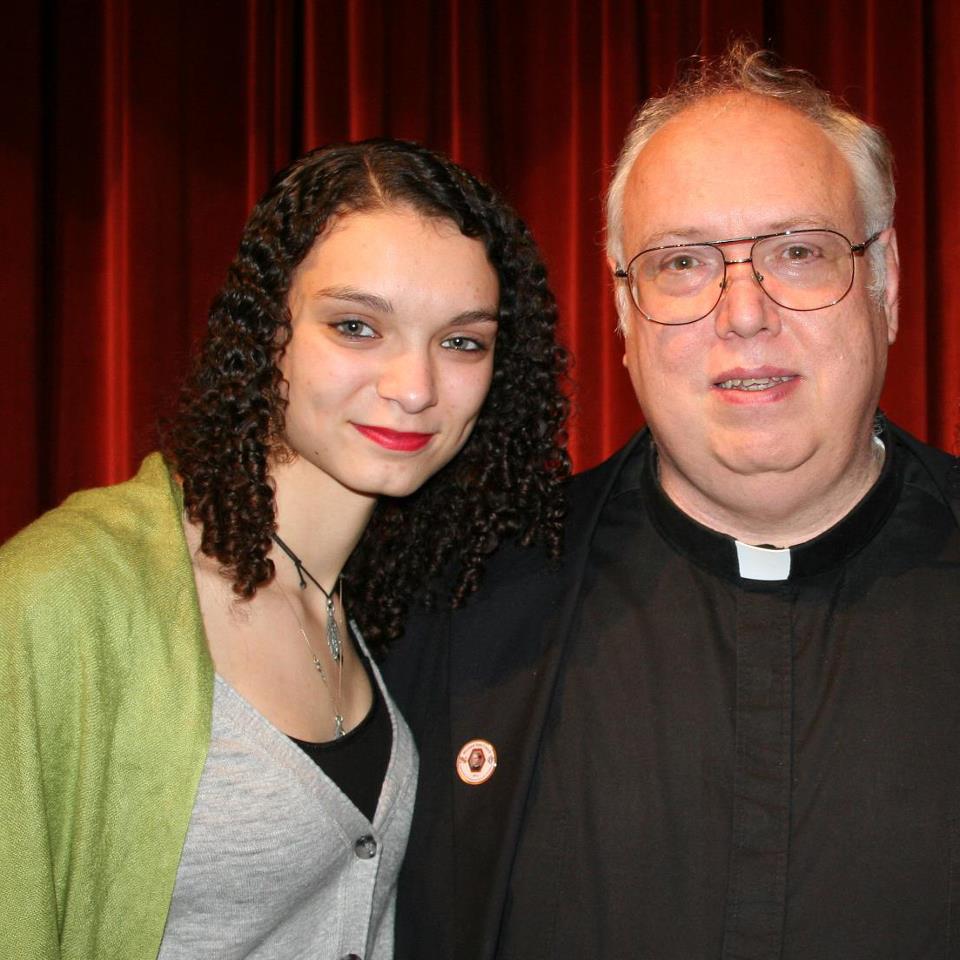
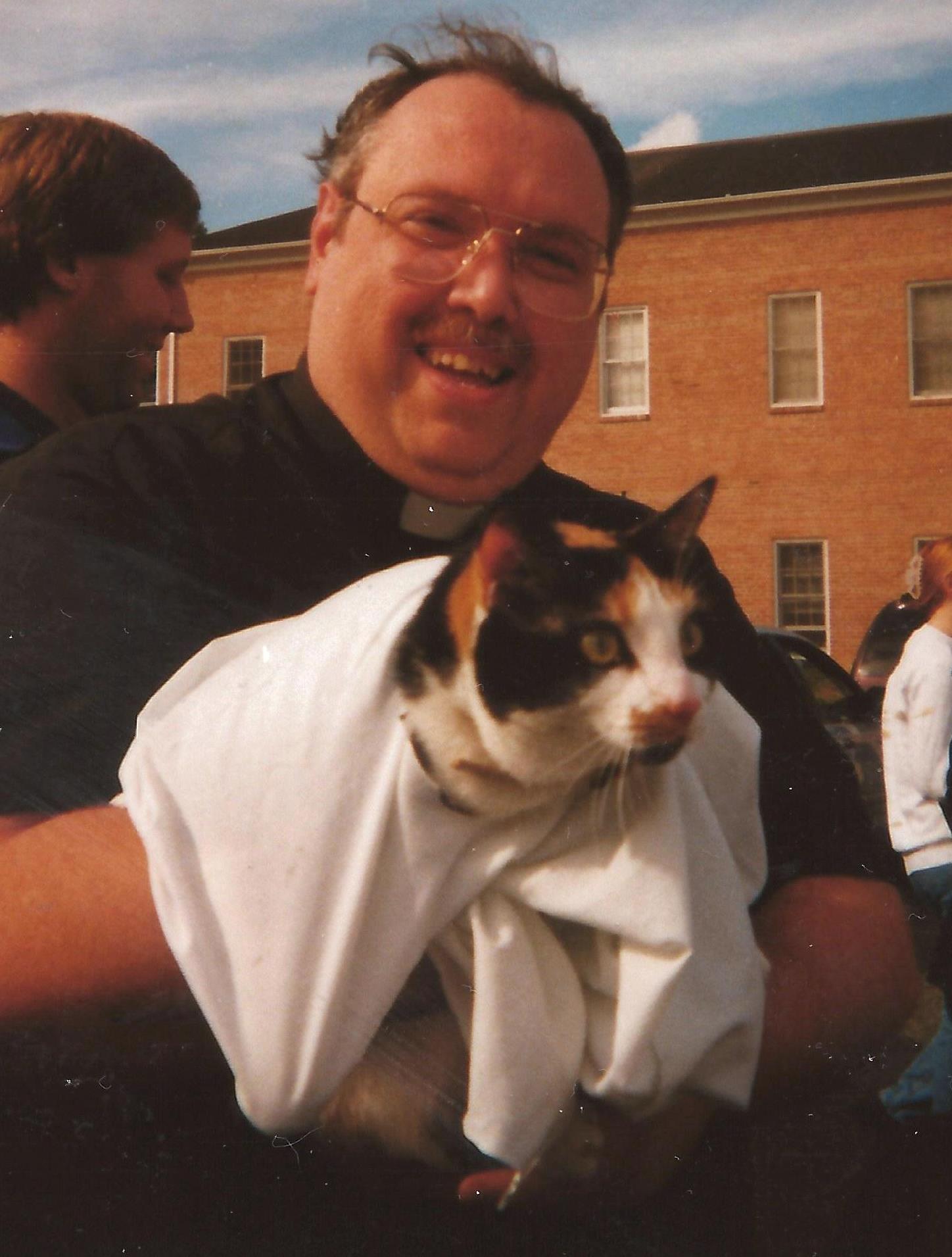
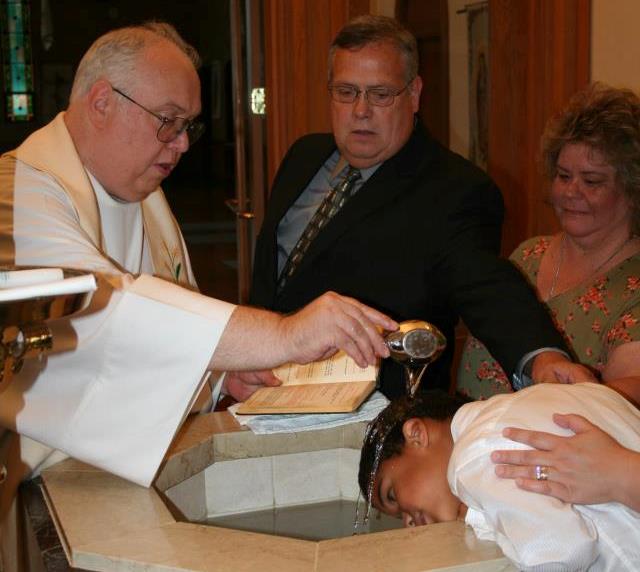
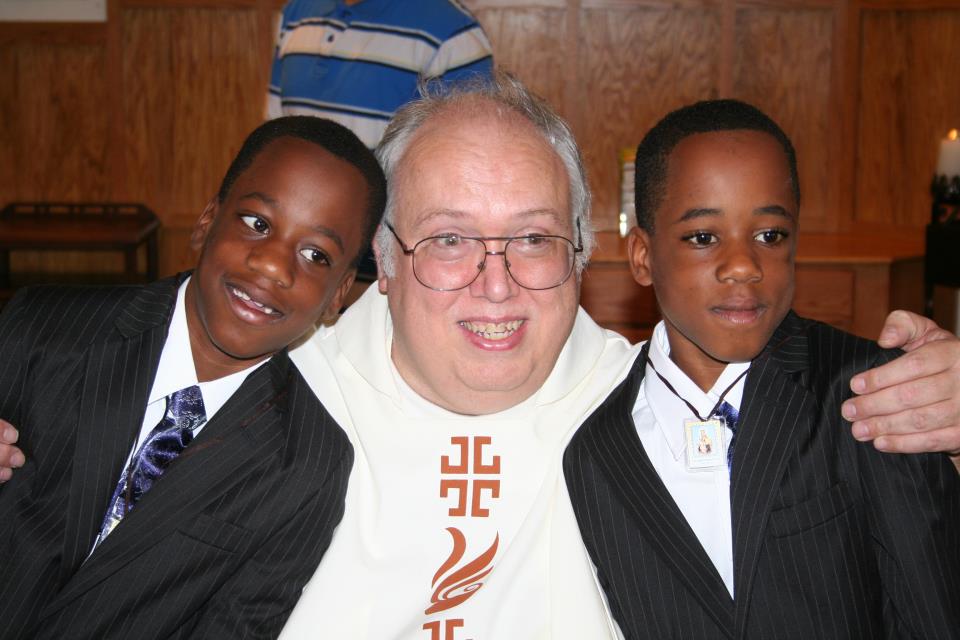
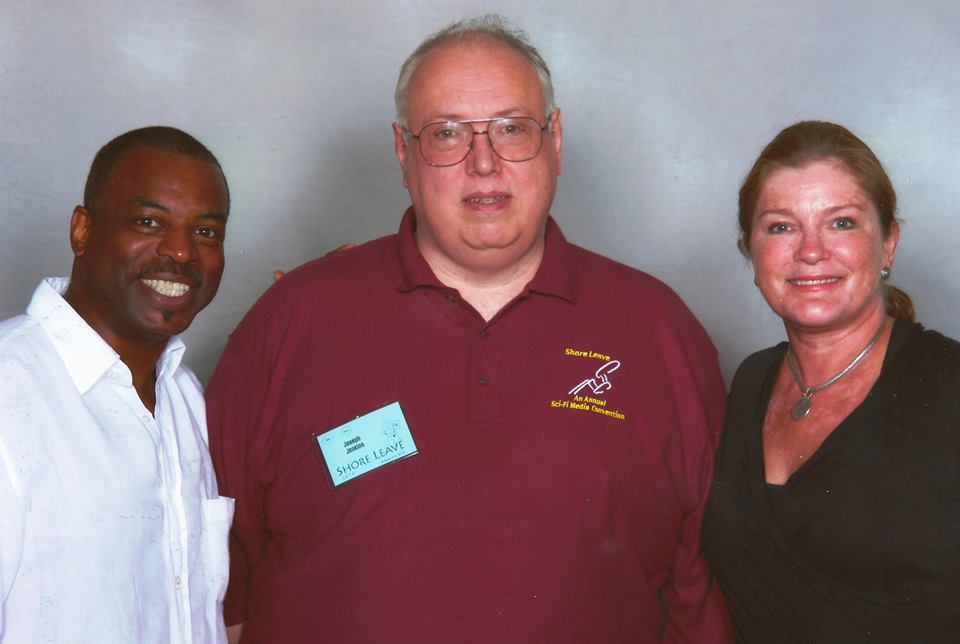
    Fr. Joseph Jenkins

  • The blog header depicts an important and yet mis-understood New Testament scene, Jesus flogging the money-changers out of the temple. I selected it because the faith that gives us consolation can also make us very uncomfortable. Both Divine Mercy and Divine Justice meet in Jesus. Priests are ministers of reconciliation, but never at the cost of truth. In or out of season, we must be courageous in preaching and living out the Gospel of Life. The title of my blog is a play on words, not Flogger Priest but Blogger Priest.

  • Archives

  • Categories

  • Recent Posts

  • Recent Comments

    Anonymous's avatarAnonymous on Ask a Priest
    Michael J's avatarMichael J on Ask a Priest
    Jeremy Kok's avatarJeremy Kok on Ask a Priest
    Mike Zias's avatarMike Zias on Ask a Priest
    Jeremy Kok's avatarJeremy Kok on Ask a Priest

Priests & Sacrifices

ANTI-CATHOLIC ASSERTION
There is no need of Catholic priests or of the sacrifice of the Mass, we have Christ and all is accomplished on the Cross already.

Hebrews 7:27: He has no need, like those high priests, to offer sacrifices daily, first for his own sins and then for those of the people; he did this once for those of the people; he did this once for all when he offered up himself.

CATHOLIC TRUTH

While there was no requirement for daily sacrifice in the law of Moses, such a feature was prescribed for the Day of Atonement. Of course, what we can readily contrast are the repeated sacrifices of the Hebrews and the singular oblation of Jesus. True atonement could not be achieved by their sacrifices, and yet, such was expected between the fallen creature and his Creator. Indeed, the practice of making sacrifices, even in pagan religions, shows that there is an innate awareness of this responsibility imprinted upon nature itself. The sacrifices of the Old Testament are in preparation for and point to the redemptive Cross. Chosen by God, the Jewish people were made righteous by their faith and fidelity to the covenant; and yet, even their beloved dead, preserved from the fires of hell, would have to await the descent of our crucified Lord before entering into paradise. As the catechisms explain, Christ took upon his shoulders the death we deserved and the heavy burden of sin. He conquers them, but they have yet to be undone in human history. The gates of heaven are opened and as our Mediator, Jesus makes possible our entry into the heavenly home.

Apart from Christ, any human sacrifice was only of a finite measure and could not make full reparation for the infinite dishonor against God caused by the primordial sin and our subsequent collaboration through personal sin.

The Eucharist or Mass is the Christian’s sacramental way of making himself present to the great mystery of Calvary. Christ dies ONCE and FOR ALL; however, this saving mystery is extended through space and time by the Eucharist. Christ has died and will never die again. We do not have Christ killed upon our altars again and again. The Mass makes time travelers of us all, albeit through sacred signs. We see the image of a cross or crucifix, but it is the altar-table which most resonates with the Cross of Christ. We see a priest at the altar and yet he acts in the person of Christ, the head of the Church. The cultic language of the Last Supper links it with his saving death. We see many different men function as priests, and yet their priesthood participates in the ONE PRIESTHOOD of Jesus Christ. He is the high priest of the Catholic Christian faith. The only difference from the initial historical death of Christ and its actual re-presentation in the Mass is our ability now to join ourselves to him. We can surrender ourselves along with Christ, joined inextricably to him, as one perfect sacrifice to the heavenly Father. We are faithful, generation after generation, in keeping his great command: “Do this in remembrance of me” (see Luke 22:19; 1 Corinthians 11:23-25). This “anamnesis” is a living memory, making present that which is recalled and signified.

Confession to a Priest & Petitioning Saints

ANTI-CATHOLIC ASSERTION

Sins and needs are to be confessed only to God.

[Confession to God] If we acknowledge our sins, he is faithful and just and will forgive our sins, and cleanse us from every wrongdoing (1 John 1:9).

[The Our Father] “And forgive us our debts, as we forgive our debtors” (Matthew 6:12).

[One Mediator, not the saints, the Pope, or the priests] For there is one God. There is one mediator between God and the human race, Christ Jesus, himself human, who gave himself as ransom for all (1 Timothy 2:5). But if anyone does sin, we have an Advocate with the Father, Jesus Christ the righteous one (1 John 2:1).

CATHOLIC TRUTH

Two practices are involved under this heading: the confession (of sins) to a priest and the making of petitions to Mary and the saints. While they are very different topics, they are often linked in attacks because both involve the approach to someone other than Jesus. Catholics go to a living priest for the Sacrament of Penance. We pray to the living saints in heaven for their intercession and prayers to God. The fundamentalist has trouble with intermediaries. He insists that we must go directly to Jesus and to Jesus alone. Outside of the sacraments, some insist that we cannot even ask the living (in this world) for solidarity in prayer. Their view of a personal and privatized faith becomes so extreme that every believer becomes an isolated Church of one. Catholicism recognizes that we are not alone. Our priests perpetuate the ministry of Jesus and apply his mercy to our lives precisely as members of the Church, something larger than ourselves. Our recourse to the communion of the saints testifies to our confidence in the resurrection. Death does not destroy the bonds forged in life. Indeed, the saints are alive and remain members of the Church who have made it. They live in glory. They are where we hope to go. They have become what we seek to be. Jesus uses human priests to bring his forgiveness to the Church. Jesus allows the saints in heaven to pray for and with the Pilgrim Church on earth.

The use of 1 Timothy is quite interesting because the anti-Catholic apologist affirms the value of good works in fidelity and love to Christ: “But whoever keeps his word, the love of God is truly perfected in him. This is the way we may know that we are in union with him: whoever claims to abide in him ought to live [just] as he lived” (1 Timothy 2:5-6). I would suspect that he would not like this message very much. As usual, none of his citations contradict Catholic faith. Sins can be forgiven, even outside of the sacrament of Confession. However, one must still admit sinfulness, be sorry, and offer an act of contrition. The sacrament is a special and certain way we receive God’s mercy. The Church reserves to herself the confession of certain serious sins so that we may assuredly be forgiven, receive the graces to amend our life, repair the rift caused by sin in the Mystical Body, and receive appropriate counsel. Because of his configuration to Christ, the absolution of the priest in Confession resonates in perfect harmony with the expiation of the Cross. Christ forgives our sins. He has extended something of this authority to his Church as an element of his abiding and healing presence. The anti-Catholic critic has trouble with Confession for the same reason that he cannot abide the general ministry of priests, the authority of the Pope, and the intercession of the saints: his is an intensely privatized faith which makes no concession to a church other than periodic fellowship. Churches, as long as they are not Romanized, are interchangeable and maybe even considered unnecessary. Such is a theology incompatible with the Scriptural view of the Church as the new People of God or the new Israel or Jerusalem.

[Precedent in the Old Testament] The Lord said to Moses: “Tell the Israelites: If a man (or woman) commits a fault against his fellow man and wrongs him, thus breaking faith with the Lord, he shall confess the wrong he has done, restore his ill-gotten goods in full, …” (Numbers 5:5-7). He who conceals his sins prospers not, but he who confesses and forsakes them obtains mercy (Proverbs 28:13).

[David confessed his sins to Nathan the prophet and was given assurance of pardon] Then David said to Nathan, “I have sinned against the Lord.” Nathan answered David: “The Lord on his part has forgiven your sin: you shall not die” (2 Samuel 12:13).

[Responding to John the Baptizer] Then there went out to him Jerusalem, and all Judea, and all the region about the Jordan; and they were baptized by him in the Jordan, confessing their sins (Matthew 3:5-6).

[Responding to the Apostles] Many of those who had become believers came forward and openly acknowledged their former practices (Acts 19:18).

[Ordained ministers exert Christ’s forgiveness over sins] So we are ambassadors for Christ, as if God were appealing through us. We implore you on behalf of Christ, be reconciled to God (2 Corinthians 5:20). He therefore said to them again, “Peace be to you! As the Father has sent me, I also send you.” When he said this, he breathed upon them, and said to them, “Receive the Holy Spirit; whose sins you shall forgive, they are forgiven them; and whose sins you shall retain, they are retained” (John 20:21-23). “Amen I say to you, whatever you bind on earth shall be bound also in heaven; and whatever you loose on earth shall be loosed also in heaven” (Matthew 18:18). And all this is from God, who has reconciled us to himself through Christ and given us the ministry of reconciliation, namely, God was reconciling the world to himself in Christ, not counting their trespasses against them and entrusting to us the message of reconciliation (2 Corinthians 5:18-19).

I will address the matter of Mary and the saints elsewhere.

For more such reading, contact me about getting my book, DEFENDING THE CATHOLIC FAITH.

Priests Forgiving Sins

ANTI-CATHOLIC ASSERTION

Our sins are forgiven already in Christ, we have no need of confessing our faults to any mere man. We can appeal directly to Jesus our Savior and be forgiven.

Mark 2:5-11: “Why does this man speak thus? He blasphemes, who can forgive sins, but God.”

CATHOLIC TRUTH

Such was the verdict of the Scribes in repudiating Christ’s role as the Messiah, his testimony and authority, and ultimately his divinity. Little did they know— Christ was indeed the unique Son of God who had come to save his people. Similarly, those who discount the role of priests today stand in the role of the ancient Scribes in discounting the full ramifications of God coming upon us. Christ’s ministry of forgiving sins is perpetuated in the Church, particularly in the priests who have been specially configured to Christ for this purpose. If Christ’s mercy were a one-time deal or a general affair, then why did he spend so much time going out to individuals, liberating them from demons and forgiving their sins? Why then would he give Peter the power of the keys and explicitly tell him and the other apostles that they might loosen and bind from sin? “‘I will give you [Peter] the keys to the kingdom of heaven. Whatever you bind on earth shall be bound in heaven; and whatever you loose on earth shall be loosed in heaven’” (Matthew 16:19-20). When speaking about the referral of a sinful brother to the Church, Matthew repeats this teaching: “‘Amen, I say to you, whatever you bind on earth shall be bound in heaven, and whatever you loose on earth shall be loosed in heaven’” (Matthew 18:18). Only God can forgive sins, but he has made priests living vehicles, instruments of his mercy. After his death, the resurrected Lord appeared to his disciples, and the context makes clear that we are talking about his apostles in the locked upper room. Christ extends his peace to them: “‘As the Father has sent me, so I send you.’ And when he had said this, he breathed on them and said, ‘Receive the holy Spirit. Whose sins you forgive are forgiven them, and whose sins you retain are retained’” (John 20:21-23).

Acts 10:43: “To Him all the prophets bear witness, that through His name all who believe in Him may receive forgiveness of sins.”

CATHOLIC TRUTH

These words belong to Peter and come just before he is challenged for entering the homes of uncircumcised Gentiles and the issue of their baptism. People given the saving faith of Jesus come to baptism which brings forgiveness of sins. The sacramental life, and especially confession, makes possible our steadfastness in God’s grace and mercy. The absolution prayer used by the Church today acknowledges that it is “through the death and resurrection of his Son” that reconciliation is made with God. Further, the Holy Spirit continues to work among us “for the forgiveness of sins.” Then it takes note that Christ continues his saving work “through the ministry of the Church,” and we invoke the Almighty to shower upon the penitent his “pardon and peace.” Speaking in the first person, as he does at the altar during the Mass consecration, the priest absolves the person of his sins in the holy and triune “name” of God.

For more such reading, contact me about getting my book, DEFENDING THE CATHOLIC FAITH.

Baptism & Born Again

ANTI-CATHOLIC ASSERTION
This spiritual decision for Christ cannot be identified with water baptism or with any so-called saving works and certainly there is no foundation for infant baptism.

John 3:3,7: Jesus answered him, “Truly, truly, I say to you, unless one is born anew (again), he cannot see the kingdom of God. . . . Do not marvel that I said to you, ‘You must be born anew.’”

CATHOLIC TRUTH

This spiritual rebirth is intensely important for Catholics. Ours is no juridical imputation of righteousness; rather, we are literally remade into a new creation. Deleted from the pericope by our protagonist is this line, “That which is born of the flesh is flesh, and that which is born of the Spirit is spirit” (John 3:6). Faith in Jesus and an abiding trust and obedience to him brings us to the baptismal font. The Scripture citation here is still incomplete. It also states, “Truly, truly, I say to you, unless one is born of water and the Spirit, he cannot enter the kingdom of heaven” (John 3:5). The font of life-giving waters is known as the “tomb and womb” of the Church. We die to our old self, to sin; and we are reborn to Christ and the life of grace. We become temples of the Holy Spirit and are configured to Christ’s likeness as adopted sons and daughters of God. Our rite of initiation is not circumcision, but baptism into the name of the Trinity. Faith and baptism also makes us members of the new People of God, the Church of Christ. This theme of unity has always been important among the faithful. The Scriptures themselves narrate that sometimes whole households were converted to the faith (see Acts 16:15; 16:33; 1 Corinthians 1:16). During this period and again with the development of second penance and regular confession, babies were also brought forward for initiation. The bond joining the members of Christ’s body was understood to be so intimate and important that parents and sponsors could make a profession of faith for a child who had not yet reached the age of reason. Mortality rates being high, this was of crucial emotional importance to parents and had eternal ramifications for the children. Jesus himself had urged, “Let the children come unto me, and do not hinder them.” Over time, the final anointing of the baptismal ceremony (Confirmation) was separated from the first part, often reserved for the visiting bishop. Similarly, first Eucharist was also delayed until the child was older.

When records are not available or when there is some doubt of validity, the Catholic Church will offer a conditional baptism to candidates seeking entry into the believing community. However, if their prior Baptism in a Protestant community is deemed authentic, then they make an act of reception and subsequently receive Confirmation and Holy Communion. Baptism is a one-time sacrament which forever configures a person to the Lord. Technically, we equate the “born again” experience with baptism, although it can be personally affirmed with confirmation and a fuller sharing in the gift of the Holy Spirit. We might also experience exaltation at prayer which can give an emotional high or a special satisfaction to our faith. Christians baptized in the Catholic Church, even as infants, who seek and receive baptism in Protestant churches are in fact disavowing their prior baptism. What they are saying is that our baptism is null-and-void and that Catholics are neither Christians nor “saved,” using their language. This distortion of the truth is a terrible happenstance. Catholics were the first Christians and Catholicism is the TRUE Church. We love and pray for our Protestant brothers and sisters; we join their chorus in praising God for giving us such a wondrous redeemer as Christ; however, we cannot rejoice in the ignorance of our own or the bigotry of others which steals from our ranks.

For more such reading, contact me about getting my book, DEFENDING THE CATHOLIC FAITH.

Angels & Saints

Ephesians 2:19: So then you are no longer strangers and sojourners, but you are fellow citizens with the saints and members of the household of God . . .

Acts 12:7: . . . and behold, an angel of the Lord appeared, and a light shone in the cell; and he struck Peter on the side and woke him, saying, “Get up quickly.” And the chains fell off his hands.

Hebrews 1:14: Are they not all ministering spirits sent forth to serve, for the sake of those who are to obtain salvation?

Luke 15:10: “Just so, I tell you, there is joy before the angels of God over one sinner who repents.”

Those of our family of faith in heaven are actively concern about our well being. Insofar as God allows, they intercede on our behalf. We honor the saints as our friends and even name the angels among our heavenly protectors.

For more such reading, contact me about getting my book, DEFENDING THE CATHOLIC FAITH.

Good Works

James 2:22-26: You see that faith was active along with his works, and faith was completed by works, and the scripture was fulfilled which says, “Abraham believed God, and it was reckoned to him as righteousness”; and he was called the friend of God. You see that a man is justified by works and not by faith alone. And in the same way was also Rahab the harlot justified by works when she received the messengers and sent them out another way? For as the body apart from the spirit is dead, so faith apart from works is dead.

1 Corinthians 13:1-3: If I speak in the tongues of men and of angels, but have not love, I am a noisy gong or a clanging cymbal. And if I have prophetic powers, and understand all mysteries and all knowledge, and if I have all faith, so as to remove mountains, but have not love, I am nothing. If I give away all I have, and if I deliver my body to be burned, but have not love, I gain nothing.

Matthew 7:21: “Not everyone who says to me, ‘Lord, Lord,’ shall enter the kingdom of heaven, but he who does the will of my father who is in heaven.”

Mark 16:16: “He who believes and is baptized will be saved; but he who does not believe will be condemned.”

Both faith and good works are necessary for salvation. This is the witness of Scripture. Martin Luther was so possessed by his “faith alone” theory that he even forcibly inserted the word “alone” into his version of the Bible. When told about his error, he responded that he would not remove it even if an angel from heaven were to tell him to do so. Catholics rightly contend that faith must be actualized with charity. We profess and make real our faith, not only with an assent of the mind and our words, but with our heart and our actions. Christ is only “our personal Lord and Savior” if we exercise necessary faith and good works. The incarnation of Christ, first into human flesh and now into our souls by grace, allows him to perpetuate his ministry through our lives. Good works have merit precisely because the Lord living in us ultimately performs them. Since faith and good works are required, it becomes an imperative that we reject the view of Luther. It does make a difference what we believe. The growing consensus on this issue between modern day Lutherans and Catholics is evidence of a positive development in mainline Protestantism as well as a reconciliatory stance with Catholicism.

For more such reading, contact me about getting my book, DEFENDING THE CATHOLIC FAITH.

Ash Wednesday (Ashes)

Job 42:6: “. . . therefore I despise myself, and repent in dust and ashes.”

Jonah 3:6: The tidings reached the king of Nineveh, and he arose from his throne, removed his robe, and covered himself with sackcloth, and sat in ashes.

Recently, I was somewhat surprised when the neighboring Baptist Church called the priest at the local Catholic Church, asking for ashes. The minister’s congregation wanted to do what Catholics did in this regard as a visible sign to others of their Christian faith. I am afraid they missed the point about it as a sign of penance, but the change in orientation was worthy of note. I suspect, also, that they were struggling for ways to express what their hearts felt toward the suffering and death of Jesus. (It must be said that such changes in Protestant customs are also coming as a result of the defection of simple and poorly informed Catholics into the Protestant churches. They are easily swayed by delightful fellowship, black-and-white statements of faith [no matter how flawed], and by certain economic incentives. Ministers are very enthused to claim them at first, but over the long run these people long for elements of their “cultural” Catholicism. I know one Baptist minister in Washington, D.C. who had seen many Hispanics join his church after the instigation of a Spanish bible study program. However, he eventually stopped it. When I asked about it, (keeping my reserve as best as possible), he lamented their presence. He said they were coming in great numbers and changing his church. There was no talking to them. Hundreds of votive candles had started appearing in his church and then the worst of all, little statues in the windows. He would tell them that such things were superstitious and idolatrous. Confusing him as a priest, they would smile and say, “Yes, FATHER!” and go about their business as if he had said nothing. The Catholic Church’s use of sacramentals like ashes reveals that we respect both the head and the heart. The rejection of such a sign of penance is blatant irreverence and counter to Scriptural testimony.

For more such reading, contact me about getting my book, DEFENDING THE CATHOLIC FAITH.

Purgatory

Matthew 12:32: “And whoever says a word against the Son of man will be forgiven; but whoever speaks against the Holy Spirit will not be forgiven, either in this age [world] or in the age [world] to come.” (Some sins can therefore be forgiven after death.)

1 Corinthians 3:13-15: . . . each man’s work will become manifest; for the Day will disclose it, because it will be revealed with fire, and the fire will test what sort of work each one has done. If the work which any man has built on the foundation survives, he will receive a reward. If any man’s work is burned up, he will suffer loss, though he himself will be saved, but only as through fire.

2 Maccabees 12:45-46: (This is one of the Old Testament books omitted from the Protestant Bible). But if he was looking to the splendid reward that is laid up for those who fall asleep in godliness, it was a holy and pious thought. Therefore he made atonement for the dead, that they might be delivered from their sin.

Revelation 21:27: Nothing defiled can enter Heaven.

While many Protestant critics reject Purgatory because the word does not appear in the Bible, the actual reason is that such a teaching would make their view of justification by faith alone untenable. This Catholic teaching sustains our understanding of intercessory prayer for the dead, meritorious works done in Christ in reparation for sin, the temporal punishment due to sin, and transformation over imputation in Christ. Our justification is not a mere juridical rendering from God, but the elect are made into a new creation. They are changed. Purgatory allows this transformation to come to completion. The Scriptures uphold such a teaching, despite the protestations of so-called bible-Christians. The Bible teaches that some sins are forgiven in the world to come, on the other side of death. We are not talking here about mortal sin that damns the soul. The Scriptures indicate that some, although not all, are saved in the next world by fire. Literally the fire of God’s love purifies his own and makes them ready for heaven. In addition, the value of intercessory prayer for the dead is advocated by the Bible. Like a bride who wants to look her best before meeting her bridegroom, Purgatory allows us to undergo a cleansing or purgation of any residual stain— venial sin, the temporal punishment due to sin, and the tendency (habit) to sin.

For more such reading, contact me about getting my book, DEFENDING THE CATHOLIC FAITH.

Only Priests Can Offer Absolution

2 Corinthians 5:20: So we are ambassadors for Christ, God making his appeal through us. We beseech you on behalf of Christ, be reconciled to God. (see longer quote below)

John 20:21-23: Jesus said to them again, “Peace be with you. As the Father has sent me, even so I send you.” And when he had said this, he breathed on them, and said to them, “Receive the Holy Spirit. If you forgive the sins of any, they are forgiven; if you retain the sins of any, they are retained.”

Matthew 18:18: “Truly, I say to you, whatever you bind on earth shall be bound in heaven, and whatever you loose on earth shall be loosed in heaven.”

2 Corinthians 5:18-20: All this is from God, who through Christ reconciled us to himself and gave us the ministry of reconciliation; that is, God was in Christ reconciling the world to himself, not counting their trespasses against them, and entrusting to us the message of reconciliation. So we are ambassadors for Christ, God making his appeal through us. We beseech you on behalf of Christ, be reconciled to God.

The power to forgive sins is reserved to priests. As long as there is a need for the forgiveness of sins, the priests of the Catholic Church will continue to possess this power from Christ. Christ would not abandon his Church. As long as his Church exists, so will his mercy. The tragedy today is that may opt to remain in their sins. One of the greatest spiritual powers of every priest is neglected. The graces of this sacrament cannot be exaggerated.

For more such reading, contact me about getting my book, DEFENDING THE CATHOLIC FAITH.

Confession of Sins

Numbers 5:6-7: “Say to the people of Israel, When a man or woman commits any of the sins that men commit by breaking faith with the Lord, and that person is guilty, he shall confess his sin which he has committed; and he shall make full restitution for his wrong, . . . .”

Proverbs 28:13: He who conceals his transgressions will not prosper, but he who confesses and forsakes them will obtain mercy.

2 Samuel 12:13: David said [confessed] to Nathan, “I have sinned against the Lord.” And Nathan said [the absolution] to David, “The Lord also has put away your sin; . . . .”

Luke 23:43: The good thief is promised paradise in return for his confession on the cross: And he [Jesus] said to him, “Truly, I say to you, today you will be with me in Paradise.”

1 John 1:9: If we confess our sins, he is faithful and just, and will forgive our sins and cleanse us from all unrighteousness.

Matthew 3:5-6: Then went out to him Jerusalem and all Judea and all the region about the Jordan, and they were baptized by him in the river Jordan, confessing their sins.

Acts 19:18: Many also of those who were now believers came, confessing and divulging their practices.

Confession of sin is denoted as necessary in the Bible for the forgiveness of sins. The Catholic practice of private confession is based upon the charge from Christ to forgive or to retain sins. The Church and her ministers judge such situations. The confessor can only fulfill this obligation adequately if the penitent tells him the sins for which he needs absolution and penance. There may also be an important element of counsel.

For more such reading, contact me about getting my book, DEFENDING THE CATHOLIC FAITH.