• Our Blogger

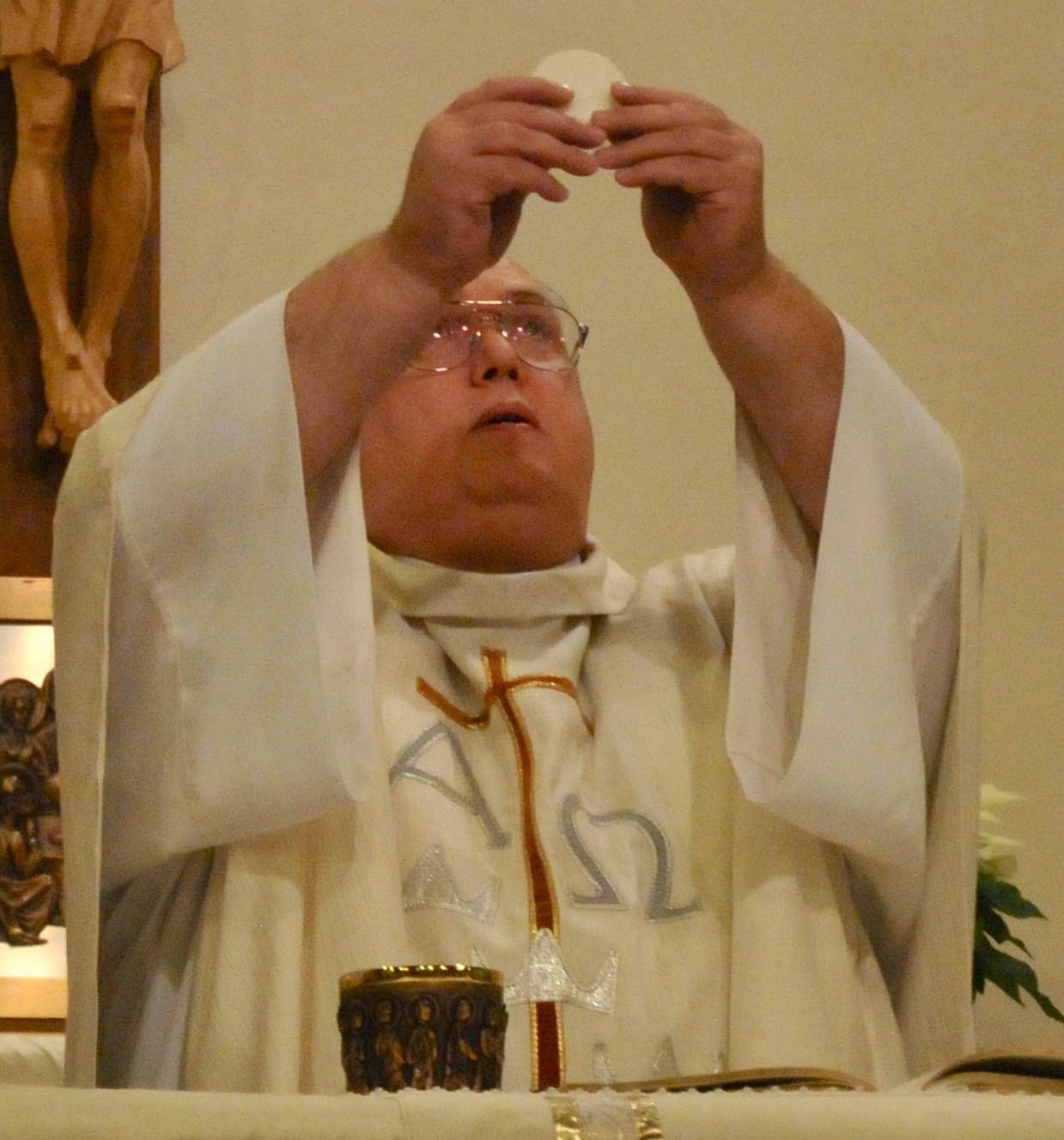
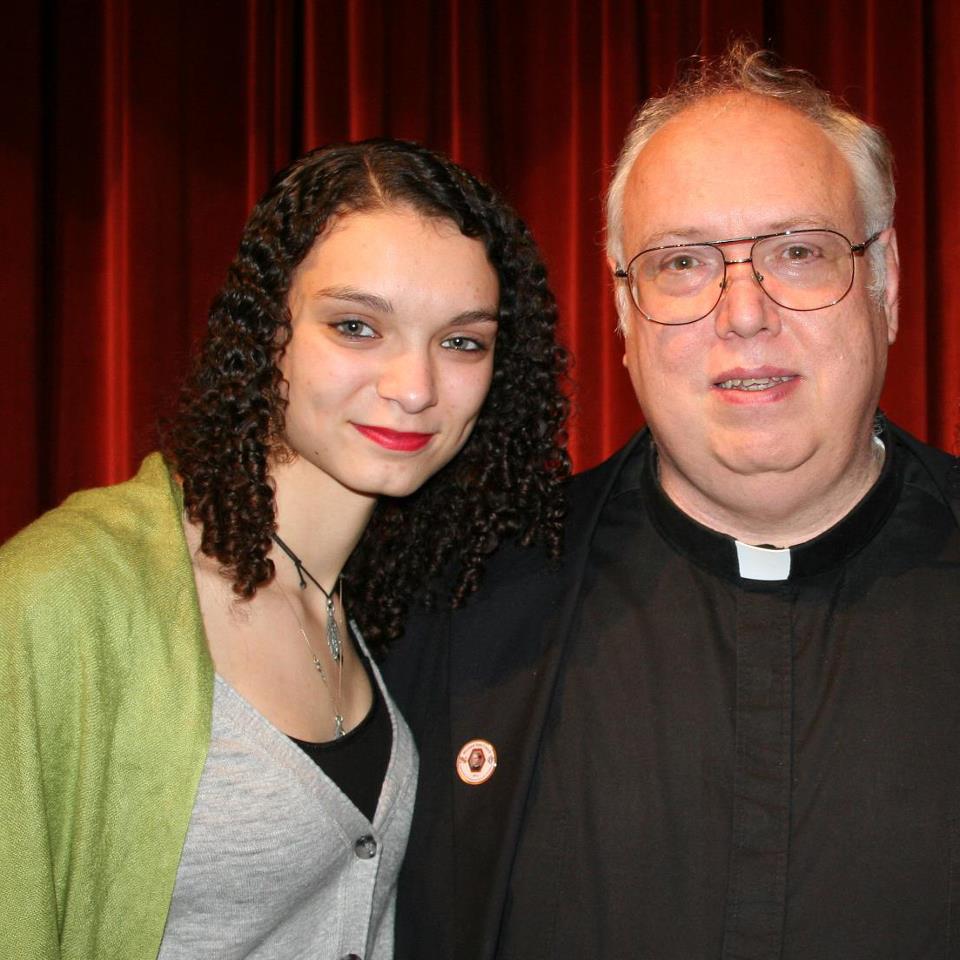
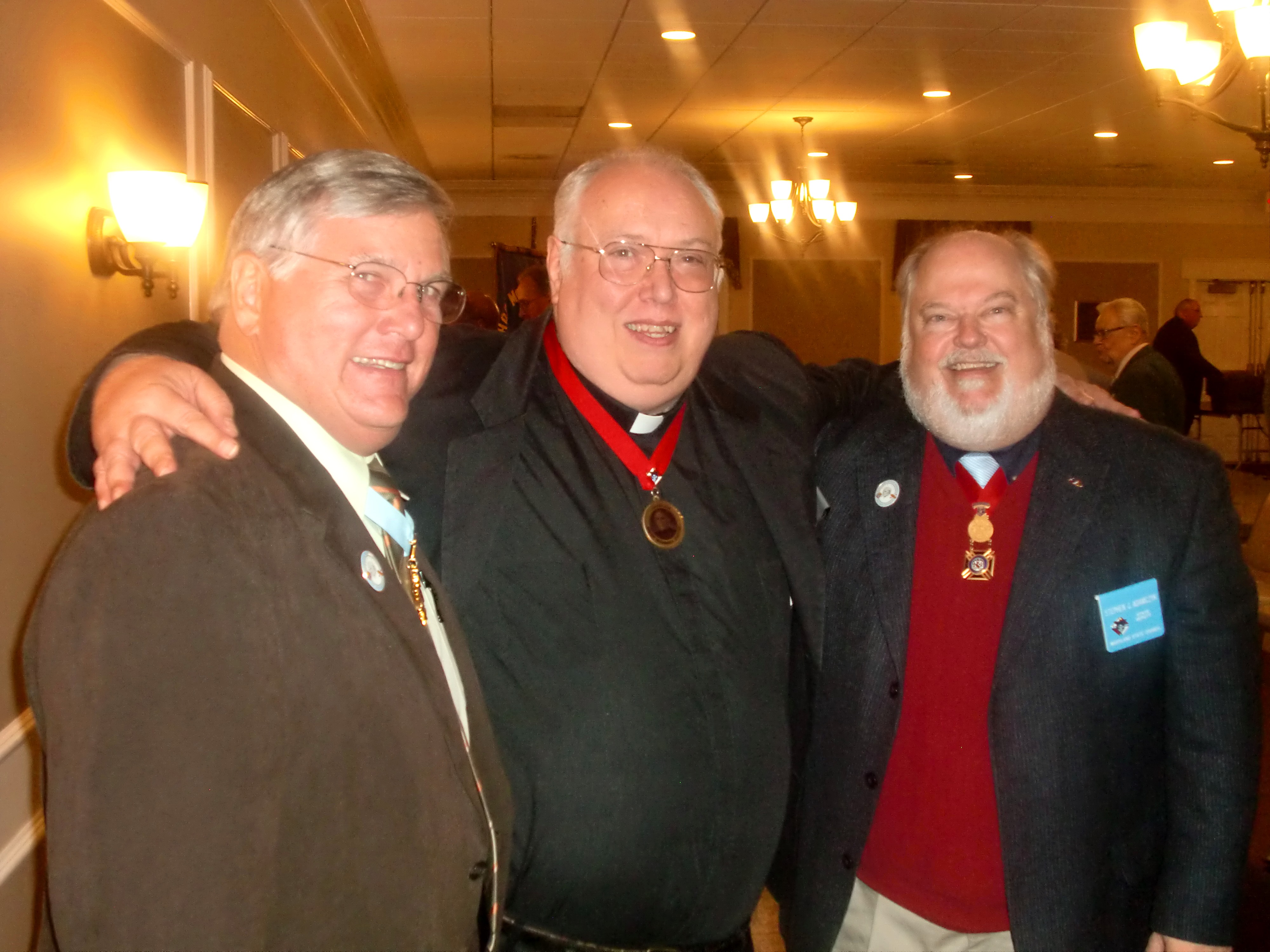
    Fr. Joseph Jenkins

  • The blog header depicts an important and yet mis-understood New Testament scene, Jesus flogging the money-changers out of the temple. I selected it because the faith that gives us consolation can also make us very uncomfortable. Both Divine Mercy and Divine Justice meet in Jesus. Priests are ministers of reconciliation, but never at the cost of truth. In or out of season, we must be courageous in preaching and living out the Gospel of Life. The title of my blog is a play on words, not Flogger Priest but Blogger Priest.

  • Archives

  • Categories

  • Recent Posts

  • Recent Comments

    Jeremy Kok's avatarJeremy Kok on Ask a Priest
    Gary Joseph's avatarGary Joseph on Old Mass or New, Does It …
    Barbara's avatarBarbara on Ask a Priest
    Anonymous's avatarAnonymous on Ask a Priest
    forsamuraimarket's avatarforsamuraimarket on Ask a Priest

2. Eating with Tax Collectors & Sinners

The Second Scandalous Mystery

Jesus was tainted by his associations. Tax collectors were working for the Romans, in other words, they were viewed as traitors to their own people. If Jesus were the Messiah, then how would he dare associate with those who had compromised themselves with their enemies? Tax collectors were judged collectively as thieves. Since the righteous Pharisees, scribes and others would not freely mingle with them; their social relations were usually only with those who were judged as sinners and reprobates. Jesus did not shy away from the sordid crowd. It may be that they were also shocked that a holy teacher and prophet would sit with them. But I suspect they were also moved. Jesus would let them know that God had not abandoned them. They also had an immeasurable worth in the eyes of God. Jesus responded to his critics by saying, “Those who are well do not need a physician, but the sick do. I did not come to call the righteous but sinners.” The message lost on the religious leaders was that they too were sinners needing redemption.

1. Meeting the Samaritan Woman at the Well

The First Scandalous Mystery

Jesus turns to the Samaritan woman at the well and says, “Give me a drink.” She is taken aback. Convention would preclude him speaking with this woman but she also knows that Jews do not associate with Samaritans. Jews look down upon Samaritans. They see them as throwbacks to a more primitive faith. Samaritans often hindered travelers to Jerusalem because they did not believe that one had to visit the temple to offer sacrifice. Jesus responds that if she only knew who was asking, she would in turn ask and receive living water. She fails to understand and notices that Jesus has no bucket. She recalls with pride that Jacob gave them this cistern. Of course, the water here is like the water from the rock in Exodus, it supports the body but does not quench the thirst of the soul. Jesus tells her bluntly, “Everyone who drinks this water will be thirsty again; but whoever drinks the water I shall give will never thirst; the water I shall give will become in him a spring of water welling up to eternal life.” Beginning to understand but still thinking of literal water, she begs for this living water so that she would not have to repeatedly return to the well. But our Lord knows the state of her soul and challenges her for having many husbands and yet none of them of them are true. She does not argue. Stung that he knows the truth about her she offers the typical challenge to Jews about them offering sacrifice only at the temple in Jerusalem. Instead of debating with her, he says that true worship will not be restricted to her mountain or Jerusalem. God will be worshipped “in Spirit and truth.” Of course, then he claims that Jews properly understand what they worship and that salvation comes from the Jews. He is, after all, the Jewish Messiah. The highlight to the Gospel passage is when the woman says, “I know that the Messiah is coming, the one called the Christ; when he comes, he will tell us everything.” Jesus reveals to her, “I am he, the one speaking with you.” Nothing will ever be the same again. Notice how Jesus speaks so candidly to her about something he is careful about saying in front of his own people. The Jews have many wrong and militant ideas about the Messiah. The Samaritans envision him somewhat differently. The disciples do not witness this conversation. Indeed they are surprised that he is talking with her. She runs off and leaves her water jar. She is accepting his offer and becomes a prophetess for her people.

5. Disowned for Making Himself God’s Son

The Fifth Notorious Mystery

The High Priest and the Pharisees saw Jesus as a threat, to their religion as they understood it and to their positions of power and influence. The question was asked, are you the Son of God? It has come to this. Everything rested upon the answer. Jesus affirmed his identity and was disowned by the very ones who had been given the promise of redemption. They refused to accept that God had come to save his people. Any kind of Messiah would get in the way; this kind would change everything forever. “The Lord thy God is one!” Caiaphas viewed this central tenet of their faith as challenged. He could not penetrate the truth that Jesus was the revelation of the Father. Jesus would ultimately stretch our understanding even further with his sending of the Holy Spirit. Yes, God was one but he was also three divine Persons. The second Person had entered the human family and would soon pay the terrible price for our sins. “It is better for one man to die than for a whole nation to be destroyed!” Caiaphas had no appreciation as to how prophetic his words would become. Jesus would suffer and die so that we might be healed and live. Falsely condemned as a criminal and a liar; the truth would be vindicated by his resurrection.

4. Permitting the Eating of Unclean Foods

The Fourth Notorious Mystery

The Jewish people defined themselves by their fidelity to the law. Jesus challenges rote responses and wants to get to the spirit behind the law. Certain foods are not unclean in themselves any more than the tree in the primordial garden had poisoned fruit. The issue was the proper posture of the creature before God, which is loving obedience. Catholics fast and abstain from meat at designated times, not to say that food is bad but to show that we love the Giver more than the gifts. That which is truly unclean comes from inside the person. Sin is fully realized in our behavior but it is conceived in our minds and hearts. Nothing should be done to encourage the blight of lustful and greedy hearts. Those seduced by evil want what they want and will not let anyone tell them what to do, even God. The rights and needs of others are dismissed because there is a failure to love as God loves us. It is for this reason that the two-fold commandment of Christ, loving God and neighbor, is really one commandment. We cannot say that we love the God we do not see while hating the neighbor we do see.

3. Castigating the Jewish Leadership

The Third Notorious Mystery

There is no sin that arouses our Lord’s ire like that of hypocrisy. Jesus holds nothing back in his negative assessment of the scribes, religious lawyers and the Pharisees. Like the whipping of the money-changers, we are shocked by his words and behavior. His woe-statements are literally curses against them. This flies in the face of the passive wimp-image that so many have of Jesus, today. Indeed, people who are challenged for misconduct will say things like, “Who are you to judge?” and “Jesus would not condemn me.” But can we be so sure? Jesus is also the great Pantocrator (as imaged in the large mosaic at the Shrine of the Immaculate Conception) — the God of Judgment. Are we the disciples that we claim to be or have we compromised ourselves? All sin, large and small, from believers is a form of hypocrisy. The person’s intention is literally communicated through his action that “at this moment,” “here and now,” “I freely choose” to “disobey” Almighty God. It is in this light that all sin is serious. Jesus wants us wholly for himself. Anything less is from the evil one.

Another Fake Priestess Becomes a Fake Bishop

14036376739246b

The National Catholic Reporter never gets things right because its basic agenda is to get things wrong, in other words, dissent. Such is again the case this week with the news headline, “Roman Catholic Womenpriests ordains first bishop from Indiana.” It is silliness because these women have stopped being Catholic and are excommunicates from the Church. They are now their own religion or sect but not Catholic and definitely not Roman. Rome has spoken. Women cannot be ordained. Priestesses are not priests in the New Covenant of Christ.

The article chronicles the life of Nancy Meyer, from a Catholic Franciscan sister to a renegade priest wannabe in 2010. This past Sunday she took her charade to the next level, pretending to be a bishop. She speaks of her call, but it came from other expelled discontents— not from the true Church. This is a free country and she certainly has the right to minister in her faith community; however, it is grossly wrong to identify it with Roman Catholicism. They argue the validity of their orders because of the involvement of a number of male bishops. However, I suspect this is a fiction in that they refuse to identify this so-called pedigree. But it would not matter anyway. “You can’t make apple juice with oranges.” The Church does not have the authority or power to ordain women. The priest is an icon for Christ, the groom to his bride, the Church. There is no sacramental lesbianism, bride relating to the bride. The maleness of Christ is a constitutive element of his identity and his priesthood. The pagans had priestesses, but Catholicism has priests (a male noun). The simulation of sacraments is a crime in the Church and all those involved with the attempted ordination of women are excommunicated. They are no longer members of the Church. I shudder to imagine what this does to grace and the issue of salvation.

Note that the event could only squeeze 150 attendees from all of ten countries. That is pretty sad. The event was held at Calvary United Methodist Church in Brownsburg. Would that not make them more Methodist than Catholic? But I guess they only rented the worship space, it is a whole lot prettier than Fr. Brown’s barn or the local bowling alley. The infamous Christine Mayr-Lumetzberger was among the seven pseudo-bishops present to do the deed. It is interesting that wannabe bishop Christy admits that most Catholic women disparage women who want to be priests. I suppose that is because most women have some sense. She laments that they are not supported in their calls, but this begs the issue of authenticating a calling. Christ calls us through the mechanism of his Church. There is no religious vocation that sidesteps this pattern.

They do provide a close-up view of the development of a cult. A tiny offshoot from Catholicism, they view themselves as the Church and regard worldwide Roman Catholicism as in the wrong. They have established their own clergy. The feminist paradigm is the measure of everything they believe and even affects how they dress. They have no qualms about re-writing the liturgy to reflect their views. Many of them view holy orders as more a power grab than as an opportunity for humble service. They want to be classified as Catholic and yet they would redefine its meaning beyond recognition. While it sounds pejorative, many of the adherents of the Womenpriests movement come across as somewhat unhinged.

These girls are all dress up and show but there is nothing real about what they are doing. They are counterfeit priests. It is really quite tragic and I feel sorry for them. They have made of themselves a laughing stock and embarrassment to Catholic women everywhere.

2. Violating the Sabbath

The Second Notorious Mystery

Our Lord’s disciples are challenged by the Pharisees for picking and eating the heads of grain. Instead of reprimand, Jesus reminds them of David and his men eating the reserved bread of offering. The problem here is that the Jewish leadership did not recognize the identity and importance of Jesus. He is the Son of David and the Son of God. He is the Lord of the Sabbath. After their expulsion from the synagogues, Jewish believers in Jesus became so aware of this truth that they transitioned their commandment obligation from the Saturday Sabbath to the Sunday Observance or Lord’s Day. The emphasis would now be upon the resurrection and our new creation in Christ. At these gatherings the disciples would celebrate the Lord’s Supper and share the bread of life. The Pharisees watched Jesus closely. When he healed a man’s withered hand on the Sabbath, instead of praising God for his mercy and charity, their hearts were hardened and they plotted how they might kill him. Today we still emphasize the importance of keeping the Lord’s Day, but never at the cost of charity. While this includes participation at Mass, we must also live out our faith beyond the Church doors. Unlike certain Pharisees, we should not pretend to be saints on the Sabbath, and then show our true colors as devils during the rest of the week. Jesus would not allow them to hide the truth about themselves. That is why they felt Jesus had to go.

1. Whipping the Money Changers

The First Notorious Mystery

The veneration of our Lord as the Divine Mercy is a popular devotion today. However, the scene of Jesus whipping the money changers from the temple is an illustration that Jesus is also the Divine Justice. Indeed, mercy and justice meet in Christ. It is a scene that makes us uncomfortable and would shake us from passivity or indifference in faith. God can forgive anything but everything will not be excused. The souls in purgatory know the price for the temporal punishment due because of sin. God wants us to love him above all things; but he will not force our hand. Mercy requires contrite hearts and a purpose of amendment. One day we will meet the Christ of Judgment. There will be no more pretenses and God will not be deceived. The saints can look forward to the fullness of unity in the Lord and a reward of lasting peace and happiness. Unrepentant sinners will face the ugly truth about themselves. They will know frustration, pain and fire.

The Scurrilous Mysteries

rosaries_06

1. Demanding We Eat His Flesh & Drink His Blood (John 6:41-44;51-69)

The Jews murmured about him because he said, “I am the bread that came down from heaven,” and they said, “Is this not Jesus, the son of Joseph? Do we not know his father and mother? Then how can he say, ‘I have come down from heaven’?” Jesus answered and said to them, “Stop murmuring among yourselves. No one can come to me unless the Father who sent me draw him, and I will raise him on the last day. / “I am the living bread that came down from heaven; whoever eats this bread will live forever; and the bread that I will give is my flesh for the life of the world.” The Jews quarreled among themselves, saying, “How can this man give us his flesh to eat?” Jesus said to them, “Amen, amen, I say to you, unless you eat the flesh of the Son of Man and drink his blood, you do not have life within you. Whoever eats my flesh and drinks my blood has eternal life, and I will raise him on the last day. For my flesh is true food, and my blood is true drink. Whoever eats my flesh and drinks my blood remains in me and I in him. Just as the living Father sent me and I have life because of the Father, so also the one who feeds on me will have life because of me. This is the bread that came down from heaven. Unlike your ancestors who ate and still died, whoever eats this bread will live forever.” These things he said while teaching in the synagogue in Capernaum. Then many of his disciples who were listening said, “This saying is hard; who can accept it?” Since Jesus knew that his disciples were murmuring about this, he said to them, “Does this shock you? What if you were to see the Son of Man ascending to where he was before? It is the spirit that gives life, while the flesh is of no avail. The words I have spoken to you are spirit and life. But there are some of you who do not believe.” Jesus knew from the beginning the ones who would not believe and the one who would betray him. And he said, “For this reason I have told you that no one can come to me unless it is granted him by my Father.” As a result of this, many of his disciples returned to their former way of life and no longer accompanied him. Jesus then said to the Twelve, “Do you also want to leave?” Simon Peter answered him, “Master, to whom shall we go? You have the words of eternal life. We have come to believe and are convinced that you are the Holy One of God.”

2. Condemned for Forgiving Sins (Mark 2:7-12)

When Jesus returned to Capernaum after some days, it became known that he was at home. Many gathered together so that there was no longer room for them, not even around the door, and he preached the word to them. They came bringing to him a paralytic carried by four men. Unable to get near Jesus because of the crowd, they opened up the roof above him. After they had broken through, they let down the mat on which the paralytic was lying. When Jesus saw their faith, he said to the paralytic, “Child, your sins are forgiven.” Now some of the scribes were sitting there asking themselves, “Why does this man speak that way? He is blaspheming. Who but God alone can forgive sins?” Jesus immediately knew in his mind what they were thinking to themselves, so he said, “Why are you thinking such things in your hearts? Which is easier, to say to the paralytic, ‘Your sins are forgiven,’ or to say, ‘Rise, pick up your mat and walk’? But that you may know that the Son of Man has authority to forgive sins on earth”— he said to the paralytic, “I say to you, rise, pick up your mat, and go home.” He rose, picked up his mat at once, and went away in the sight of everyone. They were all astounded and glorified God, saying, “We have never seen anything like this.”

3. Forbidding Divorce & Adultery (Matthew 19:3-12)

Some Pharisees approached him, and tested him, saying, “Is it lawful for a man to divorce his wife for any cause whatever?” He said in reply, “Have you not read that from the beginning the Creator ‘made them male and female’ and said, ‘For this reason a man shall leave his father and mother and be joined to his wife, and the two shall become one flesh’? So they are no longer two, but one flesh. Therefore, what God has joined together, no human being must separate.” They said to him, “Then why did Moses command that the man give the woman a bill of divorce and dismiss her?” He said to them, “Because of the hardness of your hearts Moses allowed you to divorce your wives, but from the beginning it was not so. I say to you, whoever divorces his wife (unless the marriage is unlawful) and marries another commits adultery.” His disciples said to him, “If that is the case of a man with his wife, it is better not to marry.” He answered, “Not all can accept this word, but only those to whom that is granted. Some are incapable of marriage because they were born so; some, because they were made so by others; some, because they have renounced marriage for the sake of the kingdom of heaven. Whoever can accept this ought to accept it.”

4. Commending the Unclean Woman Who Touched Him (Luke 8:42-48)

As he went, the crowds almost crushed him. And a woman afflicted with hemorrhages for twelve years, who had spent her whole livelihood on doctors and was unable to be cured by anyone, came up behind him and touched the tassel on his cloak. Immediately her bleeding stopped. Jesus then asked, “Who touched me?” While all were denying it, Peter said, “Master, the crowds are pushing and pressing in upon you.” But Jesus said, “Someone has touched me; for I know that power has gone out from me.” When the woman realized that she had not escaped notice, she came forward trembling. Falling down before him, she explained in the presence of all the people why she had touched him and how she had been healed immediately. He said to her, “Daughter, your faith has saved you; go in peace.”

5. Charged with Consorting with Demons (Matthew 12:22-32)

Then they brought to him a demoniac who was blind and mute. He cured the mute person so that he could speak and see. All the crowd was astounded, and said, “Could this perhaps be the Son of David?” But when the Pharisees heard this, they said, “This man drives out demons only by the power of Beelzebul, the prince of demons.” But he knew what they were thinking and said to them, “Every kingdom divided against itself will be laid waste, and no town or house divided against itself will stand. And if Satan drives out Satan, he is divided against himself; how, then, will his kingdom stand? And if I drive out demons by Beelzebul, by whom do your own people drive them out? Therefore they will be your judges. But if it is by the Spirit of God that I drive out demons, then the kingdom of God has come upon you. How can anyone enter a strong man’s house and steal his property, unless he first ties up the strong man? Then he can plunder his house. Whoever is not with me is against me, and whoever does not gather with me scatters. Therefore, I say to you, every sin and blasphemy will be forgiven people, but blasphemy against the Spirit will not be forgiven. And whoever speaks a word against the Son of Man will be forgiven; but whoever speaks against the holy Spirit will not be forgiven, either in this age or in the age to come.

The Scandalous Mysteries

rosaries_061. Meeting the Samaritan Woman at the Well (John 4:4-30;39-42)

He had to pass through Samaria. So he came to a town of Samaria called Sychar, near the plot of land that Jacob had given to his son Joseph. Jacob’s well was there. Jesus, tired from his journey, sat down there at the well. It was about noon. A woman of Samaria came to draw water. Jesus said to her, “Give me a drink.” His disciples had gone into the town to buy food. The Samaritan woman said to him, “How can you, a Jew, ask me, a Samaritan woman, for a drink?” (For Jews use nothing in common with Samaritans.) Jesus answered and said to her, “If you knew the gift of God and who is saying to you, ‘Give me a drink,’ you would have asked him and he would have given you living water.” The woman said to him, “Sir, you do not even have a bucket and the cistern is deep; where then can you get this living water? Are you greater than our father Jacob, who gave us this cistern and drank from it himself with his children and his flocks? Jesus answered and said to her, “Everyone who drinks this water will be thirsty again; but whoever drinks the water I shall give will never thirst; the water I shall give will become in him a spring of water welling up to eternal life.” The woman said to him, “Sir, give me this water, so that I may not be thirsty or have to keep coming here to draw water.” Jesus said to her, “Go call your husband and come back.” The woman answered and said to him, “I do not have a husband.” Jesus answered her, “You are right in saying, ‘I do not have a husband.’ For you have had five husbands, and the one you have now is not your husband. What you have said is true.” The woman said to him, “Sir, I can see that you are a prophet. Our ancestors worshiped on this mountain; but you people say that the place to worship is in Jerusalem.” Jesus said to her, “Believe me, woman, the hour is coming when you will worship the Father neither on this mountain nor in Jerusalem. You people worship what you do not understand; we worship what we understand, because salvation is from the Jews. But the hour is coming, and is now here, when true worshipers will worship the Father in Spirit and truth; and indeed the Father seeks such people to worship him. God is Spirit, and those who worship him must worship in Spirit and truth.” The woman said to him, “I know that the Messiah is coming, the one called the Anointed; when he comes, he will tell us everything.” Jesus said to her, “I am he, the one who is speaking with you.” At that moment his disciples returned, and were amazed that he was talking with a woman, but still no one said, “What are you looking for?” or “Why are you talking with her?” The woman left her water jar and went into the town and said to the people, “Come see a man who told me everything I have done. Could he possibly be the Messiah?” They went out of the town and came to him. / Many of the Samaritans of that town began to believe in him because of the word of the woman who testified, “He told me everything I have done.” When the Samaritans came to him, they invited him to stay with them; and he stayed there two days. Many more began to believe in him because of his word, and they said to the woman, “We no longer believe because of your word; for we have heard for ourselves, and we know that this is truly the savior of the world.”

2. Eating with Tax Collectors & Sinners (Mark 2:13-17)

Once again he went out along the sea. All the crowd came to him and he taught them. As he passed by, he saw Levi, son of Alphaeus, sitting at the customs post. He said to him, “Follow me.” And he got up and followed him. While he was at table in his house,* many tax collectors and sinners sat with Jesus and his disciples; for there were many who followed him. Some scribes who were Pharisees saw that he was eating with sinners and tax collectors and said to his disciples, “Why does he eat with tax collectors and sinners?” Jesus heard this and said to them that, “Those who are well do not need a physician, but the sick do. I did not come to call the righteous but sinners.”

3. Fraternizing with the Roman Enemy (Matthew 8:5-13)

When he entered Capernaum, a centurion approached him and appealed to him, saying, “Lord, my servant is lying at home paralyzed, suffering dreadfully.” He said to him, “I will come and cure him.” The centurion said in reply, “Lord, I am not worthy to have you enter under my roof; only say the word and my servant will be healed. For I too am a person subject to authority, with soldiers subject to me. And I say to one, ‘Go,’ and he goes; and to another, ‘Come here,’ and he comes; and to my slave, ‘Do this,’ and he does it.” When Jesus heard this, he was amazed and said to those following him, “Amen, I say to you, in no one in Israel have I found such faith. I say to you, many will come from the east and the west, and will recline with Abraham, Isaac, and Jacob at the banquet in the kingdom of heaven, but the children of the kingdom will be driven out into the outer darkness, where there will be wailing and grinding of teeth.” And Jesus said to the centurion, “You may go; as you have believed, let it be done for you.” And at that very hour his servant was healed.

4. Dismissing the Woman Caught in Adultery (John 7:53-8:11)

Then each went to his own house, while Jesus went to the Mount of Olives. But early in the morning he arrived again in the temple area, and all the people started coming to him, and he sat down and taught them. Then the scribes and the Pharisees brought a woman who had been caught in adultery and made her stand in the middle. They said to him, “Teacher, this woman was caught in the very act of committing adultery. Now in the law, Moses commanded us to stone such women. So what do you say?” They said this to test him, so that they could have some charge to bring against him. Jesus bent down and began to write on the ground with his finger. But when they continued asking him, he straightened up and said to them, “Let the one among you who is without sin be the first to throw a stone at her.” Again he bent down and wrote on the ground. And in response, they went away one by one, beginning with the elders. So he was left alone with the woman before him. Then Jesus straightened up and said to her, “Woman, where are they? Has no one condemned you?” She replied, “No one, sir.” Then Jesus said, “Neither do I condemn you. Go, and from now on do not sin anymore.”

5. Allowing the Sinner Woman to Anoint Him (Luke 7:36-50)

A Pharisee invited him to dine with him, and he entered the Pharisee’s house and reclined at table. Now there was a sinful woman in the city who learned that he was at table in the house of the Pharisee. Bringing an alabaster flask of ointment, she stood behind him at his feet weeping and began to bathe his feet with her tears. Then she wiped them with her hair, kissed them, and anointed them with the ointment. When the Pharisee who had invited him saw this he said to himself, “If this man were a prophet, he would know who and what sort of woman this is who is touching him, that she is a sinner.” Jesus said to him in reply, “Simon, I have something to say to you.” “Tell me, teacher,” he said. “Two people were in debt to a certain creditor; one owed five hundred days’ wages and the other owed fifty. Since they were unable to repay the debt, he forgave it for both. Which of them will love him more?” Simon said in reply, “The one, I suppose, whose larger debt was forgiven.” He said to him, “You have judged rightly.” Then he turned to the woman and said to Simon, “Do you see this woman? When I entered your house, you did not give me water for my feet, but she has bathed them with her tears and wiped them with her hair. You did not give me a kiss, but she has not ceased kissing my feet since the time I entered. You did not anoint my head with oil, but she anointed my feet with ointment. So I tell you, her many sins have been forgiven; hence, she has shown great love. But the one to whom little is forgiven, loves little.” He said to her, “Your sins are forgiven.” The others at table said to themselves, “Who is this who even forgives sins?” But he said to the woman, “Your faith has saved you; go in peace.”