• Our Blogger

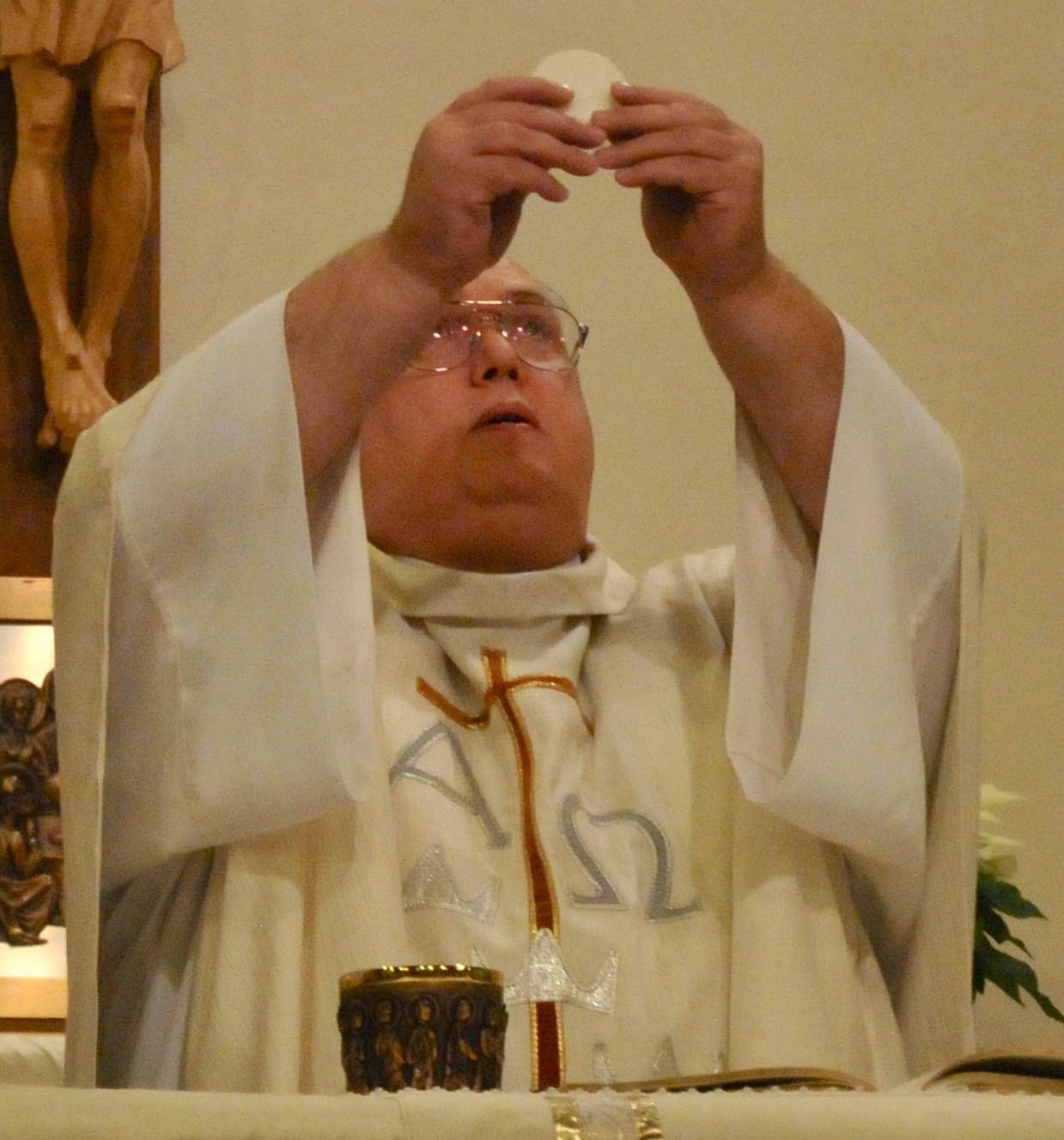
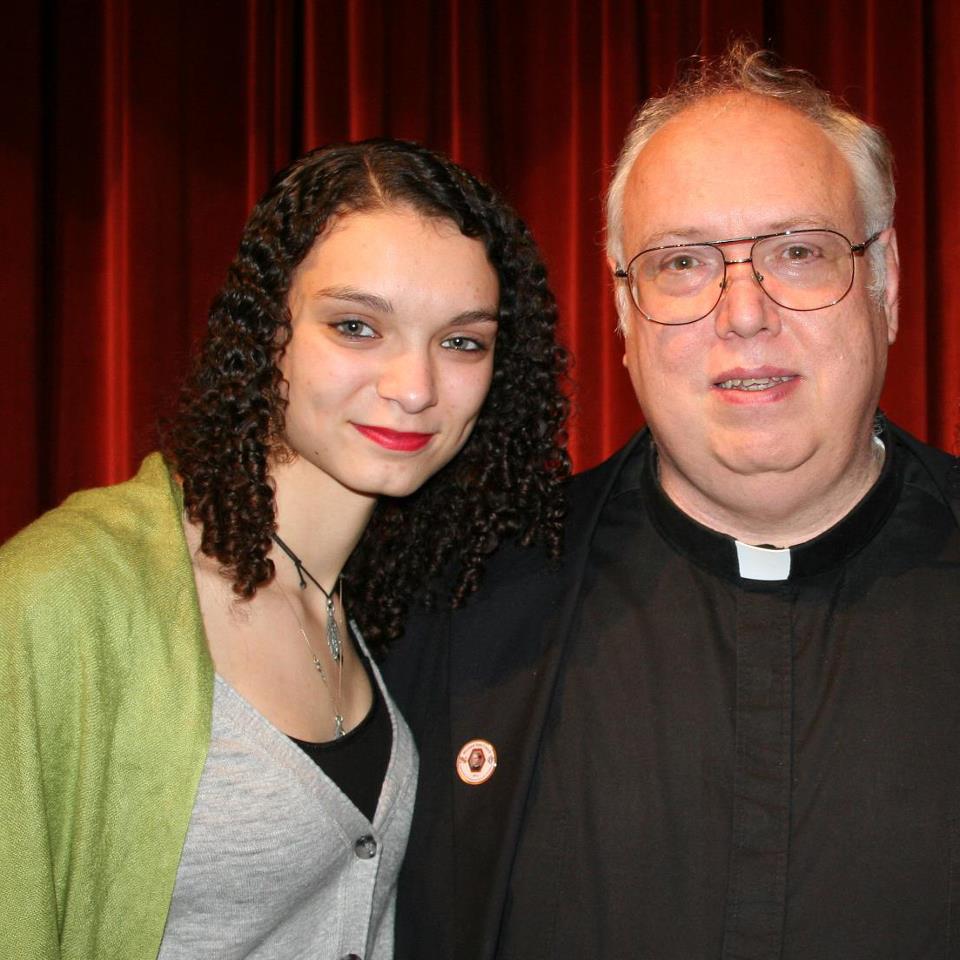
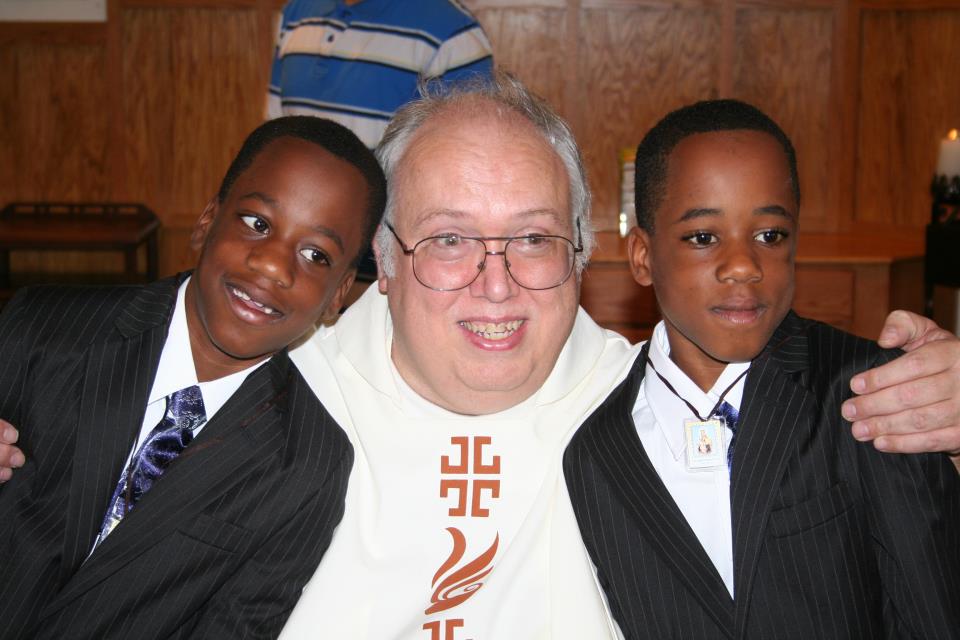
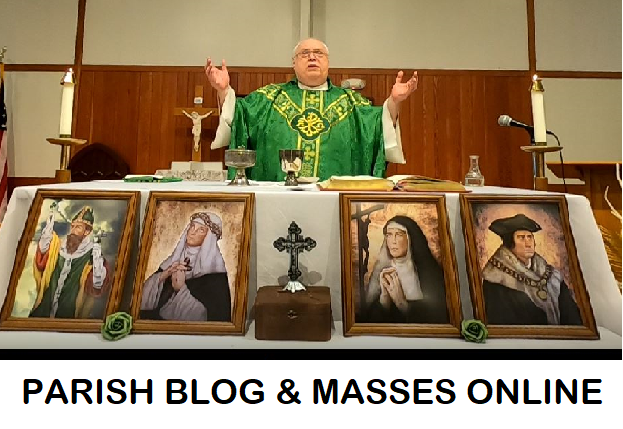
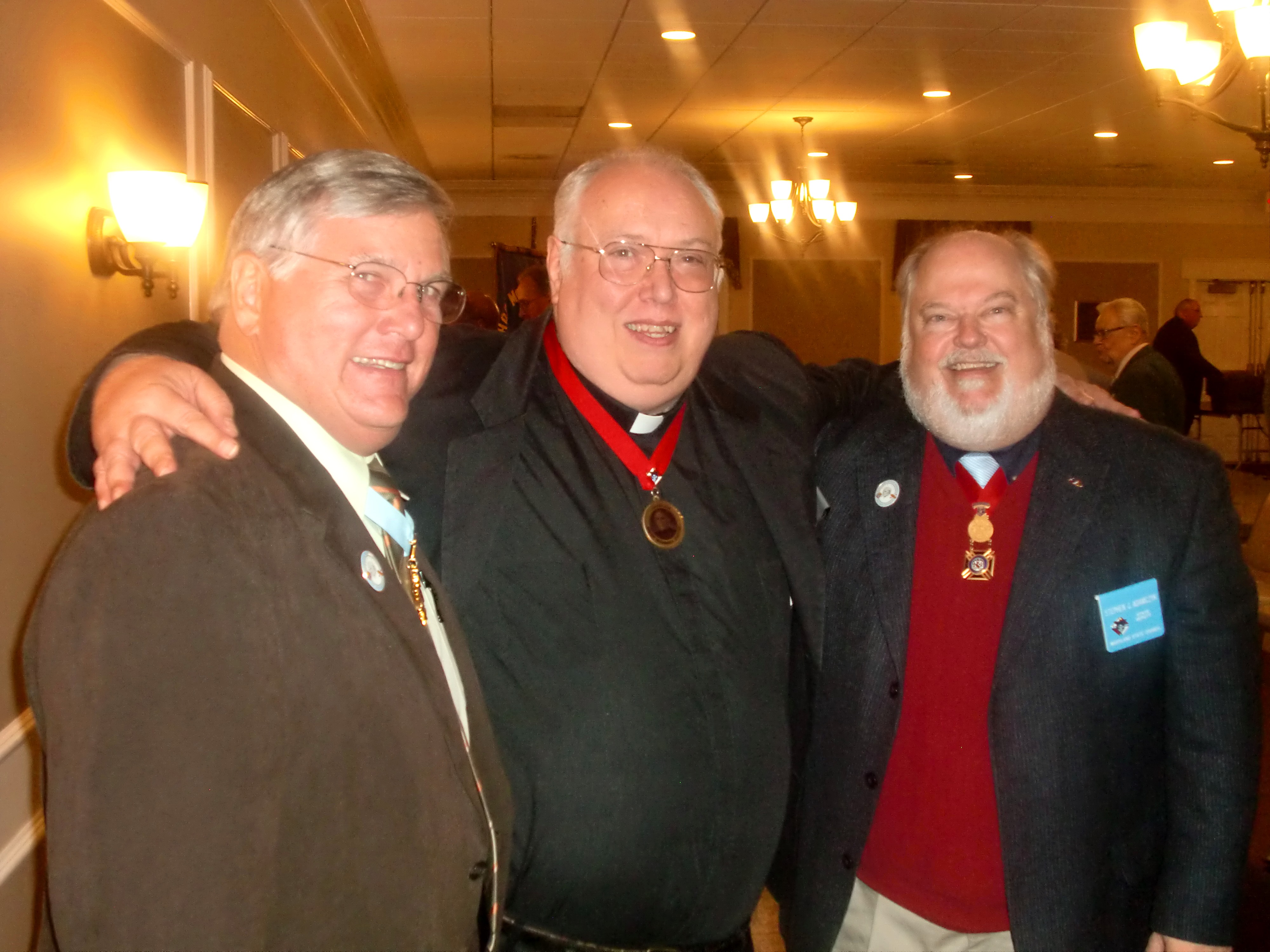
    Fr. Joseph Jenkins

  • The blog header depicts an important and yet mis-understood New Testament scene, Jesus flogging the money-changers out of the temple. I selected it because the faith that gives us consolation can also make us very uncomfortable. Both Divine Mercy and Divine Justice meet in Jesus. Priests are ministers of reconciliation, but never at the cost of truth. In or out of season, we must be courageous in preaching and living out the Gospel of Life. The title of my blog is a play on words, not Flogger Priest but Blogger Priest.

  • Archives

  • Categories

  • Recent Posts

  • Recent Comments

    Jeremy Kok's avatarJeremy Kok on Ask a Priest
    Gary Joseph's avatarGary Joseph on Old Mass or New, Does It …
    Barbara's avatarBarbara on Ask a Priest
    Anonymous's avatarAnonymous on Ask a Priest
    forsamuraimarket's avatarforsamuraimarket on Ask a Priest

Priestly Celibacy: The Bond & Servanthood

There are men who flee marriage, not because of a love for celibacy, but because of a fear towards what they perceive as bondage. This does not necessarily mean that they avoid genital activity or sexual expression as men today neither fear God nor love virtue. We live in a world of single mothers and deadbeat fathers. Contraception gives some the illusion of freedom while breeching men and women from the fullness of a union intended by God. Abortion and broken hearts are the tragic casualties of this lethal escape from obligation and duty. Casual sex gives the illusion of freedom while damaging both the psyche and the family. Recreational sex without binding ties is not something for which men and women were made. Indeed, it is an insult to our persons and an affront to the marriage bed. We cannot find ourselves by impugning the quality of permanence in the institution of marriage and the family.

Might husbands and wives become slaves to each other and to their children? Yes, this is assuredly so. However, it should be reckoned as a joyous servitude. The married man is no longer his own man. He is responsible for his family. His immediate goal in life is to make his wife happy and to help her realize the vocation of motherhood. The whole direction or preoccupation of his life takes on a new compass setting. Similarly, the priestly celibate is a slave to the Church. He can know liberation from sin and freedom in Christ; however, like Christ he is called to fulfill his mission. Like the husband for his wife, he must take up the cross and lay down his life. Instead of running away from responsibility, the married man and the priestly celibate run toward it. They are real men, not the pale imitations who enshrine selfishness and lust at the cost of belonging, duty and love. No matter how fast we run, we cannot escape the specter of pain and death; the married man and the sacerdotal celibate courageously stare down these dark mysteries square in the face. Just as the obligations of a family will eat a man up; so too will the responsibilities of the priesthood utterly consume a man. We stand with courage and a level of real dignity. As believers, we are confident that no matter what this world takes away from us, we will receive many times over in Christ. In other words, no man need live in vain.

Priestly Celibacy: The Ancient Living Legacy

Scientists speak of evolution and theologians discuss the organic development of doctrine. Any truth in the premise of the first must respect the role of intelligent design and in the latter, divine providence. This is no less true in the case of the priesthood and the mandate for perfect continence and lifetime celibacy. Celibacy may reside more on the discipline than the doctrine side of the spectrum; but the believer must acknowledge that this form of life and love is not by accident but rather is an expression of the Holy Spirit’s guiding and protective presence. It is for this reason that we cannot be capricious in dismissing it. It is my view that mandatory celibacy signifies the ideal lifestyle and manner of loving for the priesthood. Instead of retreating in the face of the regiments of well-meaning married clergy from the Anglican exodus and the growing Eastern rites, we should be urging them to follow suit in mandating celibacy. We can allow those who are currently married to perform their ministries but make it clear that future generations will be celibate. But I doubt this will happen because “respect” for these rites will be translated by some to an attitude of “don’t tell us what to do” or worse yet, a certain snobbery that the ways of these remnant national churches take precedence over the universal jurisdiction of Rome. (The Pope is not simply one prelate among many, or just over the Roman Rite, but the holder of the universal see with general jurisdiction.) He is Peter. It should be added, that if the Holy Father should relax the discipline about celibacy, no matter how priests like myself might disagree, we would also be obliged to assent to his authority as faithful sons.

The early churches used the scarce men available who were qualified to lead faith communities and celebrate the Eucharist. Just as our Lord demonstrated in his apostolic selection, both single and married men were chosen. I would propose that the latter were called forth, yes even Peter, out of practical urgency and not as an expression of absolute indifference to the question of marriage or celibacy. Indeed, St. Paul (1 Corinthians 7:29-36) says that those with wives should live as if they have none:

“I tell you, brothers, the time is running out. From now on, let those having wives act as not having them, those weeping as not weeping, those rejoicing as not rejoicing, those buying as not owning, those using the world as not using it fully. For the world in its present form is passing away. I should like you to be free of anxieties. An unmarried man is anxious about the things of the Lord, how he may please the Lord. But a married man is anxious about the things of the world, how he may please his wife, and he is divided. An unmarried woman or a virgin is anxious about the things of the Lord, so that she may be holy in both body and spirit. A married woman, on the other hand, is anxious about the things of the world, how she may please her husband. I am telling you this for your own benefit, not to impose a restraint upon you, but for the sake of propriety and adherence to the Lord without distraction.”

A Church of converts, the existing Jewish and Gentile communities came to the Lord. Religious and civic leaders made a transition to the new faith. They naturally became the new priests of the infant Church. We should not make anything more of it in regard to married clergy. The preference remains celibacy or perfect continence. Negative critics of priestly celibacy focus upon medieval measures to enforce this state of life. They argue that such a mandate was of late human manufacture. They point out the hypocrisy of priests with secret wives or mistresses. They seek to detach it from the promptings of the Holy Spirit and any higher spiritual motivation. The causality is narrowed to greed: either of the family clan for the property of the Church or of the Church to maintain and to expand her wealth without claims from progeny. This critique is unfair. The emphasis in priesthood and in the communion of the saints illustrates that celibacy or virginity existed for more than a pragmatic purpose. The Church long celebrated those heroes of faith who embraced virginity over the opposition of family and society. Some like Felicitas and Perpetua embraced martyrdom so as to maintain their virginity. Are there any martyrs acclaimed for insisting upon marriage over a life of preferred virginity? No, I do not think so. Virginity or celibacy was viewed as playing an important spiritual role toward a form of growth in holiness and dependence upon the Lord. Thomas Aquinas’ family so opposed his desire to be a monk that they kidnapped him. Francis of Assisi connected his celibacy to a desire for poverty; breaking with the wishes of his father by abandoning the family business and stripping himself naked. I am also reminded of the child-saint Maria Goretti who died to safeguard her purity; she forgave her murderer with her last breath. Virginity or celibacy has an ancient and significant place in Christian tradition; those who ridicule it will find themselves in opposition to the general witness of the saints.

Priestly Celibacy: The Priest as Father

The celibate priest exerts a special love for the Church. Akin to that of marriage, this love is a manifestation of a lifelong bond and spousal partnership with the Church. He is loyal or faithful to her above all others. All his hopes and dreams are in her. He has a sacred duty to care for her. His generative energies are both focused upon her and can only come to fruition within her. This love so molds and realizes the identity of the priest that he is affirmed by the sons and daughters of the Church by the title, “Father.” The spiritual fatherhood of the celibate priest has a source that is deeper and more profound than just his pastoral care for souls.

The mystery of God is often compared to a fire that both purifies and punishes. The fatherhood of the priest emerges from his unity with Christ. The priest dies with Christ at every Mass. Celibacy is a powerful sign of this surrender with Christ. The priest is not so much thrown into the crucible as he deliberately enters the furnace. I would liken the fatherhood of the celibate priest to the witness of the three Hebrew brothers in the Book of Daniel. Shadrach, Meshach, and Abednego sang and danced in the flames. Abednego (Azariah) stood up in blazing white fire and loudly prayed,

“Blessed are you, and praiseworthy, O Lord, the God of our ancestors, and glorious forever is your name. For you are just in all you have done; all your deeds are faultless, all your ways right, and all your judgments proper… We have in our day no prince, prophet, or leader, no burnt offering, sacrifice, oblation, or incense, no place to offer first fruits, to find favor with you. But with contrite heart and humble spirit let us be received; As though it were burnt offerings of rams and bulls, or tens of thousands of fat lambs, so let our sacrifice be in your presence today and find favor before you; for those who trust in you cannot be put to shame. And now we follow you with our whole heart, we fear you and we seek your face. Do not put us to shame, but deal with us in your kindness and great mercy. Deliver us in accord with your wonders, and bring glory to your name, O Lord: Let all those be put to shame who inflict evils on your servants; Let them be shamed and powerless, and their strength broken; Let them know that you alone are the Lord God, glorious over the whole world” (Daniel 3:26-27;38-45).

A father leads his family in the truth. His faith becomes their faith. He works himself to death for them. If the mystery of God is like a furnace then the priest finds himself in the midst of the fire. He does nothing to compromise the Gospel or the genuine worship that God demands. He offers himself up with the Lord for the sins of his people. Every priest is a father who intercedes for his spiritual children and lays down his life for them. This is realized in his promises, in the sacraments and in his disposition before God. The canticle in Daniel is fulfilled,

“Priests of the Lord, bless the Lord; praise and exalt him above all forever. Servants of the Lord, bless the Lord; praise and exalt him above all forever” (Daniel 3:84-85).

Our priests are one with the high priest who makes atonement for the whole world. He dies that we might live. He makes himself a slave that we might be free.

“Hananiah, Azariah, Mishael, bless the Lord; praise and exalt him above all forever. For he has delivered us from Sheol, and saved us from the power of death; He has freed us from the raging flame and delivered us from the fire. Give thanks to the Lord, who is good, whose mercy endures forever” (Daniel 3: 88-89).

Daniel 3:91-92 continues:

“Then King Nebuchadnezzar was startled and rose in haste, asking his counselors, ‘Did we not cast three men bound into the fire?’ ‘Certainly, O king,’ they answered. ‘But,’ he replied, ‘I see four men unbound and unhurt, walking in the fire, and the fourth looks like a son of God.’”

The celibate priest has cast himself into the heart of the divine mystery and encounters the one who is the Son of God. Intimately connected to the one who is the revelation of the Father; the priest is also properly a father. He generates new life for souls out of the deepest recesses of his own life and the power or authority given by Christ.

St. Paul speaks of this priestly mystery, one which also touches his celibate vocation:

“I am writing you this not to shame you, but to admonish you as my beloved children. Even if you should have countless guides to Christ, yet you do not have many fathers, for I became your father in Christ Jesus through the gospel. Therefore, I urge you, be imitators of me” (1 Corinthians 4:14-16).

This reference to fatherhood in the epistle is crucial to our understanding of priests, particularly when there is no share given to biological fatherhood. It is a metaphor rooted in an abiding spiritual reality. Paul brought the Gospel to them. This made possible their encounter with Christ and their new birth in faith. He feeds them with the truth. He accepts responsibility for them. In turn, many of them will also be summoned to spread the faith and to exercise spiritual parentage. His fatherhood is never an accomplished act. It establishes a perpetual relationship. He will always be a father to them. Not just with his words but with his whole life and identity, he will remain their father. Such is the understanding of the Church in regard to priestly fatherhood. The Church envisions itself as a family.

Priestly Celibacy: Any Priest is Every Priest

Priests are all painted with the same brush. What one does, they all do. Any priest at the altar is every priest. The faces change, but the ministry and presence of Christ is still signified and efficacious. Sins are forgiven. The Eucharist is celebrated. Couples are married, children are baptized, the sick are visited and the dead are buried. A priest is a priest. This is one of the glories of Roman Catholicism. But it is also a two-edged sword. Just as a priest can be measured along with the saints; his reputation and ministry can be disfigured by association with hypocrisy and renegade clergy. This may explain why men that fall are often so quickly and completely cut out. The moral failure of any one priest becomes the scandal against all priests. Hypocrisy poisons the priesthood. Given the strong moral message in Catholicism, any violation of celibacy compromises the message of the Church and undermines the credibility of her priestly messengers. It also gives the Church’s enemies fodder for their attacks against her, both as an institution and as a player in the public forum.

Priestly Celibacy: Clerical Culture or Brotherhood?

While a man is responsible for his own priesthood and the promises associated with it; he is connected to his brother priests by a shared sacrament and a common way of life. Since the scandals of recent years, we have suffered a stinging critique of the clerical culture. However, many elements of this culture are expressive of the unique challenges and lifestyle for men committed to the Church, to the worship of God and to the service of his people. It is only natural that there should be a close brotherhood among these select few men. Christ is the one high priest of Christianity. This truth makes the unity of the priesthood quite profound.

At the same time, priests may spend more time alone and in their ministry than with priestly associations or collaboration. The shortages in vocations have crunched free time and vacations. Priests might live down the street from each other and yet rarely see each other except when helping with confessions or saying a special Mass. Unless given a charge associated with the chancery, priests even less often spend time with their bishops. Canonically, bishops are supposed to have a father-son relationship with their priests. Nevertheless, in practice, some priests fear appointments with their bishops because they might signify an unwanted transfer or disciplinary action. (Speaking for myself, I am very grateful for the generosity and kindness of bishops in my Archdiocese. But not every diocese is the same.)

Despite a few sensational exceptions, priests who violate their vows of celibacy are usually quickly found out. If the scandal is great or the violation severe, he will be removed from ministry and possibly laicized. In practice, the men are disowned. Their names disappear from ordination lists and from active directories. It is as if they never were. This response does not puzzle me, because I am well aware of the danger of scandal and how the sin of one touches us all. But still, I have always been troubled by this because it so conflicts with the analogy of family between the bishop and his priests. No matter what a man does, does a father disown his son?

Connected to Christ and his brother priests, each priest participates in the sacerdotal office of his bishop. Through ordination, the bishop shares his apostolic succession with men called to the priesthood. Promises of obedience and celibacy are made, to him and to his successors. While this priesthood is permanent and self-sustaining (not perpetually generated by affiliation with the bishop); the priest can only function if he has faculties or jurisdiction to do so. These come from the bishop and along with his ordination touch upon an important truth: the priest works as an extension of his bishop’s hands or ministry.

Priestly Celibacy: Answering My Call

When I entered the seminary thirty-five years ago, we had a religious sister on the formation staff. New in the program, and just out of high school, I was filled with uncertainty and anxiety about the promise of perpetual celibacy that one day I would be expected to make. I came from a family with loving parents, four brothers and two sisters. When I pondered my future it was almost always an imagining of a wife and children. I told sister this, long with my priest-spiritual director, and in unison they told me something that has stayed with me to this very day: “The best priests are those men who would have made loving spouses and nurturing fathers.” Long had I struggled with a call to vocation, largely because of deep-seated convictions— promises were meant to be kept.

I looked at my brother seminarians with a certain suspicion. Perhaps I was gullible, but the prospect that some of them might be gay did not immediately occur to me. No, my preoccupation was really over my personal struggle and how (by comparison) so many of them seem untroubled by the prospect of lifetime celibacy. Of course, I later learned that many of them kept their sexual struggles private and secret. A number would eventually leave the formation program, having ascertained that the priestly life was not for them. Others had real problems and addiction. Personality flaws would sometimes emerge. Instead of making me more confident, I became increasing conscious of my own weaknesses and shortcomings. Was I all that different from the men who left seminary? Despite my uncertainty, I tried to stay open and honest about my struggles. I was no unfeeling robot. Every pretty girl that came around pulled at my heartstrings. But I was determined that I would maintain my virginity, bringing it one day either to the marriage bed or to the altar.

As the years passed my reflection moved to the other promise that priests made, obedience to the bishop and God. I really hated being told what to do. I was always critical. It seems to me in hindsight that obedience is the most essential pledge of all because it contains within it every other priestly obligation: to celibacy, to prayer, and to service.

Much to my surprise, eight years after entering the seminary, I found myself standing before the archbishop, being ordained a priest. I am a normal man; but a quarter of a century into my priesthood, I can proudly say that I have kept my celibacy as I had promised. I have done as I was told. I am the Church’s man. Most priests ordained during these many years are also faithful and still in ministry. A number of my old classmates and others around the country have left ministry. They got married. Some even got divorced. I am disappointed. I pray for them. But a man cannot walk in another man’s shoes, only his own. God is their ultimate judge, not me. (The law of the Church says that a priest must be shod or wear shoes when he offers the Mass.) I am happy in my shoes and where I have walked. I hope that one day my shoes will take me the casket where I will be arrayed in my vestments for one last time. It is my trust that brother priests will say, he did his duty— he was a good priest.

Priestly Celibacy: Unity of the Priest & the Church

Both marriage and priestly celibacy demand an exchange of life and love. Obvious for marriage, how is it true for the priest? The pastor is consumed by love of the Church. Her ways are his ways. Often particularized in the daily life of a parish, the priest belongs to the Church. She owns him and their union is so intimate that his presence immediately signifies Christ and his Church. If a priest does wrong, critics fault the Church. If people are angry with the Church, they attack the priest. The Church cares for her priests and the priest nurtures, protects and clothes her mystical body. Their mutual love brings forth children, new life brought about through the regeneration of the baptismal font. The Eucharist is the sacramental supper table for the family of God. He keeps house with the Church, living where he works. While parents might read bedtime stories to their children; the priest daily proclaims the Greatest Story Ever Told. Like a good spouse and parent, he speaks and listens, challenges and consoles, chastises and forgives, disciplines and heals. While couples often engage in love-talk; prayer consecrates every day of the priest’s life. He intercedes for the Church before God. He rejoices and swoons in her message of salvation that is realized in her members. He weeps over the sins and neglect of her children. The priest is quick to defend the Church. He may or may not wear a ring, but he is clothed in distinctive garb and a collar to alert others of his identity. Like any married man, he is taken and he has a possessive and demanding spouse. He loves her and theirs is an everlasting love.

Priestly Celibacy: Reservations

I do acknowledge a certain foreboding about the Anglican accommodation. While the Pope can release future ministerial candidates from mandatory celibacy; he is not strictly enjoined to do so. Given the place of married ministers in their tradition, and the desire for sons to follow fathers into ministry, might we have a precarious situation facing us in the years to come? They will likely want what their fathers had. In addition, I fret somewhat about what the inclusion of married priests will do to the general psyche of our Catholic people. Most people are not theologians able to make important distinctions. There has been little in the way of catechesis for our own people so that they might understand. The line between doctrine and discipline is blurred for many of them. We have already seen them confused or given the wrong ideas from modern novelties like altar girls and extraordinary ministers of Holy Communion. What happens when more and more married priests enter our ranks? Even if we segregate these men into Anglican usage parishes, they are still Western rite and Catholics can fulfill their Sunday obligation in their churches.

Priestly Celibacy: The Marriage Analogy

The celibate priest signifies Christ, the great high priest and bridegroom of the Church. His role points to Christ: not exclusively as at the final consummation, but as he is right now. Like all sacraments, the priesthood targets mysteries real but unseen. We look toward the ordained man at the altar and we see Father Joe or Father Jim or Bishop Marty or Pope Francis. However, what we do not see with our physical eyes is that it is Jesus who offers the sacrifice of the Mass and who forgives our sins. More than this, when we look to the celibate priest, he has no helpmate or life-companion walking by his side. Instead, the People of God look to one another, particularly the laity, so as to recognize the other component which we do not fully see, the mystical bride of Christ, the Church. The sacrament of marriage conveys something of this mystery as an analogy between Christ as the groom and the Church as the bride. But in the ordained priest, we have a sacrament that goes beyond analogy. The priest at Mass is Jesus. There is one high priest. The spiritual character or seal upon the priest is permanent while marriage is “until death do we part.” Married priests are genuine priests; but there is an inherent tension between the wife in the flesh and the spiritual spouse, the Church. Celibacy removes any possible confusion. A married man belongs to his wife. The priest belongs to the Church.

There are certain critics who hate the marriage analogy employed in understanding the relationship of the priest to the Church. Nevertheless Christ’s union as bridegroom to his bride is fundamental. One churchman recently suggested that given the reemergence of married priests in Western Christianity, it was time for the concept to be discarded. It is contended that too much has been made of a dispensable discipline. The prudence of Church authority is questioned. How dare we make mandatory that which we know from tradition is only optional? Why would the Church deny herself worthwhile candidates for ministry, only because they are married and/or do not have the gift of celibacy? How is it fair that converts are ordained as married priests when we deny marriage to our men raised in the Roman Catholic tradition?

What is my response to these challenges? First, the marriage analogy finds its origin in Scripture and is the logical conclusion of a strict and real identification of the ordained priest with Jesus Christ. Second, the perfect continence practiced by many priests, going back to the apostolic and patristic periods, is evidence that the association has ancient roots; indeed, it is inexorably imbedded in our tradition and sacramental understanding. Third, the analogy carries a doctrinal weight that permeates into many other important questions, like the prohibition of women priests as an offensive type of same-sex bride-to-bride relationship. Fourth, while celibacy is a discipline it remains one with critical doctrinal implications for our understanding of Christ, the Church, and our sacraments. Fifth, while a few are released from the obligation, most are held accountable for mandatory celibacy; we have confidence that God will give this gift to men who are truly called. The concession to men entering from outside traditions is a temporary accommodation for unity and reconciliation. We should not be jealous of the mercy and generosity shown to others. Celibate men should be happy that they have been gifted with the better portion, and thus not want to deprive any of our co-religionists from knowing single-hearted love. Sixth, the celibate and married priesthoods are not the same. We do not look down upon our good married priests, but we would be liars to say there is no divide. The Church has consistently viewed celibate priesthood as the preferred model and thus has made it almost absolute.

Priestly Celibacy: Martyrdom

Martyrdom is an important religious theme and one that is associated with Christian celibacy. The meaning here is heavily dependent upon the witness of Christ. His death sets the parameters for understanding a whole host of topics. First, we do not die in vain. Christ’s death has saving value. He dies that we might live. While marriage is a sacrament open to the transmission of new human life; priestly celibacy is a form of loving that facilitates the life of grace and mercy in those who are served. The sacrifice of celibacy is not made in vain. Our Lord responds to Peter, “Amen, I say to you, there is no one who has given up house or brothers or sisters or mother or father or children or lands for my sake and for the sake of the gospel who will not receive a hundred times more now in this present age: houses and brothers and sisters and mothers and children and lands, with persecutions, and eternal life in the age to come. But many that are first will be last, and [the] last will be first” (Mark 10: 29-31). Surrendering such things now will merit compensation many times over in the kingdom. Second, Jesus dies on the Cross and he asks us to take up our crosses and follow him. We must die to self and practice sacrifice— both in worship and in our practical discipleship. Celibacy is a cross or genuine sacrifice on many levels: the abstention from sexual congress and marital intimacy, the lack of children that one might call his own, and the sublimation of corporeal passion and drive under mind and will. Third, Jesus grants us mercy in his saving death. It is here that Christian martyrdom is unique and radically distinguished from other types of martyrs. Christian martyrdom is not simply a sacrifice for a cause. A militant Islamic terrorist who blows himself up killing his enemies is judged by his handlers as a martyr. However, we would judge him as a murderer and as one who is likely damned for his terrible deed. The Christian martyr must die loving and forgiving his murderers. Similarly, the celibate priest surrenders sexual expression and romantic love out of a greater love for God that finds expression in his service. He is a minister of reconciliation. There should be no resentment over his sacrifice. He dies to self so that he might live for others. He cannot love his celibacy at the expense of closing himself to God, to the needs of others and/or by hating marriage.