

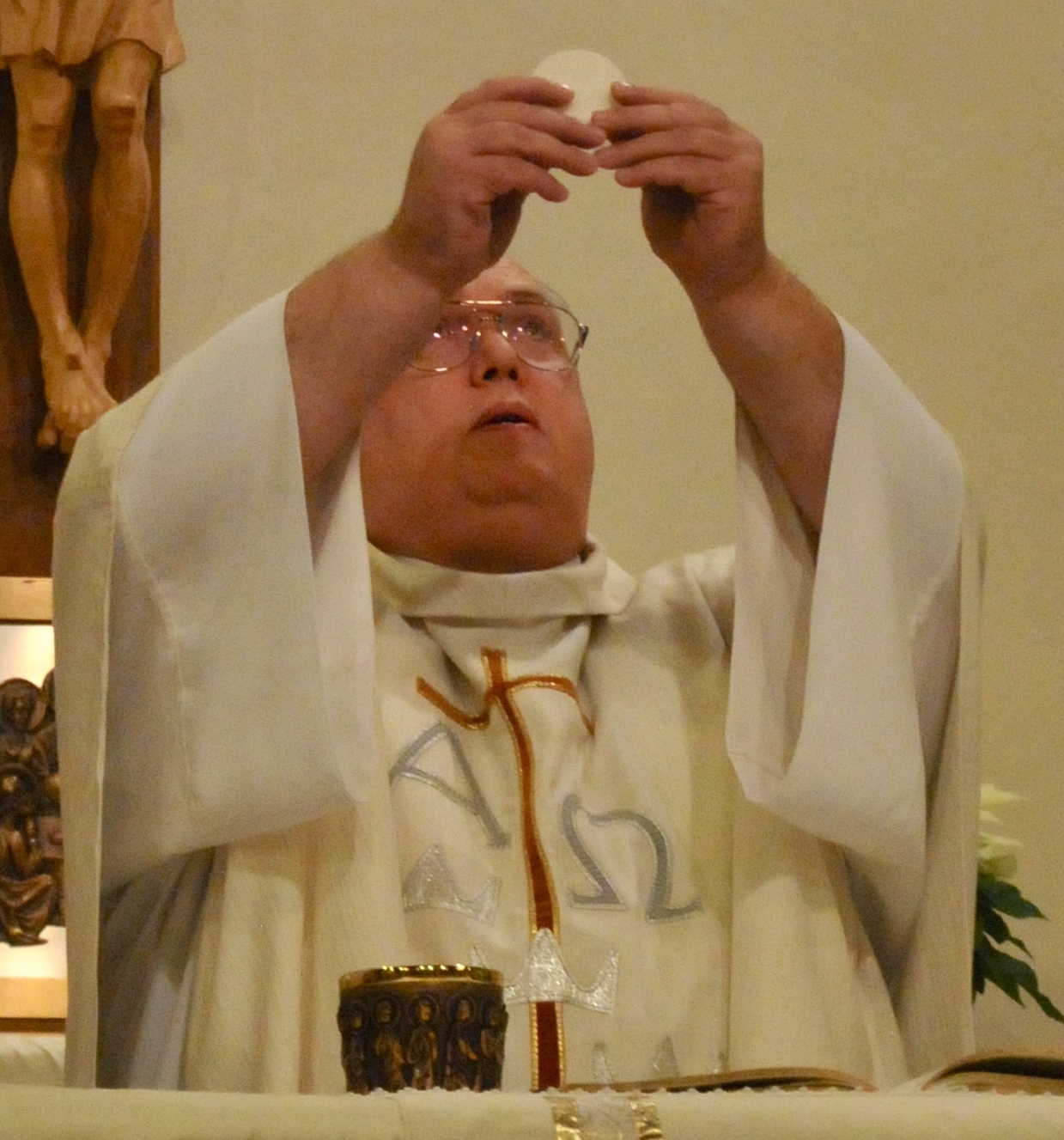






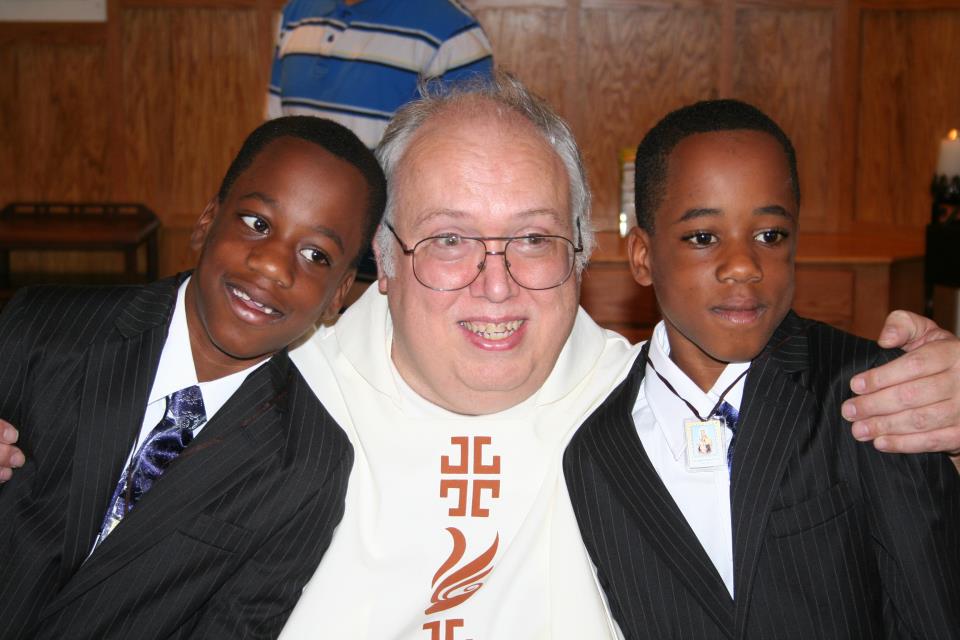



Exodus 28:4: “These are the garments which they shall make: a breastpiece, an ephod, a robe, a coat of checker work, a turban [mitre], and a girdle; they shall make holy garments for Aaron your brother and his sons to serve me, as priests.”
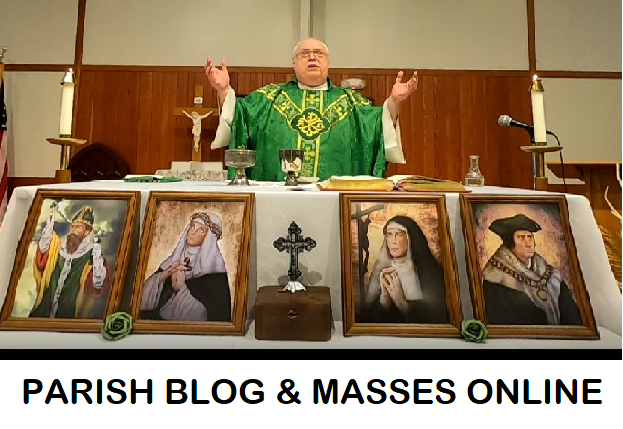
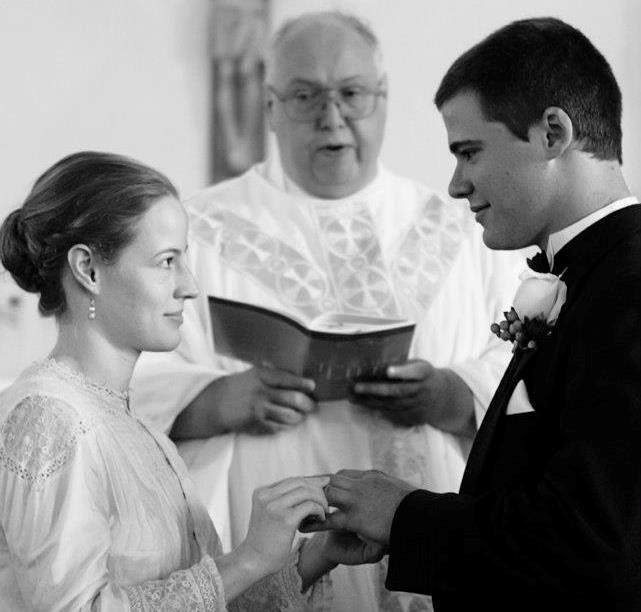
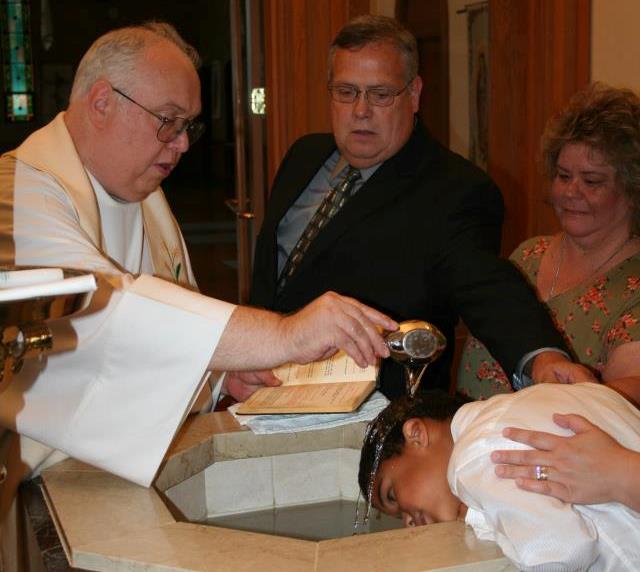
The use of liturgical garb has a growing acceptance even in Protestant circles. There is nothing superstitious about it. Several years ago the evangelist, Jerry Falwell, acknowledged that he was willing to meet the Pope as a fellow minister. However, he suggested that first the Pope should put aside all the silly vestments he wears. The next day there was a picture of Falwell sliding down a waterfall ride at the defunct PTL amusement park. He did so while wearing a three-piece suit. Who is silly? (Coincidentally, I must say, that despite certain disagreements, my respect and admiration for this departed minister, and for his preaching, has grown over the years.) There is clear Scriptural precedent for special vestments to be worn while conducting sacred activities. Vestments are visual tools to help us focus on the meaning and significance of our worship and ministry. They developed from the garb worn in ancient civil society and among their leadership. Such dress changed over time in the secular world but the Church retained the older forms for her own use. This intensified the religious association of such vestments.
For more such reading, contact me about getting my book, DEFENDING THE CATHOLIC FAITH.
Filed under: Anti-Catholicism, Apologetics, Bible, Bishops, Catholic, Church, Mass, Priests, Uncategorized | Leave a comment »