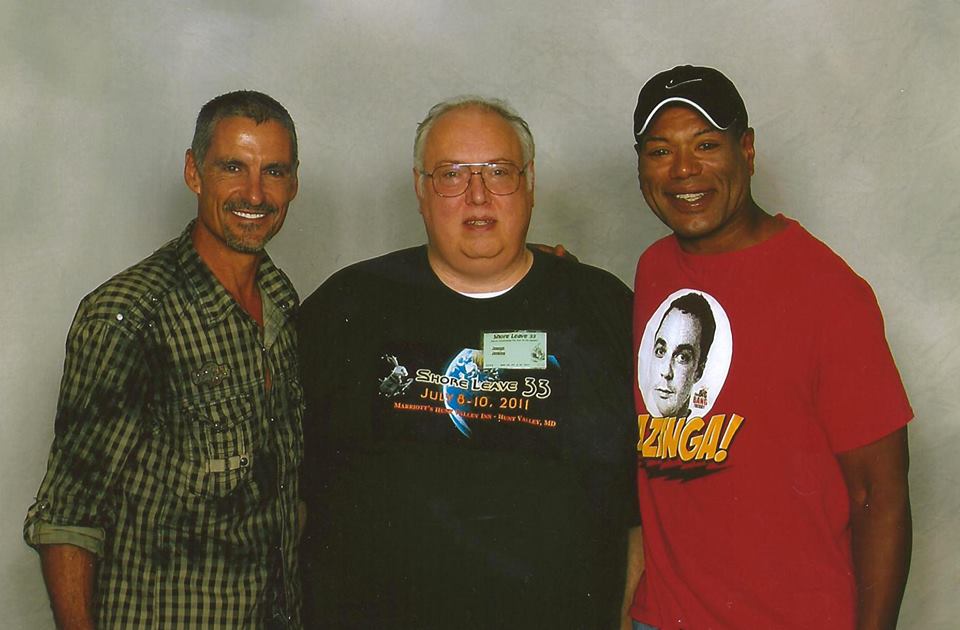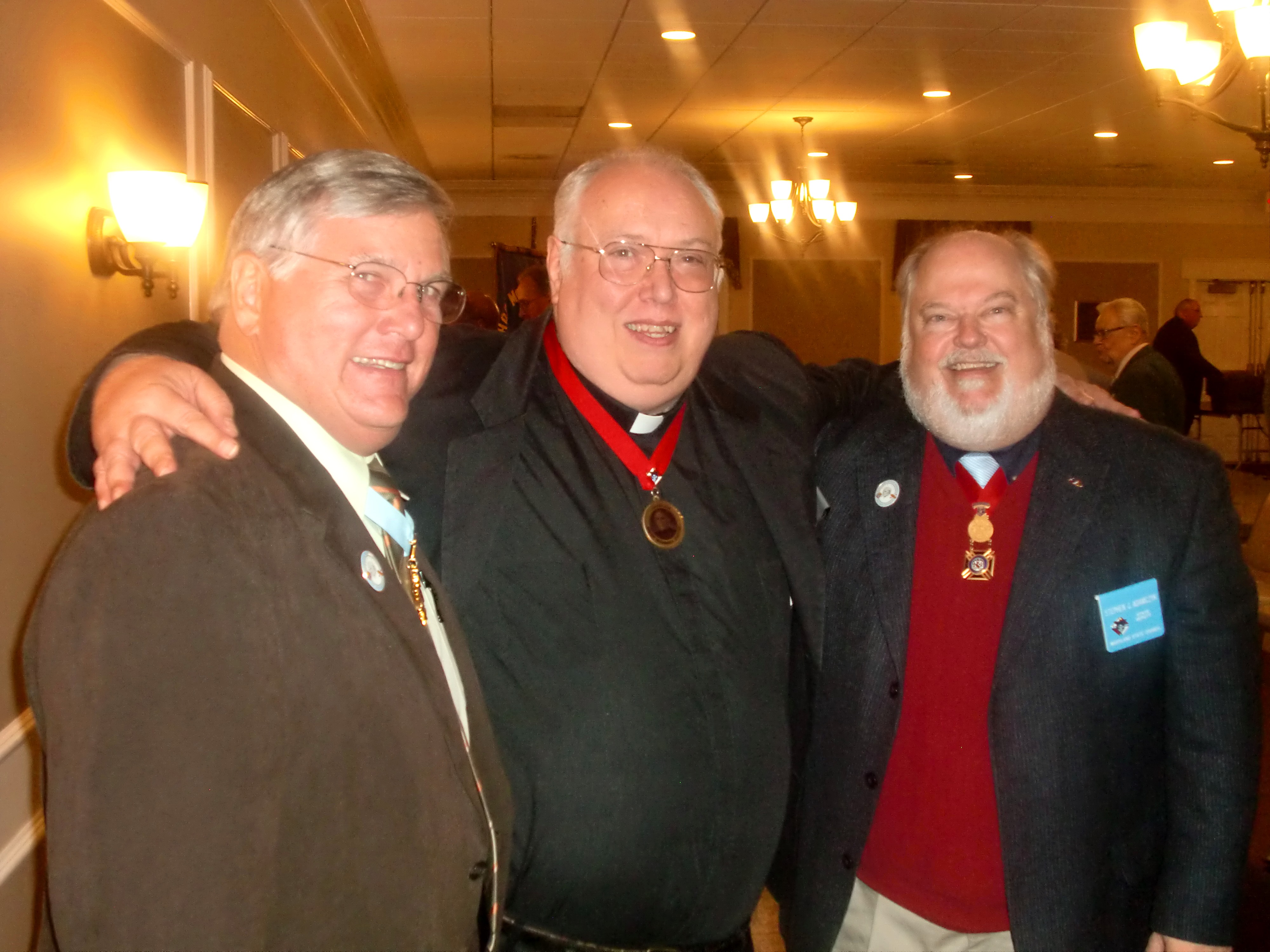

• Our Blogger

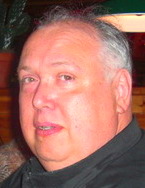
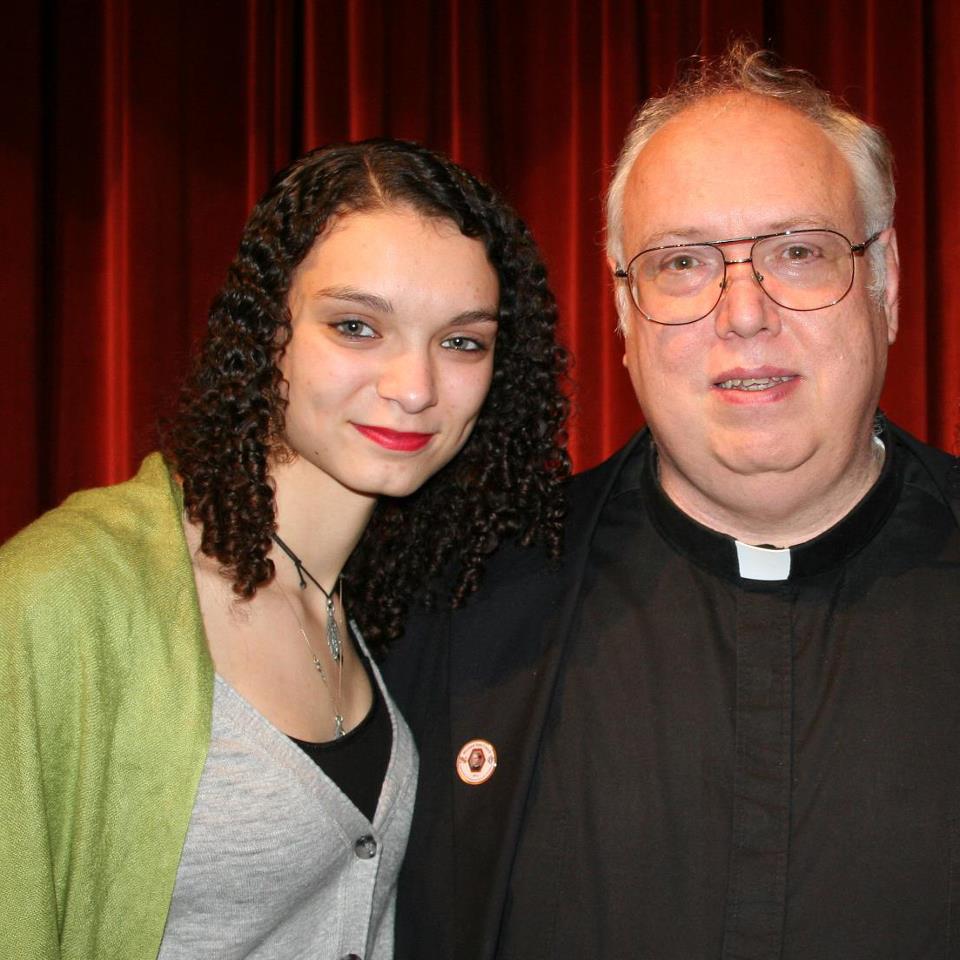
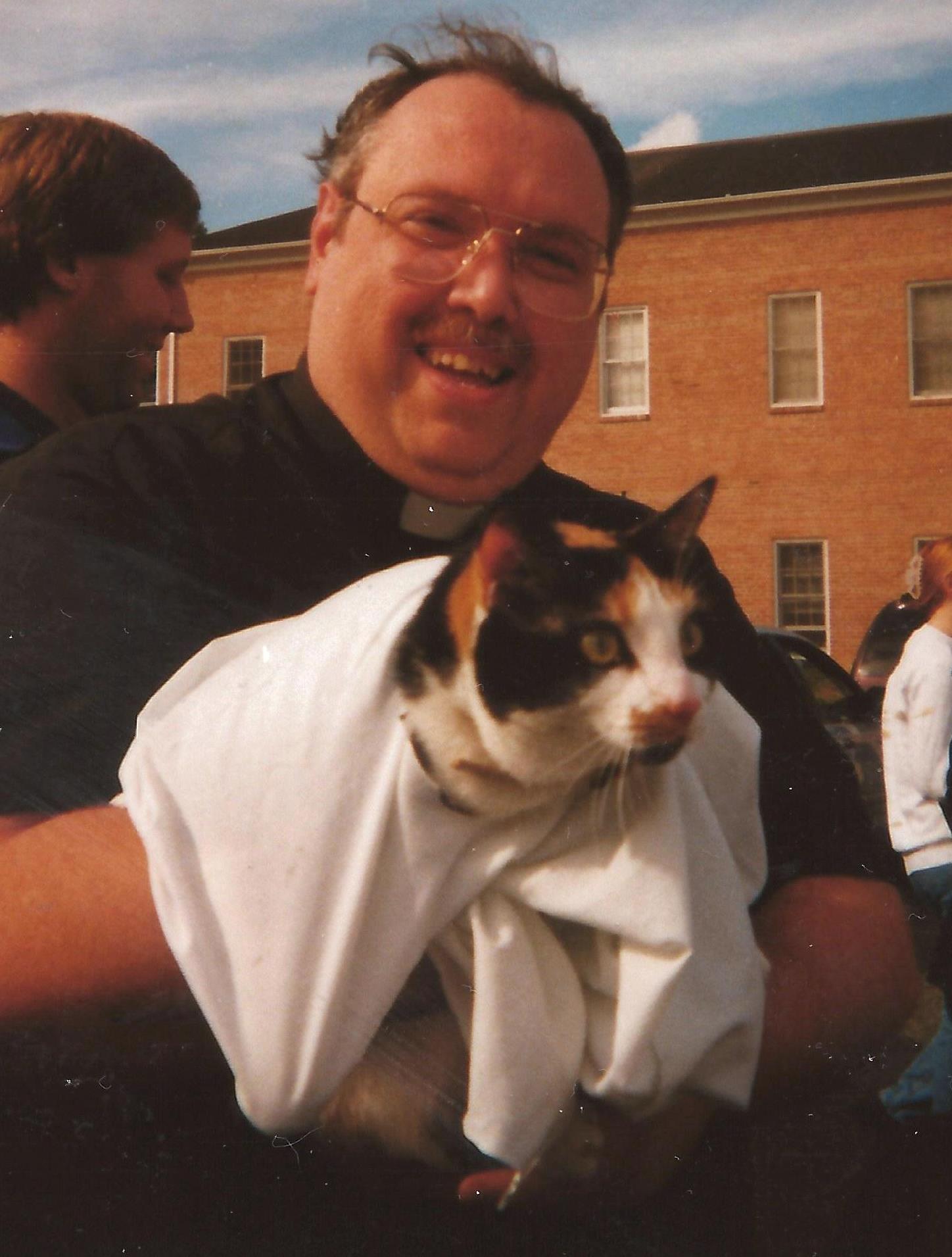
    Fr. Joseph Jenkins

  • The blog header depicts an important and yet mis-understood New Testament scene, Jesus flogging the money-changers out of the temple. I selected it because the faith that gives us consolation can also make us very uncomfortable. Both Divine Mercy and Divine Justice meet in Jesus. Priests are ministers of reconciliation, but never at the cost of truth. In or out of season, we must be courageous in preaching and living out the Gospel of Life. The title of my blog is a play on words, not Flogger Priest but Blogger Priest.

  • Archives

  • Categories

  • Recent Posts

  • Recent Comments

    Anonymous's avatarAnonymous on Ask a Priest
    Michael J's avatarMichael J on Ask a Priest
    Jeremy Kok's avatarJeremy Kok on Ask a Priest
    Mike Zias's avatarMike Zias on Ask a Priest
    Jeremy Kok's avatarJeremy Kok on Ask a Priest

Mass as Sacrifice & Eucharist as Really Jesus

ANTI-CATHOLIC ASSERTION

Jesus, once and for all, died for sins. This saving act is never to be repeated. He now sits at the right hand of God and does not reappear to us in the Mass as a corpse’s blood and flesh.

Jesus dies once:

But this one [Jesus] offered one sacrifice for sins, and took his seat forever at the right hand of God; now he waits until his enemies are made his footstool. For by one offering he has made perfect forever those who are being consecrated. The holy Spirit also testifies to us, for after saying: “This is the covenant I will establish with them after those days, says the Lord: ‘I will put my laws in their hearts, and I will write them upon their minds,’” he also says: “Their sins and their evildoing I will remember no more.” Where there is forgiveness of these, there is no longer offering for sin (Hebrews 10:12-18).

Christ upon the Cross:

Therefore, when Jesus had taken the wine, he said, “It is consummated (finished)!” And bowing his head, he gave up his spirit (John 19:30).

Remembrance, not the forgiveness of sins:

For I received from the Lord what I also handed on to you, that the Lord Jesus, on the night he was handed over, took bread, and after he had given thanks, broke it and said, “This is my body that is for you. Do this in remembrance of me.” In the same way also the cup, after supper, saying, “This cup is the new covenant in my blood. Do this, as often as you drink it, in remembrance of me.” For as often as you eat this bread and drink the cup, you proclaim the death of the Lord until he comes (1 Corinthians 11:23-26).

CATHOLIC TRUTH

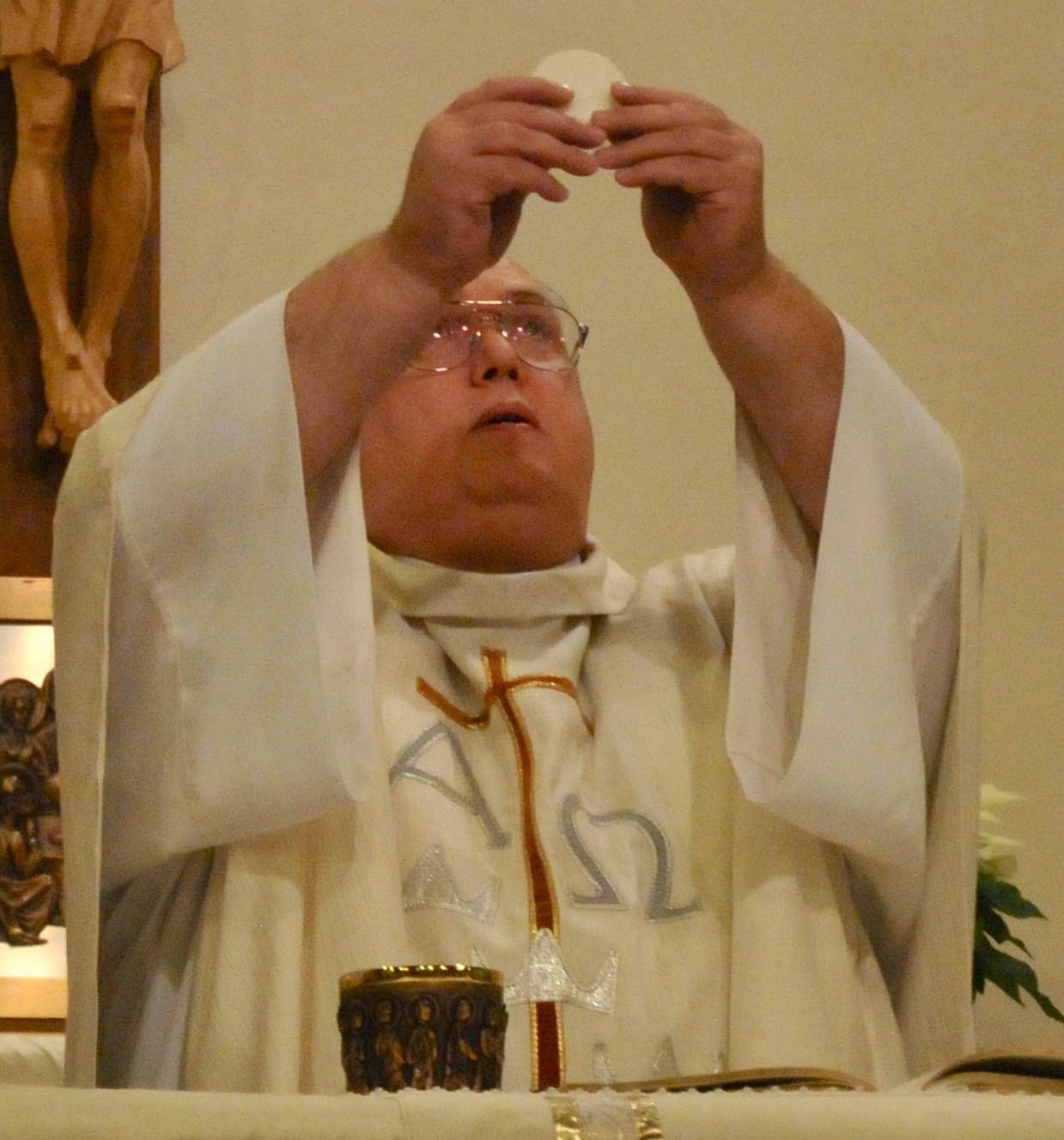
The Mass is a sacrifice and Holy Communion (through transubstantiation) is the actual body and blood of Jesus Christ.

It is true that Jesus died once and for all. His saving death is unique and the risen Lord will never die again. This is also Catholic doctrine. Further, the Catholic Church also agrees that Holy Communion is not the flesh and blood of a dead Christ. However, everything else is misunderstood by the anti-Catholic critic. The Mass is a real sacrifice in that it resonates in perfect harmony with Calvary. Each celebration of the Mass is not a new slaughter of Christ Jesus. Sometimes, when spoken about as a repetition of the Cross, this confusion arises. The Mass is a sacramental (use of sacred signs) and unbloody re-presentation of the sacrifice of Christ. Like a time machine, we are transported to Calvary and are present at the one saving act of all history. The only thing missing at the Cross was our own self-offering with and in Jesus. The appearances of bread remain, but the sacred elements constitute the risen Lord— body and soul, humanity and divinity– without division or diminishment. There is but one high priesthood in Christianity, that of Jesus Christ. Every ordained priest allows his very self to be appropriated by Christ in a participation in the one priesthood which offers true worship. If the Mass and Calvary are one and the same, then of course it is a sacrifice of propitiation, one which forgives sins. The covenant of Christ is not a stagnant affair locked in past history, the remembrance of the Eucharist makes present what it celebrates. It is a renewal of the new covenant in Christ’s body and blood. The Hebrew notion of “anamnesis” is not like our impoverished nostalgia-type of remembrance. The words of institution said by the priest at Mass, recall the saving supper of the Lamb and make him present— both in his person (his identity) and in his saving activity. The sacrifice of Calvary, re-presented to us throughout time and place, calls us all to unity in the Lord. The Lord himself tells us that unless we eat his body and blood, we can have no part of him. Paul’s words from 1 Corinthians are not merely an academic exercise in studying the institution narrative of the Lord’s Supper. These words were familiar to St. Paul because they constituted the liturgical tradition he had received. These are the words with which St. Paul, an apostle and priest of the new dispensation, offered the Eucharist. Note that after mentioning the Lord’s command to repeat his new ritual, St. Paul talks about our need to be worthy in its reception. Otherwise, we would be held accountable. Unless there is a “real presence” of Christ in the consecrated bread and cup, such a warning would be incoherent. He forewarns them against any further abuse at the Lord’s Supper, including overeating. (Remember, in the early Eucharist, the Lord’s Supper was attached to a regular meal.) It is precisely because of the efficacy of the Eucharist in regard to the forgiveness of sins, (the realization of divine mercy), that St. Paul talks immediately about judgment if we neglect or abuse the privilege.

We must properly understand 1 Corinthians 11:23-27. Look at the last verse; it only makes sense if the Eucharist really is the risen Christ:

Therefore whoever eats the bread or drinks the cup of the Lord unworthily will have to answer for the body and blood of the Lord (1 Corinthians 11:27).

Self-examination is necessary if we are to appreciate the command to unity which flows from Jesus’ giving of himself and our requirement to repeat his sacrifice with the same spirit of self-donation:

For anyone who eats and drinks without discerning the body, eats and drinks judgment on himself (1 Corinthians 11: 29).

Priests & Sacrifices

ANTI-CATHOLIC ASSERTION

There is no need of Catholic priests or of the sacrifice of the Mass, we have Christ and all is accomplished on the Cross already.

Hebrews 7:27: He has no need, like those high priests, to offer sacrifices daily, first for his own sins and then for those of the people; he did this once for those of the people; he did this once for all when he offered up himself.

CATHOLIC TRUTH

While there was no requirement for daily sacrifice in the law of Moses, such a feature was prescribed for the Day of Atonement. Of course, what we can readily contrast are the repeated sacrifices of the Hebrews and the singular oblation of Jesus. True atonement could not be achieved by their sacrifices, and yet, such was expected between the fallen creature and his Creator. Indeed, the practice of making sacrifices, even in pagan religions, shows that there is an innate awareness of this responsibility imprinted upon nature itself. The sacrifices of the Old Testament are in preparation for and point to the redemptive Cross. Chosen by God, the Jewish people were made righteous by their faith and fidelity to the covenant; and yet, even their beloved dead, preserved from the fires of hell, would have to await the descent of our crucified Lord before entering into paradise. As the catechisms explain, Christ took upon his shoulders the death we deserved and the heavy burden of sin. He conquers them, but they have yet to be undone in human history. The gates of heaven are opened and as our Mediator, Jesus makes possible our entry into the heavenly home.

Apart from Christ, any human sacrifice was only of a finite measure and could not make full reparation for the infinite dishonor against God caused by the primordial sin and our subsequent collaboration through personal sin.

The Eucharist or Mass is the Christian’s sacramental way of making himself present to the great mystery of Calvary. Christ dies ONCE and FOR ALL; however, this saving mystery is extended through space and time by the Eucharist. Christ has died and will never die again. We do not have Christ killed upon our altars again and again. The Mass makes time travelers of us all, albeit through sacred signs. We see the image of a cross or crucifix, but it is the altar-table which most resonates with the Cross of Christ. We see a priest at the altar and yet he acts in the person of Christ, the head of the Church. The cultic language of the Last Supper links it with his saving death. We see many different men function as priests, and yet their priesthood participates in the ONE PRIESTHOOD of Jesus Christ. He is the high priest of the Catholic Christian faith. The only difference from the initial historical death of Christ and its actual re-presentation in the Mass is our ability now to join ourselves to him. We can surrender ourselves along with Christ, joined inextricably to him, as one perfect sacrifice to the heavenly Father. We are faithful, generation after generation, in keeping his great command: “Do this in remembrance of me” (see Luke 22:19; 1 Corinthians 11:23-25). This “anamnesis” is a living memory, making present that which is recalled and signified.

Mass Vestments

Exodus 28:4: “These are the garments which they shall make: a breastpiece, an ephod, a robe, a coat of checker work, a turban [mitre], and a girdle; they shall make holy garments for Aaron your brother and his sons to serve me, as priests.”

The use of liturgical garb has a growing acceptance even in Protestant circles. There is nothing superstitious about it. Several years ago the evangelist, Jerry Falwell, acknowledged that he was willing to meet the Pope as a fellow minister. However, he suggested that first the Pope should put aside all the silly vestments he wears. The next day there was a picture of Falwell sliding down a waterfall ride at the defunct PTL amusement park. He did so while wearing a three-piece suit. Who is silly? (Coincidentally, I must say, that despite certain disagreements, my respect and admiration for this departed minister, and for his preaching, has grown over the years.) There is clear Scriptural precedent for special vestments to be worn while conducting sacred activities. Vestments are visual tools to help us focus on the meaning and significance of our worship and ministry. They developed from the garb worn in ancient civil society and among their leadership. Such dress changed over time in the secular world but the Church retained the older forms for her own use. This intensified the religious association of such vestments.

For more such reading, contact me about getting my book, DEFENDING THE CATHOLIC FAITH.

Catholic Worship

Malachi 1:11: For from the rising of the sun to its setting my name is great among the nations, and in every place incense is offered to my name, and a pure offering; for my name is great among the nations, says the Lord of hosts.

Hebrews 13:10: We have an altar from which those who serve the tent [the tabernacle of the Jewish temple] have no right to eat.

The Bible tells us that there is a priesthood and sacrifice under the new covenant of Christ. There is no way that a service of the Word or a Protestant communion service can be considered the sacrificial act that prophecy and St. Paul speaks about. However, we do find such elements in the teaching and practice of the Catholic Church. We have an altar of sacrifice and a pure offering, nothing other than the body and blood of Christ in the sacramental species.

For more such reading, contact me about getting my book, DEFENDING THE CATHOLIC FAITH.

Only the Real Presence Demands Worthy Reception

1 Corinthians 11:27-29: Whoever, therefore, eats the bread or drinks the cup of the Lord in an unworthy manner will be guilty of profaning the body and blood of the Lord. Let a man examine himself, and so eat of the bread and drink of the cup. For anyone who eats and drinks without discerning the body eats and drinks judgment upon himself.

St. Paul tells us that the unworthy reception of Holy Communion is a sacrilege; indeed, it desecrates the real body and blood of Christ. It is the ultimate in hypocrisy and blasphemy. Such an assertion that the sacrament might bring damnation instead of salvation must be seriously considered. Catholics in mortal sin should not receive the sacrament until that time that they have repented and the sin is absolved. If Holy Communion were no more than bread and wine, this assertion from St. Paul would make NO sense. How can a piece of bread or a sip of wine damn you for all eternity? How could such an empty symbolic gesture desecrate Christ, himself? They could not, unless Catholics are right and the bread and wine are truly transformed into the body and blood of Christ.

Jesus Meant What He Said About Eucharist

John 6:52-58: The Jews then disputed among themselves, saying, “How can this man give us his flesh to eat?” So Jesus said to them, “Truly, truly, I say to you, unless you eat the flesh of the Son of man and drink his blood, you have no life in you; he who eats my flesh and drinks my blood has eternal life, and I will raise him up at the last day. For my flesh is food [meat] indeed, and my blood is drink indeed. He who eats my flesh and drinks my blood abides in me, and I in him. As the living Father sent me, and I live because of the Father; so he who eats me will live because of me. This is that bread which came down from heaven, not such as the fathers ate and died; he who eats this bread will live forever.”

John 6:60: Many of his disciples, when they had heard it, said, “This is an hard saying; who can listen to it?”

John 6:66-69: After this many of his disciples drew back and no longer went about with him. Jesus said to the twelve, “Will you also go away?” Simon Peter answered him, “Lord, to whom shall we go? You have the words of eternal life; and we have believed, and have come to know, that you are the Holy One of God.”

The Jews murmured (John 6:41) and abandoned Jesus just as certain so-called Christians (Protestants) reject the Eucharist today. They did not believe that Jesus was God; obviously God could do all things.

Nevertheless, Jesus did not compromise or explain away his teaching in any manner. He insisted upon a literal understanding of the real presence in the Eucharist. There was no misunderstanding. Jesus allowed the Jews (who would prefer a Protestant view of Eucharist) to abandon him. It is bizarre that Protestants can assail the Eucharist and claim that certain disciples misunderstood him when Jesus acted and spoke this way. The truth is that Jesus would even have allowed the twelve apostles to forsake him rather than to give the impoverished Protestant type of Eucharist. Peter responds correctly. Like his many successors, Peter steers the Church toward the truth of Christ. Jesus is God and whatever God says is true, no matter how fantastic and deep a mystery.

For more such reading, contact me about getting my book, DEFENDING THE CATHOLIC FAITH.

A True Bread from Heaven

John 6:33-35: “For the bread of God is that which comes down from heaven, and gives life to the world.” They said to him, “Lord give us this bread always.” Jesus said to them, “I am the bread of life; he who comes to me shall not hunger, and he who believes in me shall never thirst.”

John 6:38: “For I have come down from heaven, not to do my own will, but the will of him who sent me; . . . .”

John 6:41: The Jews then murmured at him, because he said, “I am the bread which came down from heaven.”

John 6:48-51: “I am that bread of life. Your fathers ate the manna in the wilderness, and they died. This is the bread which comes down from heaven, that a man may eat of it and not die. I am the living bread which came down from heaven; if any one eats of this bread, he will live forever; and the bread which I shall give for the life of the world is my flesh.”

The Eucharist that our Lord gives can only be “bread from heaven” if it is truly himself. Jesus is God; he is the one who has come down from heaven. The principle of concomitance is also affirmed here: Jesus is totally present— alive and complete— in every fragment and drop of the Blessed Sacrament. He is not dissected in the Eucharist; rather, he is present and acting on our behalf. He grants us a share in eternal life.

For more such reading, contact me about getting my book, DEFENDING THE CATHOLIC FAITH.

The Greatest Food of All

John 6:26-32: Jesus answered them, “Truly, truly, I say to you, you seek me, not because you saw signs, but because you ate your fill of the loaves. Do not labor for the food [meat] which perishes, but for the food [meat] which endures to eternal life, which the Son of man will give to you; for on him has God the Father set his seal.” Then they said to him, “What must we do, to be doing the works of God?” Jesus answered them, “This is the work of God, that you believe in him whom he has sent.” So they said to him, “Then what sign do you do, that we may see, and believe you? What work do you perform? Our fathers ate the manna in the wilderness; as it is written, ‘He gave them bread from heaven to eat.'” Jesus then said to them, “Truly, truly, I say to you, it was not Moses who gave you the bread from heaven; my Father gives you the true bread from heaven.”

More important than any miraculous food (John 6:11 to 13) or the manna in the desert (Exodus 16:31), the Eucharist is highlighted as our saving food. If there were no change in the elements of bread and wine into the real body and blood of Christ, then our Lord has played us for fools. Such is not the case. There is no deception on Christ’s part. A rejection of the Eucharist, by both liberal modernists and by fundamentalist Christians signifies a lack of faith; indeed, it is the intrusion of a sometimes-subtle atheism.

For more such reading, contact me about getting my book, DEFENDING THE CATHOLIC FAITH.

Preaching, the Liturgy & the Faith

Why Does the Fire Go Out?

People have their reasons, but there is no good reason for leaving the Church. The majority in the area where I reside are probably Baptist and/or Evangelical. Some of these communities target Catholics and many Catholics marry non-Catholics. Not understanding their own tradition, many Catholics are inordinately moved by the music and preaching in Protestant churches. Catholic reformed rituals might not be regarded as very entertaining. Much of the music we sing is criticized as trite and unmoving. When we borrow Protestant hymns or sing Gospel, it is usually a pale imitation of what our separated brethren have to offer. Music enshrines preaching. Particularly in the African-American community, services can go hours. The importance of the minister is measured by his musicality and his effectiveness as a preacher. Our gravity is upon the formulae of liturgy, not upon preaching.

Masolino_Peter_Preaching2

Preachers and Priests, No Comparison?

Many priests were trained to keep homilies or sermons to ten minutes or less. That is about the length of two or three MTV videos. Time-wise, it cannot compare to the formation of the media or to the teaching sermons of our separated-brethren. I knew one old man who went to Mass on Saturday night and to his wife’s Baptist church on Sunday. He told me that he went to Mass for Holy Communion and to the Protestant church for good preaching. This is a rather sad state of affairs. Are we fully feeding our people? Preaching outside the Catholic Church may be dynamic and meaningful; however, it is also fraught with religious error.

Sermons or Homilies?

I recall from preaching seminars that the priest should offer a homily based upon the Scriptures of the day. This focus was understandable but I found the focus too narrow and absolutist. The priest or deacon can preach upon the readings, the liturgical prayers themselves, upon the feast or memorial, or upon what his people (at that time and place) need to hear. I had a vigorous dispute with a liturgist when I suggested catechetical sermons. It was and remains a contention of mine that many people stray to other faith communities because they really do not understand Catholicism and the full significance of the Eucharist.

Can Father Talk Too Long?

How long should the priest or deacon preach? This depends upon many factors:

1. What is the type of liturgy?

2. What has to be said to make the message worthwhile?

3. What is the capacity in patience and in comprehension of the listeners?

Given that Catholic sermons are usually shorter than Protestant counterparts, the priest might be able to amplify his instruction by linking his sermons from week to week. He can also use the parish bulletin, special adult education and bible study, and invite people to use the cycle of readings themselves with missals they can take home. If people look at the readings before Mass, their experience will not be cold when the priest or deacon speaks about them. Instead of merely thinking about what Protestants have that we don’t, let us utilize our own strengths, the missal and the cycle of predetermined readings.

Catholics might also do well to getting used to longer liturgies. Of course, this runs counter to the Roman Rite tradition, known for being curter and more to the point than Eastern Rite liturgies and certain Evangelical Protestant services. There is a basic dilemma with longer sermons, and that is the balance and rhythm of the Mass. A long homily and a short Eucharistic prayer seems to switch the gravity away from the sacrament to the Word which is intended to dispose us for the sacrifice and Holy Communion.

I am concerning myself essentially with the Sunday homily. Given work concerns and strained time issues, weekday Masses would probably have to remain little more than basic exhortations. Such exhortations are similar to aspirations: Jesus, Mary, Joseph save souls! Do good and avoid evil! Keep faith and hope alive! Lord, have mercy on us! God will not abandon you!

Messages Should Comfort and Challenge

Homilies more strictly revolve the Readings; however, sermons can touch upon all sorts of relevant topics. Sermons might be moral exhortations, catechetical moments, inspiration rhetoric and stories, etc. However, they should always connect the lesson, whatever the source, to the lives of the people listening. The congregation should not be passive to the preaching but actively engaged. A topic is explored, the message is ordered for coherence, examples or illustrations are made, and there is the immediate appliance.

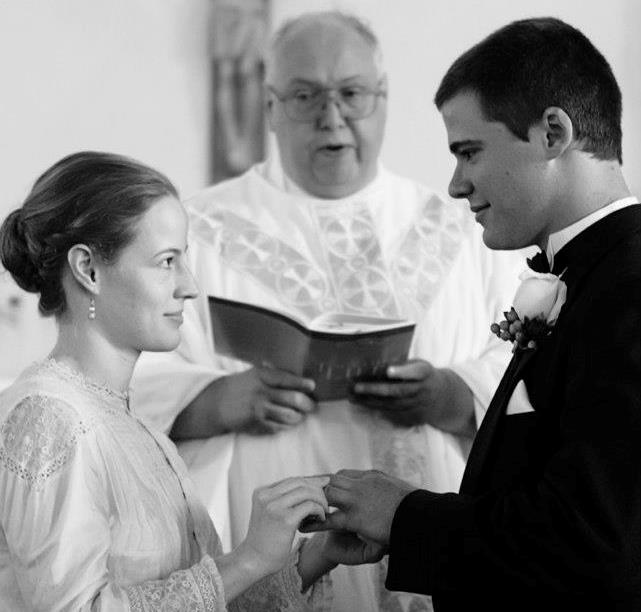
The words used in preaching vary upon the setting. When the clergyman marries a couple, he speaks about the joy and hopes of the couple. He might also challenge them to keep the marital act free from the corruption of lust and artificial contraception. However, many Catholic ministers are afraid to rock the boat. When a priest or deacon officiates at a funeral, his words emphasize the consolations of faith to those who mourn, the promises of Jesus our gentle shepherd in regard to eternal life, and the need to go on with our lives. Again, many Catholic ministers are afraid of the conflict that comes with challenging the congregation to see the death as a warning about their own mortality and the need to reform before it is too late. Even evil men are temporarily canonized and little is said about Purgatory. A number in the pews no longer even believe in Hell. Sunday homilies are often pampering and grossly approving because many clergy are afraid of alienating the numbers in the pews and depleting the money gathered into collection baskets.

Need for Courage and Trusting Providence

I knew a priest in the South who tried to integrate the two churches he pastured, one white and the other black. White parishioners complained to the bishop and the man found himself stripped of his parish, reprimanded for making trouble, and reassigned to a teaching position in a college far away. Decades later he was still not allowed to return to parish ministry. But God writes straight with our crooked lines. This priest ended up teaching seminarians. He inspired another generation of men in ministry to struggle for social justice.

How often have we heard certain priests speak about artificial contraception, abortion, divorce and remarriage, or even about fornication and cohabitation? Some men in ministry are afraid. But what chance do God’s people have when their shepherds are passive and fearful? The late Pope John Paul II echoed our Lord’s words of wisdom, “Be not afraid.”

It may be that the priest shortage and the clergy scandals have drained the energy resources and joy of our priests. This needs to be remedied. The core message of the Gospel is not exhausted or angry. Priests who show enthusiasm or excitement about the Catholic faith and Gospel are the most effective. It is also a mentality which breeds vocations. Young men do not want to join a confraternity of tired old men who only go on because of cold duty and obligation. We have to be on fire with the faith if we want those in the pews to ignite! It is very hard for a priest to give what he does not have. God’s servants should be so in love with God that this love spills over in their service of others. Preaching should reflect a life of prayer and a drive to save souls!

The preaching should move God’s people to greater faith and acts of service to our Lord and neighbor. It assists everyone to better understand the Eucharist and disposes us to receive the Blessed Sacrament. We take what we have been given in Word and sacrament as we go out in mission to the world around us.

Response to an Anti-Catholic on John 6 & More

One anti-Catholic apologist declared as blasphemy the claim that Catholics “eat” Jesus. In the same breath, he contended that popes forbade bible reading as illegal. Both statements are inexact and misleading. Catholics receive in Holy Communion the sacrament of Christ’s real presence and do so by the Lord’s command. As for the Scriptures, the prohibition was not against reading Scripture but against those translations and texts of the reformers which distorted the true Word of God. Remember, even Martin Luther inserted his own theology into the sacred texts and omitted books (from both the Old and New Testaments) which he found disagreeable. Viewing the Church and the civil society as two sides of the same coin, both Catholics and Protestants alike sometimes exerted undue force in maintaining the ranks and orthodoxy. Exaggerations of anti-Catholics regarding such coercion are not to be taken seriously. Further, the Church herself, then as today, was often incapable to stay the hand of civil authority intent upon using religion as an excuse for intolerance and brutality. Incidents of murder and torture by “unholy Romish priests” are rarely documented; in any case, there is something demented in referencing incidents which happened centuries ago as if they happened last Tuesday.
The Catholic Church is the source for the Scriptures: members from her community were inspired in their authorship and by her own authority she determined the canon. The proliferation of bibles throughout the world was not the fruit of Reformation-Protestantism but of the mechanical printing press. Rome has encouraged the reading of the Bible and has long offered a special indulgence to those who do so every day. Unlike the anti-Catholic fundamentalist, the entire Bible (without deletion of books) is offered her people. Further, her use of a lectionary system for liturgies has resulted in a greater variety of biblical passages than what is usual in Protestant services. The Catholic faith is affirmed by an honest and comprehensive understanding of Scripture while the anti-Catholic resorts to biblical fragments, out of context and ignorantly misinterpreted. One anti-Catholic bigot notes that John 6 is frequently used against him by so-called “idolatrous” and “pagan” Catholics. He cites John 6:51,53-58:

“I am the living bread that came down from heaven; whoever eats this bread will live forever; and the bread that I will give is my flesh for the life of the world. Amen, amen, I say to you, unless you eat the flesh of the Son of Man and drink his blood, you do not have life within you. Whoever eats my flesh and drinks my blood has eternal life, and I will raise him on the last day. For my flesh is true food, and my blood is true drink. Whoever eats my flesh and drinks my blood remains in me and I in him. Just as the living Father sent me and I have life because of the Father, so also the one who feeds on me will have life because of me. This is the bread that came down from heaven. Unlike your ancestors who ate and still died, whoever eats this bread will live forever.”

The anti-Catholic bigot argues that Catholics neglect verse 63 which illustrates, so he says, that Jesus did not mean what he said literally: “It is the spirit that gives life, while the flesh is of no avail. The words I have spoken to you are spirit and life.”

In other words, until verse 63, Jesus is lying? Sorry, I do not think so. Our Savior is not fickle in his teachings. He would not deliberately mislead and anger the Jews; he meant what he said about the Eucharist. This verse becomes clearer if we look at the one which follows it: “But there are some of you who do not believe.” This resonates with verse 52, conveniently omitted by the anti-Catholic apologist: “The Jews quarreled among themselves, saying, ‘How can this man give us [his] flesh to eat?’” Did the critic purposely omit this line, knowing that he found himself associated with the disbelieving Jews? It sure seems that way. The Jews are murmuring because they do not like what they hear. Some of their number walk away. They know full well that Jesus means what he says. Their sensibilities, especially regarding blood are offended. They will have none of it. It is a mystery that requires supernatural faith to accept. Verse 63 is not a reference to Christ’s Eucharistic body but is used as it was previously in John 3:6-7. We read: “What is born of flesh is flesh and what is born of spirit is spirit. Do not be amazed that I told you, ‘You must be born from above.’” “Spirit . . . flesh” is a Hebraic form of speech which does the very opposite of what the anti-Catholic bigot claims. It affirms the truth of Christ’s Eucharistic teaching and that to accept it we must be given the gift of faith by his heavenly Father.

We need to pray that the anti-Catholic bigot will be given a greater share in the true faith. He is usually filled with much anger and hate. He can only measure his own religion in reference to that which he opposes. I would fathom to guess that were there no Catholic religion, he would have no faith at all– or perhaps I should call it an anti-faith? He is quick to judge and to damn Catholics even though there is no consideration that if he is wrong then he has blasphemed the work of the Holy Spirit.

The anti-Catholic may also sin by presumption of God’s saving grace. We live in the “sure and certain hope” of our salvation, leaving our eternal destiny to divine providence. The Lord says, “Therefore, by their fruits you will know them.” While the fruits of Christ’s presence and loving ministry are manifested in the life of the Church, the anti-Catholic critic contends that Jesus shall respond to us with the words from Matthew 7:23, “I never knew you. Depart from me, you workers of iniquity!” Many of our Protestant brethren, with whom we would differ on points of doctrine and manners of worship, work alongside us in the promotion of the Gospel of Life. However, the anti-Catholic bigot contends that these groups are contaminated by their association with Catholics and thus are also lost. What can we say to such a critic? If all he understands are isolated bible texts, then let him pay heed to this one: “Beware of false prophets, who come to you in sheep’s clothing, but inwardly are ravenous wolves. By their fruits you will know them” (Matthew 7:15-16).

Every Catholic needs to remember the anti-Catholic and the fallen-away Catholic each time he receives Holy Communion. We need to dedicate our Holy Hours to prayer on their behalf and make reparation for their insults against Jesus, his Mother, and the Church. May our prayer rise like incense to heaven and be found pleasing to Almighty God.

For more such reading, contact me about getting my book, DEFENDING THE CATHOLIC FAITH.