














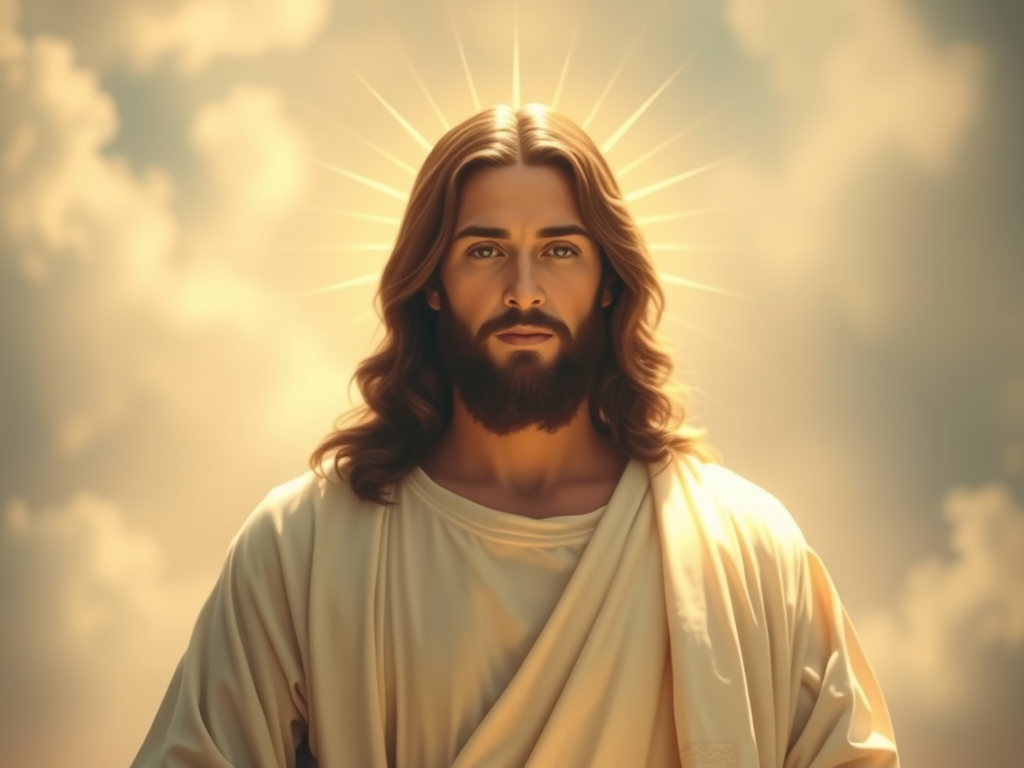
When it comes to salvation, the excuse of ignorance forfeits much of its weight after the incarnation. The covenant that God first forges is with a select people and much of the rest of the world is left in the dark about the true God. It is only with the coming of Christ that the covenant is expanded and consummated to include all who would believe in the Jewish Messiah. Membership among the elect is now not determined by blood and circumcision but by faith and baptism. Our Lord, who is the Light of the world, does not expose himself all at once but over time and in degrees. This Light first emerges as a glimmering promise to an insignificant family and tribe. Later, having prepared a people for himself, we have the first of several theophanies. It is in the Epiphany with the wise men or kings that the Light is revealed as having entered the world. It will become the Light to the nations. And yet, the hidden years of Christ conceal much of this illumination until the final three years of our Lord’s life and the instigation of his public ministry. What he does during these final years will set the pattern for his apostles and for all who would evangelize. No longer would this Light be hidden. Indeed, Jesus as the burning paschal candle will sacrifice himself for all who would believe and love him.
The daybreak of Christ dispels the long night brought about by the devil and disobedience. Sin unleashes a storm of suffering and death upon the world. Christ institutes his Church as a vehicle for his shining justification. The community of faith functions as a lighthouse, guiding wayfarers to safety lest they shipwreck against the rocks of ignorance, fear and hatred. The mission of the Church is always the same, to herald Jesus as the Light of Salvation. Jesus tells his listeners,
“You are the light of the world. A city set on a mountain cannot be hidden. Nor do they light a lamp and then put it under a bushel basket; it is set on a lampstand, where it gives light to all in the house. Just so, your light must shine before others, that they may see your good deeds and glorify your heavenly Father” (Matthew 5:14-16).
We can speak of “light” as something identified with our Lord and shared with his Church, allowing us to see or penetrate the darkness. What happens if a light is too brilliant and the eyes to the soul are not calibrated to bear its intensity? Like looking at the sun, our eyes might close or face blindness. Others do not like what they see and thus they turn their gaze. Do we really want to see God? Can we bear to see ourselves as we truly are, with all our sins and weaknesses, or do we shun the light?

The wicked are often not forthright with the truth. They may even count on others as not being disposed and ready to hear it. I am reminded of the actor Jack Nicholson as Colonel Jessep, when being questioned on the stand in the movie, A FEW GOOD MEN. A marine has died and a coverup ensues. He angrily responds to the prosecutor, “You can’t handle the truth!” The truth convicts the guilty but it often overwhelms the innocent. As for the saints, they see God— both within and before them. The light always brings with it a verdict (John 3:19-21).
Filed under: Uncategorized | Tagged: Bible, christianity, Faith, God, Hell, Jesus | Leave a comment »
















 Blogger Priest