









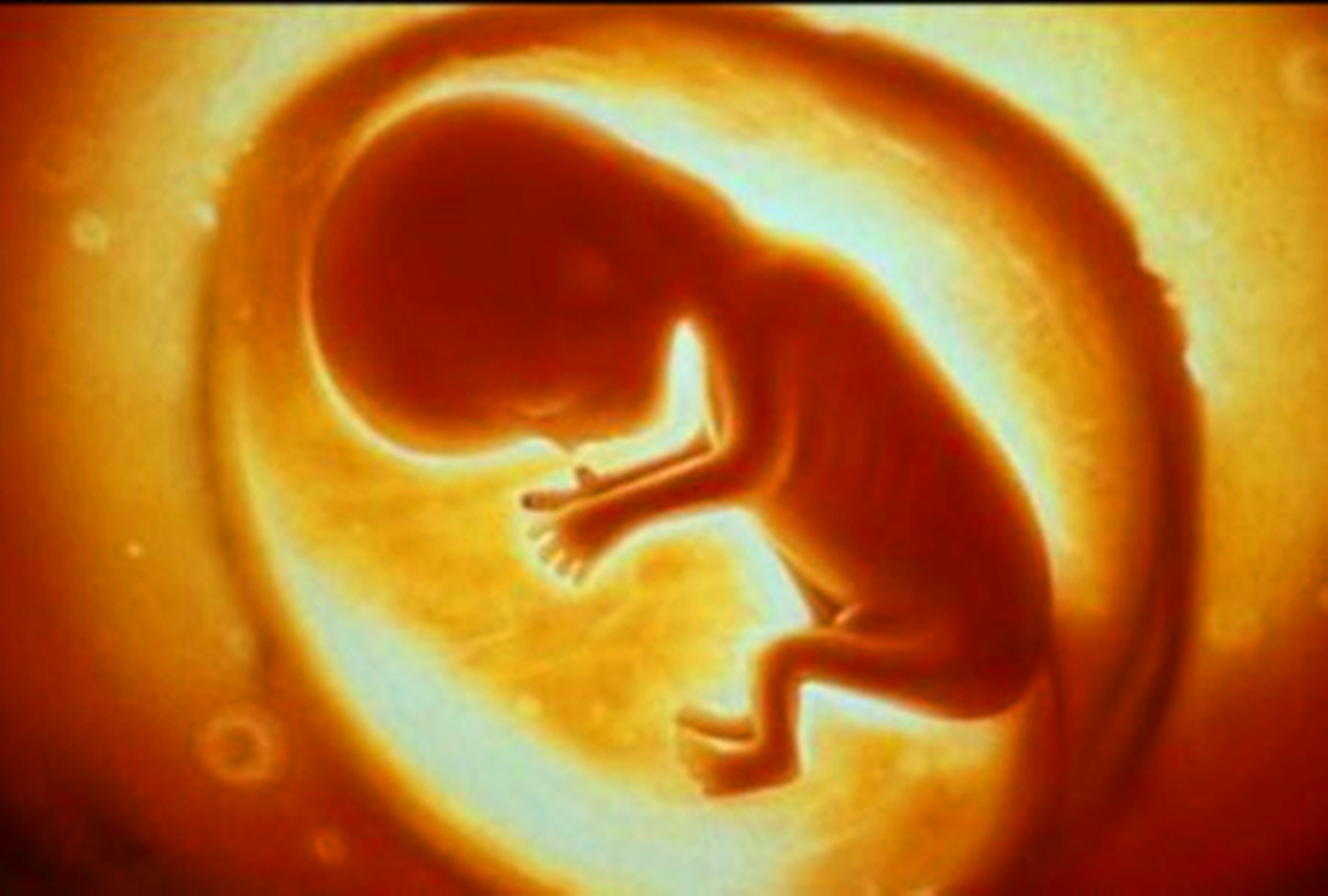









Article 12 of the declaration speaks of the dignity to be found in Christ’s solidarity with humanity by being “born and raised in humble conditions.” Next, we are told that his public ministry “affirms the value and dignity of all who bear the image of God, regardless of their social status and external circumstances.” It should be clear that the Cardinal Fernández is not referring to the elevated supernatural dignity given by grace to persons regenerated through faith and baptism. Several religious pundits have attacked the him and the Holy Father on this front without conceding a dignity that is inherent firstly, as a rational creation of almighty God, and secondly, as one who shares a kinship with Christ due to the incarnation. The whole point about the change of economy regarding images in the Decalogue is that God has now revealed himself through a human face. While there is a discrepancy in how the terms are used, one might argue that we are all created in the image of God but that through the sacraments we are reborn into the likeness of Christ. This natural dignity is very much a part of Pope John Paul II’s theology of the body. Note that when it comes to the Gospel of Life, the unborn child (although lacking baptism) possesses a right to life and dignity that should not be assailed.
Jesus also defended a moral dignity of persons, especially toward the oppressed and marginalized. The Church must similarly be the voice for the voiceless. Citing Scripture, the document takes note of his outreach to the tax collectors, women, children, lepers, the sick, strangers, and widows. The Cardinal writes that Jesus “heals, feeds, defends, liberates, and saves.” The love of neighbor flows from our love of God and must be dynamic in the life of charity.
The one problematical element of this article is the following:
For Jesus, the good done to every human being, regardless of the ties of blood or religion, is the single criterion of judgment. The apostle Paul affirms that every Christian must live according to the requirements of dignity and respect for the rights of all people (cf. Rom. 13:8-10) according to the new commandment of love (cf. 1 Cor. 13:1-13).
Critics contend that the Cardinal Fernández and the Pope undermine religion as a basic factor in our judgment and salvation. However, we should remember that the document is written for believers, and it is taken for granted that the good being done is by Catholics in right standing with God. I doubt the Holy Father would undermine basic soteriology. There is no salvation apart from Christ and his holy Church. Further, any merit for good acts also requires that the agent be in a state of grace. A person in mortal sin remains under God’s negative judgment until the remission of sin through heartfelt contrition and the sacrament of penance. However, for the justified believer, grace builds upon grace. Our good work is not limited to our own. A disciple of Christ is compelled by love and truth to preserve human dignity and in justice to defend human rights.
As a Christian I am required to be compassionate and just to all, even those who are not of my family or ethnicity or religion. I can know the catechism backwards and forwards, but without charity I have nothing. Again, on the level of creation, there is a duty to preserve basic human rights and dignity. I believe this is what the document is saying. It connects to the teaching about the corporal works of mercy in Matthew 25:41-45:
“Then he will say to those on his left, ‘Depart from me, you accursed, into the eternal fire prepared for the devil and his angels. For I was hungry and you gave me no food, I was thirsty and you gave me no drink, a stranger and you gave me no welcome, naked and you gave me no clothing, ill and in prison, and you did not care for me.’ Then they will answer and say, ‘Lord, when did we see you hungry or thirsty or a stranger or naked or ill or in prison, and not minister to your needs?’ He will answer them, ‘Amen, I say to you, what you did not do for one of these least ones, you did not do for me.’”
I suspect that what Cardinal Fernández and Pope Francis are wanting to say is made clearer in 1 Corinthians 13:1-8:
If I speak in human and angelic tongues but do not have love, I am a resounding gong or a clashing cymbal. And if I have the gift of prophecy and comprehend all mysteries and all knowledge; if I have all faith so as to move mountains but do not have love, I am nothing. If I give away everything I own, and if I hand my body over so that I may boast but do not have love, I gain nothing. Love is patient, love is kind. It is not jealous, love is not pompous, it is not inflated, it is not rude, it does not seek its own interests, it is not quick-tempered, it does not brood over injury, it does not rejoice over wrongdoing but rejoices with the truth. It bears all things, believes all things, hopes all things, endures all things. Love never fails. If there are prophecies, they will be brought to nothing; if tongues, they will cease; if knowledge, it will be brought to nothing.
Filed under: Uncategorized | Tagged: Bible, Catholic, christianity, Jesus, Religion | Leave a comment »


















 Blogger Priest