

• Our Blogger

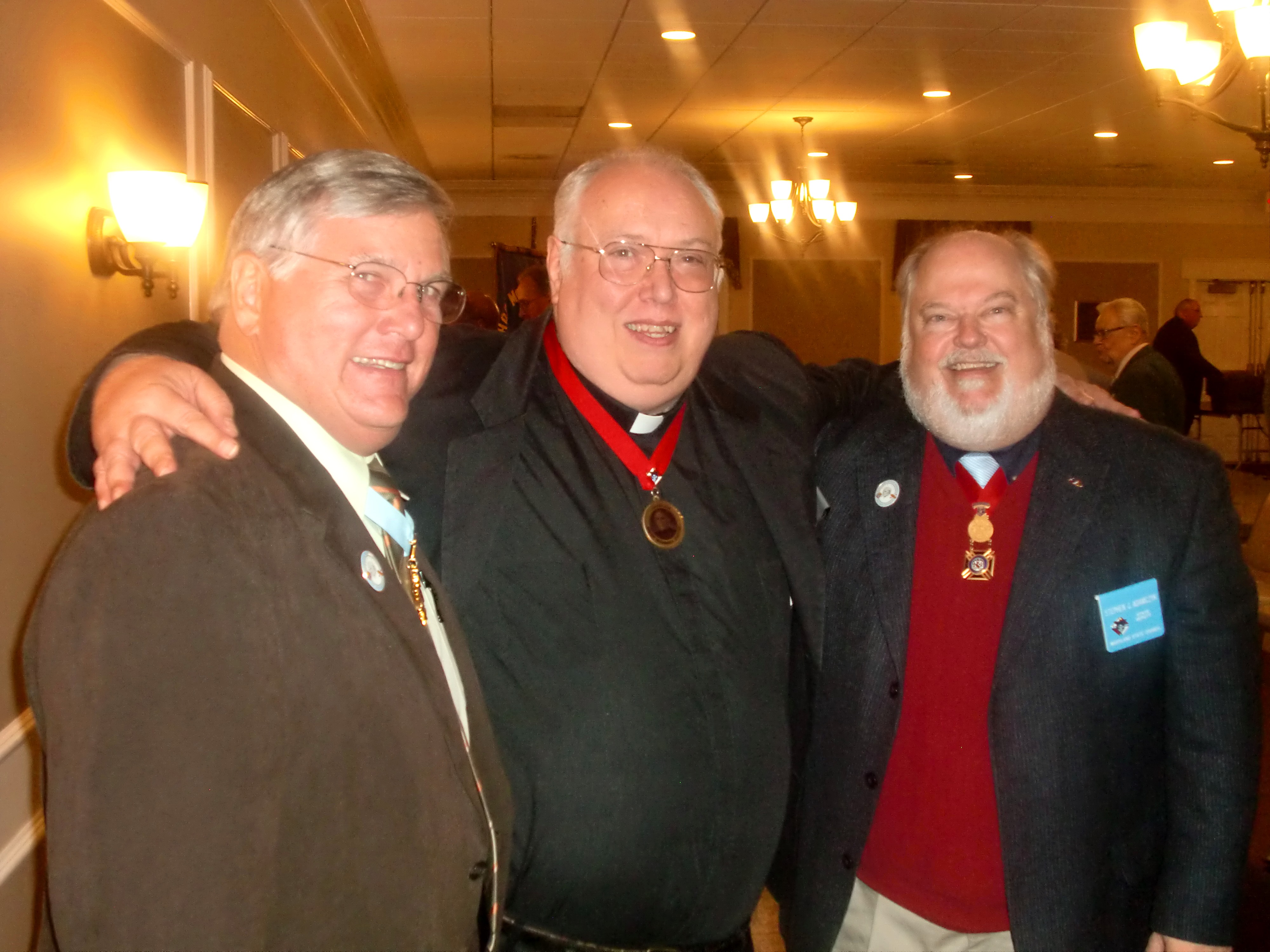
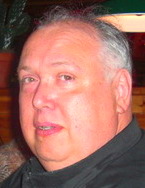
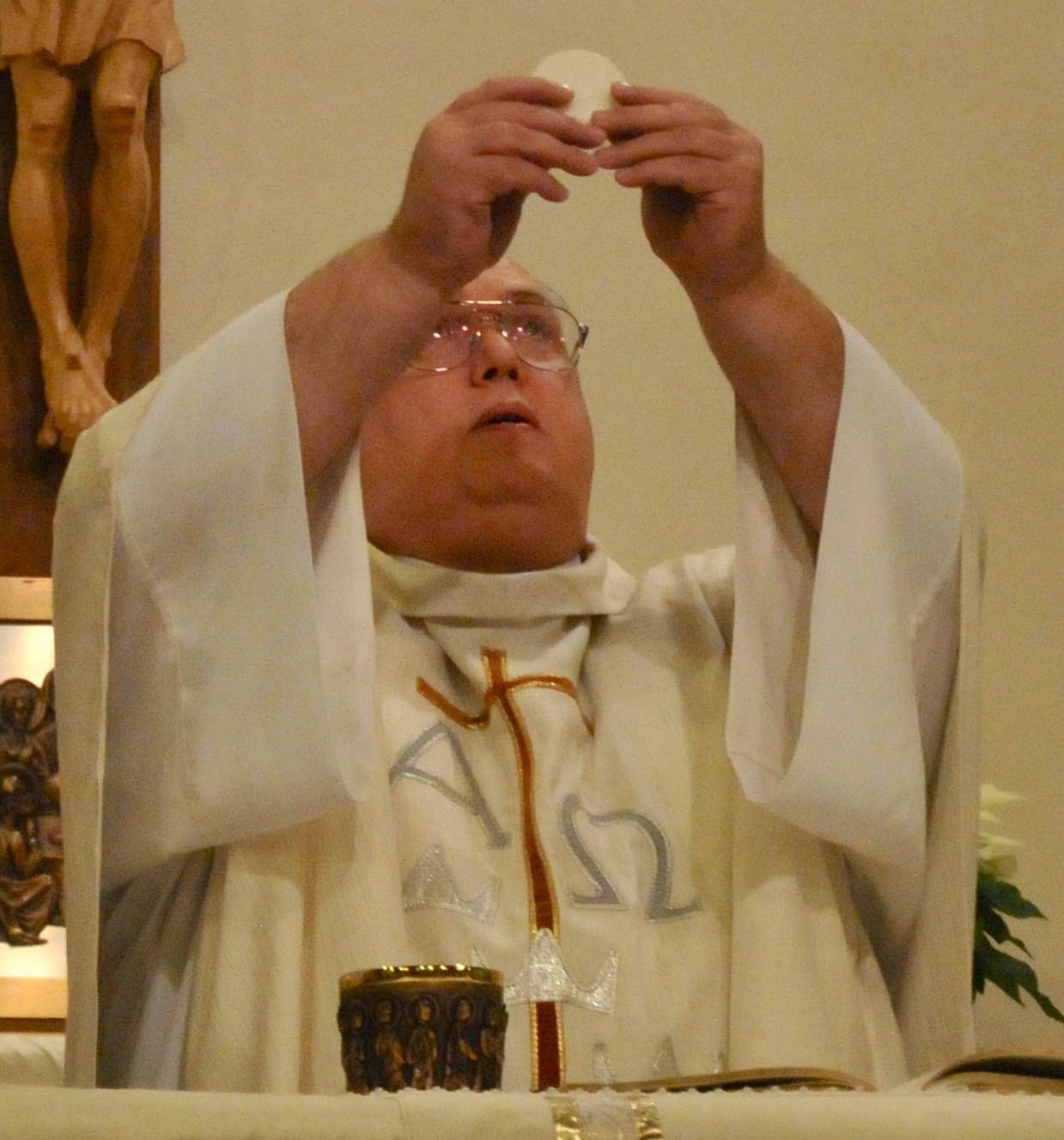
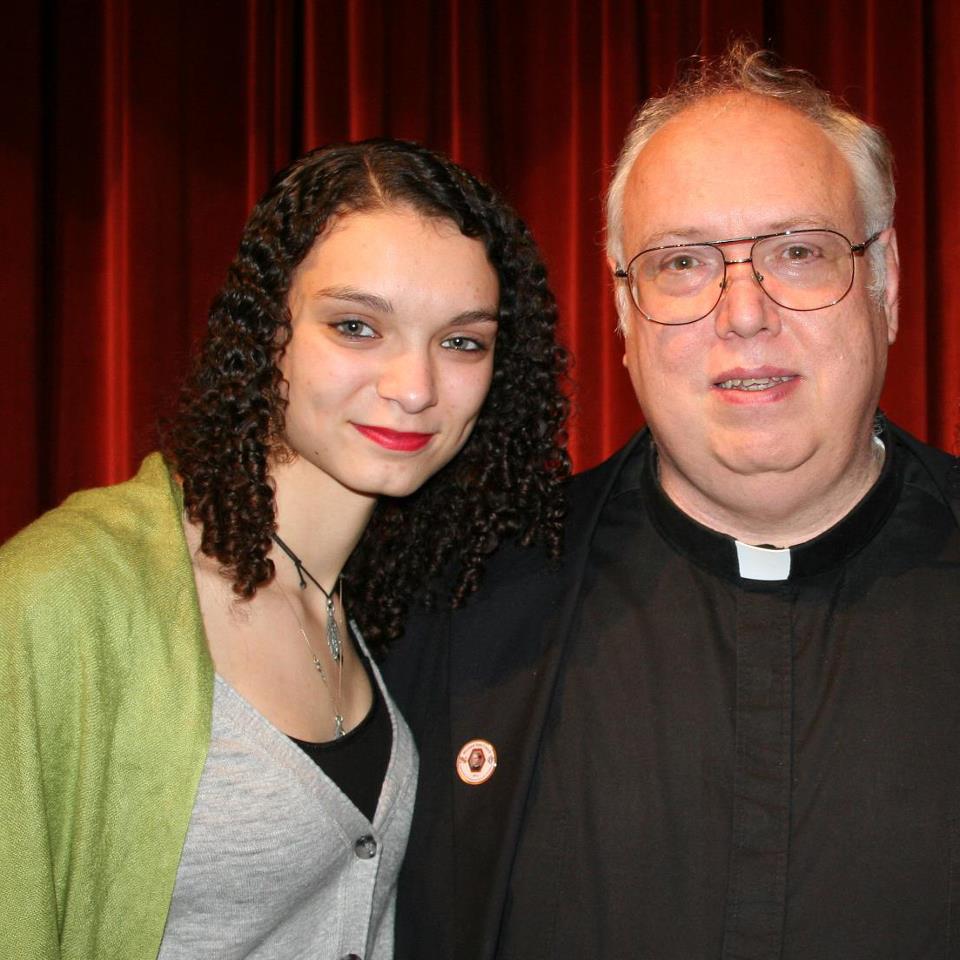
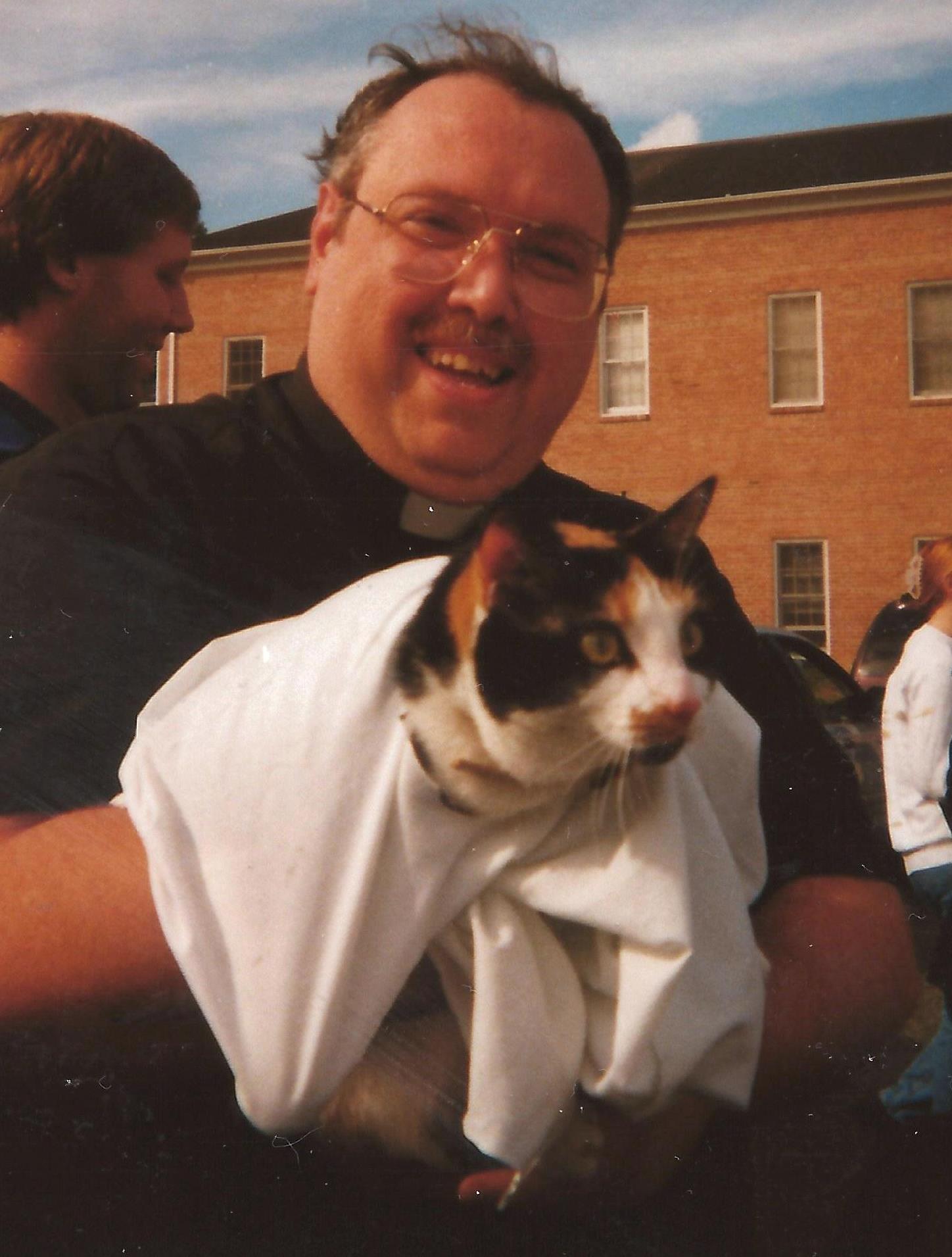
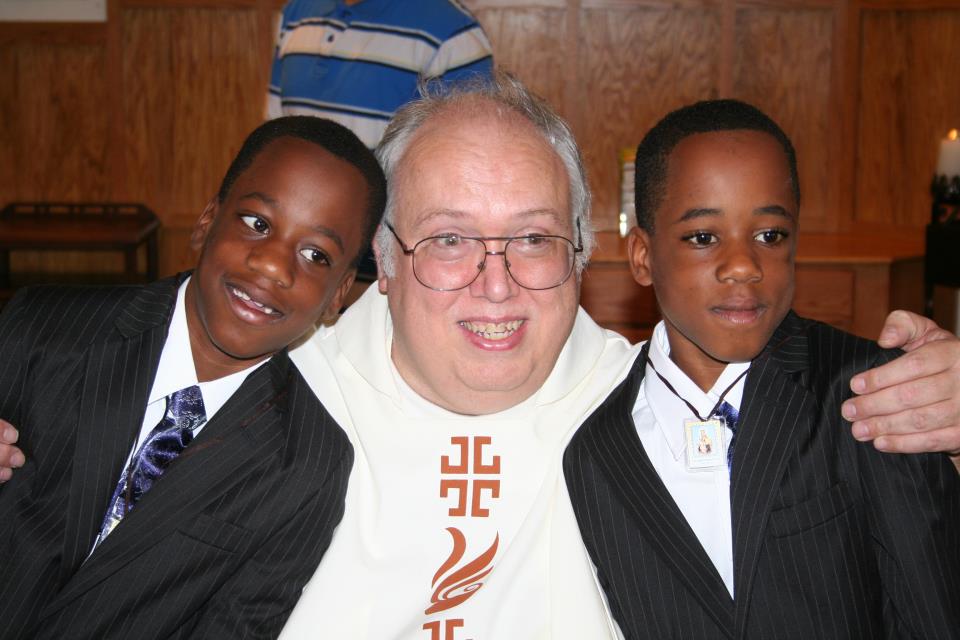
    Fr. Joseph Jenkins

  • The blog header depicts an important and yet mis-understood New Testament scene, Jesus flogging the money-changers out of the temple. I selected it because the faith that gives us consolation can also make us very uncomfortable. Both Divine Mercy and Divine Justice meet in Jesus. Priests are ministers of reconciliation, but never at the cost of truth. In or out of season, we must be courageous in preaching and living out the Gospel of Life. The title of my blog is a play on words, not Flogger Priest but Blogger Priest.

  • Archives

  • Categories

  • Recent Posts

  • Recent Comments

    Barbara King's avatarBarbara King on Ask a Priest
    Ben Kirk's avatarBen Kirk on Ask a Priest
    Jeremy Kok's avatarJeremy Kok on Ask a Priest
    Barbara's avatarBarbara on Ask a Priest
    forsamuraimarket's avatarforsamuraimarket on Ask a Priest

Bishop Schneider’s CREDO #208

I am surprised we are hearing so little upset about Bishop Schneider’s CREDO catechism. He mixes truths with his opinion in ways that can be quite seductive. I want to like his work, but it troubles me.

The truth be said, the Koran does misunderstand the Trinity, substituting the Virgin Mary for the Holy Spirit. Its adherents reject what they do not understand. The cause for the confusion is because the deity and religion of Islam is the result of an incomplete syncretism or amalgamation of beliefs extracted from Judaism, Christianity and the local tribal cults prevalent during Mohammad’s lifetime.

Bishop Schneider answers “no” to his question although it is posed as a negative or “not” query. Remember, English is not his first language. What he really means to say is, “Yes,” we do not share the Trinitarian God in common with Muslims. But, it still seems that he might over-make his case. Our differences are real but must one perfectly understand God in order to honor him?

Again, Bishop Schneider does not hesitate to contradict Pope John Paul II or the Vatican II teaching which he labels “ambiguous.” What he means to say behind tepid language is that the Council is wrong.

Lumen Gentium 16 – “Finally, those who have not yet received the Gospel are related in various ways to the people of God. In the first place we must recall the people to whom the testament and the promises were given and from whom Christ was born according to the flesh. On account of their fathers this people remains most dear to God, for God does not repent of the gifts He makes nor of the calls He issues. But the plan of salvation also includes those who acknowledge the Creator. In the first place amongst these there are the Muslims, who, professing to hold the faith of Abraham, along with us adore the one and merciful God, who on the last day will judge mankind. Nor is God far distant from those who in shadows and images seek the unknown God, for it is He who gives to all men life and breath and all things, and as Savior wills that all men be saved. Those also can attain to salvation who through no fault of their own do not know the Gospel of Christ or His Church, yet sincerely seek God and moved by grace strive by their deeds to do His will as it is known to them through the dictates of conscience. Nor does Divine Providence deny the helps necessary for salvation to those who, without blame on their part, have not yet arrived at an explicit knowledge of God and with His grace strive to live a good life. Whatever good or truth is found amongst them is looked upon by the Church as a preparation for the Gospel. She knows that it is given by Him who enlightens all men so that they may finally have life. But often men, deceived by the Evil One, have become vain in their reasonings and have exchanged the truth of God for a lie, serving the creature rather than the Creator. Or some there are who, living and dying in this world without God, are exposed to final despair. Wherefore to promote the glory of God and procure the salvation of all of these, and mindful of the command of the Lord, ‘Preach the Gospel to every creature,’ the Church fosters the missions with care and attention.”

Bishop Schneider’s CREDO #207

We can certainly make the distinction that both Judaism and Islam signify “natural” religions because of the espousal of one true God. Christianity signifies a “supernatural” religion due to the revelation of this one God as “Trinity.” However, Bishop Schneider grants Islam as a religion no credit on this point. He only admits that an individual Muslim might incidentally or let me interject “accidentally” worship the true God with a natural faith.

While left unsaid at this point, such an assessment would also include the modern Jews. By contrast, many of us were taught that what the Scriptures condemned were those Jewish religious leaders (the Pharisees) who rejected the truth out of malice. However, for many of the Muslims and Jews today the issue is one of ignorance. Despite the apologetics of St. Paul, he never condemned his fellow Jews as idolaters. They worshipped the true God. Bishop Schneider might concede this but then contends that Judaism after the destruction of the temple in 70 AD becomes a distinct religion from what came before. Even though Islam cannot genuinely claim the Hebrew trajectory of faith; he would deny it for Jews as well.

While Jews and Muslims alike call upon Abraham as their father in faith, Bishop Schneider would have us believe that God is deaf to their entreaties. His focus is entirely upon Christians as spiritual children of Abraham.

Bishop Schneider directly contradicts Pope John Paul II who taught in 1999 the following:

“We Christians joyfully recognize the religious values we have in common with Islam. Today I would like to repeat what I said to young Muslims some years ago in Casablanca: ‘We believe in the same God, the one God, the living God, the God who created the world and brings his creatures to their perfection’ (Insegnamenti, VIII/2, [1985], p. 497). The patrimony of revealed texts in the Bible speaks unanimously of the oneness of God. Jesus himself reaffirms it, making Israel’s profession his own: ‘The Lord our God, the Lord is one’ (Mk. 12:29; cf. Dt. 6:4-5). This oneness is also affirmed in the words of praise that spring from the heart of the Apostle Paul: ‘To the king of ages, immortal, invisible, the only God, be honor and glory for ever and ever. Amen'(1 Tm. 1:17).”

Bishop Schneider’s CREDO #205

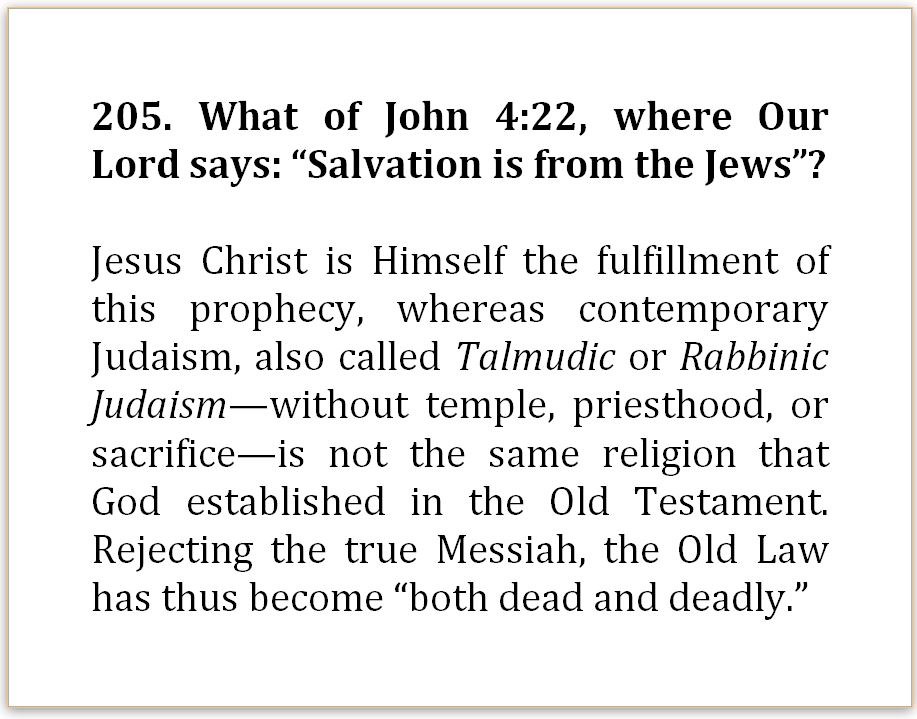
I suspect that Bishop Schneider would never go out of his way to placate the sensibilities of Jews. Here is another quote from his book, CREDO.

I may be wrong, but his take on the subject seems to depart from the revision in the universal catechism:

“To the Jewish people, whom God first chose to hear his Word, ‘belong the sonship, the glory, the covenants, the giving of the law, the worship and the promises; to them belong the patriarchs, and of their race, according to the flesh, is the Christ.’”

The USCCB added:

“The clarification reflects the teaching of the Church that all previous covenants that God made with the Jewish people are fulfilled in Jesus Christ through the new covenant established through his sacrificial death on the cross. Catholics believe that the Jewish people continue to live within the truth of the covenant God made with Abraham, and that God continues to be faithful to them.”

Back in 1986, Pope John Paul II visited a Roman synagogue and stated:

“The Church of Christ discovers her ‘bond’ with Judaism by ‘searching into her own mystery’, (cf. Nostra Aetate, ibid.). The Jewish religion is not ‘extrinsic’ to us, but in a certain way is ‘intrinsic’ to our own religion. With Judaism therefore we have a relationship which we do not have with any other religion. You are our dearly beloved brothers and, in a certain way, it could be said that you are our elder brothers.”

Bishop Schneider’s CREDO #204

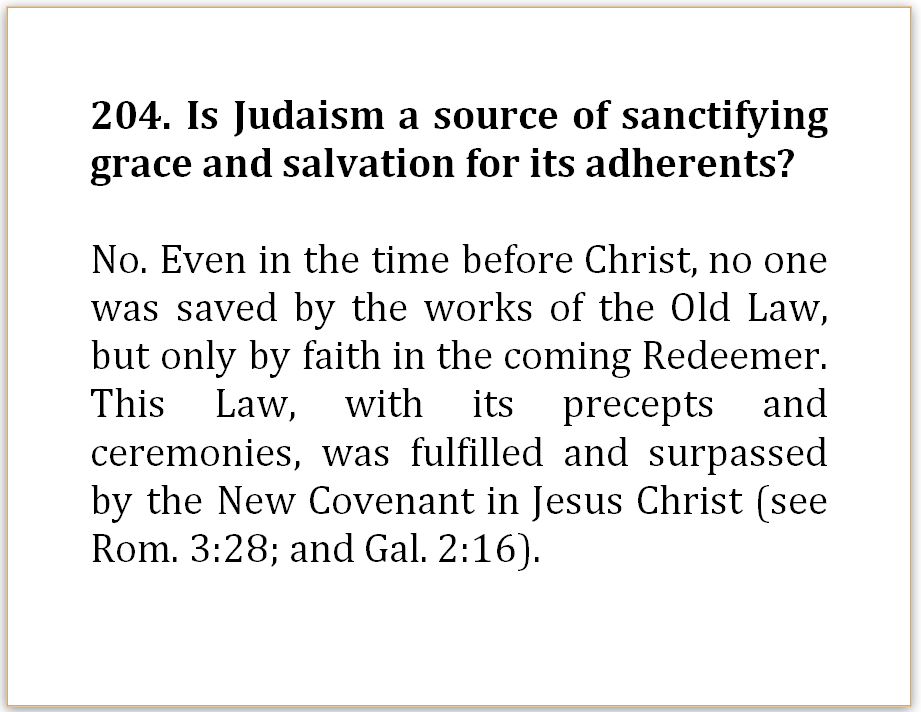
I am rereading the sections of CREDO by Bishop Schneider that should probably become a matter of serious dialogue.

According to Christian faith, it is true that there is one covenant, not two. It is true that we are saved by faith in Jesus Christ and not through the works of the Old Law. Our Lord and the sacraments make possible saving grace. But it is also true that God does not forget his promises or his first people. There is a trajectory of faith that would compel me to question the proposition that Judaism as a religion established by God was utterly terminated with the coming of the Messiah.

Bishop Schneider’s CREDO #156

Despite the quotation made by Bishop Schneider, the assessment of evolution made by the late Pope some seventy-three years ago in 1950 is not reflective of the current evidence that substantiates the development of species. The main points for Catholic teaching remain that God is the Creator, there is intelligent order or design and that while the body my evolve, the soul is immediately infused by God at conception.

Pope John Paul II in 1996 stated at the Pontifical Academy of Sciences that new research revealed that physical evolution was “more than just a theory.” Pope Francis stated in 2014 to this same academy that “God is not… a magician, but the Creator who brought everything to life. Evolution in nature is not inconsistent with the notion of creation, because evolution requires the creation of beings that evolve.”

Bishop Schneider’s CREDO #96

Bishop Schneider targets Vatican II with one of many statements about Christian anthropology.

First, one might legitimately claim that man is the center of creation. Adam names the animals and he is explicitly given dominion over what God has made. Within the hierarchy of being, he may be below the angels but he is above the rocks, plants and animals.

Second, even his status vis-à-vis the angels will be adjusted given that the eternal Word will take flesh and enter the human family. This is important because God or the eternal Word is also at the center of all things, the very plan for all creation. Well, you cannot have two centers so they become one in Jesus Christ.

Third, while the words “image” and “likeness” are sometimes used as synonyms, I favor the distinction of the former (image) pointing to our common human nature (although fallen) and the latter (likeness) referencing our supernatural and spiritual transformation through grace. The restoration in Christ builds upon and perfects our humanity. We are remade more than we were before. A fallen and estranged humanity is healed and brought back home to the Father. While creatures, we are divinized by grace.

Fourth, I suspect what the good bishop means to communicate when he says that man is not made for his own sake is that we are not our own. We have been made for God. God made us as the one material creature that could truly know him and enter into a relationship of love with him. We hear echoes of the children’s catechism . . . “to know him, to love him, to serve him and to give him glory here on earth and forever in heaven.” God has created us (with self-reflective awareness) to know him and to love him back in return. That grants us a unique place in the material created order.

The universal catechism goes on to relate that everything is created for man (humanity is the steward of creation) and that the mystery of mankind only becomes clear in the mystery of the incarnate Word. Reflecting Pope John Paul’s teaching on human solidarity and love, the catechism relates that it is readily assumed that in our common humanity we are all brothers and sisters.

The universal catechism elaborates in CCC #356 and #357:

CCC 356 – “Of all visible creatures only man is ‘able to know and love his creator’ (GS 12 � 3). He is ‘the only creature on earth that God has willed for its own sake,’ (GS 24 � 3) and he alone is called to share, by knowledge and love, in God’s own life. It was for this end that he was created, and this is the fundamental reason for his dignity: ‘What made you establish man in so great a dignity? Certainly the incalculable love by which you have looked on your creature in yourself! You are taken with love for her; for by love indeed you created her, by love you have given her a being capable of tasting your eternal Good’” (St. Catherine of Siena, Dialogue 4,13 “On Divine Providence”: LH, Sunday, week 19, OR).

CCC 357 – “Being in the image of God the human individual possesses the dignity of a person, who is not just something, but someone. He is capable of self-knowledge, of self-possession and of freely giving himself and entering into communion with other persons. And he is called by grace to a covenant with his Creator, to offer him a response of faith and love that no other creature can give in his stead.”

We read in the Vatican II document: “Indeed, the Lord Jesus, when He prayed to the Father, ‘that all may be one. . . as we are one’ (John 17:21-22) opened up vistas closed to human reason, for He implied a certain likeness between the union of the divine Persons, and the unity of God’s sons in truth and charity. This likeness reveals that man, who is the only creature on earth which God willed for itself, cannot fully find himself except through a sincere gift of himself (Cf. 2 Cor. 5:15).”

Signs of the Times: Anti-Christ & Christ

Given the many things that are happening today, especially the reversal of values, I have been wondering if we might truly be entering the End Times that must come prior to the Second Coming of Christ. Far from being a symptom of mental instability or fanaticism, it is the duty of believers to be watchful regarding the signs of the times. More worrisome is the fact that many Christians seem dismissive of the Lord’s promise to return. 

2 Thessalonians 2:1-12: “We ask you, brothers, with regard to the coming of our Lord Jesus Christ and our assembling with him, not to be shaken out of your minds suddenly, or to be alarmed either by a “spirit,” or by an oral statement, or by a letter allegedly from us to the effect that the day of the Lord is at hand. Let no one deceive you in any way. For unless the apostasy comes first and the lawless one is revealed, the one doomed to perdition, who opposes and exalts himself above every so-called god and object of worship, so as to seat himself in the temple of God, claiming that he is a god— do you not recall that while I was still with you I told you these things? And now you know what is restraining, that he may be revealed in his time. For the mystery of lawlessness is already at work. But the one who restrains is to do so only for the present, until he is removed from the scene. And then the lawless one will be revealed, whom the Lord Jesus will kill with the breath of his mouth and render powerless by the manifestation of his coming, the one whose coming springs from the power of Satan in every mighty deed and in signs and wonders that lie, and in every wicked deceit for those who are perishing because they have not accepted the love of truth so that they may be saved. Therefore, God is sending them a deceiving power so that they may believe the lie, that all who have not believed the truth but have approved wrongdoing may be condemned.”

The evangelicals have a peculiar fascination with an imagined rapture when we should all be seeking the remnant who might yet be saved. It pains me that Catholics are quick to embrace the secularity and new paganism of our times, condemning those who abide by Scripture and Tradition as radicals on the fringes.

There is a divine order about which we should be mindful.  Our Lord’s first coming is heralded by John the Baptist, first in the womb of Elizabeth and later in the Jordan River which he made a womb for repentance for sinful men and one of revelation for Christ. Note that John as the prophet of the Lord was confused by many with the coming Messiah. Similarly, the one who will precede the return of Christ will also be confused with our Savior. However, where John humbly professed his unworthiness and pointed in truth to Christ; this new harbinger will be a false prophet who will wrongly usurp the honor of God. Instead of a friend, this time an enemy comes, not to make ready the way of the Lord, but to block the path and to plant an errant detour.  His symbol will not be the fruitful womb but the barren one. I suspect that is why advocates today are rabid in their defense of contraception and in enabling the abortion of children throughout all nine months of pregnancy. Our Lord speaks to this sign of the last days while on his way to Calvary.  Meeting the women of Jerusalem, he says,

“Daughters of Jerusalem, do not weep for me; weep instead for yourselves and for your children, for indeed, the days are coming when people will say, ‘Blessed are the barren, the wombs that never bore and the breasts that never nursed.’ At that time people will say to the mountains, ‘Fall upon us!’ and to the hills, ‘Cover us!’ for if these things are done when the wood is green what will happen when it is dry?” (Luke 23:28-31).

There is much conjecture about the man of sin. Given that he is prefigured by Nero and the wicked emperors of old Rome, many suppose he will be a great world leader.  He may even verbally profess Christ but his words will poorly disguise a shallow truth that he is in league with Satan.  He will persecute the Church or at least those who remain genuine believers in the faith.  Basic values of right and wrong will be turned on their head and distorted. There will be a vast persecution of the saints by the anti-Christ. As in the pagan oblations of old, the demons will demand to be fed and while they can sustain themselves on the lost souls of the wicked, they delight in the blood of the innocent as a sweet dessert.      

The Nature of Man Remains the Same

When dealing with the possibility (or rather impossibility) of rewriting Catholic moral teaching, another qualification that I would insist upon would be in the area of Christian anthropology. While we might come to a deeper understanding of what constitutes man, our basic human nature as fallen remains the same.  This is the case despite the irrationality that masquerades as enlightenment in science and the humanities. Homosexuality is disorientation and any subsequent acts violate both divine positive law and natural law.  There are two genders and all else is just a matter of dysphoria.  Marriage is between a man and woman and the marital act must be directed to the fidelity of their union and to the generation of new human life. The sins of fornication, adultery and same-sex intimacies cannot be excused as irregular unions.  They are forbidden, always and everywhere— case closed.  Sexual sins always constitute mortal matter even if culpability can be subjectively mitigated. Why is this? It has to do with the blatant fact that we are our bodies (spiritual-corporeal composites).  Misuse of the sexual faculties is an abuse of oneself and of others with whom relationships are formed. 

Dissenters will Be Disappointed

Many are projecting or lobbying for a change in the Church’s attitude toward homosexuality, however a passive toleration and support for decriminalization is probably the most for which dissenters can hope. Anything more would constitute heresy. Marriage as a natural bond and sacrament between a man and a woman can never be extended to same-sex unions.

The Church can also never turn a blind eye to the sins of fornication and adultery. Similarly, there is no way the Church can retract its teachings in defense of the right to life, no matter how enthusiastically she might applaud the rights of women.

Pope Francis has made inroads into satisfying those who are concerned about the environment, but such must always focus on the place of humanity first and on human stewardship of creation. It would constitute a false religion to divinize nature. Indeed, it would constitute the heresy of pantheism. Such is why orthodox voices were quick to criticize the Amazonian Pacha Mama or Mother Nature. Those who sought to appropriate the Mother of God within the iconography and cult risked distorting Our Lady from a blessed creature into goddess signified by a pagan idol. (I do not think this was ever the intent of the Vatican but rather it was a concession of respect that got out of hand.)      

Infinite Deities for Infinite Worlds?

QUESTION

I have been pondering a question about God. If the scientific theory that infinite realities exist beyond the space-time continuum is correct, does that mean there are infinite gods, one for each reality, or does it mean there is only one God above all infinite realities?

RESPONSE

First, the notion of infinite realities is conjecture and the mathematics of the various string theories posit eleven dimensions at last reckoning. The truth be told, there is no certainty about such matters and the universe we know may be all there is.

Second, regardless of the makeup of reality, it is all created by one omnipotent God who sustains the entire created order, both the material (seen) and the spiritual (unseen). God is self-existing and the source of order and life. Created things are dependent upon him and participate or have a small share in his perfections. As the divine author, God is outside of space and time.