• Our Blogger

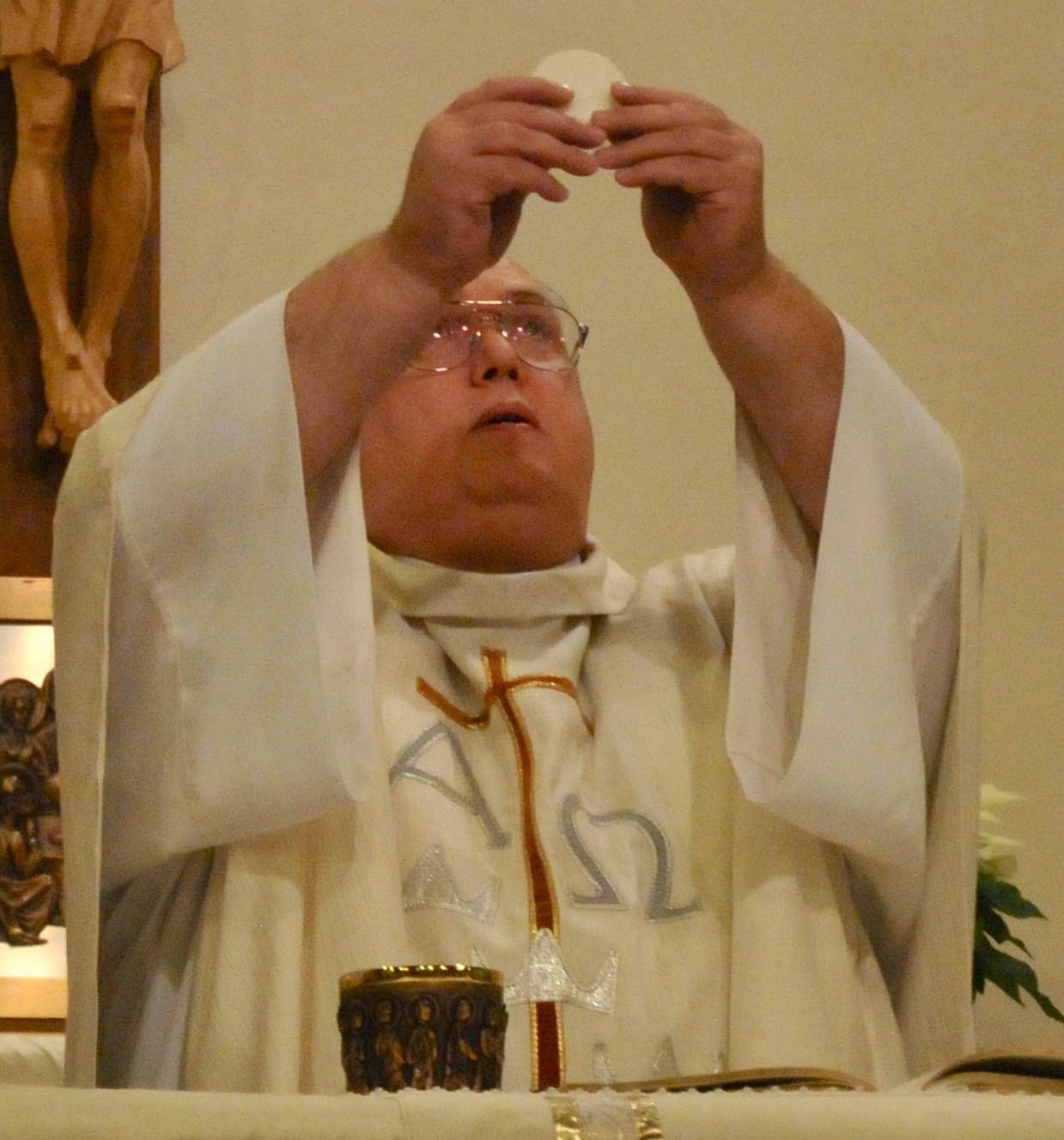
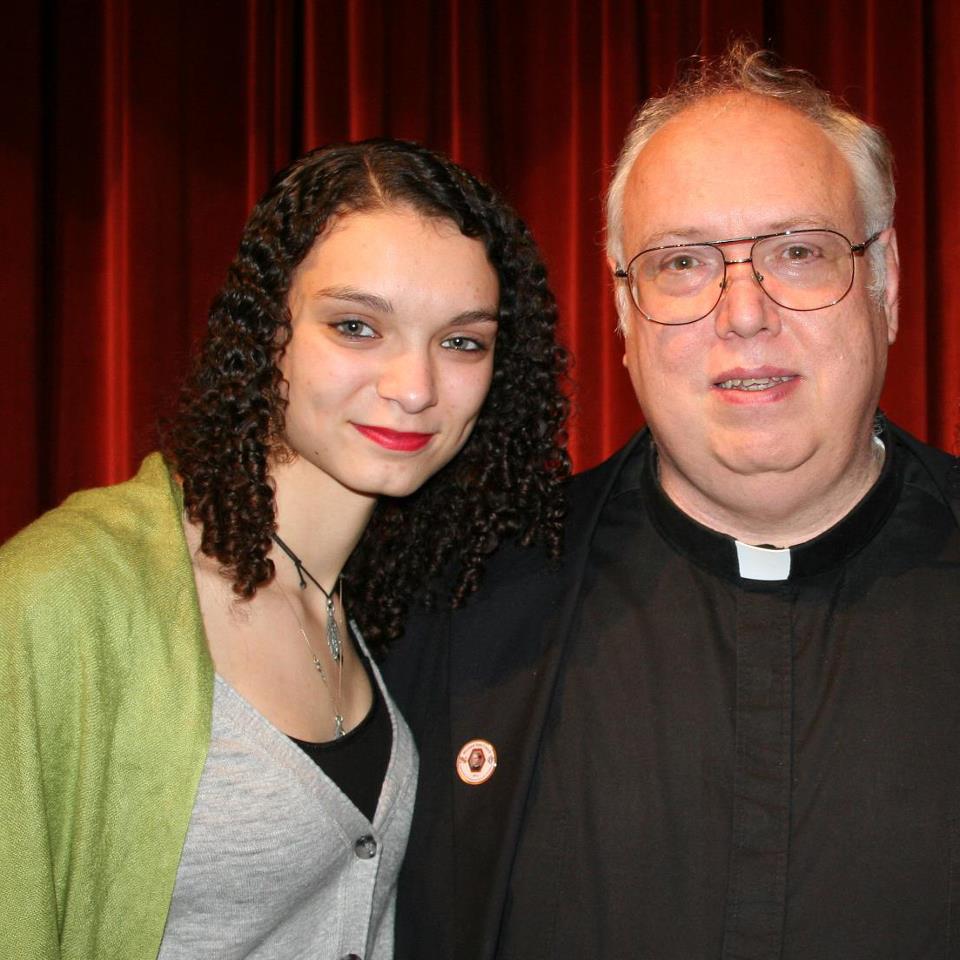
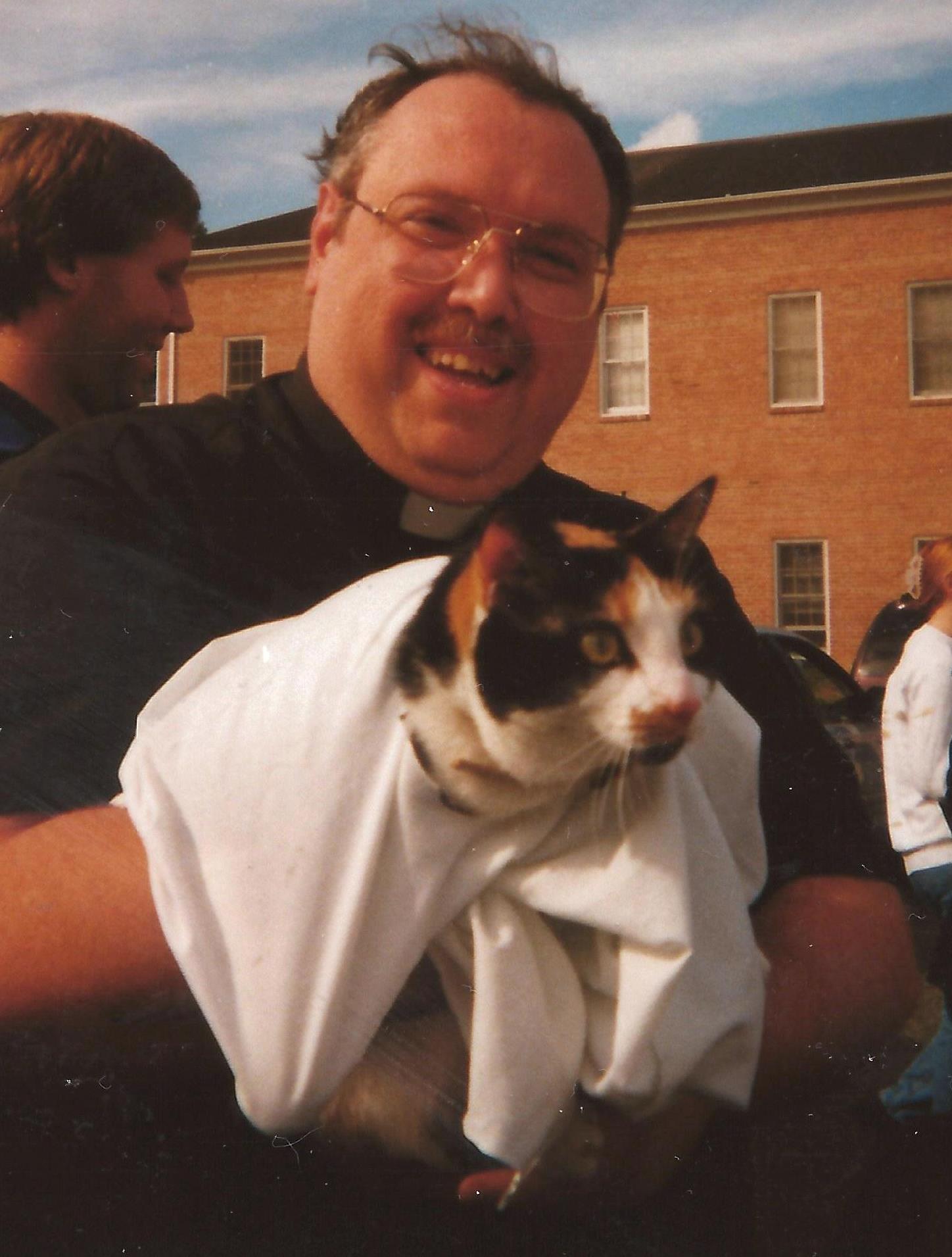
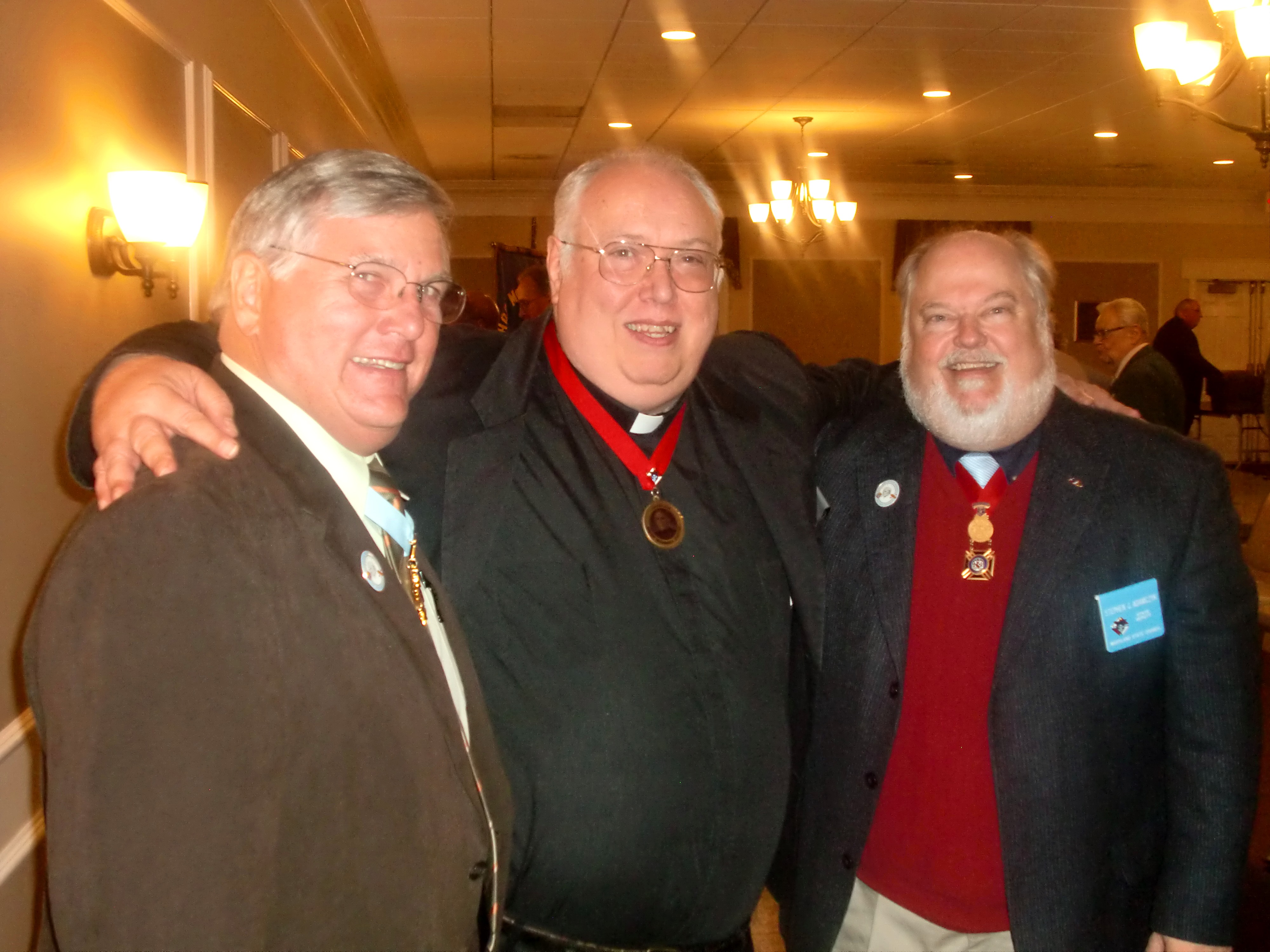
    Fr. Joseph Jenkins

  • The blog header depicts an important and yet mis-understood New Testament scene, Jesus flogging the money-changers out of the temple. I selected it because the faith that gives us consolation can also make us very uncomfortable. Both Divine Mercy and Divine Justice meet in Jesus. Priests are ministers of reconciliation, but never at the cost of truth. In or out of season, we must be courageous in preaching and living out the Gospel of Life. The title of my blog is a play on words, not Flogger Priest but Blogger Priest.

  • Archives

  • Categories

  • Recent Posts

  • Recent Comments

    Barbara King's avatarBarbara King on Ask a Priest
    Ben Kirk's avatarBen Kirk on Ask a Priest
    Jeremy Kok's avatarJeremy Kok on Ask a Priest
    Barbara's avatarBarbara on Ask a Priest
    forsamuraimarket's avatarforsamuraimarket on Ask a Priest

Thursday of the Fourth Week in Ordinary Time

[326] 1 Heb 12:18-19, 21-24 / Ps 48 / Mk 6:7-13

St. Paul distinguishes between the encounter of God through Moses with that which is made manifest in Jesus Christ. While the promise was given for God’s favor and a land of their own; Jesus gives us true freedom and a share in the heavenly Jerusalem. One vision is earthbound, the other is spiritual and about a royal kingdom that will never end. God surprised and frightened his Chosen People, and they listened because they were “terrified.” But Jesus does not hide the face of God behind “blazing fire” and “trumpet blast” but reveals him with a human face and behind something as ordinary and mundane as bread and wine. Christ offers us a share in his life. We are made citizens of the heavenly kingdom. The promise of old is fulfilled in Christ and his blood. He is the Mediator between heaven and earth. The responsorial carries this theme forward and, of course, we understand that the old Jerusalem is only a figure for the New Zion, the heavenly kingdom of God. That kingdom breaks into our world first through the person of Christ and now through the Church.

Just as in our Gospel, our Lord makes us heralds of his kingdom, preaching repentance, driving out demons, and anointing and curing the sick. The old world and the old ways must pass away and make room for the new. Empowered and moved by divine grace, the Church is still dedicated to the ministry of reconciliation and healing. She still seeks to root out evil and supplant it with the goodness of God.

Memorial of Saint Paul Miki and Companions, Martyrs

[325] 1 Heb 12:4-7, 11-15 / Ps 103:1-2, 13-14, 17-18a / Mk 6:1-6

St. Paul would admonish us that we have not tried as hard as we should to avoid sin. If the martyrs could offer up their blood in fidelity, then can we not live virtuously in Christ? God loves us but this love does not mean that God tolerates everything we do or is pleased by the things we should do, but fail to do. The law of God should not be viewed as only a burden but also as an opportunity. We are tested precisely because God loves us and wants us to have an opportunity to demonstrate our love for him in return. If we are punished or find the tasks set before us arduous, it is so that our spiritual perfection might begin now. If God did not care about us, then he would have not bothered to give us his law or his Son. God calls us as his children and the family of God should be a place of healing, strengthening and support in holiness. This links up nicely with our psalm: “The Lord’s kindness is everlasting to those who fear him. As a father has compassion on his children, so the LORD has compassion on those who fear him.” People who thought they knew Jesus, repudiated and conspired against him when he spoke in the synagogue. They should have had hearts open to the Lord and supportive of one another. Let us pray that when we meet the Lord, he will not be amazed at “our” lack of faith or poor discipleship.

St. Paul Miki and his 25 companions were stabbed to death with lances on Feb. 5, 1597, at the site that became known as “Martyrs’ Hill.” Pope Pius IX canonized the Martyrs of Nagasaki in 1862.

Twenty-sixth Sunday in Ordinary Time

[137] Numbers 11:25-29 / Psalm 19:8, 10, 12-13, 14 / James 5:1-6 / Mark 9:38-43, 45, 47-48

While the first reading last week was prophetic about the coming of the Christ, this week the reading foretells something of the Church that will be established by our Lord. When critics are jealous that the “spirit” of God has led some outside the designated number to prophesy, Moses answers, “Would that all the people of the LORD were prophets! Would that the LORD might bestow his spirit on them all!” You might ask, how is the hope of Moses realized in the Church?

First, when baptized, a Christian becomes a temple of the Holy Spirit. In Confirmation, we are given a fuller share in that Spirit. We are commissioned to proclaim the Good News. The Spirit of God breathes life into us and implants the gift of faith. All the sacraments are given their efficacy by the Holy Spirit.

Second, by definition, every Catholic is charismatic. Every believer is a Spirit-filled prophet of the Lord. When a child is baptized, he or she is anointed and the priest or deacon prays, “As Christ was anointed Priest, PROPHET, and King, so may you live always as a member of his body, sharing everlasting life.” The Catholic community of faith is that nation of prophets for which Moses longed. We have nothing that is not given us by God. We belong to him and are to be about his business, giving him glory in all things.

Third, when we think of prophets the popular mindset is of people who can foretell the future. While this is certainly part of it, the better definition of a prophet is that he is one who tells the truth. Christ was the one acclaimed as the Way and the TRUTH and the Life. Remade into God’s image and in the likeness of Christ, we are to communicate God’s Word to a waiting and sometimes resistant world.

Fourth, a prophet must be imbued with courage because he stands as a sign of contradiction to a world that does not know God and sometimes does not want to know. When we look at the long line of biblical prophets, we see men and women who often suffered much, even from their own, because of the truths they espoused. It is easier to compromise and to “go with the flow.” It is always harder to swim against the tide of indifference and sin. Following Jesus, we can expect a share in his Cross. Speaking to how we reject the prophets in our midst, James writes in the second reading, “You have condemned; you have murdered the righteous one; he offers you no resistance.” Nevertheless, this pattern can be turned around in Christ. There is hope.

Fifth, are we genuine prophets or false prophets? James also speaks about this, challenging his listeners regarding that which they most treasure and how they treat the worker in regard to his just wages. Like Christ’s threats of Gehenna, he is critical of those who oppress others, writing, “Gold and silver have corroded, and that corrosion will be a testimony against you; it will devour your flesh like a fire.” We need to ask important questions of ourselves. Are we the nation of prophets we were called to be? Do we belong to God or does someone or something else own us? Do we believe “in my country, right or wrong,” or would we try to make it right? Do we put a higher premium upon peace and toleration than truth and virtue? Do we belong MORE to the Republican or Democrat Party than to God and his Church? Does work and play take precedence over the Lord? Are we the same Christians at work and home that we claim to be in the pew at Mass? How committed are we to justice, civil rights, religious liberty, and the sanctity of life? Do we pray and worship as if God is really listening? Do we sense God moving us to prayer and witness? Have we opened the windows of our souls to his energetic presence?

Notice in the reading that the Spirit of God was mediated. We read, “The LORD came down in the cloud and spoke to Moses. Taking some of the spirit that was on Moses, the LORD bestowed it on the seventy elders; and as the spirit came to rest on them, they prophesied.” This reminds me of the story where Peter encounters a crippled man at the gate of the temple, “Peter said, ‘I have neither silver nor gold, but what I do have I give you: in the name of Jesus Christ the Nazorean, rise and walk.’ Then Peter took him by the right hand and raised him up, and immediately his feet and ankles grew strong. He leaped up, stood, and walked around, and went into the temple with them, walking and jumping and praising God” (Acts 3:6-8). He in turn would witness by his actions to the power of God in his life. Christ has extended something of himself, his spirit, upon those who believe in him. Through the sacraments of initiation, he literally gives a share in his life. We become adopted sons and daughters to the Father. Through the ordination of his apostles as the first bishop-priests, he gave us the Eucharist and the ministry of reconciliation. Never before had God given such authority to men. Through apostolic succession, this wondrous SPIRIT is passed on from generation to generation and around the world. We are given different gifts, but all share of the same source, the same Spirit.

As with our Lord’s disciples, a few of the elders were jealous that two outside their number were touched by God’s power. But the Spirit of God cannot be contained and God works where he wills. I suppose this is a good reminder never to blaspheme or curse against the Holy Spirit when we find him active outside our ranks or in unexpected persons, places or things. Certainly it is a prime motivation for ecumenism after Vatican II.

The responsorial psalm alerts us that the message of a prophet always has substance. We do not follow vague platitudes. God has shown us his love by giving us his law or commandments. The prophet exhorts others, through word and witness, to fidelity. We must be obedient stewards of God. Of course, if our role as prophets is to be genuine then we must do all we can to root out hypocrisy. The psalm states, “Though your servant is careful of them (the ordinances of God), very diligent in keeping them, yet who can detect failings? Cleanse me from my unknown faults! From wanton sin especially, restrain your servant; let it not rule over me. Then shall I be blameless and innocent of serious sin.” The attached response was, “The precepts of the Lord give joy to the heart.” When we sang the verse, were we telling the truth? Does God’s law give us joy or do we fight against it? By the way, this means in every place, from the bedroom to the voter’s booth at election time. It includes the things we do in public and in secret.

The Gospel has Jesus employing Hebraic hyperbole to emphasize the severity of sin. Nothing should be done to harm faith. Jesus says, “Whoever causes one of these little ones who believe in me to sin, it would be better for him if a great millstone were put around his neck and he were thrown into the sea.” As with the elders and Moses, the disciples complained to Jesus about one outside their number who was used by God. He exorcised demons in Jesus’ name. Our Lord rebukes them for this and says, “Anyone who gives you a cup of water to drink because you belong to Christ, amen, I say to you, will surely not lose his reward.” Love of God and charity toward neighbor are the most essential traits of a Christian prophet.

Twenty-fifth Sunday in Ordinary Time

[134] 1 Wisdom 2:12, 17-20 / Psalm 54:3-4, 5, 6 and 8 / 2 James 3:16-4:3 / Mk 9:30-37

The first reading is prophetic in regards to the coming Messiah, but the posture of testing God is not something new. The wicked would always seek to put up roadblocks to the Lord and his saving works. Traitors within the ranks of the covenant people fought and even killed the prophets. This is in marked contrast to the humility of a disciple who embraces divine providence and seeks to make a straight path for the Lord. The reading unveils the deceit of evil. There is no discernment of spirits; rather, they have already made up their minds.

They hate the just or righteous one because he is everything they are not. Notice today, there are critics who malign the late Mother Teresa and the Popes. If you Google priests, you will find hundreds of links about scandal and crime, but little about the thousands who have been obedient to God and loving of their people. Believers are ridiculed as hypocrites and yet little is said about the works of justice and charity that millions of the faithful make possible. Those who criticize us would not lift a finger to help others unless there is something in it for themselves. Each of us is to be a new Christ in bringing truth, healing and forgiveness to others. We see Jesus in the oppressed, the poor, the wounded, the alone and the unborn. We are not social workers. Rather, in us is realized Christ ministering to Christ.

The enemies of heaven will not allow God or his messengers to tell them what to do or to honestly expose their sins. Here too believers are castigated as hate-mongers or out-of-touch because we stress purity before marriage and regard marriage as a natural institution between a man and woman. They deny the wrong of their ways and then seek to compel believers to accept their deviancy and/or transgressions as lawful. While sin might be tolerated, the beliefs and discipleship of Christians is given little quarter. Indeed, even the government now attacks religious liberty. The Church can preach what it wants inside the church doors, at least for now, but outside those doors we will be compelled to compromise our values, as with the HHS forced-funding of contraceptives, abortifacients and sterilization. Instead of admitting that the unborn man or woman has a God-given right to life, the powers-that-be would make the Church accessories to their murder.

The wicked in Scripture argue, “With revilement and torture let us put the just one to the test that we may have proof of his gentleness and try his patience. Let us condemn him to a shameful death; for according to his own words, God will take care of him.” This is certainly the plight of Jesus Christ. While such a sentence might not befall us, there are places in the world today where Catholics still face the prospect of torture and death for their beliefs. Here we may endure public recrimination from the media and political figures, hefty fines, imprisonment and the closure of Catholic operations: schools, charities and hospitals.

Despite the mockery and faithlessness of the wicked, we have every confidence that God will never abandon his stewards. Whatever comes, we will take up our crosses and walk with the Lord. Man is not the measure of all things; instead, it is the God who made us and sets up the parameters of our existence and obedience.

The responsorial psalm gives voice to our confidence: “The Lord upholds my life. Behold, God is my helper; the Lord sustains my life. Freely will I offer you sacrifice; I will praise your name, O LORD, for its goodness.” I am reminded of a priest-friend who prayed this psalm with courage when he was arrested, not for violence or theft, but for saying his rosary outside an abortion clinic. They said he was blocking free access. He went to jail. The archbishop at that time said that we had permission to get arrested, but that we had to be bailed out for Sunday Mass. Most of us were afraid to take matters this far. We backed away. But he was filled with the Spirit of God and was dragged away and placed behind bars. The guards took away his breviary prayer book and rosary beads. He found out later that a woman coming to the clinic saw his arrest and turned around. She would credit his sacrifice with saving the life of her daughter.

If only we could truly live in right relationship with God and neighbor. The second reading is almost a lament of the human condition. We are self-seeking and rationalize our faults while we should be generous and repentant of wrongs. We attack those who would open our eyes to the truth. Our society is one where passions run amuck, nature is assaulted and foul practices abound. I grieve that our children should be exposed to such corruption. Do I over-make my case? Notice the vulgarity in music, film, television, books and the internet. More couples cohabitate than are married. Half of all marriages fail and adultery is the frequent cause. There is also a basic dishonesty where many people steal if they think they can get away with it. Fertility is treated as a disease and the unborn child is disposed of as a cancer. What can come of a society that treats a blessing as a curse? What becomes of a civilization where a curse or depravity is elevated to a civil right?

The Gospel reading has Jesus telling his friends precisely what is going to happen: “The Son of Man is to be handed over to men and they will kill him, and three days after his death the Son of Man will rise.” Nevertheless, we are told his listeners did not understand and were fearful about asking questions. Instead, they ended up arguing about who among them was the greatest. While we cannot know for sure what emotions this precipitated in Jesus, I would suspect that he was tremendously disappointed. They still did not understand— either the cost of his mission or their personal cost in following him. In response, Jesus singles out a child, places his arms around him or her, and says, “Whoever receives one child such as this in my name, receives me; and whoever receives me, receives not me but the One who sent me.” Our Lord took the least among them and singled out a child as the greatest of all. The apostles and disciples are not the masters of the kingdom, but its servants. They and those who would come after them were called to sacrifice personal ambitions for the sake of the kingdom— particularly the voiceless and marginalized. We still remember the child, both in our schools and in the womb. It is for this reason that true believers are a sign of contradiction in the world. We speak up for the rights and dignity of those who cannot speak for themselves. We proclaim the truth and hand down the values given us to each subsequent generation, both in and out of season.

Preaching, the Liturgy & the Faith

Why Does the Fire Go Out?

People have their reasons, but there is no good reason for leaving the Church. The majority in the area where I reside are probably Baptist and/or Evangelical. Some of these communities target Catholics and many Catholics marry non-Catholics. Not understanding their own tradition, many Catholics are inordinately moved by the music and preaching in Protestant churches. Catholic reformed rituals might not be regarded as very entertaining. Much of the music we sing is criticized as trite and unmoving. When we borrow Protestant hymns or sing Gospel, it is usually a pale imitation of what our separated brethren have to offer. Music enshrines preaching. Particularly in the African-American community, services can go hours. The importance of the minister is measured by his musicality and his effectiveness as a preacher. Our gravity is upon the formulae of liturgy, not upon preaching.

Masolino_Peter_Preaching2

Preachers and Priests, No Comparison?

Many priests were trained to keep homilies or sermons to ten minutes or less. That is about the length of two or three MTV videos. Time-wise, it cannot compare to the formation of the media or to the teaching sermons of our separated-brethren. I knew one old man who went to Mass on Saturday night and to his wife’s Baptist church on Sunday. He told me that he went to Mass for Holy Communion and to the Protestant church for good preaching. This is a rather sad state of affairs. Are we fully feeding our people? Preaching outside the Catholic Church may be dynamic and meaningful; however, it is also fraught with religious error.

Sermons or Homilies?

I recall from preaching seminars that the priest should offer a homily based upon the Scriptures of the day. This focus was understandable but I found the focus too narrow and absolutist. The priest or deacon can preach upon the readings, the liturgical prayers themselves, upon the feast or memorial, or upon what his people (at that time and place) need to hear. I had a vigorous dispute with a liturgist when I suggested catechetical sermons. It was and remains a contention of mine that many people stray to other faith communities because they really do not understand Catholicism and the full significance of the Eucharist.

Can Father Talk Too Long?

How long should the priest or deacon preach? This depends upon many factors:

1. What is the type of liturgy?

2. What has to be said to make the message worthwhile?

3. What is the capacity in patience and in comprehension of the listeners?

Given that Catholic sermons are usually shorter than Protestant counterparts, the priest might be able to amplify his instruction by linking his sermons from week to week. He can also use the parish bulletin, special adult education and bible study, and invite people to use the cycle of readings themselves with missals they can take home. If people look at the readings before Mass, their experience will not be cold when the priest or deacon speaks about them. Instead of merely thinking about what Protestants have that we don’t, let us utilize our own strengths, the missal and the cycle of predetermined readings.

Catholics might also do well to getting used to longer liturgies. Of course, this runs counter to the Roman Rite tradition, known for being curter and more to the point than Eastern Rite liturgies and certain Evangelical Protestant services. There is a basic dilemma with longer sermons, and that is the balance and rhythm of the Mass. A long homily and a short Eucharistic prayer seems to switch the gravity away from the sacrament to the Word which is intended to dispose us for the sacrifice and Holy Communion.

I am concerning myself essentially with the Sunday homily. Given work concerns and strained time issues, weekday Masses would probably have to remain little more than basic exhortations. Such exhortations are similar to aspirations: Jesus, Mary, Joseph save souls! Do good and avoid evil! Keep faith and hope alive! Lord, have mercy on us! God will not abandon you!

Messages Should Comfort and Challenge

Homilies more strictly revolve the Readings; however, sermons can touch upon all sorts of relevant topics. Sermons might be moral exhortations, catechetical moments, inspiration rhetoric and stories, etc. However, they should always connect the lesson, whatever the source, to the lives of the people listening. The congregation should not be passive to the preaching but actively engaged. A topic is explored, the message is ordered for coherence, examples or illustrations are made, and there is the immediate appliance.

The words used in preaching vary upon the setting. When the clergyman marries a couple, he speaks about the joy and hopes of the couple. He might also challenge them to keep the marital act free from the corruption of lust and artificial contraception. However, many Catholic ministers are afraid to rock the boat. When a priest or deacon officiates at a funeral, his words emphasize the consolations of faith to those who mourn, the promises of Jesus our gentle shepherd in regard to eternal life, and the need to go on with our lives. Again, many Catholic ministers are afraid of the conflict that comes with challenging the congregation to see the death as a warning about their own mortality and the need to reform before it is too late. Even evil men are temporarily canonized and little is said about Purgatory. A number in the pews no longer even believe in Hell. Sunday homilies are often pampering and grossly approving because many clergy are afraid of alienating the numbers in the pews and depleting the money gathered into collection baskets.

Need for Courage and Trusting Providence

I knew a priest in the South who tried to integrate the two churches he pastured, one white and the other black. White parishioners complained to the bishop and the man found himself stripped of his parish, reprimanded for making trouble, and reassigned to a teaching position in a college far away. Decades later he was still not allowed to return to parish ministry. But God writes straight with our crooked lines. This priest ended up teaching seminarians. He inspired another generation of men in ministry to struggle for social justice.

How often have we heard certain priests speak about artificial contraception, abortion, divorce and remarriage, or even about fornication and cohabitation? Some men in ministry are afraid. But what chance do God’s people have when their shepherds are passive and fearful? The late Pope John Paul II echoed our Lord’s words of wisdom, “Be not afraid.”

It may be that the priest shortage and the clergy scandals have drained the energy resources and joy of our priests. This needs to be remedied. The core message of the Gospel is not exhausted or angry. Priests who show enthusiasm or excitement about the Catholic faith and Gospel are the most effective. It is also a mentality which breeds vocations. Young men do not want to join a confraternity of tired old men who only go on because of cold duty and obligation. We have to be on fire with the faith if we want those in the pews to ignite! It is very hard for a priest to give what he does not have. God’s servants should be so in love with God that this love spills over in their service of others. Preaching should reflect a life of prayer and a drive to save souls!

The preaching should move God’s people to greater faith and acts of service to our Lord and neighbor. It assists everyone to better understand the Eucharist and disposes us to receive the Blessed Sacrament. We take what we have been given in Word and sacrament as we go out in mission to the world around us.

Twenty-seventh Sunday in Ordinary Time

Hab 1:2-3; 2:2-4 / Ps 95:1-2, 6-7, 8-9 / 2 Tm 1:6-8, 13-14 / Lk 17:5-10

Looking at the Gospel selection today, the request from the apostles to our Lord to increase their faith comes immediately after the Lord has talked about the dire consequences of sin. If the iniquity of any one of them should cause one of the little ones to sin he says that it would be better for him to have a millstone tied around his neck and to be thrown into the sea. He tells them to be on their guard and to always be quick to forgive, again and again, a contrite brother. They know their sinfulness and their hardness of hearts. Their request for increased faith is literally a petition to be changed. Jesus affirms that they are men of little faith, still self-preoccupied and burdened by their sinfulness. He pulls no punches. But he also does not want to make it easy for them. Their request is almost like the servant bossing the master around. Jesus puts them back into their place.

Their faith will increase and their discipleship will mature, not with a magical wave of Christ’s hand, but by their experience (as companions) of Christ’s fidelity to the Father, even unto the Cross. They, like us, are changed by walking with the Lord. Faith is indeed a supernatural gift, but it is mediated and nurtured by openness to the truth and a willingness to follow God where ever he might lead us. There is indeed a mystery here because for some faith seems to come easily in the midst of innocence and for others it is polished and fashioned under the crucible of opposition, struggle and pain.

Jesus wants them to start seeing with God’s eyes. He tells them a brief parable about a master coming in from his work and how he would approach his servant. Would he tend to the needs of the servant or expect the servant to give him food and drink? Obviously, the rhetorical answer is he would expect the servant to care for him. Given that society, knowing that the servant merely did his duty, there is not even any special gratitude. Jesus knew the minds of his followers and he knew there was still a problem with their disposition for faith. Several times we hear requests from apostles in the Gospels for special places of leadership and the question, “What is in it for us?” Toward the end of his ministry in this world, our Lord will return to the theme of servant. He will tell them that the one who would be the first must be the last and the servant of all. He will give them the example of washing the feet. Humility is important for Christian faith. When you have rendered your service to God and charity toward your fellow men and women, our response should simply be, “We are unprofitable servants; we have done what we were obliged to do.” God gifts his friends with faith and he will give us a share in Christ’s reward, not because we deserve it but because he loves us. Ironically, it is this love which ultimately answers the parable question in an entirely different way. He asks, “Who among you would say to your servant who has just come in from plowing or tending sheep in the field, ‘Come here immediately and take your place at table’?” Only at the end of the Gospel can the apostles answer this question. Jesus himself is the master, who after his work for our redemption is the one who feeds us with his body and blood from his altar-table. He has done all the work, and yet he takes upon himself the role of servant in caring for the lesser servants of God. God’s plans in the world and in us come about in God’s own good time.

Turning to the other Sunday Scriptures, the prophet Habakkuk has a dire vision of destruction. There is a great deal of internal corruption in Judah. God will punish them through the Chaldeans. The text jumps somewhat, skipping 13 verses, to where God tells the prophet to write down his vision. The selection ends with confidence in God’s justice, “…but the just one, because of his faith, shall live.” Similarly, in the New Testament, our participation by faith in the righteousness of Christ grants us a share in his eternal life. We were sinners but in the Lord there was forgiveness and hope. The end of the Gospel is an apparent scene of despair and destruction. All seems lost. But faith sustains those who trust in the Lord and who witness his resurrection. We too need an abiding faith, knowing that God will make things right according to his providence.

Paul’s letter makes similar connections. Everything appears dim and the apostle must face captivity. He writes to Timothy about the indwelling of the Holy Spirit, and admonishes, “Take as your norm the sound words that you heard from me, in the faith and love that are in Christ Jesus.” God’s people and ministers can build upon the testimony of the Gospel. It becomes an occasion for our encounter in faith with the Lord. Just as he must face his hardship for the Good News with courage, he tells us all not to be ashamed or afraid to “bear your share of hardship for the gospel with the strength that comes from God.”

The psalm response speaks to our receptivity in regards to God’s presence and the gift of faith he wants to sow in us: “If today you hear his voice, harden not your hearts.” Notice the admonitions in our responsorial: the Lord is our “ROCK;” we enter into his presence “with thanksgiving;” we “bow down in worship;” we “kneel before the Lord;” he created us and we belong to him; and he is the shepherd and we are his flock. All that we have and all that we are is dependent upon God. God’s people of old forgot him and judgment fell upon them. We must never forget! Our Lord was betrayed and abandoned by his friends. Did they forget all that he did? Did they forget his promises? Did they forget his prophetic words about what he must endure and overcome? We must never forget!

When times get tough for us and we become afraid, where is our confidence in Jesus?

When the bills are mounting and our job is not working out, where is our trust in the Lord?

When our family forgets us and friends betray us, where is the love and peace we know in Christ?

As a renowned preacher once said, “Tough times never last, tough people do!” God’s grace remains with those who keep faith in Christ. He can sustain us to weather the storms of life and even the coming judgment itself. If the entire world should forget God and his goodness, we must never forget!