













God called a people to himself and they became a paradigm or model for the plight of the human family. The Israelites were a “broken people,” defeated, exiled, no longer counted as a nation. They had suffered much, and yet a remnant kept faith alive. They hoped that somehow, they might know restoration— that despite their failings, God might keep his promise to them. After the defeat of the Babylonians by Persia, a few returned to Judah. But what did they find? All they had built was gone. They still knew oppression and suffered hunger and poverty. The prophet Isaiah explained that they had brought their troubles upon themselves. God exacted punishment for their infidelity. But if God’s justice was terrible, they knew from the stories of old, that his mercy was boundless. Jerusalem or Zion would rise again.
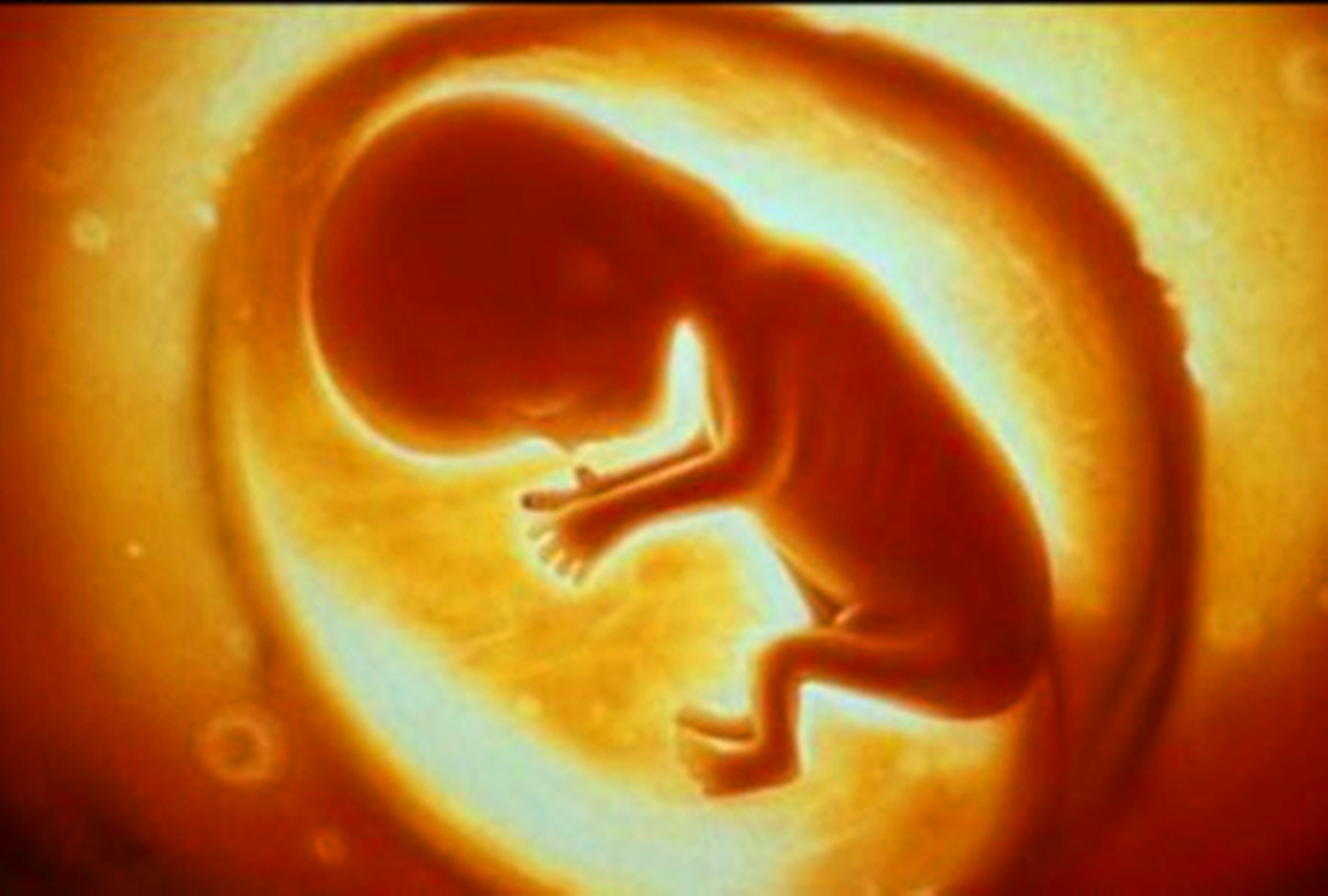
Just as we often speak of Mother Church, the prophet Isaiah equated Jerusalem with a maternal image. Hope in restoration would require a rebirth. While the labor pains might be terrible, the new Jerusalem would nurture her children. But they must not forget the hard lessons they have learned. The prophet Isaiah exhorted his people to fidelity. They might rebuild the temple but had to avoid any semblance of idolatry. “Comfort” and “delight” would supplant their mourning. The image is that of a nursing mother. Just as a mother’s milk brings life and contentment to a baby, God’s people would know a great reversal from their discontent. The New Zion is the Church instituted by Christ. Those that hunger and thirst will be satisfied. Those who counted themselves as dead will be alive again.
God hears the prayer of his children. We must trust him. As stewards of creation, men are obliged to join angels in praising God. “Shout joyfully to God, all the earth; sing of his glorious name; give him glorious praise” (Psalm 66:2).
The history of salvation finds a summation in the paschal mystery of Christ. Paul says, “May I never boast except in the cross of our Lord Jesus Christ” (Galatians 6:14). The great exile because of sin has ended. It reaches back not simply to Israel and Judah but to the primordial garden. The crucifixion expiates us from sin as God’s people. Christ’s passion and death bridges the distance between heaven and earth, between the divine and the human heart. By a living and loving faith, we are born again. We become “a new creation” (Galatians 6:15).
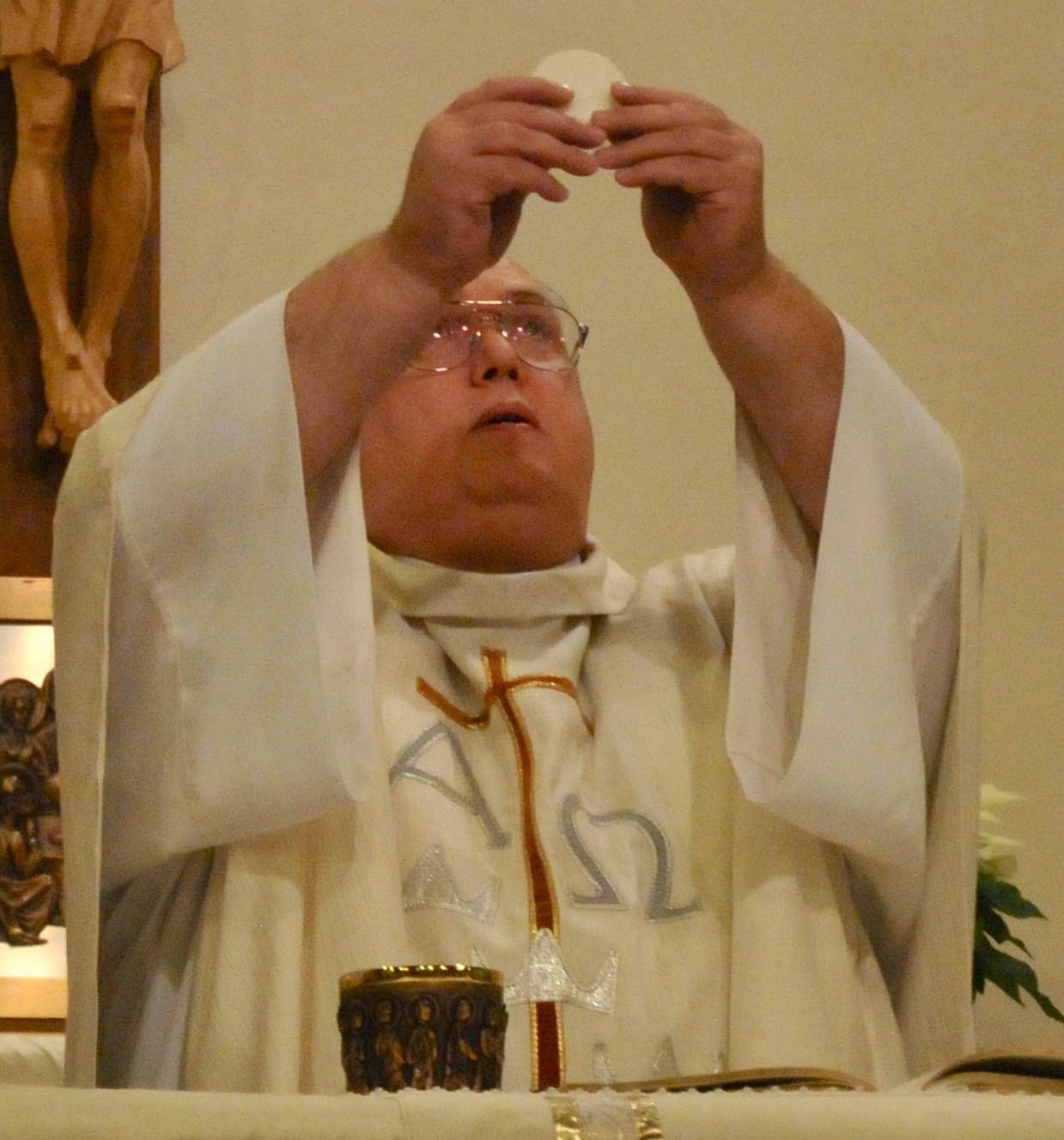
At Mass there is the proclamation or “breaking open” of the Word. Next, we have “the Breaking of the Bread.” After Mass, we find ourselves sent out on mission. The kingdom of God finds testimony in the coming of Christ. Now the kingdom of God “breaks” into the world through his holy Church. As God’s messengers and witnesses, we are to rejoice because our “names are written in heaven.” Claimed and not forgotten, the exile or estrangement is over. God’s children are coming home.
Filed under: Uncategorized |















 Blogger Priest
Leave a comment