

Chancellor Jane Belford explains the impact of the HHS mandate on the freedom to practice religion and the reasons for the lawsuits filed on May 21, 2012.
Filed under: Fortnight for Freedom | Leave a comment »
Fr. Joseph Jenkins
 | Anonymous on Ask a Priest |
 | Michael J on Ask a Priest |
 | Jeremy Kok on Ask a Priest |
 | Mike Zias on Ask a Priest |
| Jeremy Kok on Ask a Priest |








Chancellor Jane Belford explains the impact of the HHS mandate on the freedom to practice religion and the reasons for the lawsuits filed on May 21, 2012.
Filed under: Fortnight for Freedom | Leave a comment »
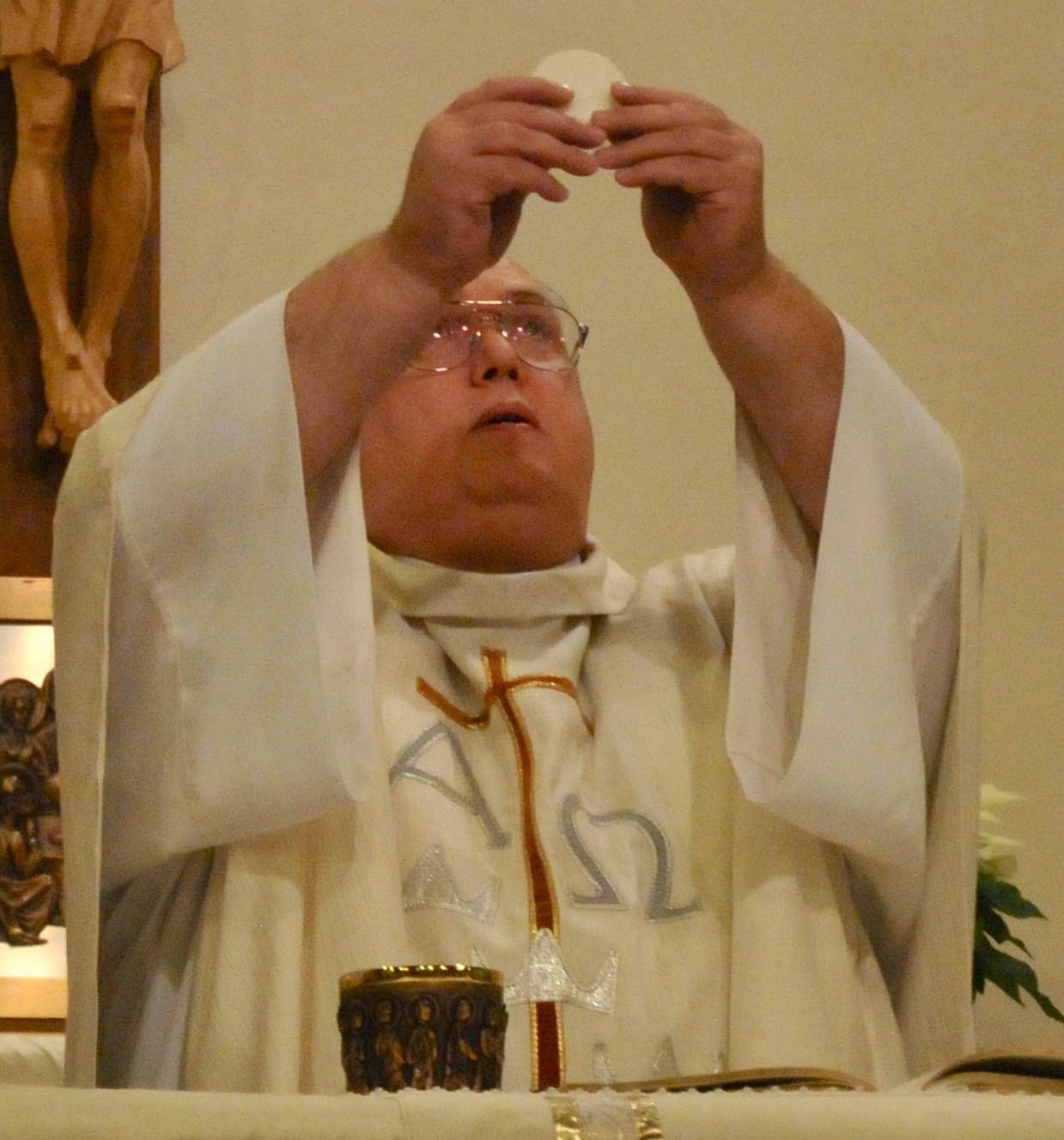
 Turning to the other element used at Mass, the priest says these words, “for through your goodness we have received the wine we offer you….” Wine was the common table drink of the people to whom Christ was speaking at the Last Supper. Most of the Jewish people at that time had a little vineyard of their own. It was prefigured by Melchizedek who offered bread and wine to God. Now Christ uses the same elements at the Last Supper to give us himself under the appearance of bread and wine. Christ used the elements of creation, which God found good, when he created the world. Since wine is an expression of man’s need for drink, it tells us that we should be offering ourselves and our lives to God. The Scriptures direct us to take a little wine for our stomach’s sake. In this case, the wine becomes Christ and we take it for our souls’ sake. Like the wheat that has been crushed, so is the grape crushed. The word to crush is the same word for contrition, since in offering our life to God we have to crush our selfishness, pride, desire for revenge, inclination to lie, and so forth. At the funeral Mass, when the body is received at the door of the church, the prayer that is said includes, “if we die with Christ, we will rise with Christ.” That dying is not our “last breath dying,” but dying to self so that we can, by conquering those faults and others like them, die to self and make our offering to God more sincere. The dying to self is painful as well, but offering it with, in and through Christ, who, while not suffering again, re-presents his passion in each Mass that is offered. The wine is a good symbol of our lives because it involves in its making much patience and care, and those two elements are predominant in our lives, too. If we were to receive only the precious blood, we would receive the whole Christ as we would in any portion of the consecrated blood or bread. What better sign can be used to signify the death of Christ, apparently only, than the separate consecration of the bread and the blood? We remember that Christ is truly present to us as he makes his passion, death and resurrection present in each Mass without suffering again. The sign of apparent separation of body and blood, and I repeat, apparent, is the sign of the Lord’s passion and death. Later in the Mass, a portion of the consecrated bread is broken off and united to the precious blood, reversing the sign of death to signify the resurrection of Christ. Christ is present not only in his death but also in his resurrection at each Mass. It is the risen Christ that we receive. It is the risen Christ we present to the Father. May the mingling of the body and blood of Christ bring those who receive it to everlasting life.
Filed under: Awalt Papers | Leave a comment »











 Blogger Priest