



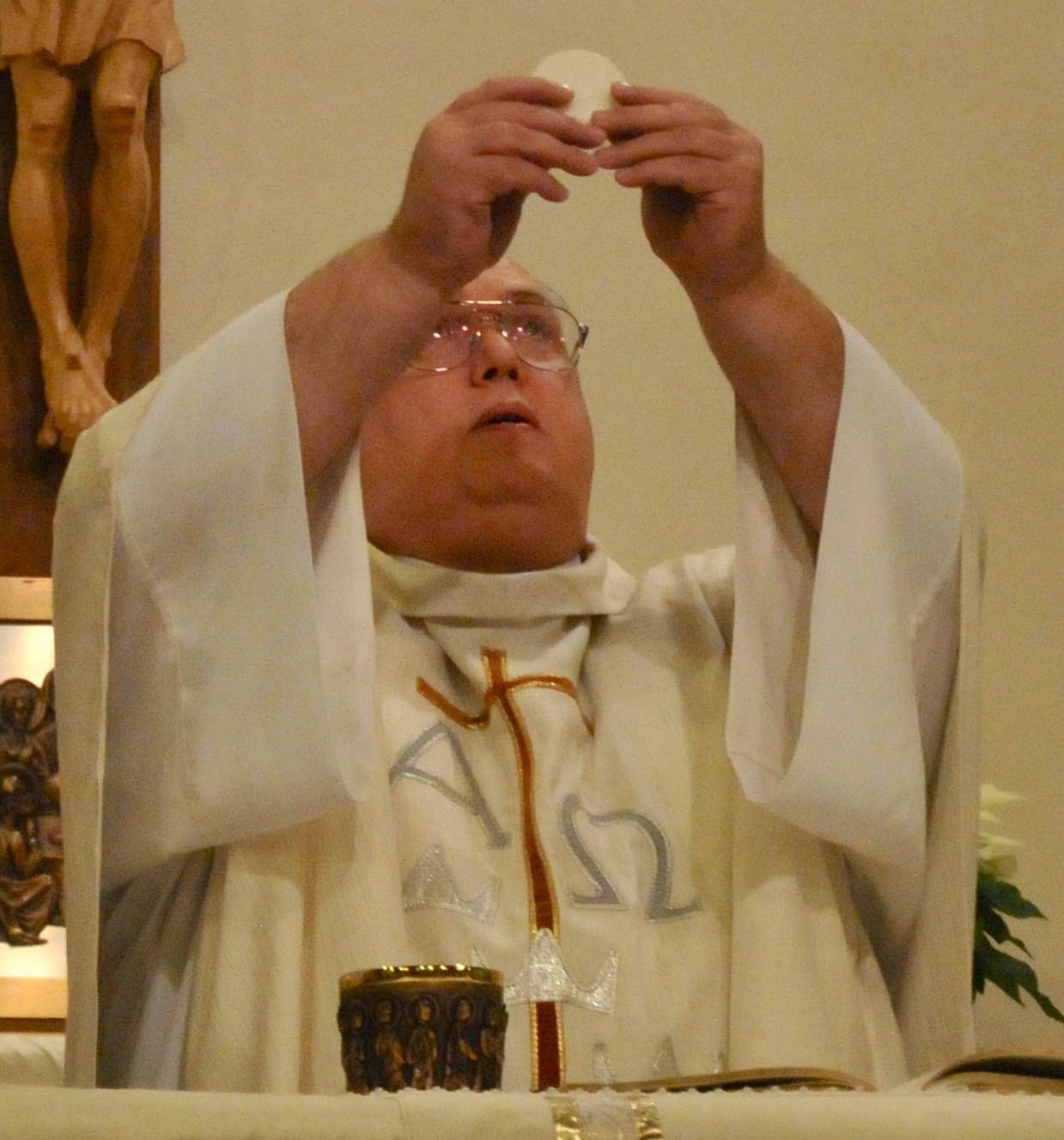









 Have you ever noticed that Catholics are more inclined to think about the Holy Spirit at Confirmation, Pentecost or some novena than we are at Mass? Besides being the tag-on whenever the Big “Three” are mentioned in the Sign of the Cross or the ending of a prayer, we should be aware of the big role that the Holy Spirit plays in the Liturgy of the Eucharist. The Holy Spirit is invoked before the words of consecration when the priest’s hands are extended over the bread and wine. The Holy Spirit is called on specially to change the bread and wine into sacramental-physical presence of Christ in the Eucharist. The Holy Spirit hovered over the waters at the time of creation to bring order into creation. The Holy Spirit overshadowed Mary as the incarnate God took up residence in her womb. The Holy Spirit was there to launch the Church on the first Pentecost when he used the image of fiery tongues. We pray at Mass that we may be one in Christ through the work of the Holy Spirit. Instead of trying on our own to be pure, respectful and united to one another— do we invite the transforming presence of the Holy Spirit? Without the Holy Spirit and its indwelling, there will be no unity in family, society and with strangers. Another prayer during the Eucharist in the Canon is that those who receive the body and blood of Christ may be filled with the Holy Spirit. The corporeal presence of Christ in his physical reality remains in us after communion for about fifteen minutes. This is why we should spend a few moments in quiet thanksgiving after each reception instead of rushing out the door or immediately going about our socializing or business. But, although the sacramental-physical (substantial) presence of Christ is no longer with us, the presence of the Holy Spirit (sanctifying grace) remains with us until we unfortunately reject him by serious sin. That means that we carry God in us as we leave the liturgy. St. Paul asks us, “Don’t you know that you are temples of God?” If we are, then so are others. This, with all due respect, makes the Eucharist a very functional sacrament that is to increase the presence of the Holy Spirit in us. When we eat the body and blood of Christ, we are filled with the Holy Spirit. Whenever we have a moment, we should turn inward (to this presence) for strength, guidance and help as we go about our normal lives. This brief reflection on his presence is the basis of the command of Scripture to pray always, sharing our joy, surprises, inspiration and work with God himself. “Come Holy Spirit, make us more aware of your presence.”
Filed under: Awalt Papers | Leave a comment »











 Blogger Priest