




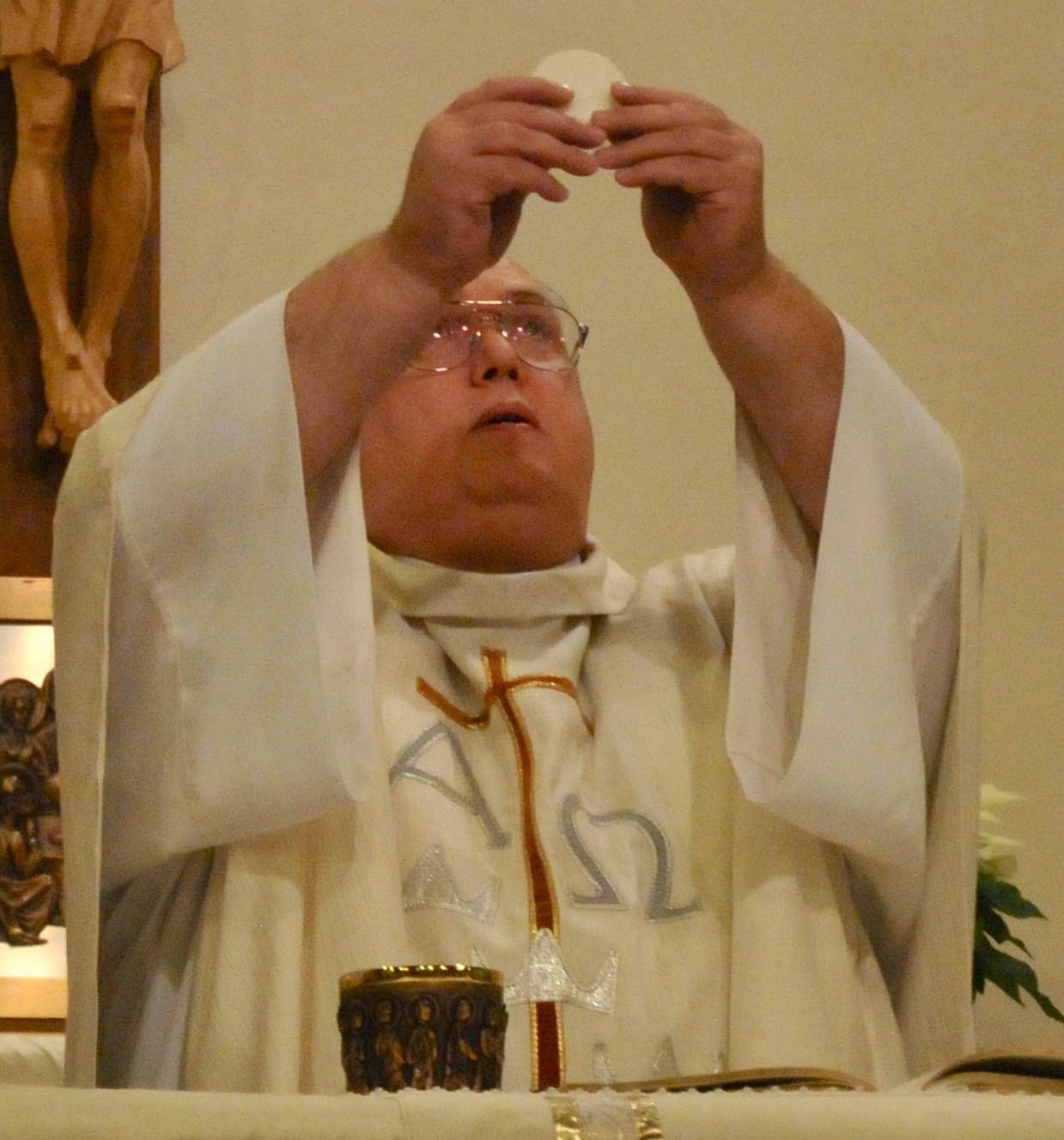








 The word tabernacle means a tent or a shelter. It indicated the presence of God among the exodus Jews. It later became the Holy of Holies when the Temple was built in Jerusalem. In the Holy of Holies were kept the tablets of the Ten Commandments, the seven-branch candlestick and the loaves of unleavened bread. It was a special recognition of the presence of God; the Temple was the only place where sacrifice could be offered. Today, we have a more special and unique presence of God in our tabernacle. Christ is really present, body and blood, soul and divinity. This presence is marked by the burning lamps and by our genuflection as we honor Christ present in the Eucharist before we come to and after we leave this special presence. The tabernacle now is a place where we keep the Eucharist to be taken to the sick. Also, we pray before that presence on our visits to the Blessed Sacrament. Older Mass-goers are used to seeing the tabernacle on the altar itself. The tabernacle has now a separate stand for itself. It reminds the faithful that not only do we believe in the real presence, but also in the real activity of the Eucharist. In the liturgy (Mass) is the re-presentation of the death and resurrection of Christ. Although we always think of Christ’s presence in the tabernacle and in the liturgy, we also believe that in the Mass there is a prolongation of Christ’s activity on the Cross and in the resurrection. Mass is not just an opportunity to go to communion but to enter into the continuation of Christ’s action for our redemption. Christ does not suffer again, nor rise again, but this is an action in which Christ continues to present himself in the same actions that took place on the Cross, and when he rose from the empty tomb. It is in the Mass that we bring our crosses, trials and needs and join ourselves to the praise, thanksgiving and petition of Christ in the Mass. We must not forget the resurrection. It is indeed the victory of Christ’s resurrection in which we share as a result of our baptismal graces. It is hoped that we will see Mass, not just as an opportunity to receive our Lord, but to share in this real and yet unseen mystery of our redemption in his death and resurrection. Between the consecration and the communion is a time of internal participation for us. This is the intense participation in the Mass and not just the externals of singing, reading and private prayer; Christ is taking us to the Father. The hosts that are left from this activity are kept in the tabernacle for our adoration and for being taken to the sick. Many hoped that moving the tabernacle from the main altar might help us to better discern the two aspects of the Eucharist— Christ’s abiding presence in the tabernacle and his activity on the altar of sacrifice.
Filed under: Awalt Papers | Leave a comment »











 Blogger Priest