



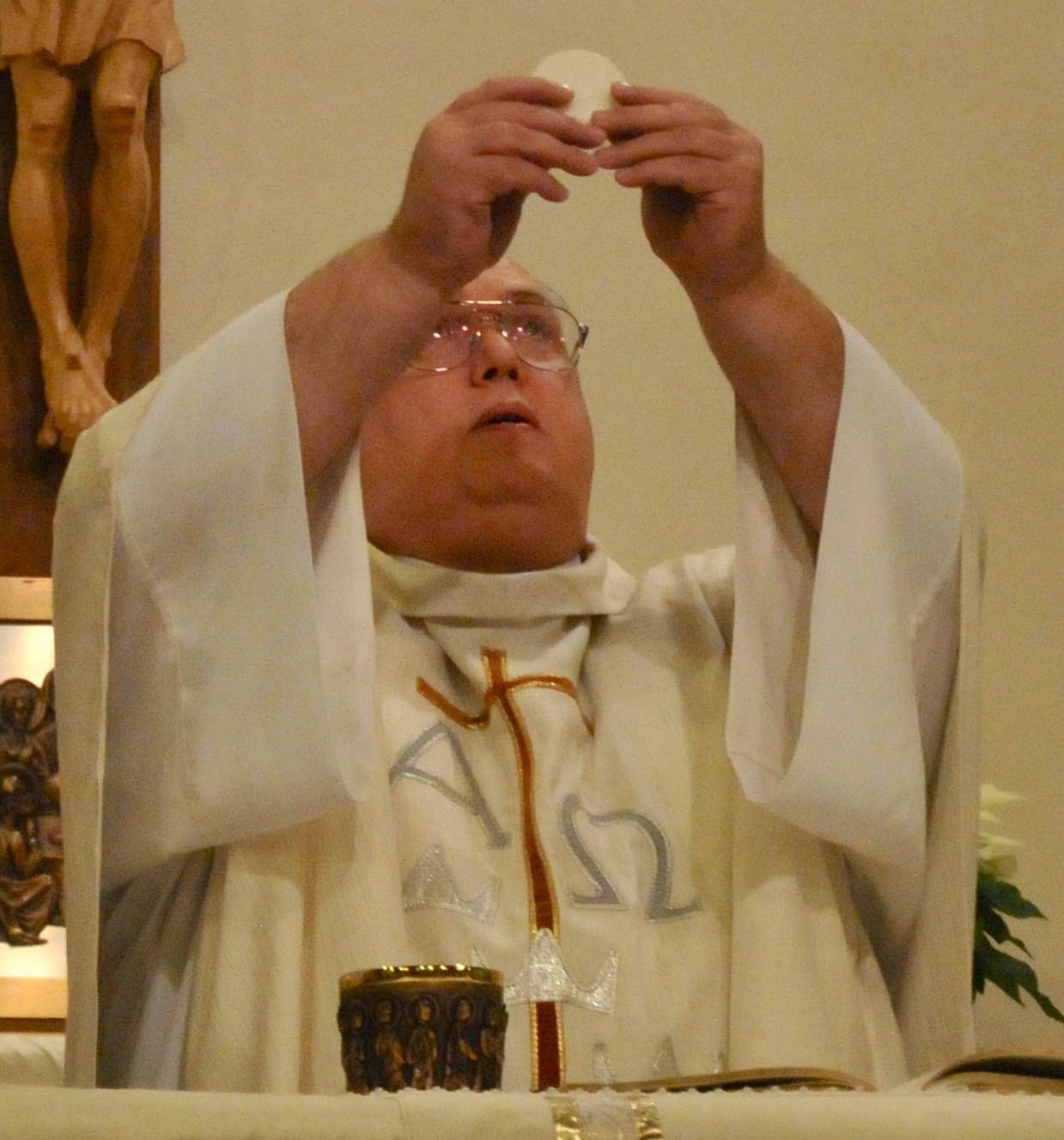








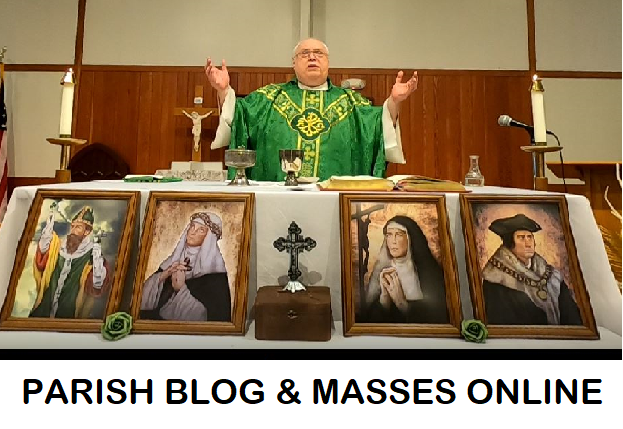
 Gestures are also important. There are at least four major gestures at the Eucharistic Liturgy which could help us to a degree to understand what the Mass is about. Sometimes we heard in the past that since the words of the celebration were in Latin, we could not understand the liturgy. I am suggesting that four simple gestures, if properly interpreted, could help us regardless of the liturgical language. First, the priest holds aloft the bread and the wine. That simple gesture “toward heaven” signifies that the gifts are being offered up to God. That gesture of offering reminds us we should offer up ourselves— our work, our play, our talent, our crosses and our joy to the Lord. As the bread and wine are held aloft, we need not hear the words; the gesture alone alerts us to “offer up” ourselves to God. Second, the next gesture of importance is the holding up again the gifts. Why? Is this merely repetition? Something must have happened to our gifts. They have been changed into the body and blood of Christ. Christ is now present: body, blood, soul and divinity. This gesture, this elevation suggesting to us that the gifts have been changed, allows us to express our faith and devotion. As St. Thomas says in the Scriptures, “My Lord and my God.” Our gifts are changed now and we acknowledge that change as they are held up for our adoration. Third, just before the “Our Father,” there is another gesture called a minor elevation, when this same host and chalice are elevated to indicate that our praise goes on, in and through Jesus Christ who is present in the Eucharist. Fourth, a final gesture is also accompanied by words, “Behold the Lamb of God.” But this gesture alone is an invitation to partake of the consecrated bread and cup. So there are four gestures: gestures of offering, showing and inviting. These gestures (even alone) will help us, I hope, to understand a little of what is going on at Mass. If we hear the words, that is even better, but the gestures can help us, too.
Filed under: Awalt Papers | 3 Comments »









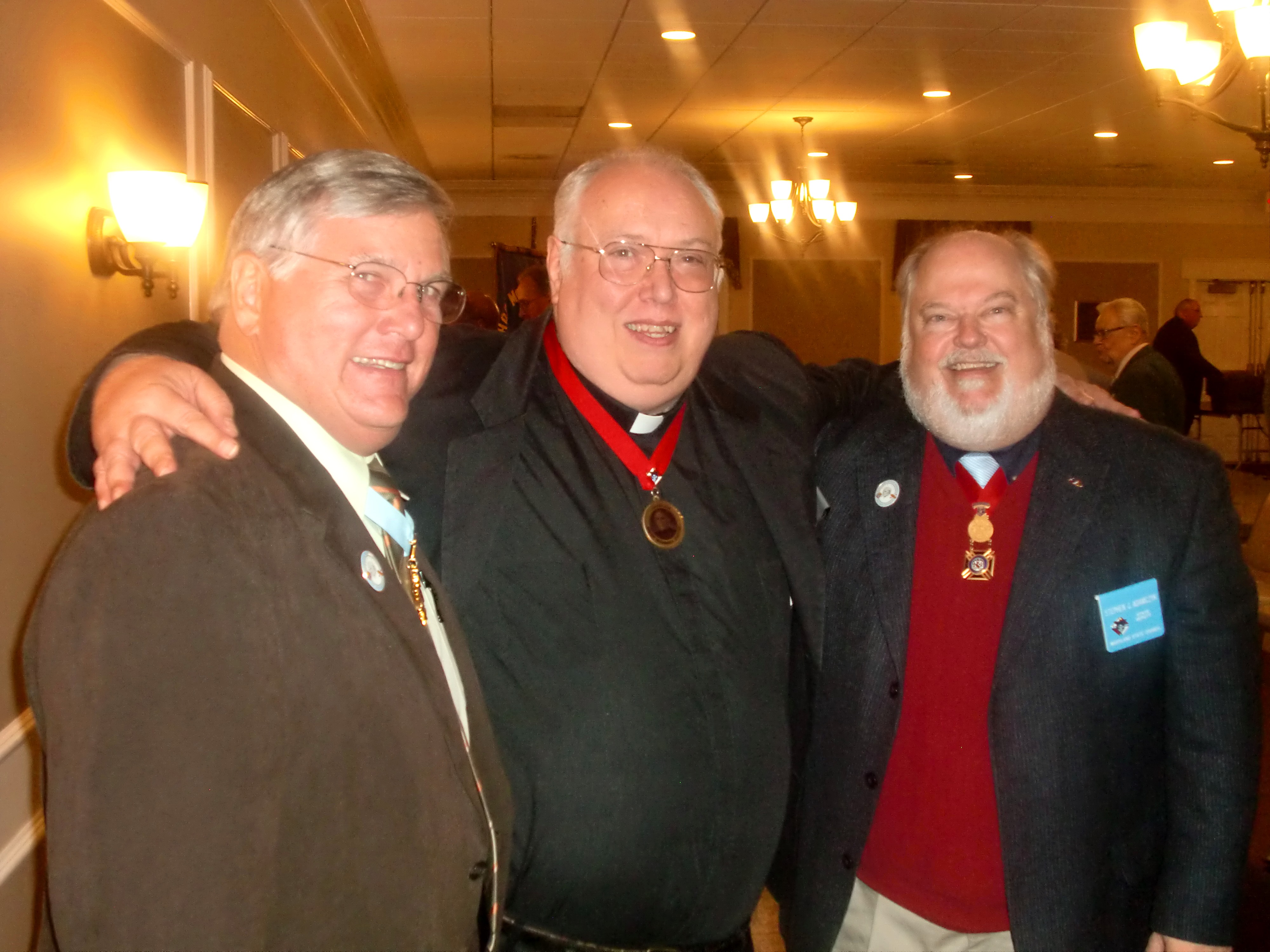
 Blogger Priest