




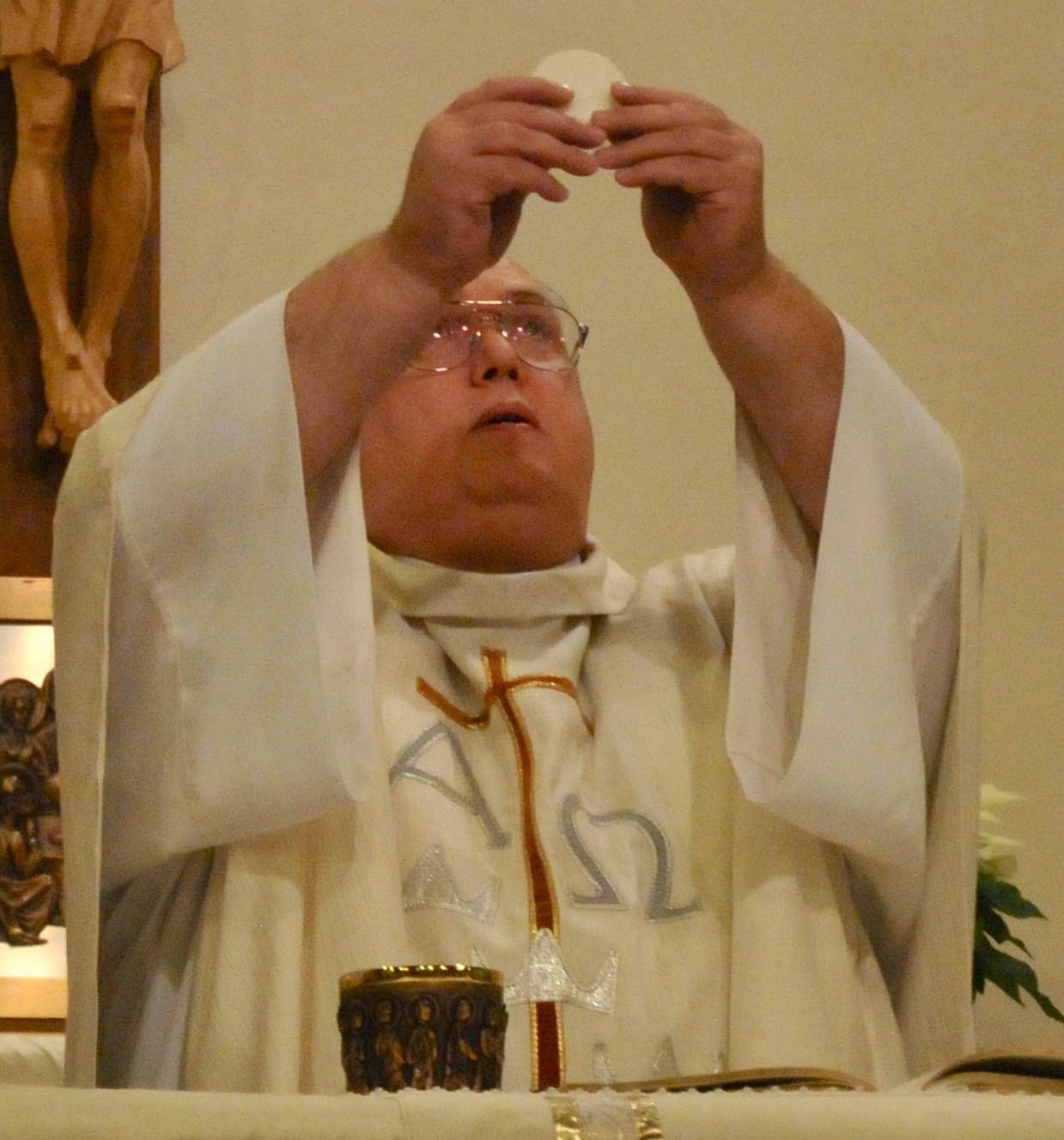


















 That which comes into contact with holy things is regarded as sacred. There are a number of sacred vessels used in connection with the Blessed Sacrament. One is the chalice which is an ornate cup that holds the wine for consecration and the precious blood afterwards. It is usually made out of some precious metal to single out its importance. A small plate-like vessel is called the paten, which holds the celebrant’s host during Mass. Another vessel that is used is called the ciborium. This vessel is used by the celebrant and those who help him to give out Holy Communion. It may not be dissimilar in its shape from the chalice and has a lid. Its name comes from the Latin, “cibus,” which means food. This is an obvious reference to our Lord identifying himself as the Bread of Life. Used for Benediction and solemn adoration of the Blessed Sacrament, another vessel is called the monstrance. This vessel resembles a sunburst— the center of which is glass, making the consecrated host visible. The name comes from the Latin word, “monstrare,” which means to show, referring to the visibility of the host. All of these vessels once consecrated by use should be handled with reverence.
Filed under: Awalt Papers |




















 Blogger Priest
Leave a comment